In the era of globalization, counterfeit goods not only threaten corporate profits but also pose direct risks to consumers’ health and safety. The security industry has shifted from simple optical indicators to integrated authentication ecosystems, in which adhesives play the role of a crucial “material link.” An anti-counterfeit label is only effective if it cannot be removed and reapplied without leaving traces; if an RFID tag or hologram label can be cleanly peeled off, the entire security chain is compromised. This article will provide an in-depth analysis of security adhesive solutions from the perspectives of material engineering, chemistry, and practical application.
Adhesives used in anti-counterfeit labels are no longer merely passive bonding layers but have evolved into an active defense mechanism. They are designed based on the principles of polymer science and surface physics to ensure product integrity.
Contact for Consultation
Hitta is currently a provider of diverse adhesive and assembly tape solutions from the world’s leading brands. With a technical team that has extensive hands-on experience across many application fields, we not only supply products but also provide consulting on solutions that optimize existing processes, tailored to each customer’s specific requirements and challenges.
For anti-counterfeit label adhesive applications, we offer two solutions from today’s leading adhesive material suppliers: EverWide & BowTape.
If you are looking for an effective, sustainable, and reliable bonding solution — let HITTA accompany you from consultation to implementation.
Contact Hitta today for support with the most suitable solution.
☎️ Hotline: 0565.336.879
✉️ Email: hittajsc@hitta.vn
Choose glue or tape?
When should you use adhesive glue?
Glue solutions are commonly used when a business wants to integrate an anti-counterfeit mechanism directly into the packaging design without applying an additional external label.
Integrated design: Glue (such as polyurethane or dispersion adhesive) is used to bond the flaps of paperboard boxes.
Destructive mechanism: When the box is opened, the glued flaps tear apart, causing irreversible fiber damage to the paper, thereby providing evidence of tampering.
Operational advantage: No specialized labeling machine is required, making the packaging process faster and more practical.
When should you use security tape?
Security tape is preferred for large-scale logistics operations or when a strong visual tamper warning is needed on the packaging surface.
Sealing large shipments: Commonly used for large cartons, pallets, or shipping consignments to ensure supply chain integrity.
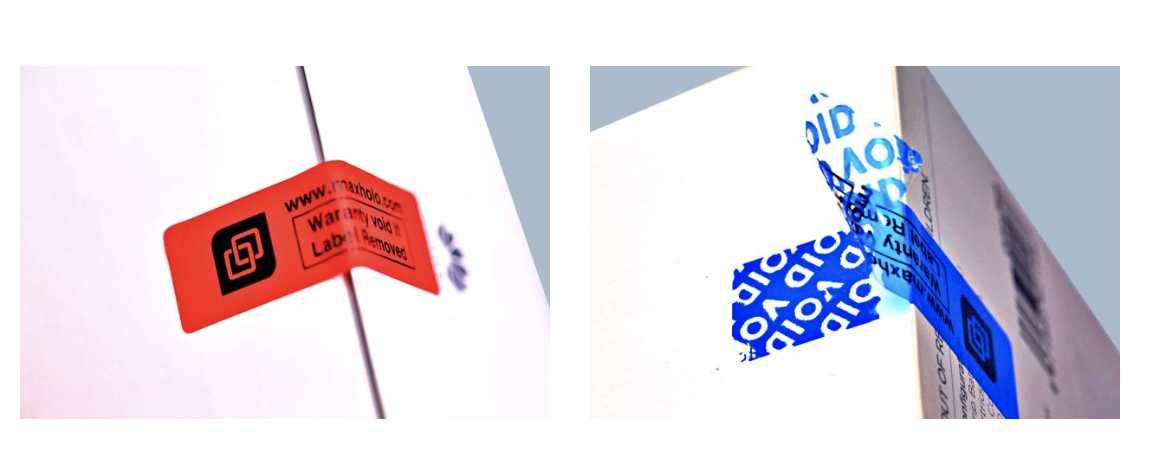
Void mechanism: When removed, the tape leaves behind a continuous message such as “VOID” or “OPENED” on the carton surface.
Harsh environments: Specialized tapes are designed to withstand thermal shock (hot/cold) and chemical solvents during transportation.
Comparison Table: Adhesive Glue vs. Security Tape
| Feature | Gluing Flaps | Security Tape |
|---|---|---|
| Application Position | Integrated into the internal structure of paperboard boxes. | Applied over the seams of cartons. |
| Display Mechanism | Causes fiber-tear when opened. | Reveals a continuous hidden message (VOID/OPENED). |
| Security Level | Generally considered a basic protection layer. | Medium to High, easily noticeable from a distance. |
| Convenience | Fast packaging, no external labeling machine needed. | Protects the entire shipment with a single strip. |
| Legal Reliability | Limited: FDA (USA) and TGA (Australia) do not consider this a reliable sealing method for certain industries. | Complies with ISO 21976 standards for pharmaceutical packaging. |
| Customization Capability | Difficult to customize messages on tear marks. | Can include printed logos, serial numbers, or QR codes. |
Important note: For highly regulated markets such as the United States or Australia, regulatory authorities (FDA and TGA) state that paperboard boxes sealed only with glue on the flaps generally do not meet tamper-resistant packaging requirements. In these cases, the additional use of security tape or specialized sealing labels is mandatory to ensure compliance.
Viscoelastic properties of Pressure-Sensitive Adhesives (PSA)
Most anti-counterfeit labels currently use Pressure-Sensitive Adhesives (PSA). These adhesives form bonds simply through light pressure without requiring activation by heat or solvents. This mechanism is based on viscoelastic behavior, which allows the adhesive to flow slightly and create intimate molecular-level contact with the substrate surface.
To evaluate the effectiveness of a security adhesive solution, the following three technical parameters are the most important:
Tack (Instant Adhesion): The ability to adhere to a surface immediately upon contact. In security applications, high tack enables the label to bond firmly right away, preventing removal before the adhesive has had time to “set.”
Peel Strength: The force required to remove the label from the surface. For anti-counterfeit solutions, this force is often engineered to exceed the tensile strength of the label film layer, forcing the label to be destroyed when removal is attempted.
Shear Resistance: The adhesive’s ability to resist sliding forces in the vertical direction, preventing the label from “creeping” or slipping under high temperatures or vibration.
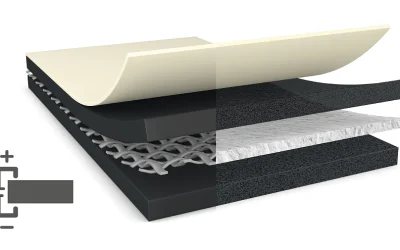
Multi-layer structure of security labels
A comprehensive anti-counterfeit label solution typically includes the following layers:
Face layer (Facestock): Where information is printed; can be paper or film materials such as PET or Vinyl.
Topcoat layer: Protects printed ink and enhances adhesion for additional security features.
Adhesive layer: The “engine” of the system, determining adhesion performance and tamper-evident behavior.
Release liner: Protects the adhesive before use.
Topcoat Layer
This is the outermost layer, responsible for protecting and optimizing the visibility of information.
Function: Protects printed ink from harmful environmental effects such as UV rays, chemicals, or abrasion.
Security techniques: This coating is often treated to improve adhesion for security inks (such as invisible UV ink or color-shifting ink).
Facestock Layer
This is the “backbone” that determines the physical form of the label.
Diverse materials: Depending on the application, manufacturers use PET (heat-resistant, durable), Vinyl (brittle, easy to break), or synthetic paper.
Frangibility mechanism: For destructible labels, the face layer is engineered with extremely low tensile strength—much lower than the adhesive strength—causing the label to fragment (like an eggshell) when tampered with or peeled off.
Integrated Security Features Layer
This layer is typically positioned between the face layer and the adhesive layer or integrated directly into the face material.
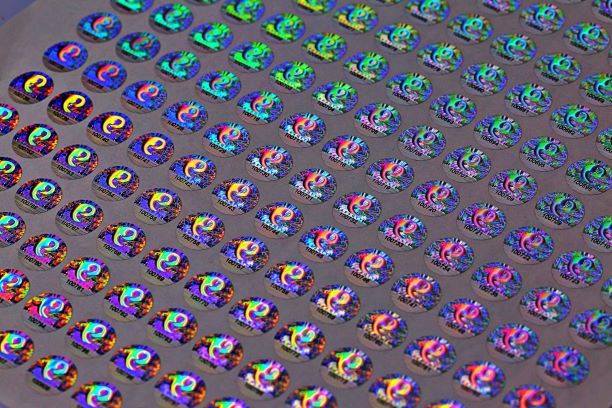
Hologram (Optical): Creates 3D effects or color changes depending on the viewing angle, making it extremely difficult to duplicate using conventional printers.
Void layer: A defining characteristic of VOID labels. This layer is engineered with predetermined structural weak points (stress points). When the label is peeled, the layer separates from the face material in the form of hidden images or messages (such as the word “VOID” or a brand logo).
Smart Inlay Layer (Optional)
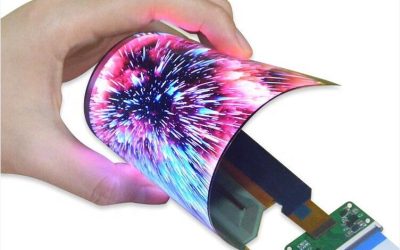
In smart label products, an RFID or NFC inlay (consisting of a chip and antenna) is embedded between the face layer and the adhesive layer.
Material compatibility: The adhesive at this level must remain transparent to radio frequencies (RF transparent) to avoid interfering with wireless data transmission.
Destruction loop: Some advanced designs integrate the antenna into the label’s tamper mechanism; if the label is removed, the antenna breaks, permanently disabling the digital signal.
Security Adhesive Layer
This is the “engine” controlling the entire behavior of the label.
Pressure-sensitive adhesive (PSA): Uses viscoelastic polymers to create an instant bond under light pressure.
Taggant carrier matrix: The adhesive layer can also act as a carrier medium for molecular fingerprints (taggants) such as plant DNA, phase-changing nanoparticles, or luminescent phosphor particles. These markers are invisible and can only be authenticated using specialized equipment.
Resistance to external tampering: Security adhesives are engineered to resist label-removal techniques involving heat (heat guns) or chemical solvents.
Release Liner & Silicone Release Layer
Although removed before use, this layer plays a crucial role in preserving the label.
Controlled release force: The silicone coating allows the label to be peeled from the liner consistently without prematurely triggering the “VOID” mechanism or damaging the fragile structure of destructible labels during high-speed automatic application.
The interaction among these layers creates a multi-layered security barrier: counterfeiters may replicate the appearance (face layer), but they are unlikely to reproduce the physical tamper mechanisms (adhesive/void layer) or the forensic authentication markers (taggants) embedded deep within the structure.
Adhesive solutions based on physical destruction mechanisms
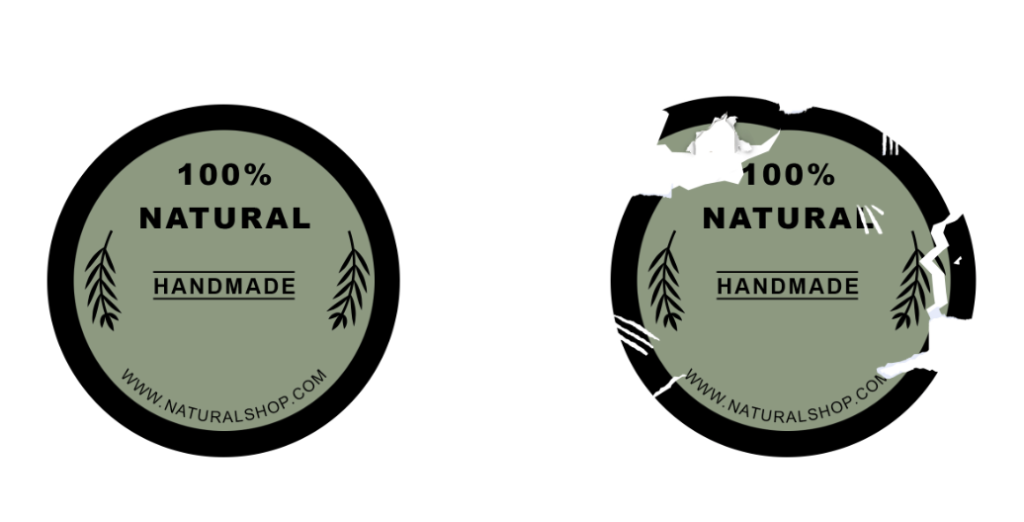
The core of anti-counterfeit seals is creating irreversible physical changes when unauthorized tampering is attempted.
Frangible / Ultra-Destructible Label Solutions
Frangible or ultra-destructible labels, often compared to “eggshell labels,” are among the most effective physical security tools due to their unique technical property: complete self-destruction upon interference. Below is a deeper analysis of the mechanisms, materials, and applications of this type of label.
Technical mechanism: Intentional force imbalance
The essence of frangible labels lies in the physical principle of force imbalance. The label is engineered so that the tensile strength of the face film is significantly lower than the bond strength of the acrylic adhesive layer.
When tampered with: As soon as any attempt is made to peel, pry, or remove the label, the adhesive firmly anchors the film to the product surface, while the pulling force causes the fragile film to instantly shatter into hundreds of tiny fragments.
Irreversibility: Because the label breaks apart like an eggshell, counterfeiters cannot reassemble or reapply it to its original state, creating clear forensic evidence of tampering.
Material classifications and brittleness levels
Not all frangible labels are the same. Depending on the application surface and sealing method, different material grades are available:
Foamtac material (Foam Vinyl): Features a layered foam-like structure, extremely flexible with a “zero memory effect.” This allows the label to conform tightly to curved surfaces such as test tubes, syringes, or medicine bottles without edge lifting (“winging”).
Co-extruded synthetic paper (PP): Provides a smoother surface, ideal for high-resolution printing of barcodes, QR codes, or small serial numbers. Commonly used for sealing flat carton boxes.
High-grade frangible labels (HG80 & HK80): Extremely brittle materials designed for large flat surfaces such as shipping crates or industrial equipment housings.
Hologram-integrated frangible labels: Combine optical security (difficult-to-counterfeit 3D holographic imagery) with physical security (self-destructive behavior), creating dual-layer protection for luxury products.
Practical applications in critical industries
Electronics and Hardware: Frangible labels are commonly placed over screw holes or chassis seams as warranty seals. If customers open the device without authorization, the label shatters, allowing manufacturers to reject fraudulent warranty claims and save millions of dollars annually.
Pharmaceuticals and Healthcare: Used to seal medicine bottle caps to prevent dilution or substitution of active ingredients. They are also used as hospital asset identification tags to prevent the swapping of expensive medical equipment components.
Government and Legal Sectors: Used to seal ballot boxes, evidence containers, or IT equipment containing confidential data to preserve procedural integrity.
Comparison with “VOID” label solutions
Frangible labels are often confused with VOID labels, but their chemical and physical mechanisms are entirely different:
VOID labels: The PET film remains intact after removal but leaves behind a warning message (VOID, OPENED) on the product surface through a chemical transfer process.
Frangible labels: The film is mechanically destroyed completely. Frangible labels are often preferred for lightly textured or uneven surfaces because the soft vinyl film can penetrate small gaps more effectively than the rigid PET film used in VOID labels.
Technical considerations for maximum effectiveness
To ensure frangible labels perform as designed, the implementation process must follow these requirements:
Surface preparation: Dust and grease must be cleaned with Isopropyl alcohol before application; otherwise, the adhesive cannot achieve the maximum bond strength needed to activate the destructive mechanism.
Dwell time: Frangible labels do not reach maximum security performance immediately. The adhesive requires approximately 24–72 hours to fully cure and permanently bond to the product surface.
Environmental selection: If products are stored in cold environments, freezer-grade adhesive should be specified to prevent adhesive crystallization and loss of bonding strength.
Void Reveal Solution (Differential Release)
The Void Reveal solution (Differential Release) is a sophisticated application of materials engineering that uses a differential release mechanism to display hidden messages when a label is removed. Unlike destructible labels that rely on mechanical fracture of the surface film, VOID labels rely on controlled separation between structural layers to provide evidence of tampering.
Below is a detailed analysis of the technical architecture and variations of this solution:
Layered Architecture of VOID Labels
A standard Void Reveal label typically consists of 3 to 5 carefully engineered layers:
- Facestock Layer: Usually made from Polyester (PET) due to its high durability and resistance to heat, UV radiation, and solvents.
- PET Carrier Layer: Helps control how the VOID message separates while also improving the dimensional stability of the label.
- Release / VOID Message Layer: This is the core layer containing pre-engineered structural weak points (stress points). It acts as the “trigger” that activates the hidden message when pulling force is applied.
- Adhesive Layer: Typically a permanent acrylic adhesive with extremely high bonding strength, which must be precisely tuned to match the surface energy of the substrate (metal, plastic, or paper) to ensure accurate VOID activation.
Three Common Failure Modes
How the VOID message appears depends on where engineers intentionally design the “failure point”:
- Adhesive Failure: The adhesive layer separates from the label face and remains firmly attached to the product surface, leaving the word “VOID” in adhesive residue on the packaging. This is the strongest mechanism and is commonly used for carton packaging or high-security seals.
- Film Delamination: The top film separates from the internal film layers. The message appears on the removed label while the product surface remains clean. This solution is ideal for electronic devices (laptops, phones) where adhesive residue could cause damage or interfere with servicing.
- Pattern Release: The message appears through a change in color or transparency within the label itself. This mechanism is often used for non-porous surfaces or in cases where the label must remain intact as inspection evidence afterward.
Classification by Transfer Mechanism (Transfer Types)
Based on what remains on the product surface, this solution is categorized into:
- Full-Transfer: Leaves the entire message and adhesive layer on the product. This provides the strongest visual warning and effectively prevents reapplication of the old label.
- Non-Transfer: Leaves no residue on the product surface; the message only appears on the label itself. Commonly used for premium surfaces or applications requiring high cleanliness.
- Partial-Transfer: Part of the message remains on the label and part on the product surface, creating a balance between visibility and ease of post-removal cleaning.
Advanced Customization and Security Features
Instead of using the standard “VOID” text, modern solutions allow hidden messages to be customized according to brand identity:
- Custom Message: Displays company logos, serial numbers, or specific warnings (e.g., “WARRANTY VOID”). This increases anti-counterfeiting effectiveness because fraudsters cannot simply replace the label with generic “VOID” tape available on the market.
- Digital Integration: Many modern VOID labels integrate QR codes or serialization to support traceability throughout the supply chain.
Technical Note: The effectiveness of VOID labels depends heavily on the dwell time after application, allowing the adhesive to fully establish molecular bonding with the substrate surface.
Fiber-Tear Solution
The Fiber-Tear solution is a physical security mechanism based on breaking the substrate structure (typically paper or cardboard) to create irreversible evidence of tampering. Instead of focusing solely on damaging the label itself, this solution is designed to directly damage the product packaging.
Below are the in-depth technical details and practical applications of this solution:
Technical Mechanism: Deep-Penetration Bonding
Unlike conventional labels that only adhere to the surface, the adhesive used in the fiber-tear solution is specially formulated to penetrate deeply into the paper fibers of the packaging.
Imbalance of Forces: The adhesive is engineered so that its bond strength exceeds the internal bonding strength between the layers of cardboard fibers.
Behavior Under Tampering: When someone attempts to peel off the label, the adhesive does not separate cleanly from the surface. Instead, it pulls away the top fiber layer of the packaging. This leaves a rough, torn mark on the box surface, making it impossible to reapply another label to conceal the tampering because the surface structure has been permanently altered.
Adhesive Engineering and Face Materials
High-Tack Adhesive: Typically uses solvent-based acrylic adhesives capable of aggressively “biting” into paper fibers. This adhesive maintains stability even when exposed to temperature changes or chemicals commonly used by counterfeiters to soften adhesives.
Compatible Face Material: The fiber-tear solution is often paired with co-extruded synthetic paper (PP). This material provides a smooth surface that supports high-resolution printing of critical information such as QR codes, barcodes, or serial numbers while still preserving the destructive tamper-evidence mechanism upon removal.
Applications and Security Effectiveness
Resistance to “Steam Removal” Techniques: A common counterfeiting method involves using heat or steam to cleanly remove labels. However, fiber-tear adhesives are engineered to resist heat; even when heated, they remain firmly attached to the paper fibers and still cause tearing when removed.
Pharmaceutical Industry: This is a standard solution for complying with ISO 21976:2018 requirements for tamper verification features in pharmaceutical packaging. It ensures that medicine boxes cannot be secretly opened and refilled while maintaining an apparently intact outer package.
Electronics Components and Logistics: Used to seal cartons containing high-value goods or component boxes. Fiber damage serves as the clearest visual evidence for warehouse personnel or customers to recognize that the package has previously been opened.
Strategic Benefits
Forensic Authentication: Torn paper fibers provide clear physical evidence during investigations of supply chain fraud or warranty disputes.
Cost Efficiency: Compared to using complex wrapping films, labels incorporating a fiber-tear mechanism reduce machinery investment costs because they can be applied using standard labeling equipment.
Smart adhesive solutions integrating chemistry and molecular technology
As counterfeiters become more sophisticated with modern printing technologies, the security industry has advanced deep into the molecular level of adhesive layers to create invisible authentication barriers.
Molecular taggants and DNA fingerprints
Taggants are uniquely encoded materials embedded directly into the adhesive matrix to serve as a “fingerprint” for the product.
Plant DNA: This is the gold standard in forensic-level authentication. Custom-encoded DNA sequences are encapsulated within silica shells to protect them from the adhesive’s chemical environment. The integration concentration is extremely low (parts per trillion), so it does not affect the adhesive’s physical properties.
Authentication: Verification requires PCR (polymerase chain reaction) protocols in a laboratory, providing legally admissible evidence in court.
Luminescent indicators and up-conversion
Modern adhesive solutions can incorporate special luminescent pigment particles.
Up-conversion mechanism: Lanthanide-based phosphor particles are used to convert low-energy near-infrared (NIR) light into high-energy visible light. Under a 980nm laser, the adhesive layer — invisible under normal lighting — emits vivid green or red signals.
Multi-layer authentication: Engineers can blend multiple particle types to create complex spectral responses, for example emitting blue under one wavelength but appearing pink when viewed through a specialized optical filter.
Phase-change nanoparticles
Another pioneering technology uses nanoparticles made from eutectic alloys (such as aluminum, bismuth, and cadmium). Each particle type has a unique melting point and thermal flow characteristic, identifiable through differential scanning calorimetry (DSC). This enables the creation of extremely high-density encoded signatures, making replication of adhesive formulations statistically impossible.
The challenge of Low Surface Energy (LSE)
The challenge of Low Surface Energy (LSE) is one of the biggest technical barriers in implementing anti-counterfeit labels, because it directly affects the ability to “activate” the label’s security mechanisms.
Below are in-depth details about this challenge and the corresponding technical solutions:
The nature of the LSE challenge: The “Beading Up” effect
Materials with low surface energy such as Polypropylene (PP), Polyethylene (PE), HDPE, and powder-coated surfaces are often chemically inert and hydrophobic.
Wet-out issue: On these surfaces, conventional adhesives tend to “bead up” rather than “wet out” to create the molecular contact necessary for adhesion.
Security implications: If the adhesive does not fully wet the surface, the bond will be very weak. This allows counterfeiters to peel off the label cleanly without breaking the destructible structure or leaving a “VOID” mark on the product, completely disabling the anti-counterfeit function.
Common failures on LSE surfaces
Edge Lift: Due to low bonding strength, label edges often begin lifting after a short period, especially on curved or textured surfaces.
Flagging effect: This occurs when labels are wrapped around small-diameter objects (such as medicine bottles or cables). The stiffness of the facestock material (such as PET) overcomes the weak adhesive force on the LSE surface, causing the label to peel away on its own.
Solutions from the perspective of adhesive chemistry
To overcome LSE challenges, adhesive solutions must be engineered with surface tension lower than the plastic substrate itself and with extremely high instant tack.
Please contact HITTA for consultation.
Environmental resistance capability
Security adhesive solutions must maintain integrity throughout the product lifecycle, which often faces harsh environmental conditions:
Cold chain environments: In the pharmaceutical industry, adhesives must maintain adhesion at extremely low temperatures (-40°C to -80°C) without becoming brittle or experiencing edge lifting (winging).
Chemicals and solvents: Counterfeiters often use heat (heat guns) or chemical solvents to soften adhesives for clean label removal. Premium security adhesive solutions are engineered to resist solvents and remain stable under heat exposure, forcing the Void mechanism or destructible label feature to activate.
Humidity and UV exposure: Labels applied to outdoor equipment or shipped via sea freight require pure acrylic adhesives to resist oxidation and aging caused by sunlight.
Adhesives in Electronic Infrastructure
The development of Smart Labels has transformed the adhesive layer into a component of the electronic circuit.
Conductive Adhesives in RFID/NFC Assembly
In RFID tag manufacturing, specialized adhesives are used to connect silicon chips to antennas.
Anisotropic Conductive Adhesive (ACP): Contains micron-sized conductive particles that allow electrical conduction only in the vertical direction (between the chip and the antenna), while maintaining horizontal insulation to prevent short circuits.
RF Transparency: The adhesive layer used to attach labels onto products must ensure “transparency” to radio waves, avoiding interference with data transmission and reception signals between the tag and the reader.
The “Destructive Loop” Digital Mechanism
An advanced security solution combining physical and digital technologies is the design of RFID antennas integrated into the security adhesive layer. When there is an attempt to peel off the label, the adhesive layer destroys the physical structure of the antenna, causing the digital signal to be completely and permanently lost, thereby preventing the RFID chip from being reused for counterfeit goods.