Solution Overview
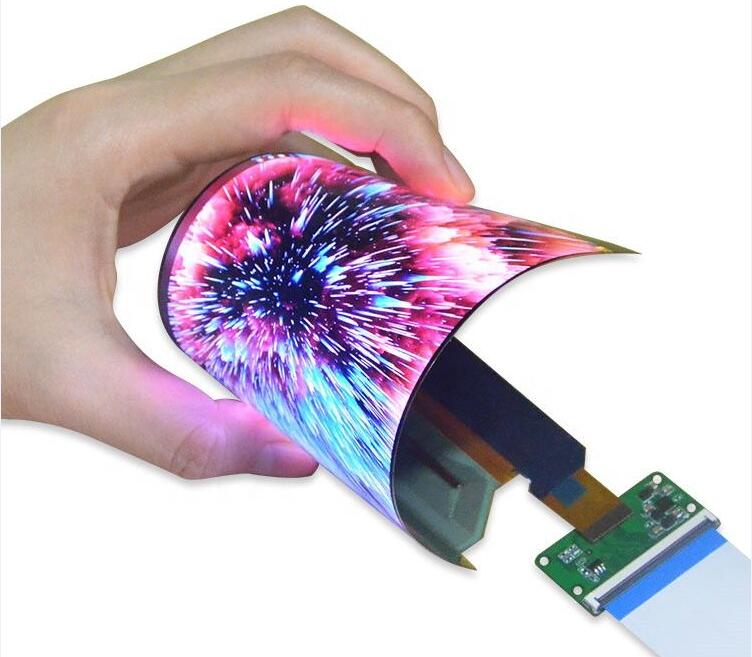
AMOLED (Active-Matrix Organic Light-Emitting Diode) displays are increasingly used in smartphones, wearable devices, automotive displays, medical equipment, and a wide range of premium electronic products. Compared with conventional display technologies, AMOLED offers more vibrant colors, higher contrast, wider viewing angles, and enables curved as well as foldable display designs.
To fully realize these advantages, every layer within the display stack must be bonded with exceptional precision. This is why optical bonding materials such as OCA (Optically Clear Adhesive), LOCA/OCR (Liquid Optically Clear Adhesive / Optically Clear Resin), and SVR (Optical Elastic Resin) have become indispensable in modern AMOLED assembly processes.
Beyond eliminating air gaps between display layers, these optical bonding materials enhance display clarity, improve touch accuracy, increase mechanical durability, and meet the demanding requirements of curved and foldable display designs.
This article explores the working principles of AMOLED optical bonding, the most commonly used bonding materials, the assembly process, key technical challenges, and real-world applications of AMOLED bonding solutions in the electronics industry.
Contact Information
HITTA is a trusted provider of industrial adhesive tape solutions from leading brands such as tesa and BowTape, supporting bonding, assembly, and manufacturing applications for AMOLED displays.
Beyond supplying materials, HITTA works closely with manufacturers to analyze production processes, recommend the most suitable adhesive solutions, and customize materials for each assembly stage. With our Tape Convertingcapabilities, we can deliver adhesive tapes in custom configurations, including die-cut parts, precision-cut formats, finger-lift designs, spool winding, and many other formats tailored for semi-automated and fully automated production lines.
Our engineering team collaborates directly with customers to optimize assembly efficiency, improve product quality, and reduce manufacturing costs—from prototype validation through to full-scale production.
If your business is looking for specialized adhesive tape solutions for the OLED industry, HITTA is ready to support you with solutions engineered specifically for your manufacturing process.
Contact HITTA today to discuss your application and evaluate the most suitable solution for your production needs.
☎️ Hotline: +84 565 336 879
✉️ Email: hittajsc@hitta.vn
Why AMOLED Display Bonding Is Essential
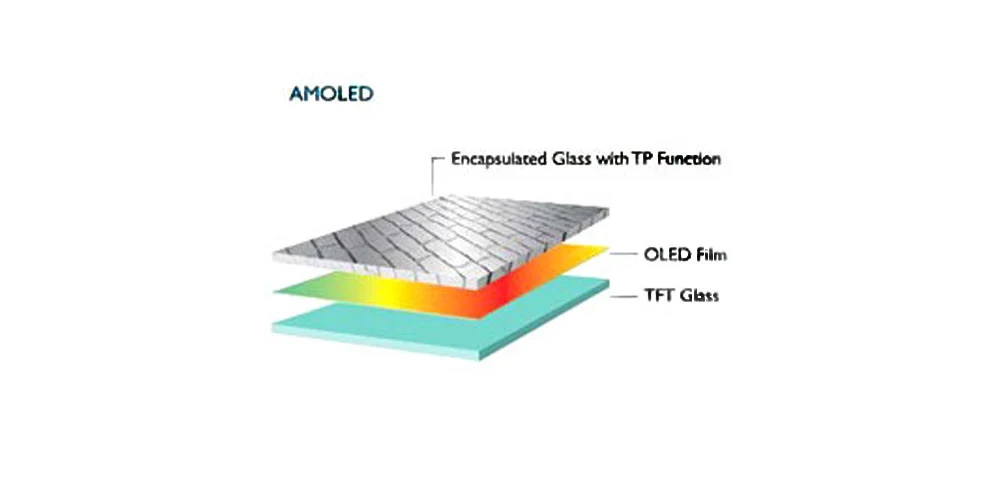
An AMOLED display is far more than a single display panel. It is a multilayer structure in which electrical, optical, and mechanical functions operate simultaneously. The display stack typically includes a thin-film encapsulation (TFE) layer, touch sensor, cover glass, polarizer, and several other functional layers. As a result, display performance depends not only on the AMOLED panel itself but also on how effectively these layers are bonded together.
In conventional assembly methods or lower-cost products, the cover glass is often bonded only around its perimeter, leaving an air gap between the glass and the display. Although this gap is extremely thin, it can significantly degrade optical performance.
The reason lies in the difference in refractive index between glass (approximately 1.50) and air (1.00). Whenever light passes from glass into air, a portion of it is reflected due to the Fresnel reflection effect. In edge-bonded structures, light encounters multiple interfaces between the glass, air, and display, causing the total amount of reflected light to increase substantially.
As a result, the display becomes more susceptible to glare under bright ambient light, contrast is reduced—preventing AMOLED blacks from appearing truly deep—and parallax becomes more noticeable. In this case, the displayed image appears slightly below the surface of the cover glass, reducing touch accuracy for both finger input and stylus operation.
To overcome these limitations, the industry has adopted full optical lamination, which completely eliminates the air gap. Instead of leaving an empty space, the entire cavity is filled with an optically clear adhesive whose refractive index closely matches that of the cover glass (typically between 1.47 and 1.52). By minimizing the refractive index mismatch, light can travel through the display stack with significantly less reflection at each interface.
As a result, surface reflectance can be reduced to below 1%, and even as low as approximately 0.2% when combined with an anti-reflective (AR) coating. The outcome is a clearer display, higher contrast, improved readability in bright environments, and a more natural touch experience, with the displayed image appearing much closer to the surface of the cover glass.
Technical Challenges in AMOLED Display Bonding
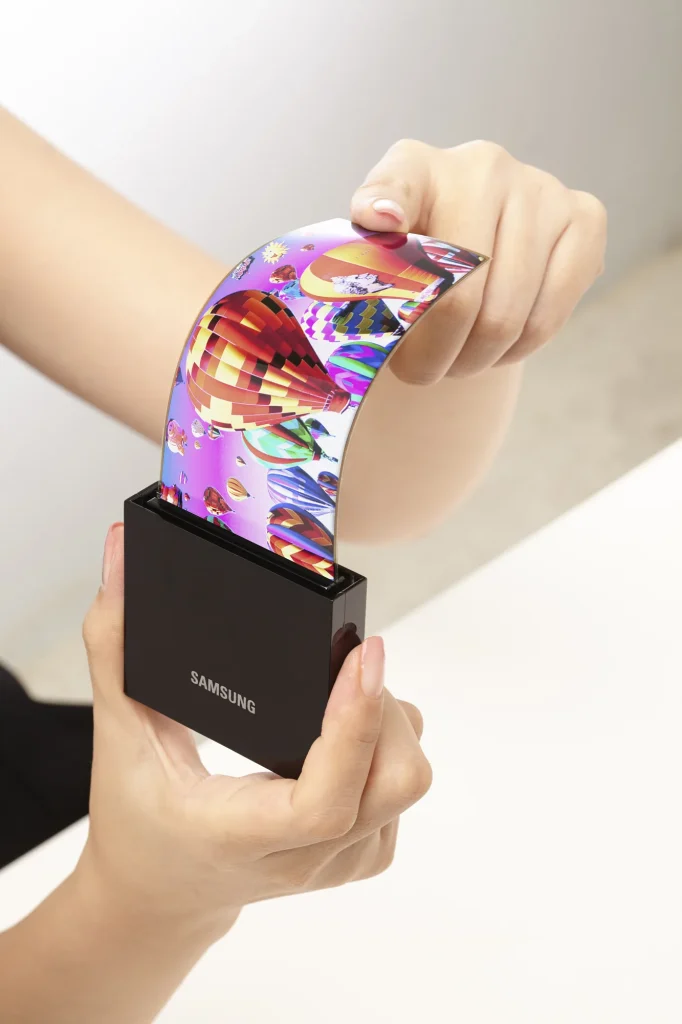
Flexible AMOLED displays operate under far more demanding mechanical conditions than conventional flat displays. Every time the display is folded, the material layers on the inner side are subjected to compressive stress, while those on the outer side experience tensile stress. This loading cycle is repeated hundreds of thousands of times throughout the device’s service life.
As a result, the bonding layer must do more than simply provide strong adhesion. It must continuously absorb and redistribute mechanical stress across multiple layers with different mechanical properties. If the adhesive is too rigid or lacks sufficient elasticity, critical functional layers may crack, delaminate, or gradually lose performance over time.
Role of the Adhesive:
To minimize bending-induced stress, display manufacturers employ the Neutral Mechanical Plane (NMP) design strategy. The objective is to position mechanically fragile layers—such as the Thin-Film Encapsulation (TFE) layer and Indium Tin Oxide (ITO) electrodes—as close as possible to the neutral plane, where bending strain is nearly zero.
To achieve this, a low-modulus Optically Clear Adhesive (OCA) is used as a compliant cushioning layer between adjacent materials. During repeated folding and unfolding, the adhesive allows the stiffer layers to move slightly relative to one another instead of deforming as a single rigid structure. This mechanism distributes mechanical stress more effectively, reducing the risk of cracking while significantly improving the display’s long-term folding durability.
In addition to stress relief, the adhesive must maintain stable viscoelastic properties across a wide operating temperature range, typically from −20°C to 85°C. For foldable designs with bending radii as small as 1–5 mm, the adhesive must withstand substantial shear deformation while maintaining a reliable bond.
Once the device is unfolded—particularly after remaining folded for an extended period—the adhesive should rapidly recover its original shape, allowing the display layers to return to a flat state without developing wrinkles or permanent deformation.
For permanently curved displays, the adhesive must also generate sufficient bonding force to counteract the natural tendency of polymer layers to spring back toward a flat configuration. If the bond strength is inadequate, edge lifting, air bubble formation, or delamination may occur after prolonged use.
Typical Bonding Applications in AMOLED Displays
Within an AMOLED display module, adhesives and adhesive tapes serve not only to bond components together but also to provide critical optical, mechanical, and protective functions. Each bonding location within the display stack has its own specific performance requirements.
Cover Window Bonding
This is the most common application for optical bonding materials such as OCA or LOCA/OCR, which are laminated between the cover window and the underlying functional layer, such as the touch sensor or polarizer.
The primary objective is to eliminate the air gap between layers, thereby reducing light reflection, improving contrast, and preventing dust and moisture from entering the display module.
Around the Black Matrix area, the adhesive must be capable of conforming to the step height created by the printed black border to minimize air entrapment during lamination. For this reason, liquid optical adhesives or OCA products with excellent surface conformity are often preferred.
Touch Sensor Bonding
An optically clear adhesive is also used between the touch sensor and the AMOLED panel to create a unified display stack. This minimizes parallax while improving touch accuracy and responsiveness.
Because the adhesive comes into direct contact with delicate conductive materials such as ITO, metal mesh, or silver nanowire electrodes, it must offer exceptionally high purity, contain no corrosive components, and possess suitable dielectric properties to ensure the touch sensing circuitry operates reliably.
Polarizer Bonding
The polarizer is typically laminated using a very thin layer of optically clear adhesive to minimize ambient light reflection and enhance display readability.
For next-generation AMOLED displays incorporating Color Filter on Encapsulation (COE) technology, the adhesive at this interface may also provide UV protection to help shield the organic materials within the display from ultraviolet exposure.
Foldable AMOLED Displays
In foldable AMOLED displays, the adhesive serves not only as a bonding material but also as an integral part of the mechanical design. Adhesive layers are strategically positioned between multiple materials, allowing them to move slightly relative to one another during repeated folding and unfolding.
This mechanism helps redistribute mechanical stress, reducing the load on brittle layers such as the TFE layer and ITOelectrodes, ultimately improving durability over hundreds of thousands of folding cycles.
Bonding the Display Panel to the Support Structure
The rear side of the AMOLED panel is typically bonded to a reinforcement film or a rigid support plate made of materials such as stainless steel or composite materials.
The adhesive at this interface increases the structural rigidity of the display module while absorbing vibration and external impact to better protect the display panel.
Edge Bonding (Air Bonding)
Edge bonding is a conventional assembly method in which double-sided adhesive tape is applied only around the perimeter of the display, leaving an air gap between the cover window and the display panel.
Although air bonding offers lower manufacturing costs and a simpler assembly process, its optical performance, anti-reflection capability, and long-term reliability are generally inferior to those of full optical lamination. Consequently, this method is primarily used in products with less demanding performance requirements or tighter cost constraints.
Overall, adhesives and adhesive tapes in AMOLED displays do far more than hold components together. They play a critical role in determining optical performance, touch accuracy, impact resistance, and the long-term reliability of the entire display module.
Adhesive Systems for AMOLED Bonding Applications
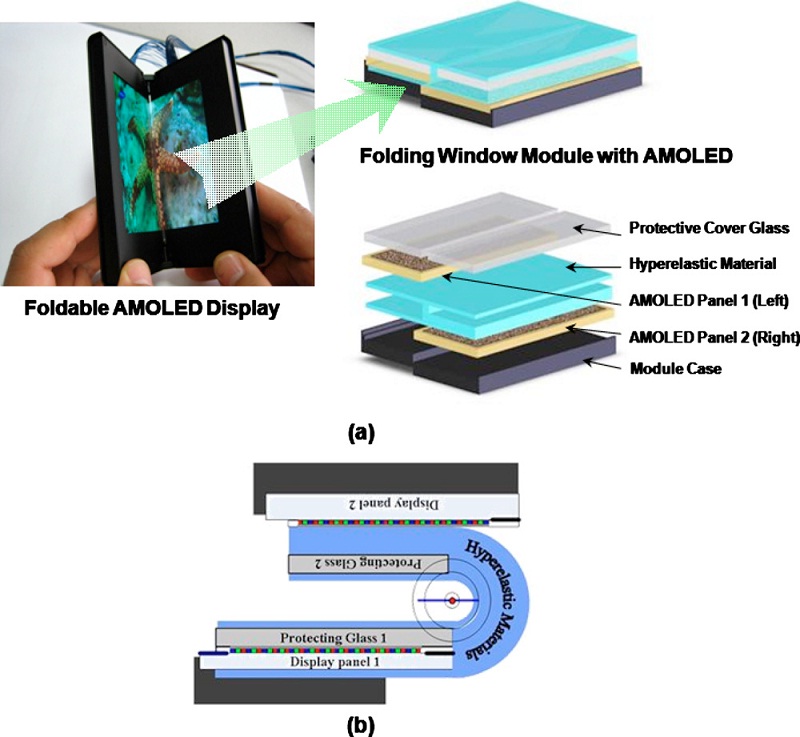
Depending on the display architecture and application requirements, manufacturers select different optical bonding materials. Each system offers distinct advantages in terms of optical performance, mechanical durability, manufacturing processes, and long-term reliability.
Optically Clear Adhesive (OCA)
OCA is the most widely used optical bonding material for flat AMOLED displays due to its excellent stability, clean lamination process, and suitability for high-volume manufacturing.
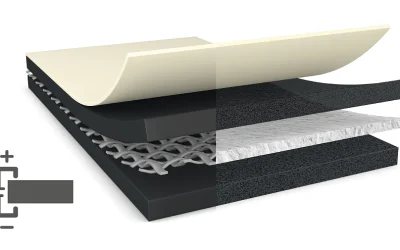
A typical OCA sheet consists of an optically clear adhesive layer sandwiched between two release liners, which protect the adhesive from contamination and deformation during transportation and processing. For certain specialized applications, an ultra-thin PET carrier film may be incorporated to improve dimensional stability and reduce thermal expansion.
Acrylic-based OCA is the most commonly used because it provides high optical transmittance, excellent resistance to yellowing, and a refractive index closely matched to that of glass. Silicone-based OCA, on the other hand, is better suited for demanding operating environments thanks to its superior heat resistance, long-term aging performance, and vibration damping characteristics, although it typically requires more stringent surface preparation before lamination.
Some next-generation OCA products also incorporate UV-curable technology, commonly referred to as UV-OCA or Solid Curable Adhesive (SCA). Before curing, the adhesive remains sufficiently soft to conform to surface irregularities such as the ink step created by the Black Matrix. After lamination, UV exposure initiates polymer crosslinking, significantly improving the mechanical strength and structural stability of the bonded display assembly.
Liquid Optical Adhesives (LOCA/OCR)
Compared with OCA, Liquid Optically Clear Adhesive (LOCA) and Optically Clear Resin (OCR) offer superior conformity to curved surfaces, edge-curved displays, and other complex geometries.
The primary technical challenge of these materials is polymerization shrinkage during curing. If excessive residual stress develops, the AMOLED panel may deform, leading to display defects such as Mura. To address this issue, many modern LOCA systems employ dual-cure technology, combining UV curing with thermal or moisture curing to ensure complete polymerization, even in shadowed areas where UV light cannot effectively reach, such as beneath the Black Matrix.
LOCA viscosity is also carefully engineered for automated dispensing systems, allowing the material to self-level, spread uniformly across the bonding surface, and minimize air entrapment during lamination.
Optical Elastic Resin (SVR)
SVR (Optical Elastic Resin) represents a newer generation of optical bonding materials that combines the advantages of both OCA and LOCA. The material is initially coated onto the substrate in liquid form and then partially cured to produce a viscoelastic layer with handling characteristics similar to those of a pressure-sensitive adhesive film.
Because much of the curing shrinkage occurs before the material is laminated to the AMOLED panel, residual stress is significantly reduced, lowering the likelihood of Mura defects.
For advanced display designs featuring hole-punch cutouts, rounded corners, or ultra-narrow bezels, Jettable SVR (jSVR) enables the material to be deposited directly using precision jet dispensing. This approach provides more accurate control over adhesive volume and flow than conventional coating methods.
Technical Requirements for AMOLED Bonding Materials
Compared with LCDs, AMOLED displays are more sensitive to chemical contamination, ultraviolet radiation, and electromagnetic interference. Consequently, bonding materials must satisfy a wide range of demanding technical requirements.
The adhesive formulation must be free of corrosive substances that could damage conductive materials such as ITO, metal mesh, or silver nanowire electrodes. At the same time, many advanced optical adhesives incorporate UV-absorbing functionality to protect the organic layers within the display from long-term UV degradation while maintaining high optical transmittance.
In addition, the dielectric constant of the adhesive must be carefully optimized for each bonding interface to ensure stable touch sensing performance and minimize electromagnetic interference during device operation.
Bonding Materials for Foldable AMOLED Displays
For foldable and flexible AMOLED displays, the adhesive functions as more than a bonding medium—it is an integral part of the display’s mechanical design.
Specialized low-modulus adhesives are engineered to accommodate repeated deformation during continuous folding and unfolding. Their viscoelastic behavior allows them to dissipate mechanical stress during bending while rapidly recovering their original shape once the display is unfolded.
By carefully controlling the thickness and stiffness of each adhesive layer within the display stack, engineers can precisely position the Neutral Mechanical Plane (NMP). This is a key design strategy for minimizing strain in mechanically fragile layers, such as the Thin-Film Encapsulation (TFE) layer and Thin-Film Transistor (TFT)backplane, thereby improving the display’s durability over hundreds of thousands of folding cycles.
Quick Selection Guide
Overall Comparison of Optical Bonding Material Formats (OCA, LOCA/OCR, and Hybrid SVR)
| Comparison Criteria | Optically Clear Adhesive (OCA) | Liquid Optical Adhesive (LOCA/OCR) | Hybrid Optical Elastic Resin (Hybrid SVR) |
|---|---|---|---|
| Physical Form | Pre-formed solid adhesive film | Liquid resin | Liquid during coating, partially cured into a semi-solid pressure-sensitive adhesive (PSA) layer |
| Assembly Process | Roller lamination or vacuum lamination | Automated dispensing followed by UV and/or thermal curing | Slit coating, UV pre-curing, then film-like lamination |
| Conformability to Ink-Step | Moderate; best suited for relatively flat surfaces | Excellent; readily fills thick ink steps and curved surfaces | High; flows well before UV activation |
| Curing Shrinkage | None (fully cured during manufacturing) | High (typically 1.5–3.5%), which can introduce residual stress | Extremely low during final lamination |
| Process Speed (Takt Time) | Fast; no post-lamination curing required | Slower due to dispensing and curing processes | Medium to high |
| Rework Capability | Good; can be removed before final thermal lamination | Very limited after UV curing | Good; removable before final curing |
| Best-Suited Applications | High-volume flat smartphones and tablets | Curved displays, large-format displays, automotive and military applications | Stress-sensitive AMOLED displays and irregular display geometries |
| Equipment Investment | Lower; primarily laminators | Higher; requires precision dispensing systems and UV curing equipment | Higher; requires precision coating and pre-curing systems |
Polymer Chemistry Comparison (Acrylic vs. Silicone)
In addition to material format (film or liquid), the polymer chemistry also plays a key role in determining long-term durability and environmental performance.
| Comparison Criteria | Acrylic-Based Adhesive | Silicone-Based Adhesive |
|---|---|---|
| Optical Transmittance | Extremely high (>99%) | Excellent, with outstanding long-term optical clarity |
| Operating Temperature Range | -40°C to +85°C | -55°C to +150°C |
| UV / Yellowing Resistance | Good; outdoor applications typically require specialized formulations | Excellent; highly resistant to UV-induced degradation |
| Mechanical Characteristics | High bond strength and structural stability | Excellent flexibility with superior shock and vibration damping |
| Typical Applications | Consumer electronics and commercial medical devices | Aerospace, defense, and premium automotive displays |
Recommended Solutions by AMOLED Display Design
Depending on the display architecture, the following recommendations can serve as a quick selection guide:
- Standard flat displays: Acrylic-based OCA is generally the preferred choice for cost-effective, high-volume production.
- Curved (edge) displays: LOCA/OCR or Hybrid SVR is recommended to ensure complete coverage of curved surfaces without air entrapment.
- Stress-sensitive AMOLED displays (prone to Mura defects): Hybrid SVR or UV-OCA helps minimize curing-induced stress and protect the organic display layers.
- Foldable displays: Specialized ultra-low-modulus OCA products (such as the 3M CEF35 series) are designed to accommodate layer movement and reduce shear stress during repeated folding.
- Displays with pronounced ink-step structures: OCR is preferred because it can effectively fill the step profile, minimizing the risk of air bubble formation over time.
Ultimately, selecting the right bonding solution involves more than comparing material costs. Manufacturers must also consider production yield, long-term product reliability, and the overall warranty cost throughout the product lifecycle.
Industrial Applications
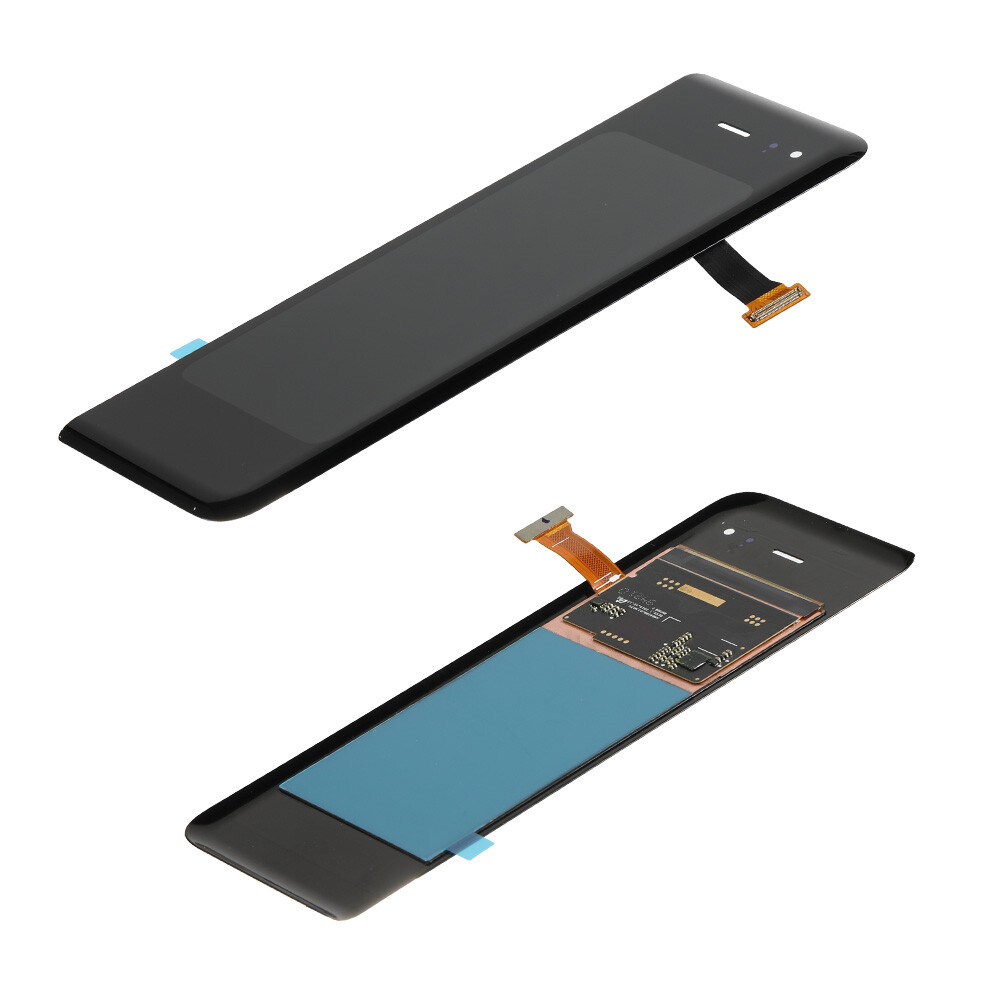
Thanks to their ability to enhance display performance, improve durability, and increase product reliability, AMOLED optical bonding solutions are widely used across industries where display quality and long-term stability are critical.
Automotive Industry
AMOLED displays are increasingly being adopted for center information displays, digital instrument clusters, and in-vehicle infotainment systems, particularly in curved and large-format designs. Optical bonding minimizes surface reflections under direct sunlight, improves display readability for drivers, and enhances bond durability under continuous vibration, elevated temperatures, and constantly changing environmental conditions.
Medical Devices
Displays used in patient monitoring systems, diagnostic imaging equipment, and other medical devices require high contrast and consistently reliable image quality. Optical bonding also helps prevent dust and moisture ingress while creating a sealed front surface that can be easily cleaned and disinfected using medical-grade cleaning agents.
Marine and Outdoor Equipment
Devices such as fish finders, marine chartplotters, radar displays, and outdoor industrial equipment often operate in environments exposed to high humidity, salt spray, and frequent temperature fluctuations. Optical bonding reduces the risk of internal condensation while maintaining excellent display visibility under bright ambient light.
Consumer Electronics
Smartphones, foldable smartphones, smartwatches, and tablets are among the most common applications of AMOLED optical bonding technology. In these devices, optically clear adhesives not only enhance display quality but also enable slimmer product designs, improve touch accuracy, and increase durability during everyday use.
Common Defects in AMOLED Bonding
In AMOLED display manufacturing, even a minor deviation during the bonding process can significantly reduce production yield. Most defects arise from the interaction between materials, process parameters, and manufacturing conditions. Understanding their root causes enables manufacturers to select the appropriate bonding materials and optimize the assembly process.
Ink-Step Defect
The Black Matrix printed around the perimeter of the cover glass creates a step height relative to the surrounding surface. If the OCA or optical adhesive film is too stiff, it may fail to conform fully to this transition, leaving microscopic voids.
As the display is exposed to repeated thermal cycles during manufacturing or normal operation, the trapped air within these voids can expand and form air bubbles. To minimize this risk, manufacturers typically use OCA with excellent surface conformability or increase the adhesive thickness to compensate for the height of the ink step.
Stress-Induced Mura
AMOLED displays are highly sensitive to mechanical stress. If the adhesive undergoes excessive curing shrinkage, the resulting tensile stress can deform the display panel and affect luminance uniformity.
This may lead to Mura defects, which appear as non-uniform brightness or irregular blotches across the display, degrading overall image quality. To reduce this risk, manufacturers generally select optical adhesive systems with extremely low curing shrinkage to minimize residual stress after lamination.
Whitening and Yellowing
The optical clarity of the adhesive is critical to display performance. Under prolonged exposure to elevated temperature and humidity, certain acrylic-based adhesives may absorb moisture, leading to whitening or gradual yellowing over time.
Modern optical adhesive formulations are engineered to provide enhanced resistance to moisture, whitening, thermal aging, and UV-induced degradation. As a result, they maintain high optical transmittance, extremely low haze, and consistent display performance throughout the product’s service life.
Recommended Optical Bonding Process for Industrial AMOLED Assembly
Surface Preparation
AMOLED display assembly requires a tightly controlled manufacturing environment to prevent dust and contaminants from compromising display quality. These processes are typically carried out in high-grade cleanroom environments.
Before bonding, both the AMOLED panel and the cover glass are cleaned using deionized (DI) water or isopropyl alcohol (IPA) to remove dust, oils, and other surface contaminants. The surfaces are then treated with plasma or UV-ozone to increase surface energy, allowing the adhesive to wet the substrate more effectively, improve adhesion, and reduce the risk of delamination during service.
Optical Bonding Under Vacuum
For Optically Clear Adhesive (OCA) films, the adhesive is laminated onto the substrate using a precision roller laminator with carefully controlled pressure to ensure a uniform bond-line thickness.
For Liquid Optically Clear Adhesive (LOCA), the material is dispensed by an automated dispensing system following a predefined dispensing pattern. This ensures complete surface coverage while minimizing the formation of air bubbles during the bonding process.
Once the display layers are accurately aligned, lamination is typically performed inside a vacuum chamber under low-pressure conditions. The vacuum environment removes trapped air between the layers, significantly reducing the risk of bubble formation and improving the optical quality of the finished display.
UV Curing and Post-Lamination Bubble Removal
For LOCA-based assemblies, the bonded display is exposed to UV light after lamination to fully cure the adhesive and achieve the designed bond strength.
In many manufacturing lines, the assembled display then undergoes autoclave processing under carefully controlled temperature and pressure conditions. This post-lamination process removes any remaining microbubbles, improves the optical clarity of the adhesive layer, and enhances the overall uniformity of the bonded display structure.
Benefits for Manufacturers
Investing in optical bonding solutions for AMOLED displays delivers more than superior display performance. It also provides significant advantages in manufacturing efficiency, product durability, and lifecycle cost.
Enhanced Display Quality and Product Value
Full optical lamination eliminates the air gap between the cover glass and the display panel, significantly reducing internal reflections while improving contrast. As a result, images appear closer to the surface of the glass, colors look more vivid, and touch interaction feels more direct and responsive.
These improvements enable manufacturers to deliver higher-quality displays that meet the performance expectations of mid-range and premium electronic products.
Improved Energy Efficiency
By reducing internal light reflection, optical bonding improves overall light transmission through the display stack. This allows the display to achieve the same brightness with lower display power consumption, or to deliver higher brightness without increasing power requirements.
For smartphones, tablets, and other portable devices, this contributes to longer battery life and improved energy efficiency.
Greater Durability in Daily Use
Optical adhesives do more than bond display layers together—they also help distribute impact forces when a device is dropped or subjected to mechanical shock. By spreading stress more evenly across the display structure, they reduce the risk of cover glass cracking and interlayer delamination.
The fully bonded structure also limits the ingress of dust and moisture, reducing the likelihood of internal fogging when the device is exposed to changing temperatures or humid environments. This is particularly important for outdoor equipment, industrial devices, and other mission-critical applications.
Lower Maintenance and Warranty Costs
Although optical bonding requires a higher initial investment than conventional edge bonding, it significantly reduces common field failures such as edge delamination, air bubble formation, dust contamination, and moisture ingress.
By improving product reliability from the manufacturing stage, manufacturers can reduce warranty claims, minimize repair costs, and lower the total cost of ownership throughout the product’s service life.