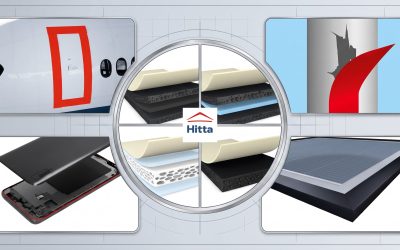
Solution Summary
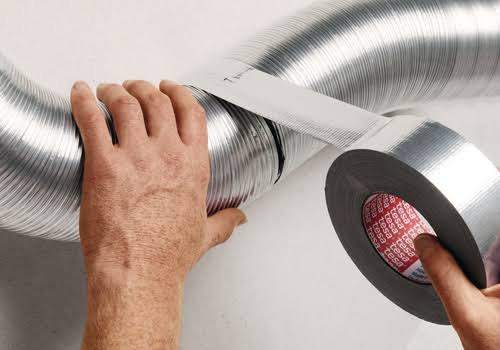
HITTA is an official authorized distributor of tesa in Vietnam, supplying a wide range of premium tesa industrial aluminum tapes for applications in HVAC, insulation, refrigeration equipment, automotive, electronics, and other industrial sectors.
Key Business Benefits of Choosing tesa Aluminum Tape
From an industrial cost management perspective, sealing and bonding materials typically account for a very small share of the initial investment in an HVAC system or insulated piping network, often less than 1%. However, this seemingly small component plays a critical role in controlling heat loss, sealing performance, and the risk of operational disruptions.
A comparison of the two wrapping and sealing approaches is shown below:
| Evaluation Criteria | Traditional Wrapping / Low-Cost Adhesive Solutions | tesa® High-Performance Aluminum Tape |
|---|---|---|
| Initial Material Cost | Low | Reasonable investment based on technical requirements |
| Air & Heat Loss | May increase over time due to aging, peeling, and loss of adhesion | Helps maintain reliable sealing and barrier performance over time |
| Maintenance & Repair Frequency | High, with periodic reinforcement and replacement required | Minimal under standard operating conditions |
| Downtime Risk | Higher risk due to condensation, corrosion under insulation (CUI), and fire-related issues | Reduced through a reliable barrier layer designed to meet relevant standards |
| Life Cycle Cost (LCC) | High, driven by wasted energy and maintenance labor | Optimized through improved energy efficiency and reduced maintenance requirements |
Upgrading to tesa® aluminum tape can help reduce unexpected downtime and optimize the Total Cost of Ownership (TCO) by maintaining consistent mechanical and sealing performance throughout the service life of the application. To fully understand its performance under demanding conditions, it is important to look more closely at the material structure and polymer chemistry behind the product.
tesa® aluminum tape combines a high-quality aluminum backing with a specialized acrylic adhesive system, providing a balanced combination of mechanical strength, adhesion, moisture barrier properties, and temperature resistance for demanding industrial applications.
UL Compliance and High-Temperature Performance
UL Standard Testing
UL (Underwriters Laboratories) is a well-established independent safety certification and testing organization in the United States, evaluating the fire performance, smoke generation, and safety of industrial materials and products.
tesa aluminum tapes meet the following UL standards, depending on the specific product:
- UL 510A (Flame Retardancy): Evaluates the flame-retardant and self-extinguishing properties of technical adhesive tapes. This helps ensure that neither the aluminum backing nor the acrylic adhesive contributes to the spread of fire. tesa® products may also meet DIN 4102 Class B1 and B2 requirements, depending on the product.
- UL 723 (Surface Burning Characteristics): Evaluates the Flame Spread Index (FSI) and Smoke Developed Index (SDI) of materials when exposed to a controlled flame. Compliance with UL 723 indicates that the tape meets specified requirements for surface flame spread and smoke development.
Why Choose tesa Aluminum Tape?
- 8011 Temper O Aluminum Alloy: The soft, flexible aluminum backing features excellent dead-fold properties, making it easy to bend, fold, and conform closely to curved surfaces, corners, and edges without springing back.
- High Material Consistency: Controlled aluminum thickness and mechanical properties help provide consistent strength, thermal performance, and moisture barrier properties across the tape.
- Specialized Acrylic Adhesive: Provides reliable adhesion to a wide range of surfaces, including aluminum, steel, and other industrial materials.
- Aging Resistance: Good resistance to UV exposure, heat, moisture, and industrial environments, making it suitable for applications requiring long-term stability.
- Wide Temperature Range: Depending on the product grade, tesa® aluminum tapes can perform reliably across a broad range of operating temperatures.
- Moisture and Vapor Barrier: The solid aluminum backing forms an effective barrier that helps limit moisture and vapor penetration into insulation and underlying materials.
- Heat Reflection: The aluminum surface reflects thermal radiation and light, making it suitable for thermal insulation and heat management applications.
Depending on the specific product grade, tesa® aluminum tapes can meet requirements related to fire safety, electrical applications, and building materials, including DIN 4102, UL 510A, and UL 723.
With the combination of aluminum flexibility, acrylic adhesive performance, moisture resistance, and temperature resistance, tesa® aluminum tapes are suitable for a wide range of applications in HVAC, insulation, refrigeration, automotive, electronics, and industrial thermal management.
Recommended tesa Aluminum Tape Grades
The following table summarizes the technical specifications of selected tesa® aluminum tape grades, including backing construction, thickness, adhesive type, adhesion, elongation, tensile strength, and available roll sizes.
| Product | Backing / Aluminum Thickness | Total Thickness [µm] | Adhesive | Adhesion to Steel [N/cm] | Elongation at Break [%] | Tensile Strength [N/cm] | Roll Size [m : mm] |
|---|---|---|---|---|---|---|---|
| Linerless Range | |||||||
| tesa® 60630 | Aluminum, 30 µm | 65 | Acrylic | 8 | 3 | 25 | 50 : 25 / 38 / 50 Jumbo: 1500 : 1200 |
| tesa® 60650 | Aluminum, 50 µm | 90 | Acrylic | 9 | 6 | 40 | 50 : 25 / 38 / 50 Jumbo: 1350 : 1200 |
| tesa® 60670 | Aluminum, 75 µm | 125 | Acrylic | 10 | 8 | 60 | 50 : 25 / 38 / 50 Jumbo: 1200 : 1200 |
| White Siliconized Paper Liner, 85 µm | |||||||
| tesa® 60632 | Aluminum, 30 µm | 65 | Acrylic | 8 | 3 | 25 | 50 : 50 / 75 / 100 / 1200 / 1170 (Slitter) Jumbo: 1350 : 1200 |
| tesa® 60652 | Aluminum, 50 µm | 90 | Acrylic | 9 | 6 | 40 | 50 : 50 / 1200 / 1170 (Slitter) Jumbo: 1200 : 1200 |
| tesa® 60672 | Aluminum, 75 µm | 125 | Acrylic | 10 | 8 | 60 | 50 : 50 / 1200 / 1170 (Slitter) Jumbo: 1000 : 1200 |
How to Read the Roll Sizes
50 : 25 / 38 / 50 means a 50-meter-long roll available in widths of 25, 38, or 50 mm. Similarly, Jumbo 1500 : 1200 means a Jumbo roll 1,500 m long and 1,200 mm wide.
A release liner is a paper or film liner that is removed before application. For the linerless range, the adhesive surface is protected by a siliconized release coating within the roll construction. For the white liner range, the paper liner protects the adhesive and makes the tape easier to handle during slitting, cutting, and die-cutting.
How to Choose the Right tesa® Aluminum Tape Grade
The right product can be selected based on the aluminum thickness, mechanical requirements, and application method:
| Application Requirement | Recommended Grade | Key Features |
|---|---|---|
| Curved surfaces, corners, and applications requiring high flexibility | tesa® 60630 / 60632 | 30 µm aluminum, tensile strength 25 N/cm, elongation 3% |
| Standard HVAC and insulation applications | tesa® 60650 / 60652 | 50 µm aluminum, tensile strength 40 N/cm, elongation 6%, adhesion 9 N/cm |
| Applications requiring higher mechanical strength | tesa® 60670 / 60672 | 75 µm aluminum, tensile strength 60 N/cm, elongation 8%, adhesion 10 N/cm |
Choosing Between Linered and Linerless Grades
- Linerless grades (60630, 60650, 60670): Suitable for direct application, especially when fast installation is important on site. No separate release liner needs to be removed during application.
- White 85 µm paper liner grades (60632, 60652, 60672): Better suited for die-cutting, custom shape cutting, slitting, and other converting processes, as the liner protects the adhesive surface during handling and processing.
In summary: If the priority is easy handling and fast application, choose a linerless grade. If the tape needs to be converted into custom shapes or integrated into a manufacturing process, choose a linered grade. Then select 30, 50, or 75 µm according to the required flexibility and mechanical strength of the application.
What Industries Can tesa® Aluminum Tape Be Used In?
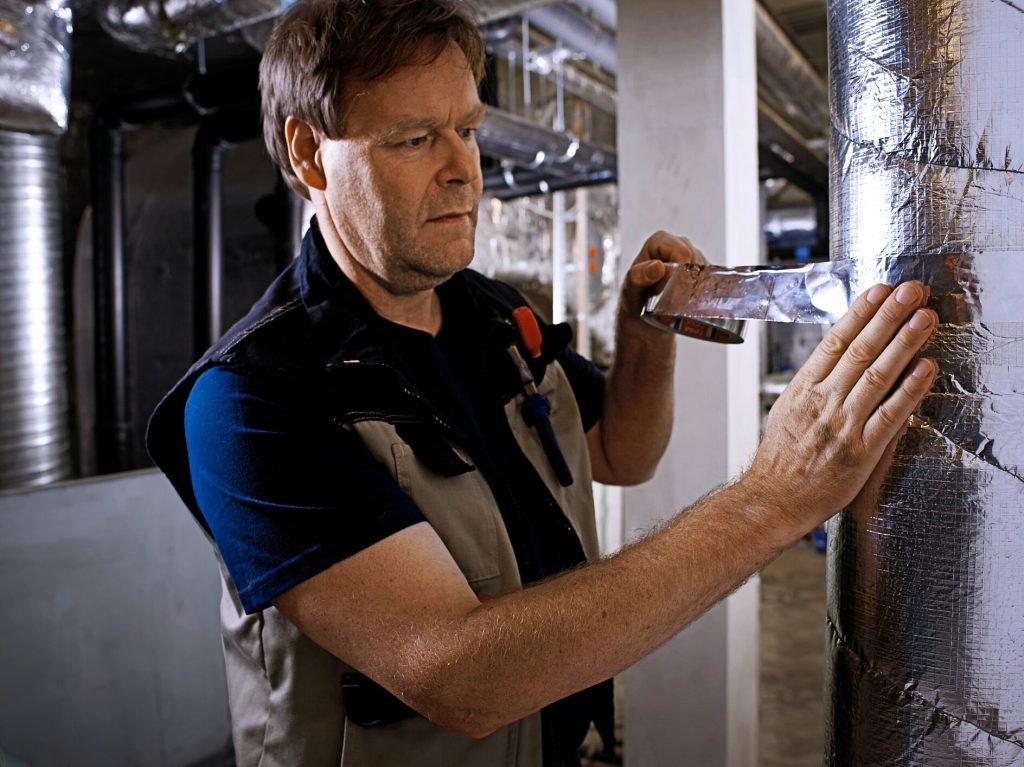
tesa® aluminum tape is widely used across five key industries: HVAC, household refrigeration, metal construction, transportation and vehicle repair, and industrial sealing and protection.
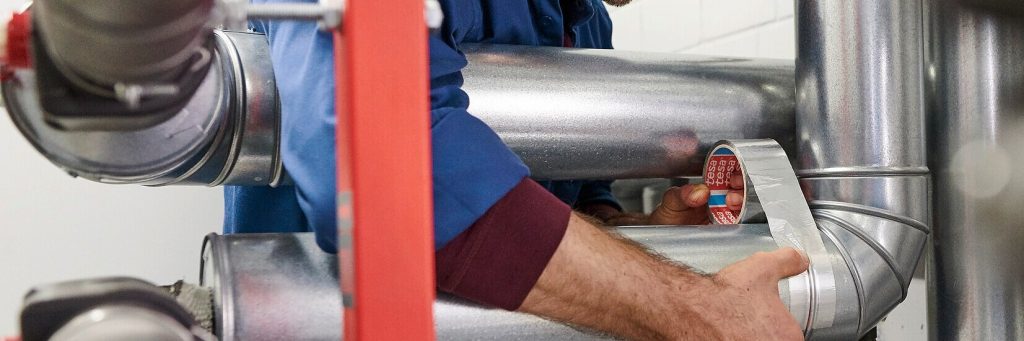
- HVAC: Sealing ductwork and insulated piping.
- Refrigeration: Securing cooling coils to refrigerator and freezer cabinets.
- Construction: Joining insulation membranes and providing moisture protection for building structures.
- Transportation: Repairing and reinforcing panels on trucks, RVs, and trailers.
- General Industry: Sealing and repairing gutters, enhancing electrical and thermal conductivity, and providing heat-reflective surface protection.
Data sheet
Contact HITTA
HITTA provides more than just materials. We work closely with manufacturers to analyze technical requirements and select the right tape for specific substrates, temperatures, environments, and application conditions. With our Tape Converting capabilities, we can customize tapes to meet specific production requirements, including die-cutting, custom sizing, finger-lift tabs, spool winding, and other configurations for manual, semi-automatic, and fully automated assembly processes.
Our technical team supports customers in evaluating key factors such as adhesion, temperature resistance, mechanical strength, moisture resistance, heat reflection, and substrate compatibility. From sample testing and application evaluation to mass production, our goal is to improve application efficiency, enhance joint reliability, and control production costs.
If your business is looking for aluminum tape solutions for HVAC, piping and insulation, refrigeration equipment, automotive thermal management, surface protection and shielding, or other specialized industrial applications, let HITTA help you find a solution that matches your technical requirements and actual production process.
Contact HITTA today for technical consultation and testing of the right aluminum tape solution for your application.
☎️ Hotline: 0565.336.879
✉️ Email: hitta@hitta.vn
The following section provides a more in-depth analysis:
The Shift Toward Aluminum Tape
For decades, the HVAC, construction, and manufacturing industries have relied primarily on traditional sealing methods such as liquid mastic, cloth duct tape, and mechanical sealing compounds. However, these solutions still present several limitations in real-world applications:
- Liquid mastic: Offers good durability but requires curing time and involves multiple application steps. It can be messy to apply and relies heavily on operator skill. Maintaining a consistent adhesive layer thickness can also be difficult.
- Cloth duct tape: Provides good initial adhesion, but the fabric backing and natural rubber adhesive can be affected by temperature, UV exposure, and thermal cycling. Over time, the adhesive may dry out or peel, while the tape itself can crack or break down.
- Mechanical fasteners or welding: Increase installation cost and weight while making it more difficult to maintain an effective moisture and vapor barrier at complex joints.
This is why industrial aluminum tape is increasingly being adopted as an alternative solution. It combines the fast application of pressure-sensitive adhesive (PSA) with the durability and protective properties of an aluminum backing, allowing joints to be sealed immediately after application without waiting for the adhesive to cure. This helps speed up installation while meeting the sealing and durability requirements of industrial applications.
For manufacturers and industrial contractors, aluminum tape is more than just an auxiliary material. It can also contribute to controlling the Total Cost of Ownership (TCO) and help meet applicable safety and building standards.
In building air distribution systems, air leakage can account for 20–30% of total HVAC energy consumption. Using aluminum tape with the appropriate international certifications can help reduce the risk of leakage at joints, protect insulation from moisture and condensation, and consequently reduce the risk of mold growth and structural deterioration.
At the same time, products that meet the relevant standards can help building projects comply with requirements such as UL 181, NFPA 90A, ASTM E84, as well as criteria associated with LEED.
Applications of Aluminum Tape
Sealing and Insulating HVAC Systems and Building Envelopes
In HVAC systems, aluminum tape is used to seal joints in sheet-metal ducts, flexible air ducts, rigid fiberglass panels, and plenums.
- Reducing air leakage: Good adhesion to galvanized steel, aluminum, and insulation materials helps minimize pressure loss and maintain the operating efficiency of fans and ductwork.
- Protecting insulation: When applied to FSK (Foil-Scrim-Kraft) or ASJ (All-Service Jacket) joints on chiller piping and ductwork, aluminum tape creates a continuous seal that helps limit moisture ingress, condensation, and insulation degradation.
Thermal Management in Aerospace and Automotive Applications
In automotive, rail, and aerospace applications, aluminum tape can serve as a flexible heat-reflective and protective layer.
- Protecting heat-sensitive components: Used around wiring harnesses, fuel lines, sensors, and control units located near engines, turbochargers, or exhaust systems. The aluminum backing reflects radiant heat and helps reduce heat transfer to nearby components.
- Reducing condensation on aircraft windows: Aluminum tape can be used as a moisture barrier around double-pane window frames, helping limit moisture ingress and reduce fogging at high operating altitudes.
- Protective masking during paint stripping: In aircraft maintenance, repair, and overhaul (MRO), heavy-duty aluminum tape can be used to mask aluminum alloy and composite components during chemical paint stripping, helping protect surfaces from solvent exposure.
Evaporator Tube Positioning and PU Foam Control in Refrigeration Manufacturing
In the production of refrigerators, freezers, and industrial freezing equipment, aluminum tape is used in various assembly and insulation processes.
- Securing evaporator tubing: Aluminum tape holds aluminum or copper refrigerant tubing tightly against the cabinet surface. The thermal conductivity of the aluminum foil helps distribute heat across the contact area, supporting heat transfer.
- PU foam stop-off: Aluminum tape can be used to seal injection holes and gaps in cabinet panels before polyurethane (PU) foam injection. The aluminum foil can withstand the heat and expansion pressure of the foam, helping prevent foam from escaping and reducing production defects.
EMI/RFI Shielding and Grounding in Electronics Manufacturing
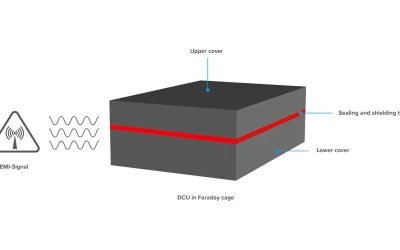
In electronics, telecommunications, and medical equipment, aluminum tape can be used for electromagnetic interference (EMI) and radio-frequency interference (RFI) shielding.
- Component compartment shielding: Aluminum foil can be used to line the inside of plastic housings or electronic compartments, creating a conductive barrier that helps reduce electromagnetic interference entering or escaping the enclosure.
- Understanding electrical conductivity: Aluminum foil itself is electrically conductive, but standard acrylic adhesives are generally not conductive through the Z-axis. For applications requiring electrical grounding through the adhesive layer, a specialized electrically conductive aluminum tape should be used, with a conductive adhesive system containing metallic particles.
Industrial Pipe Jacketing Protection and Chemical Masking
- Protecting chemical and steam piping: Wide aluminum tape, typically 75–100 mm, can be used to seal joints in aluminum or stainless-steel jacketing around insulated pipes. The sealed joints help prevent water and moisture from penetrating the insulation, reducing the risk of corrosion under insulation (CUI).
- Masking in electroplating: Aluminum tape can be used as a masking/stop-off material in certain surface treatment and electroplating processes, providing precise coverage of areas that should remain untreated. Adhesive selection should be based on the specific chemicals, temperature, and exposure time involved.
FSK Reinforcement for Insulation Systems
When an application requires higher tensile strength, tear resistance, and puncture resistance, FSK (Foil-Scrim-Kraft) tape can be a suitable choice.
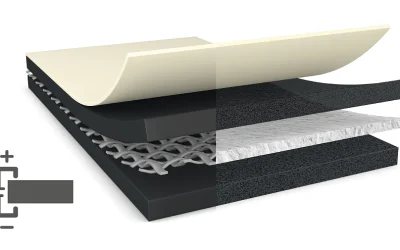
FSK construction typically consists of an outer reflective aluminum foil layer, a fiberglass reinforcement scrim in the middle, and an inner Kraft paper layer. This structure improves mechanical strength, tear resistance, and dimensional stability.
FSK tape is particularly suitable for insulation systems using FSK-faced insulation, providing strong, consistent joints that integrate well with the insulation facing on pipes, ductwork, and HVAC systems.
Multilayer Construction of Aluminum Tape
A standard industrial aluminum tape typically consists of four main layers. Each layer serves a specific function, and the layers are combined through a combination of lamination and specialized adhesive coating processes:
- Aluminum Foil Carrier: The primary structural layer, providing thermal and moisture barrier properties, flame resistance, and light reflectivity.
- Chemical Tie-Layer / Primer: Applied to the aluminum surface to improve interlayer bonding and create a strong interface between the aluminum foil and polymer adhesive.
- Pressure-Sensitive Adhesive (PSA): A key component that largely determines the tape’s adhesion, temperature resistance, chemical resistance, and flexibility.
- Release Liner: Typically silicone-coated paper or film, protecting the adhesive before application and making unwinding, cutting, and application easier.
For some self-wound grades, the back side of the aluminum foil is specially treated to function as a release surface. This eliminates the need for a separate release liner, helping reduce material waste and simplify application.
Mechanical Properties of the Aluminum Foil
The aluminum foil used in high-quality industrial aluminum tapes is typically made from 1000 or 3000 series aluminum alloys and fully annealed to a dead-soft temper. This treatment minimizes work hardening and gives the foil high ductility and a low yield strength, with an ultimate elongation of approximately 3.5–11%.
- Conformability: Soft aluminum foil can conform closely to uneven surfaces, spiral duct seams, rivet heads, and complex corners without excessive rebound or flagging.
- Aluminum Foil Thickness: Depending on the application, foil thickness can range from 1.9 mil (0.05 mm) for applications requiring high flexibility, 2.8–3.0 mil (0.07–0.08 mm) for common HVAC applications, to over 5.0 mil (0.13 mm) for environments requiring higher mechanical impact resistance.
Properties of the Pressure-Sensitive Adhesive (PSA)
Synthetic Acrylic Adhesive
Acrylic adhesives are widely used in industrial aluminum tapes because of their good oxidation resistance, UV resistance, temperature resistance, and moisture resistance. Their cross-linked polymer network helps maintain long-term stability while reducing the risk of drying, embrittlement, or performance degradation over time.
Depending on the formulation, acrylic adhesives can operate continuously across a temperature range of approximately -54°C to 149°C (-65°F to 300°F). Some specialized grades can also be applied at sub-zero temperatures, down to approximately -25°C, while maintaining good adhesion.
High-Temperature Silicone Adhesive
Silicone adhesives are used for applications requiring high-temperature performance and long-term stability. They can maintain adhesion and shear strength across a very wide temperature range, from approximately -54°C to above 316°C (-65°F to >600°F).
When exposed to elevated temperatures continuously, silicone adhesives can thermoset and form a stable elastic network. This allows the tape to remain securely bonded to the substrate without rapid loss of performance.
Synthetic Rubber and Hot-Melt Adhesives
Synthetic rubber and hot-melt adhesives offer high initial tack, making them suitable for a variety of challenging surfaces, while generally costing less than acrylic or silicone systems. However, their typical operating temperature range is more limited, generally around -20°C to 80°C (-4°F to 176°F).
These adhesive systems are also more susceptible to UV exposure and thermal oxidation, making them better suited to applications such as packaging, temporary repairs, or indoor sealing, where high temperature resistance and long-term durability are not critical requirements.
Technical Properties of Aluminum Tape
Thermal Conductivity, Radiant Heat Reflection, and Moisture Resistance
- Heat Transfer and Hot-Spot Dissipation: Aluminum has a high thermal conductivity, allowing the foil layer to act as an effective heat-spreading surface. When applied to localized heat-generating areas, the aluminum foil rapidly transfers heat to the surrounding area, helping reduce hot spots and limit thermal exposure to heat-sensitive components.
- Radiant Heat and Light Reflection: Aluminum surfaces offer high reflectivity for thermal radiation and light, with reflectance potentially reaching approximately 85–95%, depending on the tape construction and surface finish. This property is useful for thermal shielding of wiring and fuel lines in engine compartments, as well as industrial equipment requiring control of radiant heat or light.
- Moisture Barrier: Solid aluminum foil provides an essentially impermeable moisture barrier, helping prevent water vapor from penetrating the underlying materials. According to ASTM D3833 testing, certain aluminum tape constructions can achieve a WVTR of approximately 0.77 g/m²/24 hours (0.05 g/100 in²/24 hours). This moisture barrier performance helps protect insulation, limit condensation, and reduce the risk of mold growth and insulation performance degradation in HVAC and industrial insulation systems.
Fire Resistance, Chemical Resistance, and Surface Corrosion Protection
- Fire Performance: Aluminum is a non-combustible material and does not sustain combustion. When combined with a flame-retardant acrylic or silicone adhesive system, aluminum tape can achieve a Flame Spread Index below 25 and Smoke Developed Index below 50 in accordance with UL 723 / ASTM E84. Certain specialized grades may also meet the vertical burn requirements of FAR 25.853(a) for aerospace applications.
- Corrosion Resistance: When exposed to air, aluminum naturally forms an extremely thin but stable layer of aluminum oxide (Al₂O₃) on its surface. This protective layer helps shield the aluminum from weathering, UV exposure, mild acids, and certain industrial chemicals, contributing to the tape’s durability in demanding environments.
Thanks to the chemical resistance of the aluminum layer, aluminum tape can also be used for masking and surface protection during chemical processing, such as solvent-based paint stripping or electroplating, provided that the tape construction is properly selected for the specific process conditions.
Technical Standards & International Certifications
When selecting aluminum tape for industrial applications, compliance with relevant international standards is an important consideration for ensuring durability, operational safety, and project acceptance requirements.
In addition to UL 723 and DIN 4102 Class B1 & B2, the following standards and requirements should also be considered:
UL 181A-P
UL 181A-P specifies requirements for pressure-sensitive tapes used to seal, join, and secure rigid fibrous glass duct board.
- Construction: The tape must use aluminum or aluminum alloy foil, have a minimum width of 2.5 inches (63.5 mm), and include a protective release liner.
- Mechanical Strength: Minimum machine-direction (MD) tensile strength of >25 lb/in (43.8 N/cm) and minimum 180° peel adhesion of >60 oz/in (6.56 N/cm).
- Durability: The tape must pass testing simulating 50,000 thermal and pressure cycles between -18°C and 74°C, without peeling, cracking, or deformation.
UL 181B-FX
UL 181B-FX applies to tapes used for sealing Class 1 flexible air ducts and their connections.
- Construction: The tape may use aluminum foil, polymer film, or reinforced fabric, with a minimum width of 1.88 inches (48 mm).
- Mechanical Strength: Minimum tensile strength of >17 lb/in (29.8 N/cm) and minimum 180° peel adhesion of >30 oz/in (3.28 N/cm).
- Temperature Resistance: The tape must withstand 60 days of continuous heat aging at 100°C (212°F) without deterioration that would affect its intended use.
UL 181A-P vs. UL 181B-FX
| Parameter | UL 181A-P | UL 181B-FX |
|---|---|---|
| Primary Application | Rigid fibrous glass duct board | Class 1 flexible air ducts and connections |
| Backing Material | Aluminum or aluminum alloy | Aluminum, polymer film, or synthetic fabric |
| Minimum Width | 2.5 in (63.5 mm) | 1.88 in (48 mm) |
| Release Liner | Required | Not required |
| MD Tensile Strength | >25 lb/in (43.8 N/cm) | >17 lb/in (29.8 N/cm) |
| 180° Peel Adhesion | >60 oz/in (6.56 N/cm) | >30 oz/in (3.28 N/cm) |
| Durability Test | 50,000 cycles, -18°C to 74°C | 60-day heat aging at 100°C |
| Mechanical Reinforcement | Can provide independent sealing | Used in combination with mechanical clamps or securing straps |
Note: Some products carry dual UL 181A-P / UL 181B-FX certification, allowing them to be used on both rigid and flexible duct systems when all requirements of the applicable standards are met. This can be a practical option for contractors looking to standardize one tape across multiple applications within the same project.
Fire Safety and Aerospace Standards: UL 723, ASTM E84, FAR 25.853(a)
UL 723 / ASTM E84: These standards evaluate the surface burning characteristics of building materials. For aluminum tape meeting UL 723 Class L, the Flame Spread Index must not exceed 25, while the Smoke Developed Index must not exceed 50. These parameters are particularly relevant when tapes are used in ductwork and building applications where fire and smoke performance are important.
FAR 25.853(a): A U.S. aviation safety requirement for materials used in commercial aircraft cabins. Materials must pass a specified vertical burn test to evaluate their resistance to ignition and flame propagation.
UL 746C: Evaluates the suitability of polymeric materials and adhesive systems for use in electrical equipment, particularly their durability and ability to maintain performance when exposed to heat and electrical stress. This standard helps assess whether materials are suitable for applicable electrical safety requirements in real-world applications.
Technical Application Procedure for Aluminum Tape
The performance of aluminum tape can only be fully realized when the surface is properly prepared and the tape is applied correctly. Factors such as dust, oil and grease, moisture, temperature, and application pressure directly affect adhesion and sealing performance.
Surface Preparation and Cleaning
Pressure-sensitive adhesive (PSA) forms a bond through direct contact between the adhesive layer and the substrate. Dust, oil, grease, moisture, or surface oxides can significantly reduce the effective contact area and adhesive strength.
- Remove dust: Use a soft brush or vacuum cleaner to remove dust and larger particles from the surface.
- Clean with solvent: For routine cleaning, use a lint-free cloth moistened with 70% IPA. For heavily contaminated or greasy surfaces, MEK may be used where permitted by the substrate material and process requirements.
- Allow the surface to dry completely: Wait until the solvent has fully evaporated before application. The surface must be free of solvent residue, water, and condensation.
Application Pressure and Control of Tape Stretch
Acrylic PSA develops adhesion through intimate contact and viscoelastic flow of the adhesive under applied pressure. Proper pressure after application therefore has a direct impact on bonding and sealing performance.
- Use an application tool: Use a squeegee or rubber roller to apply even pressure across the entire tape surface, especially along edges and transition areas.
- Apply sufficient pressure: Pressure helps remove air pockets and improves adhesive contact with surface irregularities and microscopic features of the metal substrate.
- Do not overstretch the aluminum foil: Avoid excessive stretching during application. Residual stress in the aluminum foil can cause the material to recover over time, increasing the risk of edge lifting or adhesive separation.
- Maintain sufficient overlap: For overlapping tape strips or wrapped joints, an overlap of at least 50 mm (2 inches) or approximately 50% of the tape width is recommended, depending on system requirements.
Preventing Edge Lifting and Adhesive Creep
- Edge Lifting / Flagging: This is commonly associated with contaminated surfaces, residual processing fluids such as slitting fluid, low application temperatures, or insufficient application pressure. Clean the surface thoroughly with IPA, apply firm pressure across the entire tape, and follow the manufacturer’s minimum application temperature recommendations. For cold environments, use a tape specifically designed for low-temperature application.
- Adhesive Creep: Because PSAs are viscoelastic, aluminum tape should not be used as a long-term structural load-bearing component. For flexible duct joints or mechanically loaded connections, metal clamps, straps, or other mechanical fastening methods should be used to carry the primary load. The aluminum tape should serve primarily as the sealing and joint-protection layer.
Preventing Galvanic Corrosion Between Dissimilar Metals
When aluminum comes into direct contact with metals having different electrochemical potentials, such as copper, in the presence of moisture, galvanic corrosion may occur. In this situation, the aluminum can act as the preferentially corroding metal, resulting in localized corrosion and reduced tape durability.
Solution: Where direct contact between aluminum and copper may occur in a humid environment, use a dielectric separator or insulating barrier between the two materials to reduce the risk of galvanic coupling.
Safety and Post-Application Material Handling
- Safe cutting and application: The edges of aluminum foil can be sharp after cutting. Operators should wear protective gloves to prevent cuts and abrasions.
- Ventilation when using solvents: When cleaning with IPA or MEK, ensure adequate ventilation and follow the applicable safety instructions for the solvent being used.
- Waste collection: Silicone release liners, roll cores, and excess aluminum tape should be sorted, collected, and disposed of or recycled in accordance with the facility’s environmental requirements.