Summary of Waterproof Tape Solution
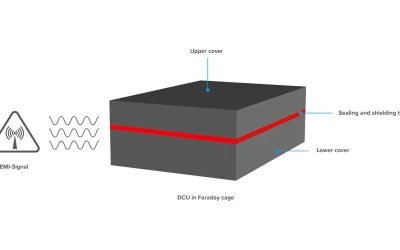
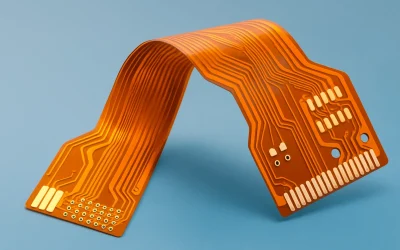
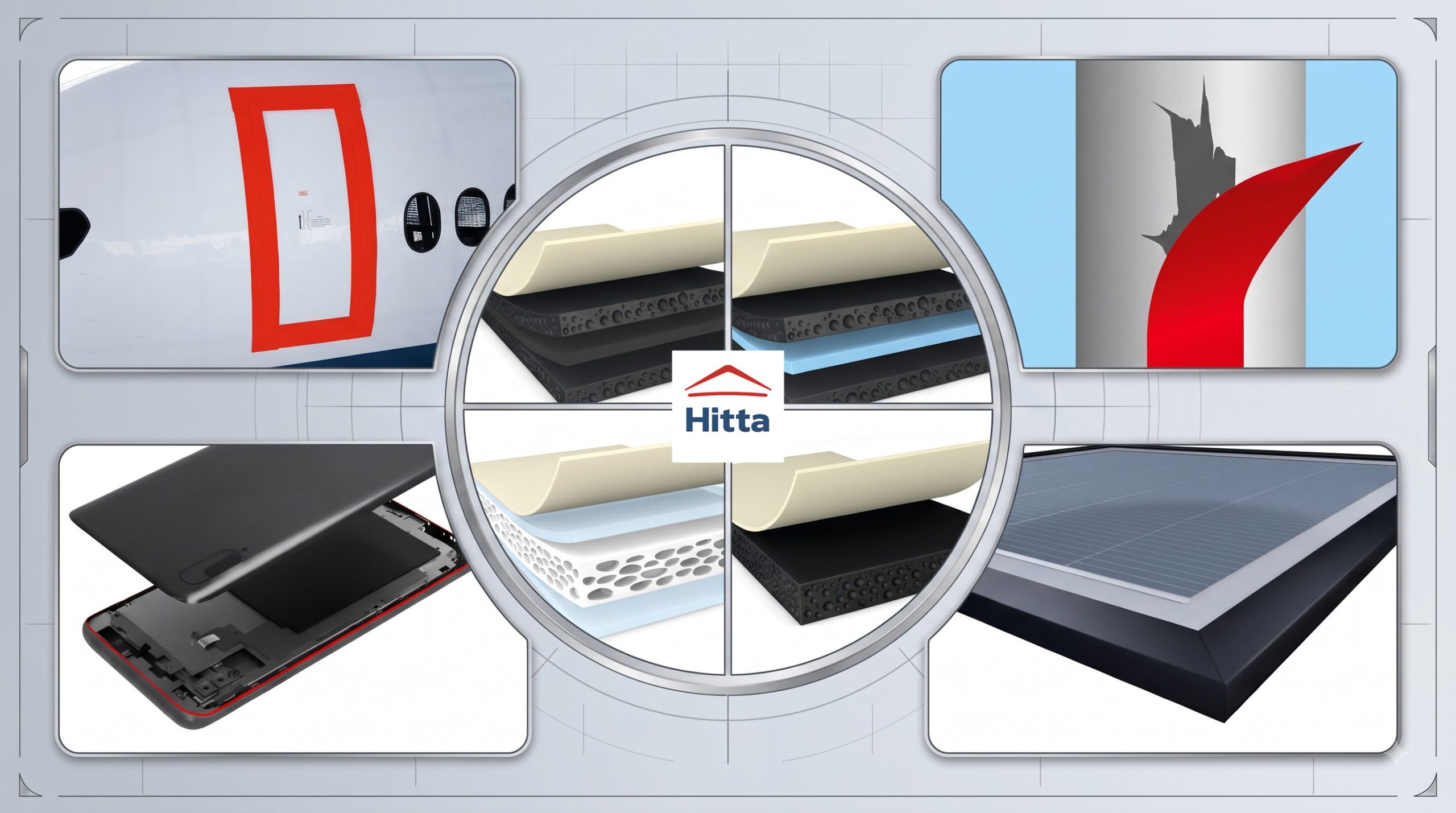
HITTA’s lines of waterproof tape from the tesa brand offer reliable protection in environments where moisture, water, or environmental impacts could affect electronic components and automotive parts. Developed to meet the requirements of each specific application, these products support multiple purposes such as sealing, mounting, masking, protective coating, repairing, and protecting sensitive component assemblies.
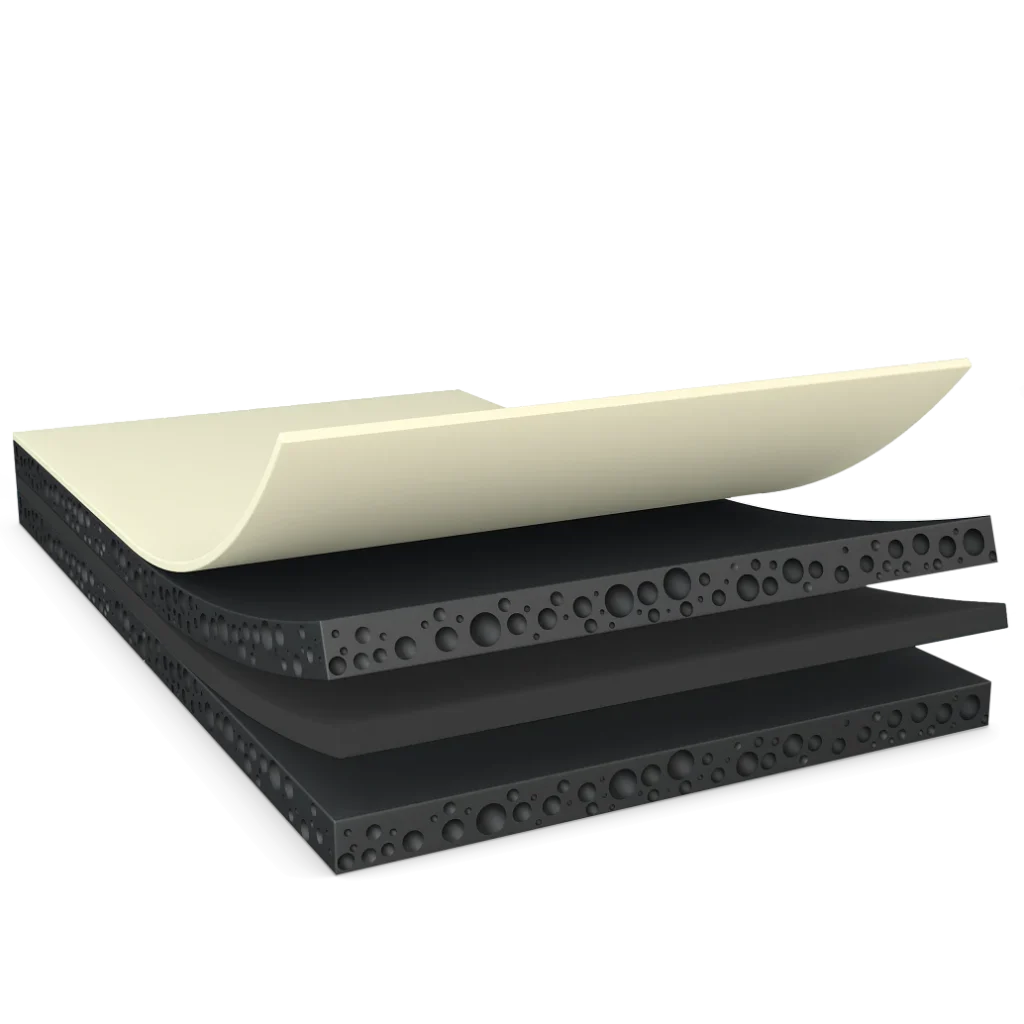
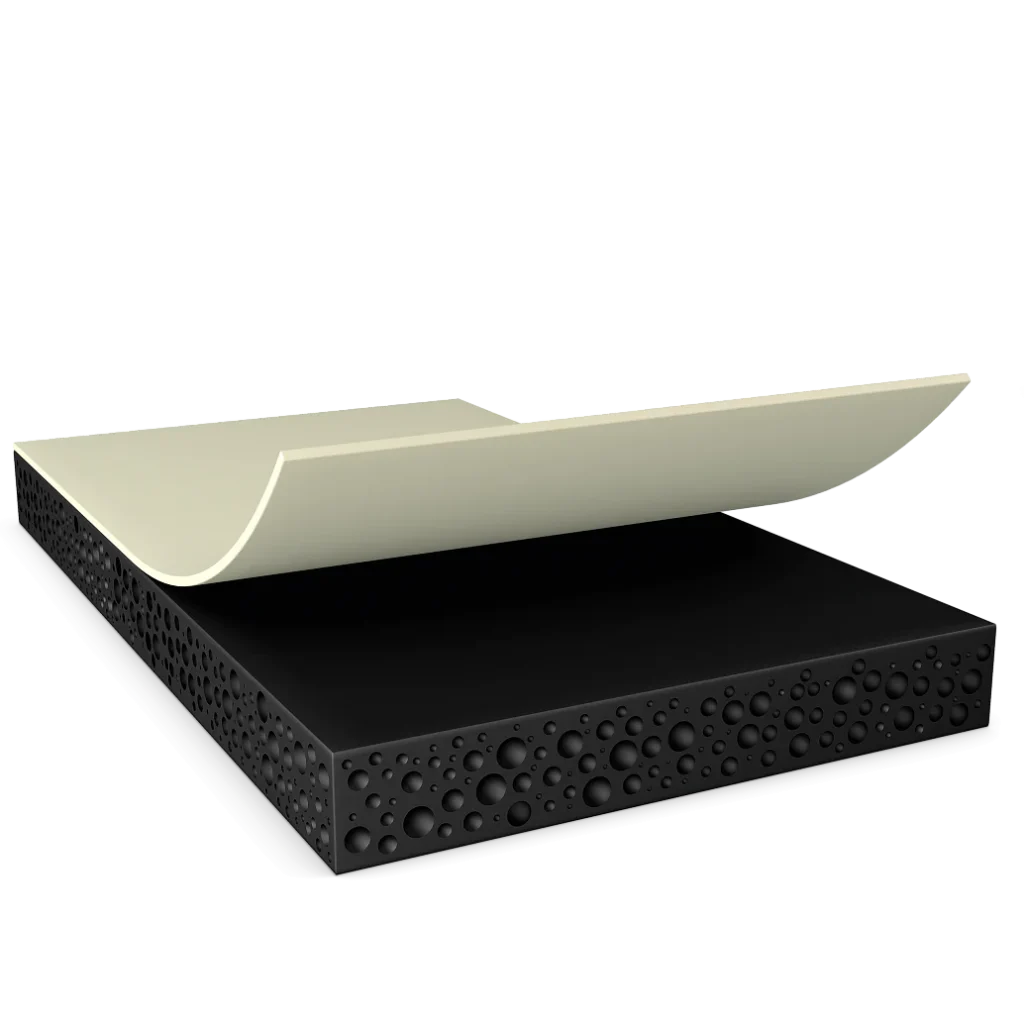
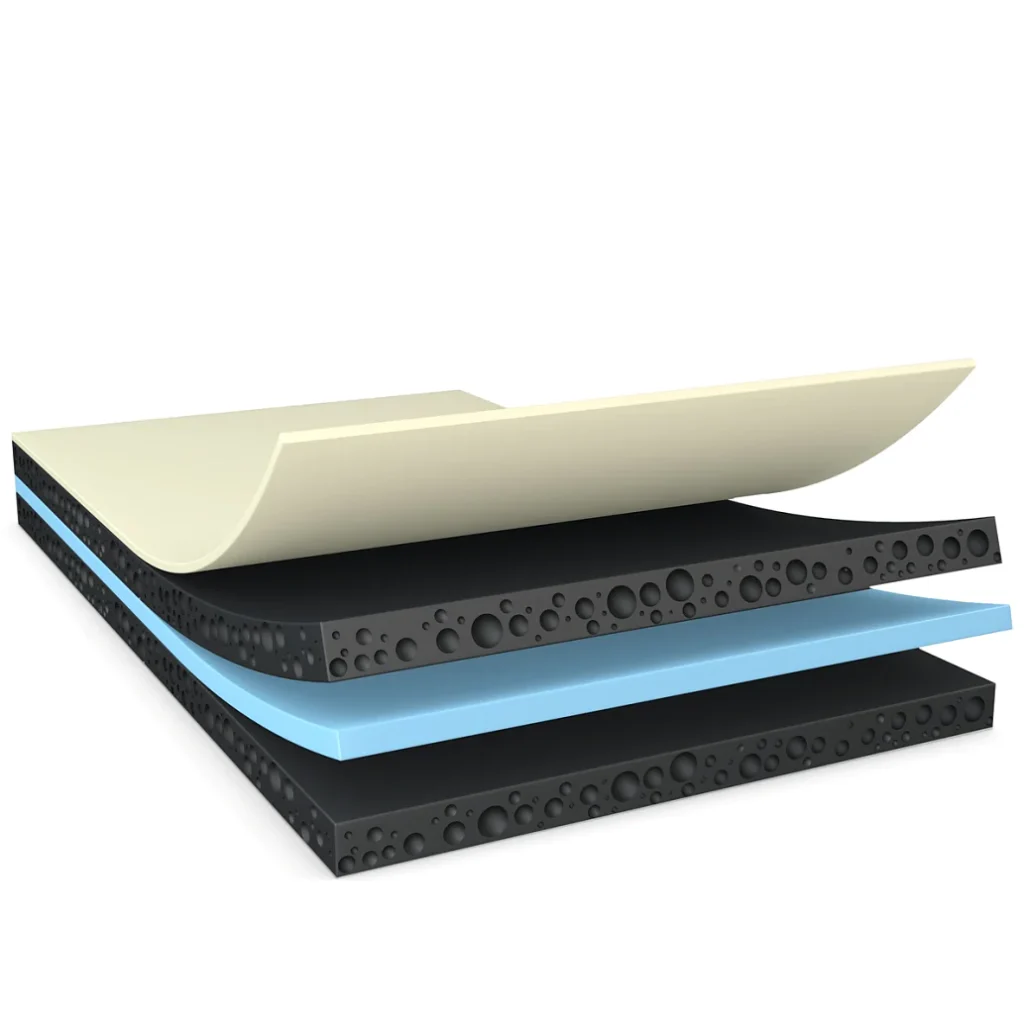
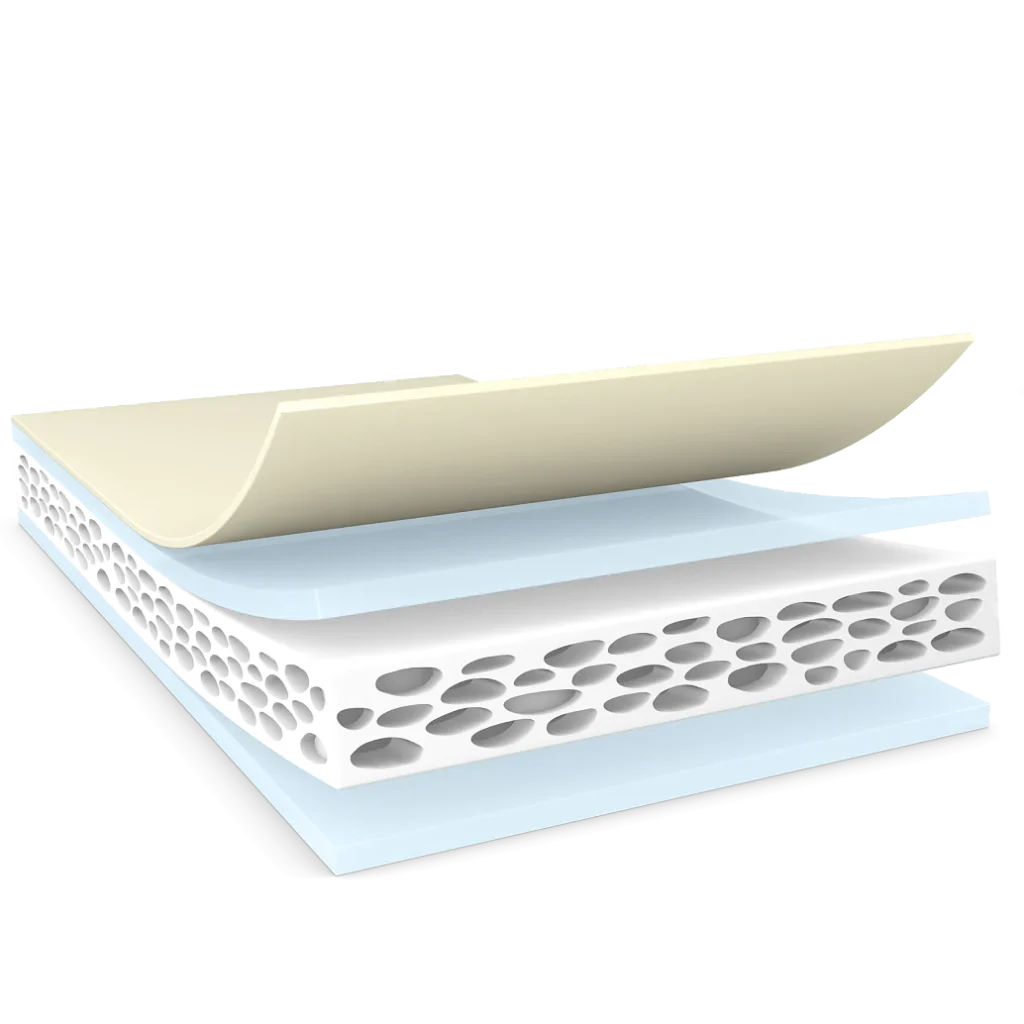
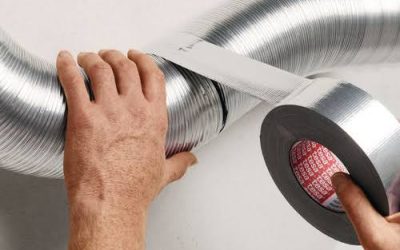
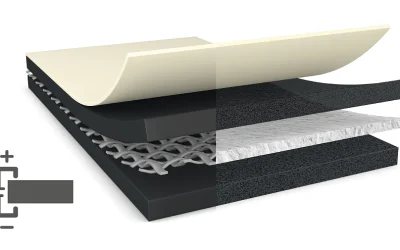
Featuring structures using PE-coated cloth, PVC materials, and high-durability closed-cell foam tape lines, the products maintain strong adhesion across various surfaces such as metal, plastic, glass, painted surfaces, and low surface energy (LSE) materials. Cloth tapes feature high mechanical strength and abrasion resistance, making them ideal for industrial, construction, and converting environments. Meanwhile, acrylic foam tapes offer compressibility and conformability to surfaces, creating highly stable watertight seals particularly suited for compact, high-precision electronic designs.
Engineered to maintain long-term protective performance, waterproof tapes resist UV rays, temperature fluctuations, chemicals, and mechanical stress. Consequently, sealing and bonding performance remains stable throughout the product’s lifespan. This solution is suited for devices such as smartphones, smart wearables, sensor enclosures, controllers, cameras, and automotive battery systems, especially in applications frequently exposed to rain, water splashes, or high humidity.
Depending on operational requirements, businesses can select the appropriate waterproof tape, ranging from ultra-thin foam tapes for precision electronic modules to high-mechanical-strength cloth tapes for automotive and industrial sectors. Choosing the right material not only protects components against moisture and water ingress but also ensures durable bonding in both temporary and permanent applications.
Key Advantages:
- Reliable water resistance and waterproofing.
- Superior sealing performance.
- High adhesion strength.
- Temperature and UV resistance.
- Shock and impact resistance.
- Chemical resistance.
- Excellent conformability and adaptability to surface contours.
Main Applications
Sealing and Waterproofing (Sealing)
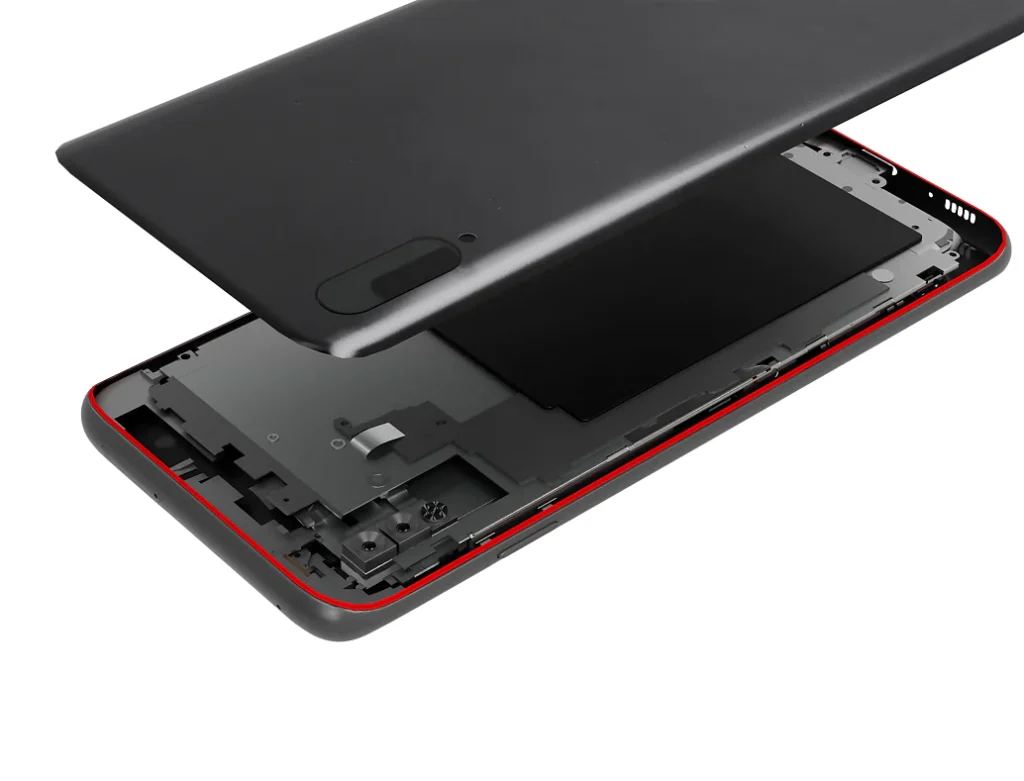
Waterproof tapes are widely utilized in sealing applications, forming airtight and watertight barriers to protect sensitive areas, particularly at:
- Lens and camera modules.
- Interfaces between displays and back covers.
- Speaker and microphone openings.
- Device housing seams and mechanical joint gaps.
- Buttons, connectors, and peripheral port slots.
- Battery edges and interfaces in mobile devices, automotive systems, and industrial equipment.
The tesa® 626XX series features high adhesion strength and a soft, flexible foam structure that absorbs impacts and conforms closely to surfaces while shielding components from moisture and dust. This makes it highly suited for sealing applications in electronic devices, including component mounting and display assembly.
For high-contact or uneven surfaces, tesa® 64701 delivers a flexible waterproof cushion with UV resistance that effectively restricts water ingress.
These tape series maintain durable protection in high-humidity environments, under exposure to sweat and cleaning agents, as well as in applications requiring full water immersion (IPX8). Beyond sealing, they also absorb impacts and keep battery components securely positioned during assembly.
Mounting and Structural Bonding
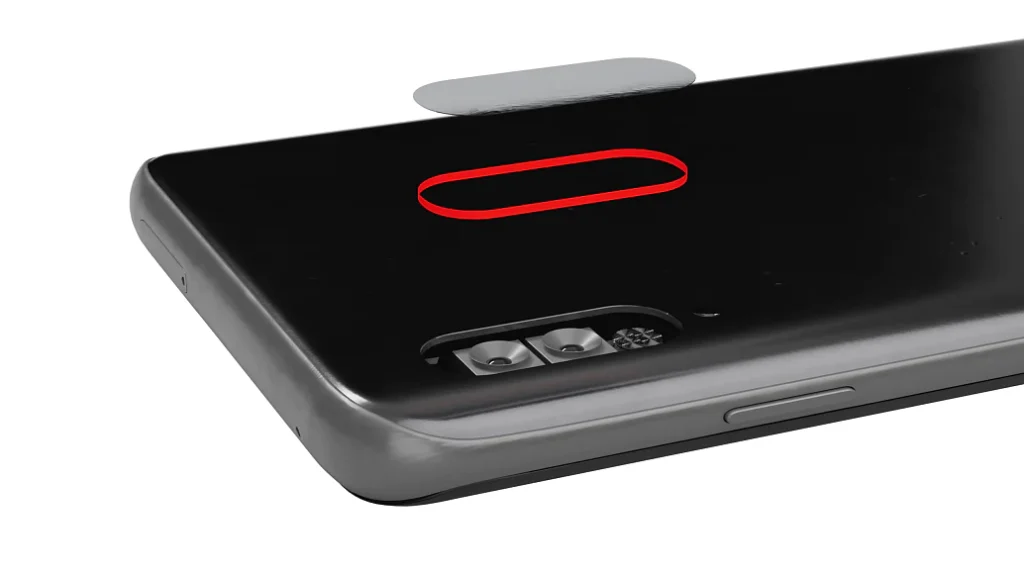
Waterproof tapes serve not only as sealants but are also used to mount and bond components during assembly. Thanks to high adhesion—even on low surface energy (LSE) plastics like PP and PE—they maintain robust bonds against thermal, mechanical, and environmental influences.
Typical applications include:
- Bonding lenses and device back covers.
- Mounting sensors, antennas, and printed circuit boards (PCBs).
- Attaching decorative trims and functional components.
- Structural bonding within compact device housing assemblies.
Product lines such as tesa® 75410 combine high adhesion, impact resistance, and water resistance, making them ideal for assemblies demanding high bond durability, ultra-thin die-cut shapes, and waterproof design requirements.
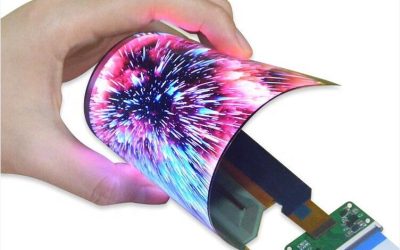
Meanwhile, tesa® 75630 is optimized for assembling displays, touch panels, and flexible OLED screens. It provides excellent impact resistance, ensuring secure bonding even on curved or ultra-thin bezel display designs.
For rough or uneven surfaces, tesa® 62086 assists in gap filling, enhances resistance to edge lifting under applied force, and maintains bond stability. It is well suited for mounting back covers, displays, and other housing parts such as batteries or camera lens modules.
Component and Surface Protection (Protection)
Waterproof tapes function as protective films that mitigate external environmental impacts on components and sub-assemblies. With chemical resistance, mechanical durability, and reliable sealing, they effectively protect:
- Internal modules from water, dust, and corrosion risks.
- Sensors and connectors from harsh environmental influences.
- Edges and surfaces requiring temporary or long-term shielding.
For surface protection, tesa® 4438 is a UV-resistant surface protection tape utilizing a waterproof paper backing combined with an acrylic adhesive. It withstands outdoor conditions for up to 12 weeks, preserving reliable adhesion on both sensitive and rough surfaces. Notably, tesa® 4438 is also suitable for use on water-based acrylic painted surfaces.
It is frequently used for temporary surface protection during industrial manufacturing, transport, and component handling. Its moisture-limiting capability and stable backing help preserve protection integrity, fulfilling requirements in automotive electronics, industrial systems, energy modules, and harsh engineering environments.
Masking During Production (Masking)
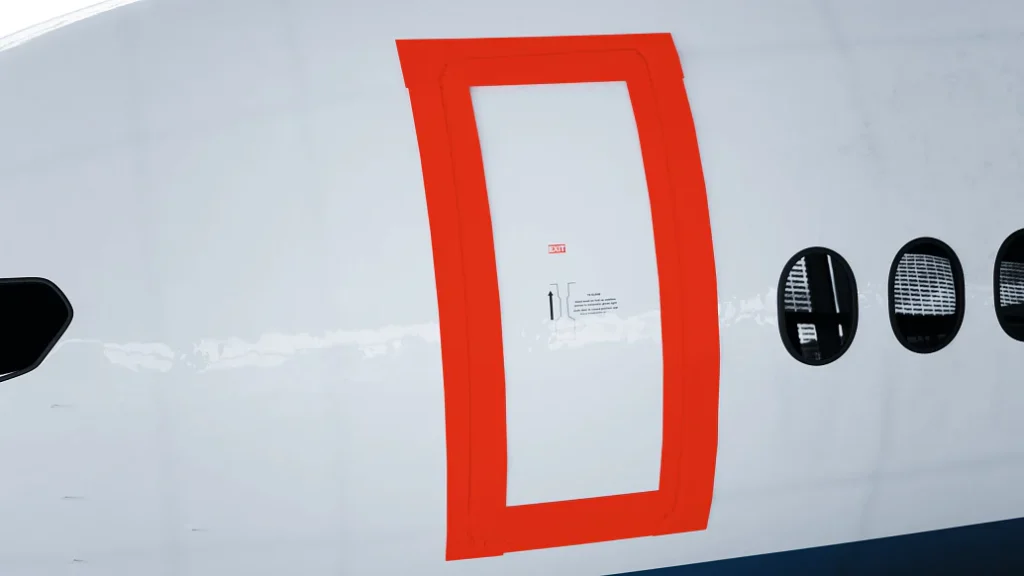
In industrial manufacturing, waterproof tape masks and protects surfaces during steps involving moisture, chemicals, or liquid coatings. Water resistance prevents liquid penetration through the tape layer, safeguarding untreated zones. Common applications include:
- Masking in paint and surface coating lines.
- Protecting non-treatment zones during wet processing operations.
- Surface masking during material handling steps.
tesa® 4439 combines waterproofing with UV and weather resistance, maintaining consistent masking performance even in outdoor or extended applications. High-performance tapes like tesa® 4363 feature a water-resistant backing and enhanced UV resistance, suitable for outdoor plastering and long-term masking. Meanwhile, tesa® 4370 offers high adhesion, UV and water resistance for up to 8 weeks, and removes cleanly without residue. It is an ideal solution for outdoor construction work and surface protection.
Repairing, Covering & Reinforcement

Waterproof tape is also applied across various repair and reinforcement steps, particularly in areas frequently exposed to water or moisture. It supports:
- Waterproof covering of gaps, holes, or surface defects.
- Temporary sealing during equipment testing and diagnostics.
- Reinforcing areas subjected to mechanical stress or vibration.
tesa® 4657 offers high tensile strength, puncture resistance, and reliable adhesion even at elevated temperatures. Its acrylic-coated cloth backing conforms well to surfaces while resisting paint, solvents, abrasion, and water. Hand-tearable for quick handling, it suits temporary or permanent masking, as well as hole covering in automotive and industrial painting processes. Crucially, it can be removed cleanly after exposure to high temperatures.
Additionally, tesa® 4688 is a versatile solution for general repair and masking tasks. Built with a polyethylene (PE)-coated cloth structure, it is easy to handle, widely adaptable, and supplied in multiple colors to meet requirements across diverse work environments.
Contact Information
HITTA provides waterproof tapes and industrial sealing solutions from trusted brands to protect devices against water, moisture, and external environmental impacts. Products are applied to seal joints, gaps, contours, and interfaces between parts, especially in electronic device housings, automotive assemblies, home appliances, and industrial structures.
In practice, waterproofing capability depends not only on the tape itself but also on joint design, surface flatness, gap dimensions, and post-assembly compression force. Therefore, HITTA supports businesses in evaluating the required sealing structure and actual operating conditions to select appropriate materials—ranging from waterproof film tapes and sealing foam tapes to adhesive solutions with matching adhesion and environmental resistance.
Beyond supplying roll-form materials, HITTA possesses Tape Converting capabilities, processing tape into custom die-cut parts or specific assembly shapes such as die-cuts, cut-to-size pieces, custom contours, finger-lift liners, and spool rolls. Pre-converted parts enable precise material positioning, shorten application steps, and support integration into manual, semi-automated, or fully automated production lines.
HITTA’s engineering team works closely with customers during material selection, sample evaluation, and post-assembly seal testing. Depending on application requirements, evaluations focus on real-surface adhesion, gap compensation, elasticity and compression recovery, heat resistance, aging, or water exposure. For assemblies requiring IP protection ratings, effectiveness must be verified on the complete post-assembly structure under defined test conditions rather than relying solely on roll tape properties.
Contact HITTA for consultation, selection, and testing of waterproof tape solutions:
- Hotline: 0565.336.879
- Email: hittajsc@hitta.vn
What is Waterproof Tape?
Waterproof Tape is a sealing material used in industrial and electronic applications to prevent the ingress of water and moisture while providing electrical insulation when technical specifications require it. The product typically consists of a polymer film or elastomeric rubber structure combined with an adhesive layer, or utilizes a self-vulcanizing mechanism to form a protective layer against environmental factors.
While the term waterproof is widely used, industrial water resistance must be evaluated under actual operating conditions—ranging from water splashes and high-pressure water jets to immersion or long-term outdoor exposure.
To select the correct tape, it is essential to distinguish between water-resistant and waterproof:
- Water-resistant tapes: Capable of withstanding light water splashes, humidity, or moisture condensation to a certain extent. Suitable for applications with minimal or brief water exposure.
- Waterproof tapes: Designed to restrict water ingress under specific operational conditions, including frequent water contact or immersion in certain scenarios. Waterproof capability depends on tape structure, substrate material, application method, and operating conditions.
How Does the IP/IPX Standard Evaluate Waterproof Capability?
IEC 60529 is the international standard governing degrees of protection provided by enclosures against the ingress of solid objects and water, expressed as an IP (Ingress Protection) code. This standard applies to complete device enclosures and does not assign individual IP ratings to tape. However, the IP rating helps engineers determine sealing requirements for assemblies utilizing tape.
An IP rating typically comprises two digits:
- First digit: Level of protection against solid foreign objects (e.g., dust).
- Second digit: Level of protection against water ingress. The letter “X” indicates a lack of classification data for that category.
In industrial and electronics manufacturing, sealing tapes, foam tapes, or acrylic foam tapes are used at enclosure joints, connectors, and sensor modules to restrict water ingress. Depending on design, devices may need to satisfy different requirements, from splash resistance to high-pressure water jets or immersion.
Note: Using waterproof tape does not automatically mean the entire device achieves a specific IP rating. Protection capability relies on joint design, contact surface sealing, and workmanship quality.
Specifically, IPX8 applies to protection during continuous immersion under conditions specified by the manufacturer and test standards. Therefore, it should not be assumed that all IPX8-rated devices withstand identical immersion depths or durations.
| Protection Level | IEC 60529 Test Conditions | Real-World Application Significance | Sealing Solutions to Consider |
|---|---|---|---|
| IPX1 – IPX3 | Vertical water drops to water spraying at up to 60° from vertical | Protects devices against dripping water and rain-like spray | PET film tape, PE foam tape, or sealing materials of suitable thickness |
| IPX4 | Water splashing from any direction | Suitable for devices exposed to splashing water, sprays, or normal rain | Closed-cell PE foam tape, acrylic foam tape, and acrylic adhesive sealing solutions |
| IPX5 – IPX6 | Water jets projected by a nozzle from any direction (nozzle diameter and flow rate vary by level) | Protects devices in environments cleaned with water hoses or exposed to strong water jets | Closed-cell foam tape with compression capability to maintain joint tightness |
| IPX7 | Temporary immersion in water under standard test conditions (1 m depth for 30 minutes) | Suitable for devices at risk of short-term flooding or accidental water submersion | Closed-cell PE foam tape, resilient acrylic foam maintaining sealing tightness |
| IPX8 | Continuous immersion in water under conditions more severe than IPX7 (depth and duration agreed between manufacturer and test facility) | Used in devices requiring submersion protection, such as underwater sensors or specialized electronics | Specialized sealing tape systems, typically using closed-cell foam or acrylic foam capable of maintaining seals under pressure |
Note: The materials above are options to consider and do not guarantee automatic IP compliance. Protection capability depends on thickness, compression, adhesion, joint design, and actual test conditions.
In electronics, the difference between IPX4 (splash protection) and IPX8 (continuous immersion protection) is substantial regarding design and sealing stringency. With IPX8, adhesive bonds must not only maintain seals under standard conditions but also withstand hydrostatic pressure during submersion. This demands high performance in adhesion, elasticity, compression recovery, and long-term stability—especially along narrow bondlines or complex housing geometry.
Classification of Core Materials and Adhesive Systems in Waterproofing Solutions
Selecting a waterproof tape involves evaluating core material, foam structure, and adhesive properties alongside adhesion strength. Each material exhibits distinct compression set, elasticity, gap compensation, and environmental resistance.
Polyethylene (PE) Foam Core Tape
Closed-Cell Polyethylene Foam Tape is widely used in electronics, home appliances, and sealed component modules. The closed-cell structure prevents water and moisture from penetrating through the foam core while providing cushioning and compensating for minor surface misalignments.
- Diverse Thicknesses: Available from thin layers of a few hundred micrometers to thicker foam structures.
- Compressibility: Deforms during assembly to create intimate surface contact and seal minor gaps (especially useful for plastic housings and assemblies with tolerances).
- Converting Stability: Cross-linked PE Foam (XLPE) maintains structural integrity, supporting die-cutting, liner peeling, and automated feeding.
- Adhesive Versatility: Can be coated with standard acrylic or modified acrylic adhesives for low-energy surfaces.
Acrylic Foam Core Tape
Used in structural bonding and sealing requiring high adhesion, gap filling, and long-term environmental durability. Unlike tapes with separate PE or PET cores, viscoelastic acrylic tapes feature a homogeneous viscoelastic acrylic structure throughout their thickness, distributing stress evenly and eliminating delamination risks.
- Viscoelastic Structure: Deforms under load and recovers over time, absorbing vibration and reducing stress concentration.
- Gap Compensation: Thicker acrylic foams conform to non-planar surfaces and dimensional variations.
- Environmental Durability: High resistance to UV rays, humidity, and thermal aging for outdoor and industrial applications.
- Load-Bearing Applications: Automotive assembly, appliances, metal structures, and housing covers.
EPDM, PVC, and Neoprene Rubber Foam Tapes
- EPDM Foam (Ethylene Propylene Diene Monomer): Outstanding resistance to weather, ozone, and UV rays. Closed-cell structure seals against water when properly compressed. Ideal for electrical enclosures, outdoor cabinets, and HVAC systems. (Not suitable for petroleum/hydrocarbon solvent contact).
- PVC Foam (Polyvinyl Chloride): Available in various densities and hardness levels for industrial doors, glazing, and equipment housings. Compression set and elastic recovery must be verified for the operating temperature range.
- Neoprene Foam (CR Rubber): Enhanced resistance to oils, greases, and chemicals compared to EPDM. Used in mechanical equipment, engine compartments, and piping systems.
- Technical Comparison Table of Core Materials
| Technical Criteria | Closed-Cell PE Foam Tape | Acrylic Foam Tape | EPDM Foam Tape | PVC Foam Tape | Heat-Activated Film (HAF) |
|---|---|---|---|---|---|
| Material Structure | Closed-cell polyethylene foam | Viscoelastic acrylic polymer / acrylic foam | Closed-cell EPDM rubber | PVC foam | Heat-activated structural adhesive film |
| Compressibility | Good (depends on density/structure) | Good (distributes stress evenly) | Good (high elasticity) | Varies by density and formulation | Low (no gap-filling foam function) |
| Gap Compensation | Suitable for small to medium gaps | Medium to large gaps (by thickness) | Excellent for uneven gaps & rough surfaces | Good (depends on thickness & hardness) | Limited (suited for narrow joint gaps) |
| Damping/Vibration | Good | Excellent (viscoelastic structure) | Good | Fairly good | Limited |
| Weather Resistance | Depends on material grade & adhesive | Excellent across specialized series | Outstanding (ozone & UV resistant) | Depends on formulation | Depends on adhesive system & cure state |
| LSE Surface Adhesion | Depends on acrylic adhesive system | Depends on adhesive formulation | Usually requires matched adhesive | Usually requires matched adhesive | Depends on substrate compatibility |
| Typical Applications | Electronics, enclosures, components | EV battery covers, automotive, metal parts | Outdoor cabinets, HVAC, industrial | Door gaskets, glazing systems, housings | Structural bonding in electronics & industry |
Note: HAF (Heat-Activated Film) is a thermally activated adhesive film used for high structural strength bonds, not a foam core material.
Tape Converting and Application in Automated Production Lines
In industrial production, tape is converted from master rolls into custom shapes and dimensions to ensure precise placement and compatibility with automated lines.
Rotary Die-Cutting & Tolerance Control
Precision electronic seals demand tight tolerances (down to ±0.05 to ±0.10 mm). Multi-Station Rotary Die-Cutting performs continuous processing including positioning hole punching, kiss-cutting, waste matrix stripping, and protective liner lamination.
- Web Tension Control: Crucial for elastic PE or acrylic foam to prevent stretching during feeding and shrinkage post-cutting.
Automated Tape Dispensing with 6-Axis Robots on 3D Surfaces
For large or complex parts (e.g., EV battery enclosures), automated dispensing robots (6-axis or gantry systems) control position, speed, and pressure along predefined 3D pathways. Pressure rollers eliminate wrinkles, twists, and air bubbles along continuous perimeter seals.
Liner Design & Feed Specifications
- Silicone-coated PET Release Liner: High tensile strength, tear resistant, zero paper dust, precise release force control.
- FingerLift / Pull-Tab Design: Extended liner edge or non-adhesive tab allows easy manual or robotic liner removal without touching the adhesive.
Selection Guide and Quality Control of Waterproof Bonding
Surface Preparation
- Cleaning: Use Isopropyl Alcohol (IPA) or an IPA/water mixture. Wipe in one direction with lint-free wipes and allow full solvent evaporation.
- Low Surface Energy (LSE) Treatment: For PP, PE, or EPDM, use dedicated primers or surface treatments like atmospheric plasma or corona discharge to boost surface wetability.
Application Control
- Application Pressure: Use pressure rollers or fixtures to ensure complete adhesive contact without over-compressing the foam.
- Application Temperature: Follow the Technical Data Sheet (TDS) recommendations; cold temperatures reduce wetability, while excessive heat affects stability.
- Dwell Time: Full adhesion strength develops over 24–72 hours at room temperature before water exposure or load testing.
Troubleshooting Common Sealing Deficiencies
| Symptom | Potential Cause | Corrective Action |
|---|---|---|
| Water leakage at adhesive-substrate interface | Contamination/grease; LSE substrate; insufficient pressure | Clean surface; apply primer/plasma; adjust pressure and adhesive match |
| Edge peeling over time | High peel stress at edge; tight bend radius; adhesive mismatch | Redesign bondline path; increase contact area; choose high peel-resistant adhesive |
| Bond line cracking/leakage post-impact | Insufficient material elasticity; bond failure from shock stress | Switch to damping PE/acrylic foam tape; re-evaluate structural design |
| Tape displacement at elevated temperatures | Low shear strength / thermal rating; prolonged load | Select high-temp acrylic adhesive with anti-creep performance; re-evaluate load |
| Air bubbles under tape layer | Uneven pressing; improper tape placement technique | Roll from one end to the other to displace air; control pressure and speed |
Frequently Asked Questions (FAQ)
Q1: Can waterproof tape be used for devices submerged long-term?
- Answer: Yes, provided the material and joint design are specified for continuous immersion. Closed-cell acrylic or PE foam tapes can meet high water-resistance requirements. However, long-term submersion performance (IPX8) must be verified on the complete assembled device under defined test conditions.
Q2: Why is PE foam tape often preferred over thin film tape for waterproofing?
- Answer: PE foam features a closed-cell structure with elastic compressibility, enabling it to conform to surface irregularities, fill tolerance gaps, maintain seal integrity at joints, and absorb shock and vibration. Thin film tapes lack gap compensation capabilities.
Q3: How do I select the proper tape thickness?
- Answer: Determine tape thickness based on the actual post-assembly gap dimension and allowable compression ratio. Ensure the foam is compressed adequately to seal both surfaces without exceeding manufacturer compression limits.
- Example: An initial 2.8 mm tape placed in a 1.0–1.8 mm gap yields a 36–64% compression ratio—this wide variance requires checking material compression curves and adjusting joint gap tolerances.
Q4: Can waterproof tape be removed for internal component repairs?
- Answer: Yes, if designed using Stretch-Release technology, allowing clean removal without leaving adhesive residue. However, not all waterproof tapes are removable. For devices requiring periodic maintenance, replaceable gasket pathways should be designed, and tape must be replaced after disassembly.