Cyanoacrylate, epoxy adhesive, polyurethane adhesive, acrylic structural adhesive, and UV curing adhesive all bond well with composite materials. However, the question arises: when to use which adhesive? The answer depends on the type of composite and desired assembly process along with the bonding requirements of the composite. Below are guidelines for selecting the appropriate adhesive:
- Adhesives for bonding Polypropylene (PP) | Selecting the Right Adhesive Type
- Adhesive for bonding Acrylonitrile Butadiene Styrene (ABS) | Selecting the right adhesive
Epoxy adhesive
Epoxy adhesive is one of the most common types of adhesives. Single-part epoxy adhesive with heat resistance provides high-strength bonds with various composite materials. It is essential to secure components to ensure that the substrate remains accurately aligned while transitioning into the oven and throughout the heat treatment cycle.
Two-part epoxy adhesive at room temperature typically offers more flexibility during the manufacturing process of composite bonding and also provides relatively high strength.
Additionally, there are two-part epoxy adhesives that cure at room temperature and heat to enhance bonding strength.
Modified epoxy adhesives are formulated to provide flexibility and absorb impact between bonded composite pieces.
Acrylic structural adhesive
Both surface-activated acrylic structural adhesive and 1:1 mixed acrylic adhesive are used in composite bonding as they provide exceptionally strong bonds.
Surface-activated acrylic adhesive cures very rapidly, exhibiting high strength and achieving handling strength for composite bonding in less than 4 minutes.
The 1:1 methyl methacrylate mixing ratio provides gap-filling properties applicable for gap filling, ideal for bonding rough surfaces.
Polyurethane adhesive
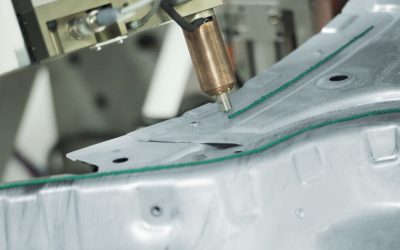
Two-part polyurethane adhesive is highly ideal for bonding large composite assemblies, such as bonding the two shells of a car hood together.
Cyanoacrylate
Cyanoacrylate adhesive, also known as super glue or instant glue, is ideal for creating rapid, strong bonds in applications that do not require high impact or peel resistance. Cyanoacrylate adhesive is also used as an alternative to clamps or fixtures for holding assemblies in place while two-part adhesives with longer curing times bond the composite materials.
UV curing adhesive
UV-curable adhesive is used to bond composites with transparent glass fibers or plastic fibers and is also used to coat composite materials.
Contact Information
Hitta specializes in providing various types of specialized adhesives and tapes for both industrial and commercial sectors. Please feel free to contact us for the most effective solution at the lowest cost:
☎️ Hotline: 090.8611.011 (Mr. Dương).
✉️ Email: hittajsc@hitta.vn
Products:
-
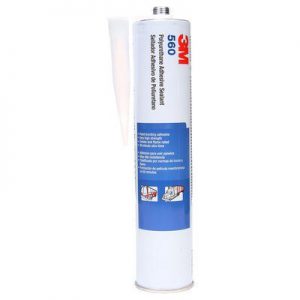 Sealant 3M Polyurethane 560
-
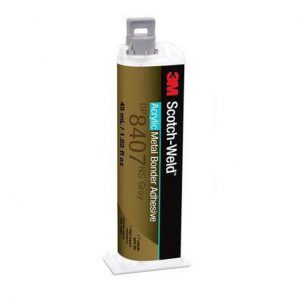 3M DP8407NS Two-Part Acrylic Structural Adhesive for Metal Bonding
-
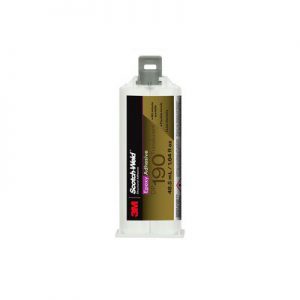 3M DP190 Two-Part Epoxy Structural Adhesive
-
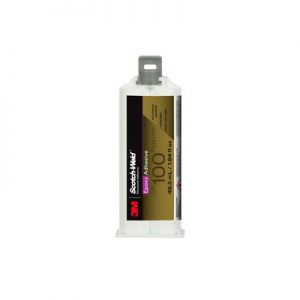 3M DP100 Plus Two-Part Epoxy Structural Adhesive
-
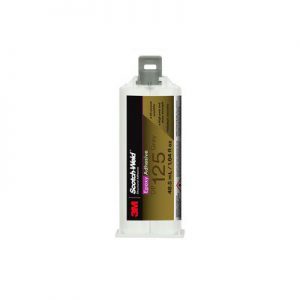 3M DP125 Two-Part Epoxy Structural Adhesive
-
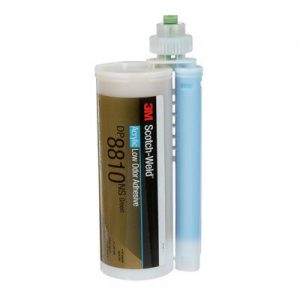 3M DP8810NS Two-Part Acrylic Structural Adhesive
-
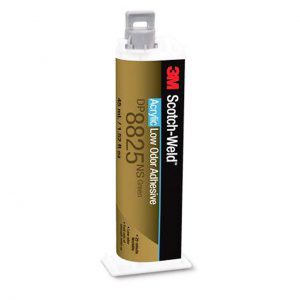 3M DP8825NS Two-Part Acrylic Structural Adhesive
-
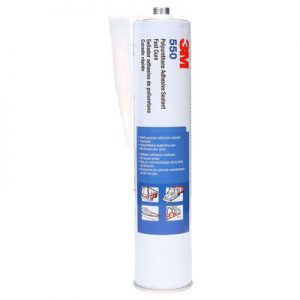 Sealant 3M Polyurethane 550
-
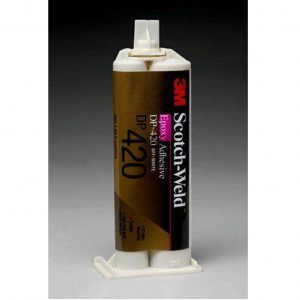 3M Scotch-Weld DP420 Two-Part Epoxy Structural Adhesive