
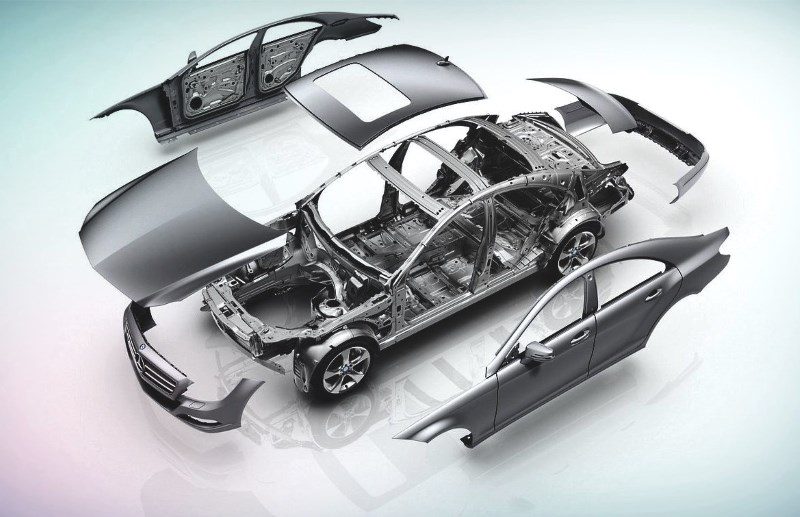
In this article, we provide our readers and customers with an overview of adhesive applications in automotive assembly. For those seeking direct solutions, please visit the following link: Adhesive Solutions for Automotive Assembly.
Trends in Adhesive Applications in Automotive Assembly
Advanced sealants and adhesives in automotive assembly effectively and safely address key applications that traditionally relied on mechanical fastening methods, while offering design freedom for today’s modern vehicles.
Transportation has evolved dramatically over the past century, especially with multi-speed powertrains and the strong shift towards hybrid and electric vehicles—the way we move has changed drastically. Not only have power systems changed, but the structure and finishing of vehicles have as well, including steel body enclosures, windshields, plush interiors, and electronic systems.
Adhesives have also evolved over the past 100 years, both in formulation and application, in automotive assembly in general and passenger vehicles in particular. Advanced sealants and adhesives in automotive assembly effectively and safely solve key applications that traditionally used mechanical fasteners (e.g., rivets, welds, screws, and clips), while adding design freedom to today’s modern vehicles.
The use of adhesives is not a new concept, but their growing use is driving design trends that were unimaginable just 10 years ago. The growth in adhesive use is driven by global megatrends in the ever-changing automotive assembly world.

As illustrated in the image above, it is easy to see that occupants in today’s modern vehicles are surrounded by adhesives. While they are unseen, adhesives are a critical factor in the vehicle’s performance, aesthetics, and comfort.
Adhesives Meeting the New Requirements of the Automotive Assembly Industry
The selection of products and chemistries is based on multiple factors, including the materials to be joined, joint design and assembly method (automated or manual, room temperature or heated dispense), and curing process (heated or cold curing). Additionally, the performance requirements of the adhesive/substrate interface (i.e., the joint) must be determined. Is the function bonding or sealing, rigid or flexible, crash or non-crash, or general assembly? Performance requirements must also be accounted for, whether the adhesive is located in the body structural assembly or in visible panels and hang-on parts, where the joint is intended to be virtually invisible.
Different materials expand and contract at different rates (e.g., aluminum, steel, or carbon fiber). Adhesives can and indeed play a crucial role in compensating for differences in expansion coefficients of materials, and, in effect, can serve as the interface that allows these differentials to coexist. Figure 2 shows a basic breakdown illustrating chemistries and performance parameters with overlaps depending on performance requirements.
Adhesive chemistries include epoxy, polyurethane, methylmethacrylate, rubber-based anti-flutters, PVC, butyl, bitumen, thermoplastics, and in-component manufacturing silicones. Products are chemically cured (i.e., two-component A/B with a base and an activator), “boosted” to ensure faster curing rates (polyurethane), or cured solely by heat or moisture condensation. Adhesives are also rated by modulus-hardness and elongation-flexibility.
Adhesive applications can be categorized by the areas where most of the assembly operations are performed: body shop, paint shop, and trim shop. In addition, multiple sub-assemblies from component suppliers are added at various stations in the process.
Applications in the Body Shop
Hot-cured epoxy technology, widely used in assembly applications at the body shop (body in white, or BIW), is the product of choice and is often applied in conjunction with mechanical fastening. This also applies to hang-on parts such as doors, hoods, and liftgates. A variety of product performance ranges are available, specifically for applications requiring sealing, semi-structural, structural, or crash resistance. These products are tailored to technical specifications, and original equipment manufacturers (OEMs) typically have similar but slightly differing requirements.

Typical Application of Epoxy Adhesive in Body Shop Assembly Process
Additionally, rubber-based anti-flutter adhesives bond large panels, such as roof bows to roof skins and hoods to frames, while providing a firm yet flexible connection to eliminate vibration. BIW adhesives must undergo corrosion testing and meet standards for applications through rigorous tests, including crash testing.
Adhesives also serve to prevent galvanic corrosion between different materials. The application is carried out at component suppliers for hang-on parts and in the production line for BIW completion. Epoxy and rubber-based products cure in ovens after assembly and e-coating.
Adhesives also enhance physical and acoustic comfort in interiors by improving vehicle dynamics and managing acoustic performance behind the scenes. Structural adhesives stiffen the body structure by joining the various components of the Body in White (BIW). Additional opportunities to increase stiffness and safety can be achieved through the selective use of lightweight geometric structural reinforcements as alternatives to heavier metal reinforcements.
Injection-molded fiber-reinforced plastic (FRP) inserts, shaped for cavity placement, can be secured with pre-molded epoxy coatings or body shop adhesives for higher performance. As mass is reduced, these reinforcements compensate for the differences. They are strategically placed through performance modeling and added to strategic nodes to increase rigidity and improve NVH (Noise, Vibration, Harshness) and/or crash performance where needed. Typical crash applications include frontal crashes, side crashes, or roof crushes to prevent impact intrusion into the passenger compartment. This technology approach allows for weight reduction while maintaining or even enhancing the structural integrity and vehicle dynamics.
To further enhance comfort, highly engineered “baffle” products—combinations of Nylon and thermoplastic materials provided as engineered parts or extruded tapes—are added to vehicle body cavities during assembly to block airborne noise paths in the vehicle pillars, along the beltline, and across the entire sill for watertight applications. The thermoplastic material expands in the bake ovens to seal the cavities. To eliminate structure-borne noise, “adhesives” include applications of constrained layer dampers in butyl and bitumen, bitumen damping patches, melt sheets, or liquid-applied coatings known as LASD. Between baffle and damping, applications can be optimized through full vehicle testing in acoustic labs for highly tuned combinations and optimal efficiencies.
Applications in Trim Shop
Direct glazing of glass (e.g., windshields, sidelights, and decorative glass) is also performed during the trim process, typically using one-component polyurethane-based products. The hang-on parts added to the vehicle in the trim shop also benefit from the use of adhesives.
The trend of using larger and more glass elements in vehicles, such as sunroofs and wide-open panoramic roofs (WOPR), combined with new combinations of plastics used in their housings, has led to the development of special chemistries that ensure reliable adhesion. These parts are typically fed to the production line as assemblies but are installed in the trim shop. New high-performance headlamps, tail lamps, spoilers, antennas, and automated sensing door handles are also mounted to the vehicle body here, all benefiting from advanced adhesive use, typically by Tier 1 component manufacturers.
Adhesives also play a crucial role in the development of visible vehicle interiors, enhancing the personal environment while addressing the challenges of combining different materials (e.g., PVC, TPO, and ABS with vinyl, plastic, and leather), providing high-end possibilities not only for luxury vehicles but also bringing a sense of sophistication to all types of vehicles. Thermoplastic coatings, reactive urethanes, and water-based coating products are used to bond door skins, armrests, headliners, consoles, load floors, and steering wheels with materials to create a soft touch for the cabin environment. Additionally, spray adhesives used in flocking applications create soft surfaces for glove box and console compartments, as well as various seals seen in typical openings in the vehicle (e.g., doors and liftgates).
Automobiles Are No Longer Just Mechanics
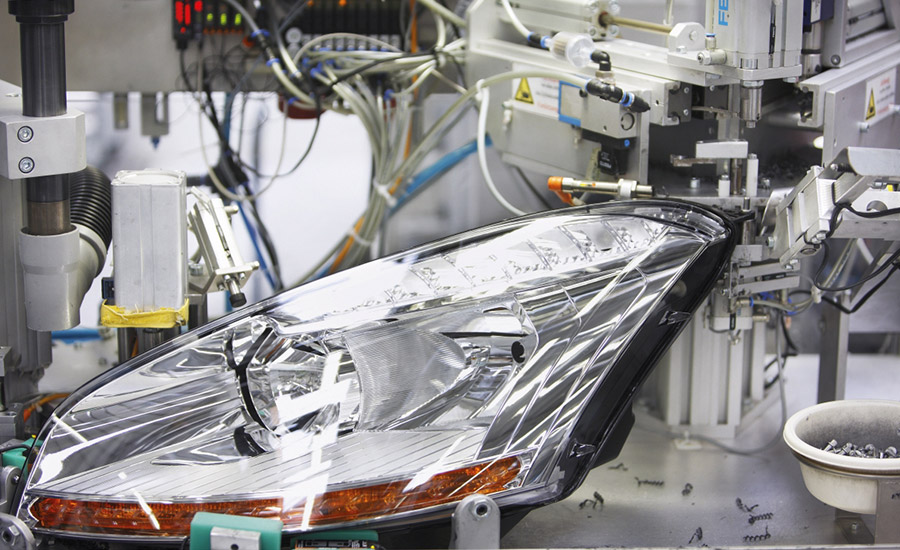
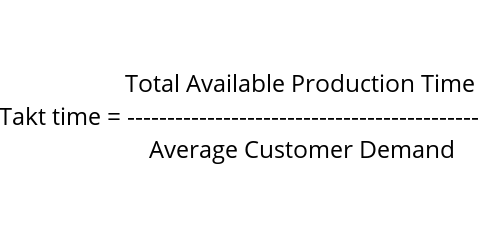
Modern headlamps today require the use of sophisticated adhesives to ensure long-term performance and quick TAKT time testing on the production line.
Looking back over the past few decades, a notable evolution has been the transformation of vehicles integrating computing platforms with high-performance systems. Auxiliary systems such as adaptive cruise control, lane departure warning, backup cameras, automated parking systems, automated braking, traction control, vehicle guidance, infotainment, wireless networking, satellite navigation, and heated accessories like seats and steering wheels have all contributed to the increased use of adhesives in vehicles.
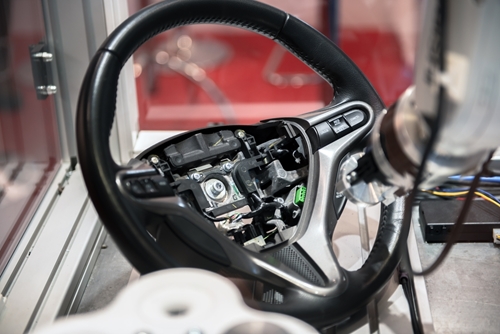
Prominent in these categories are system ECUs, controllers, wiring, sensors, and displays on the dashboard and overhead. We take these systems for granted, but their performance is ensured through encapsulation, potting, bonding, and sealing processes to guarantee long-term durability and performance. Typical chemistries used here include two-component polyurethane, epoxy, and two-component silicone.
The Electric Vehicle Revolution

Electric Vehicle Battery Bonding Solutions
The current trend driving the automotive industry is electric vehicles, and only time will tell if this is truly the future trend or just a temporary surge. The remaining question is how consumers will embrace this shift.
New vehicles depend on reducing body weight to increase range and compensate for the weight of added components. The body structure must accommodate new systems, including batteries, battery packs, electric motors, on-board chargers, and a range of new electronic devices. Additionally, while different, the removal of traditional drivetrain components also simplifies the assembly process.
- Adhesive Solutions for bonding Electric Vehicle (EV) Batteries
- Thermal Interface Materials (TIM) in EV Batteries
The market is now moving towards offering traditional vehicles with electric variants, including hybrid and fully electric versions, or body architectures specially designed for electric-only versions. A further vision in this direction may also include a sled variant and a top-hat design, allowing multiple vehicle models with a common drivetrain/drive module.
In all of these approaches, we can expect that adhesives will remain a key technology for the transition. In fact, there are many opportunities to expand adhesive use, as batteries require both heating and cooling systems to operate at maximum performance; heat is both an enemy and an ally to peak functionality, depending on the geographic locations where the vehicle operates. Furthermore, additional protection will be needed for the battery packs in the event of a collision.
There is no doubt that, regardless of the design approach chosen, functional adhesives provide unique performance characteristics, including fast curing times, thermal conductivity and insulation, as well as fire-resistant adhesives and coatings, and selective reinforcement techniques for battery pack safety. All of these factors will support the implementation of design choices.
The Future of Adhesive Use in the Automotive Industry
The following factors are driving the growth of adhesive applications in automotive assembly:
- Adhesive-based assembly methods in automation help reduce the use of mechanical fasteners and labor costs.
- New product formulations that combine the benefits of existing chemistries, creating improved products.
- The increased use of mixed materials requires special bonding methods to prevent visible adhesive lines.
- On-demand curing technology and quick bonding capabilities similar to spot welding (but more aesthetically pleasing and capable of bonding multiple materials) help improve efficiency.
- Specialty adhesives can also be easily detached for maintenance, especially in electric vehicles.Acoustic solutions for electric vehicles help reduce engine noise and support new sound frequencies.
- Regulations on adhesive ingredients and the growing trend of “odor-free” solutions in Europe and China.
- Adhesive performance simulation in “virtual” analysis helps predict performance and failure before prototype creation.
There is no doubt that the use and versatility of adhesive formulations will continue to grow, supporting the results of the major trends that are continually transforming our industry. The global adhesive supply base is ready to meet the next major design challenges.
Hitta Adhesive Solutions
Hitta specializes in providing specialized adhesives and tapes for both the industrial and commercial sectors. Contact us for the most effective solutions at the lowest cost:
- ☎️ Hotline: 0565.336.879
- ✉️ Email: hittajsc@hitta.vn





