In the era of modern engineering, aluminum and its alloys have become core materials thanks to their outstanding strength-to-weight ratio, excellent thermal conductivity, and corrosion resistance. Among them, anodized aluminum represents a significant advancement in surface protection and aesthetic enhancement. However, integrating anodized aluminum into adhesive bonding assembly processes introduces complex technical challenges that require a deep understanding of surface science and adhesion mechanisms.
This article will provide an in-depth analysis of adhesive solutions for anodized aluminum, from the chemical nature of the surface and optimal surface preparation methods to the selection of suitable adhesive systems to ensure structural integrity in harsh environments.
Contact for consultation
Hitta is currently a provider of a wide range of adhesive and assembly tape solutions from the world’s leading brands. With a technical team possessing extensive hands-on experience across many application fields, we not only supply products but also consult on optimized solutions for existing processes, tailored to each customer’s specific requirements and challenges.
For anti-counterfeit label adhesive applications, we provide two solutions from two of today’s leading adhesive material manufacturers: EverWide & BowTape.
If you are looking for an effective, durable, and reliable bonding solution — let HITTA accompany you from consultation to implementation.
Contact Hitta today for the most suitable solution support.
☎️ Hotline: 0565.336.879
✉️ Email: hittajsc@hitta.vn
The Nature of Anodized Aluminum Surfaces and the Challenge for Adhesive Bonding
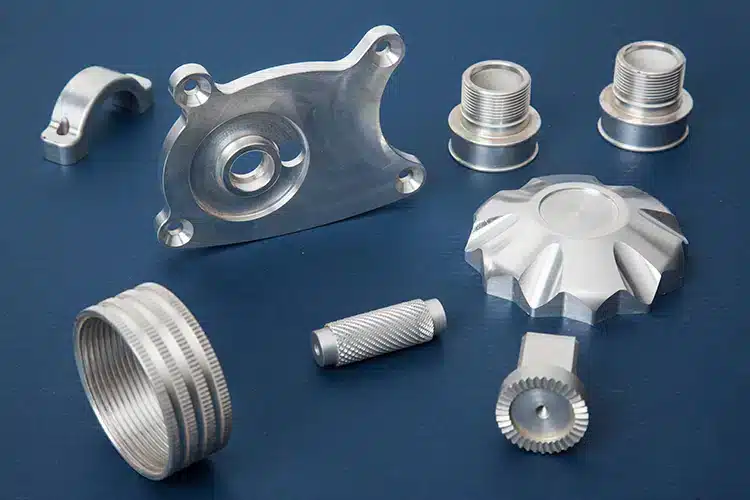
To understand adhesive solutions clearly, it is first necessary to analyze why anodized aluminum differs from raw aluminum or other metals.
Nano-structure of the anodic oxide layer
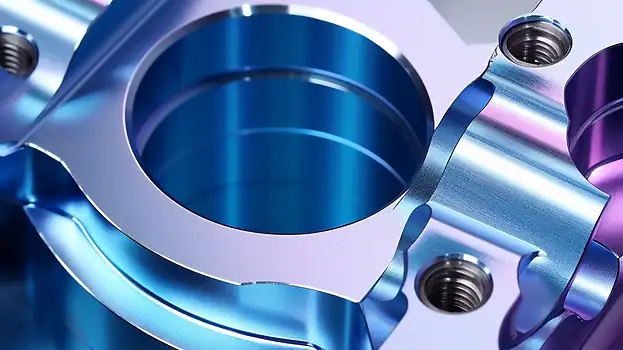
The anodizing process is an electrolytic passivation treatment method used to create a thick and controlled aluminum oxide layer (Al2O3) on the metal surface. This structure consists of a thin barrier layer underneath and an oxide layer above containing a network of microscopic cylindrical pores (with diameters ranging from 10 nm to 20 nm).
In the unsealed state, this porous network acts like a microscopic “Velcro” system, allowing liquid adhesives to deeply penetrate and create an extremely durable mechanical bond.
The Sealing Paradox
Most commercial anodized aluminum undergoes a sealing step after anodizing to fill the pores and prevent corrosive agents from penetrating the surface. This process typically uses high-temperature hot water or chemicals to convert aluminum oxide into boehmite, causing the pore walls to swell until they close completely.
This very step creates a smooth surface with low surface energy (commonly below 36 dynes/cm), comparable to difficult-to-bond polymers such as PTFE. This is the greatest barrier to adhesive wetting, leading to a significant reduction in bond strength if no appropriate surface treatment solution is applied.
Surface Preparation Solutions for Anodized Aluminum
The foundation of every durable bond is surface optimization. For anodized aluminum, the solution goes beyond simple cleaning.
Solvent and chemical cleaning: Every surface must be clean, dry, and free of grease. The industry-standard solution is using a 50:50 mixture of isopropyl alcohol (IPA) and water with the “two-cloth” method: wipe with a solvent-soaked cloth and immediately dry with a clean cloth to remove contaminants before they dry back onto the surface. For new aluminum with minimal oxide buildup, simple wiping with a dry cloth may also be sufficient for certain applications.
Mechanical abrasion: When the oxide layer is too thick or the surface has been sealed, abrasion is necessary to increase surface area and remove weak oxide layers or stubborn contaminants. Methods include sandblasting or sanding with fine-grit sandpaper. This helps expose fresh metal or a more stable oxide structure for adhesive bonding.
Phosphoric Acid Anodizing (PAA): In industries requiring extremely high safety standards, such as aerospace, Phosphoric Acid Anodizing (PAA) is considered the gold standard. This solution creates a thin, stable, and unsealed oxide layer, providing an optimal foundation for structural adhesive systems to deeply penetrate the pores without requiring additional complex surface preparation steps.
Industrial adhesive systems for anodized aluminum bonding applications
Structural Epoxy Adhesive Solutions
Structural epoxy adhesive solutions are considered the gold standard when maximum mechanical load-bearing capability is required for anodized aluminum joints.
Superior performance characteristics
Structural epoxy adhesives stand out due to their powerful load transfer capability and durable performance in harsh environments:
Ultra-high bond strength: These adhesive systems can achieve lap shear strengths of up to 4,500 psi on aluminum surfaces.
Thermal resistance: Structural epoxy bonds maintain strength across a wide temperature range, from -67°F to 350°F (-55°C to 177°C). Some formulations are even designed to withstand paint baking or powder coating processes at temperatures up to 400°F (204°C) for 60 minutes without degrading the joint.
Chemical and environmental resistance: Epoxies exhibit excellent resistance against water, oils, fuels, and industrial solvents. They also provide strong weathering and UV resistance for outdoor applications.
Toughened formulations: To overcome the natural brittleness of epoxy, modern structural systems are often “toughened” to absorb impacts and resist metal fatigue.
Interaction mechanism with anodized aluminum nanostructure
The relationship between epoxy adhesives and anodized aluminum surfaces involves tightly integrated physical and chemical interactions:
Nano-scale mechanical interlocking: When applied to unsealed anodized aluminum surfaces, liquid epoxy wets and penetrates deeply into nano-scale pores (10–20 nm diameter). Upon curing, it forms an extremely durable molecular-scale “Velcro-like” mechanical interlock network.
Challenges from sealing layers: If the anodized aluminum has been sealed using surfactants, the surface energy may drop to very low levels (below 36 dynes/cm), making it difficult for epoxy to wet the surface and significantly reducing adhesion strength.
Chemical bonding: Research indicates that epoxy adhesion is also established through hydroxyl (-OH) groups present on the aluminum oxide surface layer.
Engineering and manufacturing process considerations
The use of structural epoxy requires strict process control:
Surface preparation: This is the critical step. Standard techniques include degreasing, mechanical abrasion, or chemical etching to remove weak oxide layers and create optimal surface area.
Mix ratio and working time: Two-part epoxy systems require precise mix ratios (commonly 1:1 or 2:1). The “work life” is typically around 20 minutes, allowing engineers time to align components before curing begins.
Curing and exothermic reaction: The adhesive reaches handling strength within several hours and fully cures within 24 hours at room temperature. Note that mixing large quantities of epoxy (over 20 g) may trigger a strong exothermic reaction, generating high heat and toxic fumes.
Solutions for enhanced long-term durability
To ensure anodized aluminum joints maintain integrity over time, especially in hot and humid environments:
Corrosion-inhibiting primers: The use of modified epoxy primers is standard practice in the aerospace industry. These primers help prevent oxide hydration (the conversion of aluminum oxide into weak boehmite) and inhibit underfilm corrosion.
Galvanic corrosion prevention: When bonding aluminum to dissimilar metals or using conductive epoxy adhesives (silver-filled systems), insulation or protective plating solutions are required to prevent galvanic cell formation that can corrode the aluminum.
Representative industrial applications
Thanks to the combination of aluminum’s lightweight properties and epoxy’s strength, this solution is widely used in:
Aerospace: Structural assembly of aircraft fuselage components.
Automotive industry: Replacing rivets and spot welding to reduce weight and improve fatigue resistance.
HVAC&R: Replacing copper/aluminum brazing processes in heat exchangers to eliminate thermal stress.
Electronics: Bonding heat sinks, RF module housings, and components requiring high dimensional stability.
Acrylic Adhesive (MMA) Solutions
Structural acrylic adhesive solutions, also known as Methyl Methacrylate (MMA), are a superior bonding choice in industrial assembly applications thanks to their balance between fast curing speed and high mechanical strength.
Unique Technical Characteristics of MMA
Acrylic/MMA adhesives belong to the category of two-component structural adhesives, curing through a free-radical reaction immediately after being mixed through a static mixing nozzle.
“Snap-cure” curing speed: Unlike slow-curing epoxies, MMA reaches handling strength extremely quickly, sometimes within just 3–6 minutes.
Toughness and impact resistance: Modern MMA formulations are often toughened using core-shell technology to absorb impact energy and prevent crack propagation.
Fatigue resistance: MMA can achieve a fatigue limit of up to approximately 50% of its ultimate lap shear strength, significantly higher than rivets, which create stress concentration points.
Outstanding Advantages for Bonding Anodized Aluminum
While epoxy requires strict surface preparation, MMA solutions provide substantial flexibility:
Primerless adhesion: Many MMA adhesive grades are designed to bond directly to aluminum and anodized aluminum without requiring chemical primers.
Tolerance to oily surfaces: MMA can bond through thin residual layers of machining oil or stamping oil remaining on metal surfaces, reducing cleaning steps in production lines.
Compatibility with anodized aluminum: The anodizing process stabilizes the aluminum oxide layer, creating a substrate to which MMA adhesives bond very effectively.
Compensation for thermal expansion: Thanks to better elongation properties than epoxy (up to 50–80% in some grades), MMA helps distribute stresses caused by differences in thermal expansion coefficients when bonding aluminum to materials such as plastics or composites.
Performance in Harsh Environments
MMA adhesive solutions maintain structural integrity even when exposed to environmental stressors:
Heat resistance: Some MMA grades can withstand paint-baking or powder-coating processes at temperatures up to 400°F (204°C) for at least one hour without losing bond strength.
Chemical and salt spray resistance: MMA maintains strong performance in salt spray testing and exposure to industrial chemicals such as diesel fuel or motor oil.
Outdoor durability: These adhesive systems offer excellent UV and oxidation resistance, making them suitable for exterior applications.
Comparison with Other Structural Adhesive Systems
| Property | Epoxy Adhesive | Acrylic Adhesive (MMA) |
|---|---|---|
| Surface preparation | Very demanding | Minimal, bonds over oily surfaces |
| Curing speed | Slow (hours to days) | Very fast (minutes) |
| Rigidity | Very rigid and brittle | Tough and impact-resistant |
| Primer requirement | Usually required | Usually unnecessary |
| Mix ratio sensitivity | Highly sensitive to errors | Tolerates some mix ratio variation |
Implementation Considerations for MMA Solutions
Open time: Due to rapid curing, engineers must carefully calculate the time between adhesive dispensing and clamping components together to ensure the adhesive remains wet and properly wets the surfaces.
Characteristic odor: MMA adhesives often produce a strong odor during application, so adequate ventilation is necessary, or alternatively, low-odor MMA grades specifically designed for such conditions should be selected.
Bond line thickness: The use of microscopic glass beads in MMA adhesives helps maintain a uniform bond line thickness, ensuring optimal shear performance.
MMA adhesive solutions are a key factor in significantly increasing productivity for anodized aluminum manufacturers by eliminating complex surface treatment steps and shortening curing wait times.
Polyurethane (PU) adhesive solutions
Polyurethane (PU) adhesive solutions are an important choice for bonding anodized aluminum, especially excelling in applications that require high elasticity, vibration absorption, and resistance to significant thermal expansion and contraction.
Key performance characteristics of PU adhesives
Polyurethane adhesives stand out thanks to physical properties that compensate for the weaknesses commonly found in rigid adhesives (such as Epoxy):
- Outstanding elongation: PU can stretch significantly, with some specialized grades offering elongation up to 700%, allowing bonded joints to withstand strong structural movement.
- Elasticity and damping: PU adhesives create flexible bonds that help distribute stress and absorb mechanical impacts and vibrations, which is especially important in vehicle assembly.
- Primerless adhesion: On non-porous surfaces such as anodized aluminum, many one-component PU adhesives can achieve good adhesion without requiring complex chemical primer application.
- Water and weather resistance: Once fully cured, PU adhesives offer excellent waterproofing performance and can even withstand immersion in water, making them suitable for outdoor applications.
Common PU adhesive solution types
Depending on the manufacturing process, engineers typically choose one of the following three PU systems:
- One-component PU (Moisture-cure): Cures by reacting with moisture in the air. Examples include elastic adhesives used in large vehicle assembly or construction, providing joint movement capability from +100% to -50%.
- Two-component PU (Structural PU): Cures through a chemical reaction between two mixed components. This type typically provides high Shore D hardness combined with high elongation, ideal for bonding anodized or powder-coated aluminum window frame corners.
- Reactive Hot Melt PU (RHM): This is an optimal time-saving solution. The adhesive is heated to become liquid for application, then achieves immediate “green strength” upon cooling, allowing instant part fixation without prolonged fixturing.
Specialized applications for anodized aluminum
PU adhesive solutions play an irreplaceable role in several industries:
- Thermal barriers: In architecture, PU is poured into hollow sections of extruded aluminum profiles to create insulation layers. Once hardened, it forms an adhesive bond that securely joins the two halves of aluminum window frames together, preventing heat transfer.
- Corner bonding: Uses two-component PU systems with balanced viscosity so they can be injected into access holes within pre-assembled anodized aluminum frame structures, ensuring gap filling and durable bonding.
- Transportation industry: Bonding large aluminum panels onto the frames of buses, trucks, or boats, where flexibility is required to withstand torsional stress and vibration during operation.
Mechanical performance comparison
| Property | Elastic PU Adhesive (e.g., SikaBond) | Structural Epoxy Adhesive |
|---|---|---|
| Shear strength | Low (~225 psi) | Very high (~4,500 psi) |
| Elongation | Very high (>100% – 700%) | Low (~10%) |
| Vibration resistance | Excellent | Limited (prone to fatigue if too brittle) |
| Cure time | Slow (5–7 days for full cure) | Moderate (24 hours) |
Technical considerations for implementation
- Humidity: Since PU adhesives (especially one-component types) are sensitive to moisture, storage and application processes must be tightly controlled to prevent premature curing inside the packaging.
- Surface preparation: Although many types do not require primer, anodized aluminum surfaces must still be clean, dry, and free from oil, grease, or contaminants originating from the pore sealing process.
- Joint design: Because PU has lower shear strength than Epoxy, joint designs should incorporate larger bonding surface areas to ensure adequate overall load-bearing capacity.
Technical tape solutions for anodized aluminum bonding applications
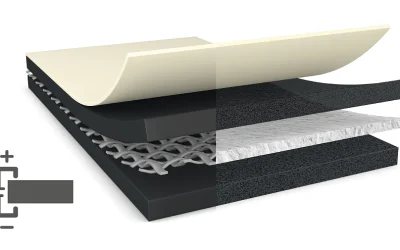
Technical tape solutions, especially acrylic foam tapes, represent a fundamentally different design philosophy compared to liquid adhesives: instead of creating a rigid joint, they focus on viscoelasticity to absorb stress and adapt to environmental conditions.
Adhesion mechanism on anodized aluminum surfaces
Anodized aluminum is classified as a low surface energy (LSE) material, typically below 36 dynes/cm, similar to certain difficult-to-bond plastics.
Challenge: Standard tapes often cannot fully “wet out” the anodized aluminum surface because the sealing layer contains surfactants that create a slippery surface.
Chemical solution: Specialized technical tapes designed specifically for LSE surfaces should be used, or adhesion promoters such as 3M Primer 94 can be applied to temporarily increase surface energy, enabling stronger adhesive bonding.
Outstanding advantages of the viscoelastic structure
Acrylic foam tapes provide benefits that liquid adhesives or rivets cannot offer:
Comprehensive stress distribution: Unlike rivets that concentrate force at a single point, tapes distribute loads evenly across the entire bonded area, helping prevent fatigue and cracking at stress concentration points.
Thermal expansion management (CTE): Aluminum has a high coefficient of thermal expansion. Technical tapes can elongate up to 50% of their thickness, allowing them to absorb differential expansion and contraction between aluminum and other materials (such as glass or plastics) without bond failure.
Vibration damping and noise reduction: The acrylic foam core acts as a micro shock absorber, suppressing vibration and noise in assembled structures such as specialty vehicles or industrial signage.
Performance in manufacturing processes
Using technical tapes helps optimize anodized aluminum assembly lines through:
Instant handling strength: The tape provides immediate part fixation. Although it requires 72 hours to achieve 100% ultimate strength, it can reach 50% strength within 20 minutes, eliminating the need for bulky holding fixtures.
Clean aesthetics: Eliminates weld marks, rivet heads, or adhesive squeeze-out, resulting in smooth finished surfaces for architectural panels.
Heat resistance: Certain technical tape series (such as the GPH series) can withstand temperatures up to 150°C (302°F), allowing bonding before powder coating or thermal curing processes.
Mechanical performance comparison
| Property | Acrylic Foam Tape | Structural Epoxy Adhesive |
|---|---|---|
| Dynamic tensile strength | ~100 psi | ~4,500 psi |
| Shear strength | ~550 kPa on steel | Very high |
| Elasticity | Very high (up to 50% of thickness) | Low (~10%) |
| Processing speed | Instant | Slow (2–24 hours) |
Important implementation considerations
Contact pressure: For optimal performance, approximately 15 psi of pressure should be applied using a roller or specialized tool immediately after bonding to ensure the adhesive penetrates nano-scale surface gaps in the aluminum.
Application temperature: Tape should not be applied when the aluminum surface is below 10°C (50°F), because the adhesive becomes too stiff and cannot flow properly to form an effective bond.
Technical tape solutions are ideal for anodized aluminum applications requiring fast production speed, high aesthetics, and the ability to withstand significant thermal expansion in outdoor environments.
Technical Comparison Table of Industrial Adhesive Solutions
| Technical Characteristic | Structural Epoxy Adhesive Solution | Acrylic (MMA) Adhesive Solution | Polyurethane (PU) Adhesive Solution |
|---|---|---|---|
| Lap Shear Strength | Very high: Typically reaches ~4,500 psi. | High: Reaches ~4,500 psi (depending on the grade, typically from 2,000–4,500 psi). | Low: Typically around ~225 psi. |
| Elongation | Low: Around 10%, with rigid and brittle characteristics. | Medium: From 10% to 50% depending on formulation. | Very high: Usually >100%, with some grades reaching up to 700%. |
| Curing Speed | Slow: 2 hours to achieve handling strength; 24 hours for full cure. | Very fast: Achieves handling strength within 3–22 minutes; rapidly reaches structural strength. | Medium/Slow: 2 hours for skin formation; 5–7 days for full cure (for one-component types). |
| Surface Preparation | Strict: Requires an extremely clean surface, often with abrasion or chemical etching. | Minimal: Capable of strong adhesion on lightly oily surfaces or without primer. | Necessary: Requires clean, dry surfaces; sensitive to moisture during application. |
| Heat Resistance | Best: Maintains bonding from -55°C to 177°C; withstands 204°C paint-bake processes. | Good: Can withstand temperatures up to 204°C for 1 hour (suitable for powder coating processes). | Limited: Typically performs well within -40°C to 77°C. |
| Environmental Resistance | Excellent against chemicals, solvents, and outdoor weathering. | Good resistance to salt spray and industrial chemicals; excellent UV resistance. | Excellent water resistance (can be submerged in water); good vibration and impact resistance. |
Quick Interpretation:
Structural Epoxy Adhesive Solution
Preferred when: Maximum mechanical load-bearing capacity and high joint rigidity are required.
Typical applications: Aircraft structural assembly, automotive manufacturing (replacing rivets), heatsink bonding, RF module housings in electronics, and solar panels.
Acrylic (MMA) Adhesive Solution
Preferred when: Fast production speed (“snap-cure”) and strong adhesion across multiple surface types are needed without extensive surface preparation.
Typical applications: Bonding specialty vehicle components (ambulances, trailers), signage frames, HVAC equipment, and metal office furniture. MMA is especially suitable for bonding aluminum to plastics or composites due to its toughness.
Polyurethane (PU) Adhesive Solution
Preferred when: The joint requires extremely high flexibility to absorb vibration, dampen shock, or compensate for large thermal expansion differences between materials.
Typical applications: Creating thermal barriers for architectural aluminum window frames, bonding large panels on buses/trucks, and construction applications requiring absolute waterproofing.
Technical Comparison Table: Industrial Adhesives & Technical Tapes
| Technical Characteristic | Industrial Adhesive Solution | Technical Tape Solution (Acrylic Foam) |
|---|---|---|
| Mechanical Strength | Very high: Lap shear strength can reach 2,000 to 4,500 psi. | Moderate: Dynamic tensile strength around 100 psi; lower lap shear strength than liquid adhesives. |
| Load Transfer Mechanism | Concentrates force at the joint; optimized for shear and compressive loads. | Stress distribution: Viscoelastic properties evenly distribute loads across the entire bonded surface area. |
| Elasticity & CTE | Varies by chemical system: Epoxy rigid (~10%), MMA medium (~10–50%), PU very high (>100%). | Excellent: Can elongate up to 50% of tape thickness to absorb thermal expansion coefficient (CTE) differences. |
| Processing Speed (Handling) | Slow: Requires several minutes to several hours to achieve handling strength and 24–72 hours for full cure. | Immediate: Provides instant handling strength, reaching 50% bond strength after 20 minutes and 100% after 72 hours. |
| Surface Requirements | Must be clean and dry; some MMA types can bond on lightly oily surfaces. | Highly sensitive to surface energy; often requires primer on anodized aluminum to ensure adhesion. |
| Aesthetic Finish | Possible adhesive squeeze-out or panel distortion caused by exothermic curing heat. | Clean finish: Uniform bond line, no squeeze-out, maintains flat and visually appealing anodized aluminum surfaces. |
When to Choose Structural Adhesive Solutions?
Liquid adhesive solutions (especially Epoxy and MMA) are preferred in applications requiring extremely high load-bearing capability and replacement of traditional mechanical fastening methods:
- Structural assembly: Aircraft fuselage frames, automotive bodies, or marine structures where joints must continuously withstand high mechanical stress.
- Replacing welding/riveting: Eliminates the heat-affected zone (HAZ) from welding, helping prevent aluminum weakening and enabling thinner materials for weight reduction.
- Gap filling: Thixotropic liquid adhesives can fill uneven gaps between extruded aluminum components or parts with large tolerances.
When to Choose Technical Tape Solutions?
Acrylic foam tape is the optimal solution for applications emphasizing production speed, aesthetics, and vibration resistance:
- Bonding dissimilar materials: Bonding anodized aluminum with glass, plastics, or composites thanks to superior thermal expansion absorption without bond cracking.
- Signage and architectural panel production: Provides smooth finished surfaces, eliminating rivet heads or weld marks to enhance product aesthetics.
- Vibration damping & noise reduction: The viscoelastic foam core acts as a micro shock absorber, ideal for bonding panels in specialty vehicles or household appliances.
The choice between adhesive and tape depends on whether you prioritize absolute load-bearing strength or flexibility in design and assembly speed.
Design Techniques for Joints and Stress Management
A successful adhesive solution depends not only on the adhesive itself but also on how the joint is designed.
Transitioning from Mechanical Fastening to Adhesive Bonding
When replacing welding or riveting with adhesives, the contact area must be expanded. Adhesive bonding solutions require overlap between two surfaces to ensure forces are distributed evenly. The use of adhesives also eliminates the heat-affected zone (HAZ) created by welding—which normally weakens aluminum structures—thereby allowing the use of thinner aluminum to reduce weight.
Managing the Coefficient of Thermal Expansion (CTE)
Aluminum has a high coefficient of thermal expansion (≈23–24×10−6 K−1). When bonding aluminum with other materials such as steel or composites, sudden temperature changes can generate significant internal stress. The solution is to use toughened or elastic adhesive systems capable of absorbing these stresses without causing bond failure.
Types of Loads in Bonded Joints
Designs should focus on converting applied forces into shear or compressive loads while minimizing peel and cleavage forces—the weakest loading modes for most adhesives. If peel forces cannot be avoided, using mechanical fasteners at the joint edges is an effective hybrid solution.
Corrosion Resistance and Long-Term Durability
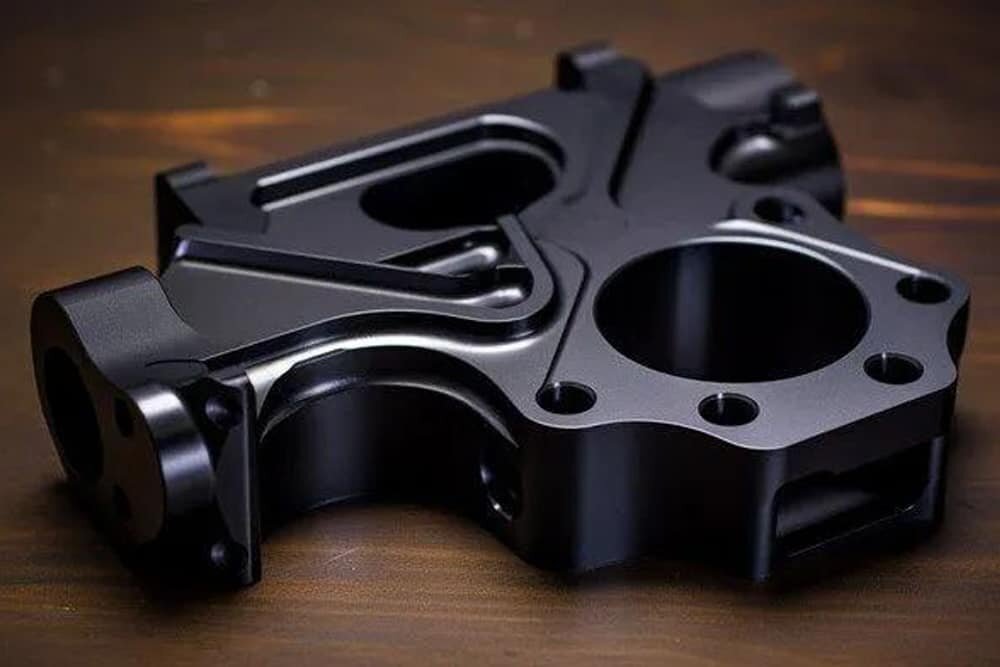
Anodized aluminum is often used in harsh environments, so adhesive solutions must be accompanied by long-term surface protection strategies.
Preventing Galvanic Corrosion
Galvanic corrosion occurs when aluminum comes into direct contact with more “noble” metals (such as silver in conductive adhesives) in an electrolyte environment. Solutions include:
Using electrically insulating adhesives to create a physical barrier between dissimilar metals.
Applying primers or electroplating (nickel, gold) on the aluminum surface before bonding to create a stable barrier layer.
Using Corrosion-Inhibiting Primers
Modified epoxy primers are the industry standard for protecting bond lines from underfilm corrosion and preventing hydration of the oxide layer. Modern primer solutions are also moving toward chrome-free formulations by using organic silane compounds to create durable chemical bonds between aluminum and adhesives.
Sustainable Sealing Solutions
Current research is shifting toward non-toxic sealants such as molybdate, permanganate, or rare metal salts to replace chromates. These compounds not only protect aluminum surfaces but are also more compatible with modern adhesive systems, helping maintain high bond strength even after sealing.
Testing and Validation of Bond Quality
To ensure the solution is implemented correctly, rigorous inspection procedures must be carried out.
Lap Shear Testing
This is the most common method for measuring adhesive joint strength according to ASTM D1002. The ideal result is cohesive failure—meaning the adhesive fractures within itself, demonstrating that the bond between the adhesive and the anodized aluminum surface is stronger than the adhesive’s own internal strength.
Wedge Durability Testing
According to ASTM D3762, this test simulates bond exposure in hot and humid environments under mechanical stress. It is the most critical test for evaluating the long-term durability of prepared aluminum surfaces, helping detect early signs of degradation at the adhesive-metal interface.
Failure Mode Inspection
Adhesive Failure: The adhesive cleanly separates from the aluminum surface. This indicates inadequate surface preparation.
Substrate Failure: The aluminum material itself tears before the adhesive detaches. This typically occurs with thin aluminum or when the bond is extremely strong.