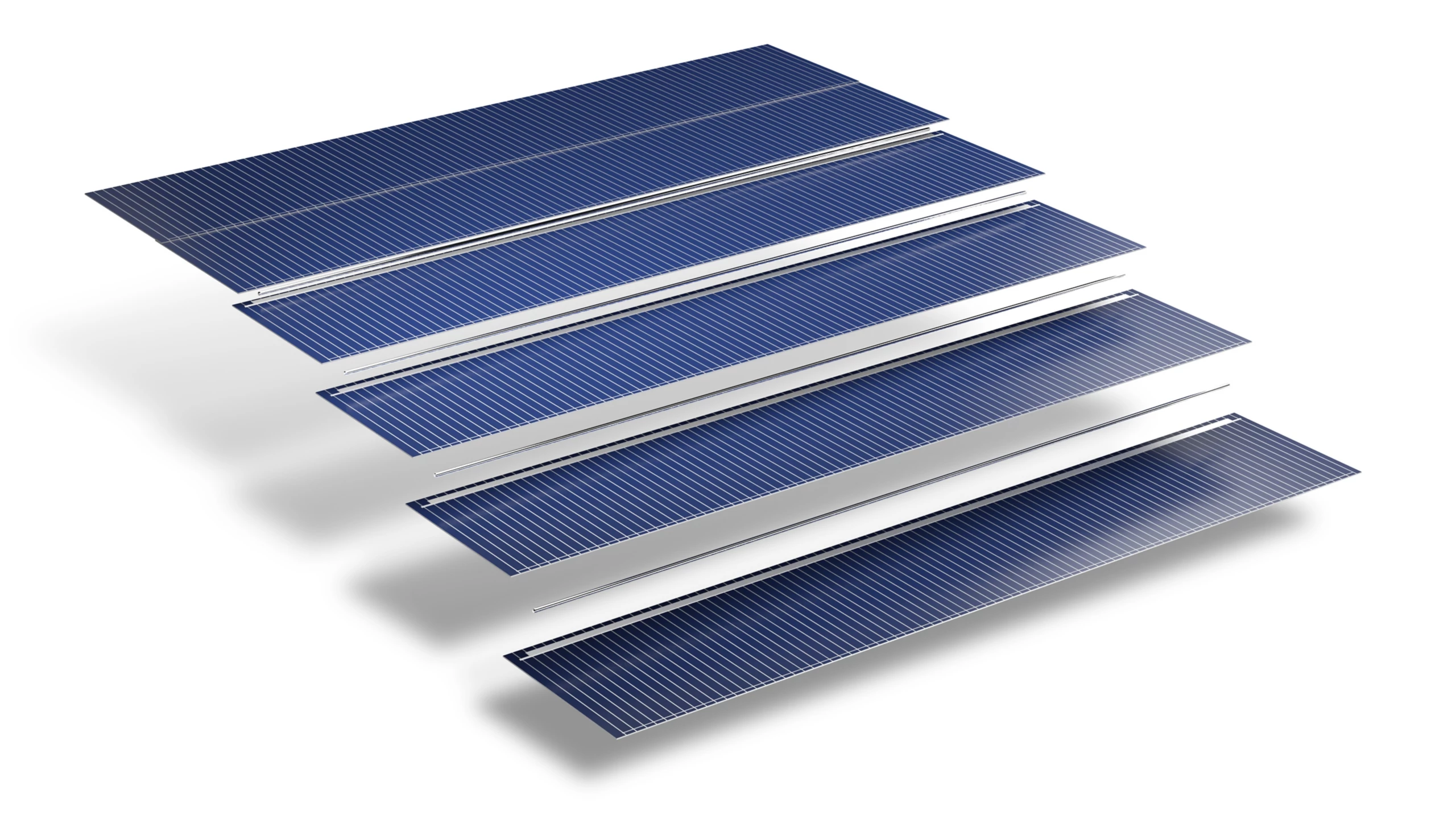
One of the top concerns for any installation system is its ability to withstand wind uplift forces. In storm-prone areas, wind speeds can generate enormous suction forces on solar panel arrays.
According to computational models, rails bonded with adhesive distribute forces more effectively than clamps or frames. Using surface bonding instead of point bonding eliminates stress concentration points that can damage the roof surface. In practice, systems using structural adhesive foam have withstood Category 4 storm winds during major typhoons without any incidents, while the chemical bond even reinforces the roof structure itself.
This article provides a comprehensive solution for solar panel bonding applications, completely replacing traditional mechanical fastening methods.
Contact for Consultation
Hitta is currently a supplier of a wide range of adhesive and assembly tape solutions from the world’s leading brands. With a highly experienced technical team across multiple application fields, we not only provide products but also consult on optimal solutions to improve existing processes, tailored to each customer’s specific requirements and challenges.
For anti-counterfeit label adhesive applications, we offer two solutions from today’s leading adhesive material manufacturers: EverWide & BowTape.
If you are looking for an effective, durable, and reliable bonding solution — let HITTA accompany you from consultation to implementation.
Contact Hitta today for the most suitable solution support.
☎️ Hotline: 0565.336.879
✉️ Email: hittajsc@hitta.vn
When should you use adhesive, and when should you use tape?
The choice between liquid adhesives (such as PU, Silicone, MMA) and tape (such as acrylic foam tape) depends on surface characteristics, load requirements, environmental conditions, and installation workflow.
When to Use Tape (Acrylic Foam Tape)
Tape is the ideal “dry-process” solution for applications requiring speed, aesthetics, and high vibration resistance.
Flat and smooth surfaces: Tape performs best when there is 100% surface contact. It is ideal for flexible thin-film solar panels or bonding rails to the flat backside of solar panels.
Need immediate handling strength: Tape provides bonding force immediately after application, with no curing time required like liquid adhesives, helping accelerate production lines.
Applications on moving vehicles (RVs, boats): Thanks to its viscoelastic properties, foam tape is the “gold standard” for absorbing extreme vibrations when vehicles travel on roads or boats encounter ocean waves, preventing joint fatigue.
Aesthetic priority: Tape creates a clean, invisible bond line with no excess adhesive residue or protruding bolt heads, delivering a modern appearance.
DIY installation: This is a user-friendly option for non-professionals because it is clean, requires no mixing, and carries lower risk of technical errors compared to liquid adhesives.
When to Use Structural Adhesives (PU, Silicone, MMA)
Liquid adhesives are the preferred “structural powerhouse” when dealing with extremely heavy loads or imperfect surfaces.
Rough or uneven surfaces: Liquid adhesives (especially PU) have excellent gap-filling capability. They can flow into corrugated roofing grooves or rough surfaces to create a uniform bond that tape cannot achieve.
Maximum bond strength required: For rigid, heavy glass solar panels installed at steep tilt angles, PU adhesive is selected because of its deep chemical “bite” and superior shear strength.
Large-scale industrial production: Per unit area, liquid adhesives are often less expensive than premium tapes, saving thousands of dollars on utility-scale solar farm projects.
Need permanent waterproof sealing: Liquid adhesives act as a structural gasket, preventing water and moisture buildup beneath mounting brackets and offering better roof protection.
Extremely high-temperature environments or electrical insulation needs: Silicone adhesive is the top choice for junction boxes because of its unmatched heat resistance and chemical inertness, ensuring electrical safety.
Hybrid Strategy (Hybrid Approach)
In harsh environments such as marine solar applications, professionals often use a “belt and suspenders” strategy:
Use acrylic foam tape in the center for instant fixation and vibration absorption.
Apply a bead of liquid adhesive (Hybrid or Silicone) around the perimeter to form a barrier preventing saltwater intrusion beneath the tape layer, protecting the bond long-term.
In summary: Choose tape if you need speed, cleanliness, and applications on RVs or flat surfaces. Choose liquid adhesive if you need maximum raw strength, bonding on corrugated metal roofs, or cost optimization for large projects.
Comparison Table: Tape vs. Liquid Structural Adhesives
| Comparison Criteria | Acrylic Foam Tape | Liquid Structural Adhesives (PU/Silicone/MMA) |
|---|---|---|
| Surface Characteristics | Performs best on flat, smooth, clean surfaces (glass, powder-coated metal). | Ideal for rough, uneven surfaces or large gaps (corrugated roofing, rough composite decking). |
| Time to Achieve Strength | Immediate. Provides handling strength instantly after bonding, allowing immediate panel movement. | Requires curing time. Typically takes 24–48 hours to reach 100% bond strength. |
| Structural Strength | High, but dependent on the foam contact surface area. | Extremely high. Creates a deep chemical “bite” into the substrate, handling greater raw loads. |
| Gap-Filling Capability | Limited. Only compensates for minor irregularities through tape thickness. | Excellent. Liquid adhesive flows into microscopic gaps, creating a uniform bond over large areas. |
| Vibration Absorption | Outstanding due to viscoelasticity. Excellent for RVs, vans, and boats. | Good, acts as a structural damper but with less elongation flexibility than tape. |
| Installation Workflow | “Dry process”: Clean, no mixing required, lower risk of human error. | “Wet process”: Requires adhesive guns, bead thickness control, and cleanup of excess adhesive. |
| Aesthetics | Invisible, thin bond line that maintains a smooth, sleek surface. | May leave excess adhesive residue if not applied with proper technique. |
| Sealing Capability | Closed-cell foam structure blocks water and dust at the bond line. | Functions as a secondary structural gasket, preventing water accumulation beneath mounting brackets. |
| Cost Efficiency | Suitable for small-scale projects or high-speed manufacturing requiring immediate throughput. | More cost-effective for solar farms or large-scale installations (miles of bonding). |
Acrylic foam tape
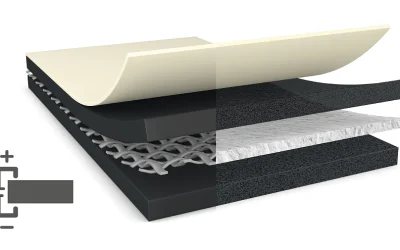
Acrylic foam tape is not merely an ordinary double-sided tape, but an engineered material with a complex structure:
Thermoplastic viscoelasticity: This is the core characteristic, allowing the tape to exhibit both liquid-like properties (viscosity – flowing into surface gaps) and solid-like properties (elasticity – absorbing force).
Modified chemistry: The acrylic adhesive layer is chemically engineered to achieve strong adhesion on a wide range of surfaces with high to medium-low surface energy, including metals, glass, and especially powder-coated surfaces — a type of surface traditionally difficult to bond to.
Closed-cell foam structure: The high-density acrylic foam core (approximately 590 kg/m³) creates a permanent barrier against water, moisture, and dust.
Heat and UV resistance: Thanks to saturated carbon bonds, this tape delivers exceptional outdoor durability, withstanding ultraviolet radiation and oxidation for more than 25 years. Its stable operating temperature range is from -40°C to 121°C.
Main applications:
This solution is widely used in both manufacturing and on-site installation:
Rail bonding: Used to bond support rails directly to the back side of solar panels (glass or backsheet). This method distributes stress more evenly compared to using clips.
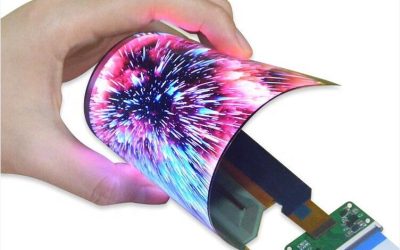
Thin-film panel installation: For flexible solar panels, modified acrylic foam tape is an optimal choice for direct bonding onto metal roofs or curved surfaces of RVs and boats.
Framing: Used in factory assembly processes to attach aluminum frames to glass panels without screws, improving aesthetics and preventing leaks.
Mounting electronic components: Bonding junction boxes or reinforcement bars for large solar panels.
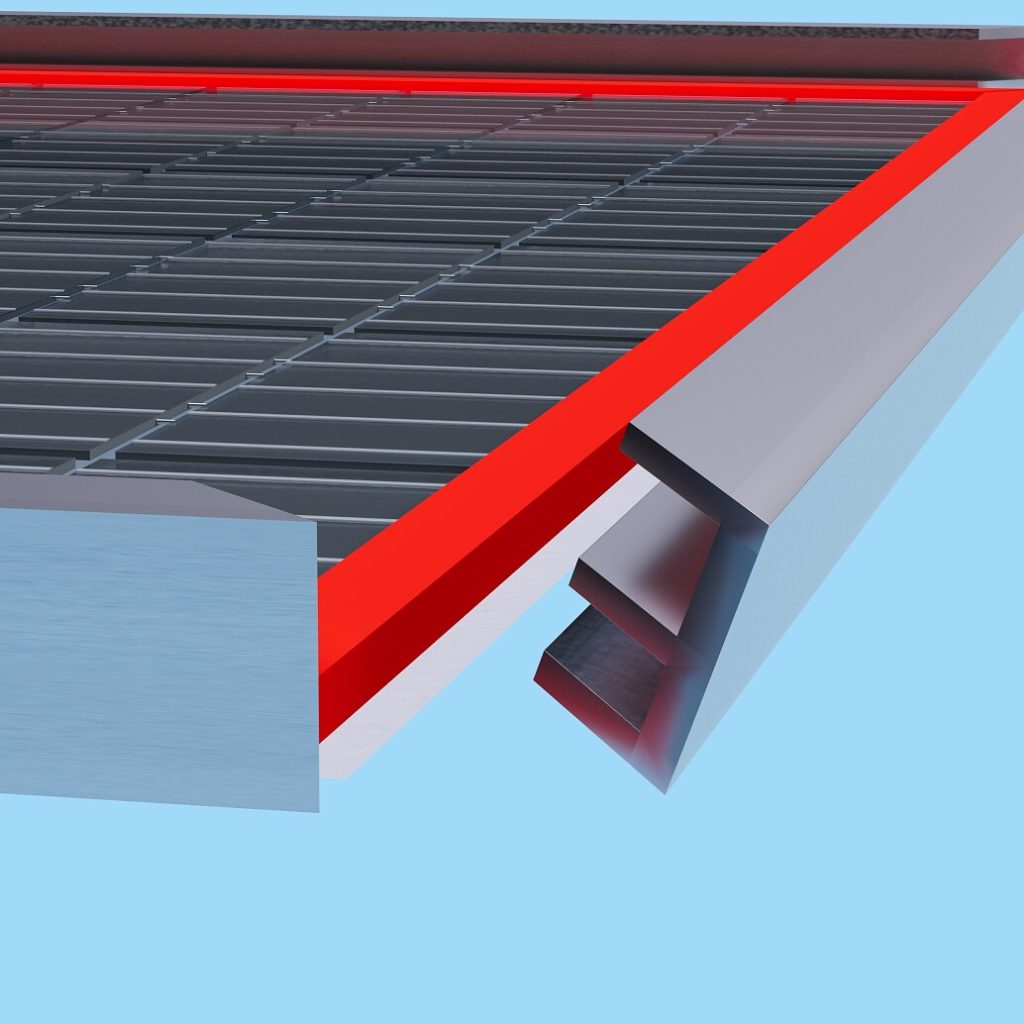
solar frame bonding
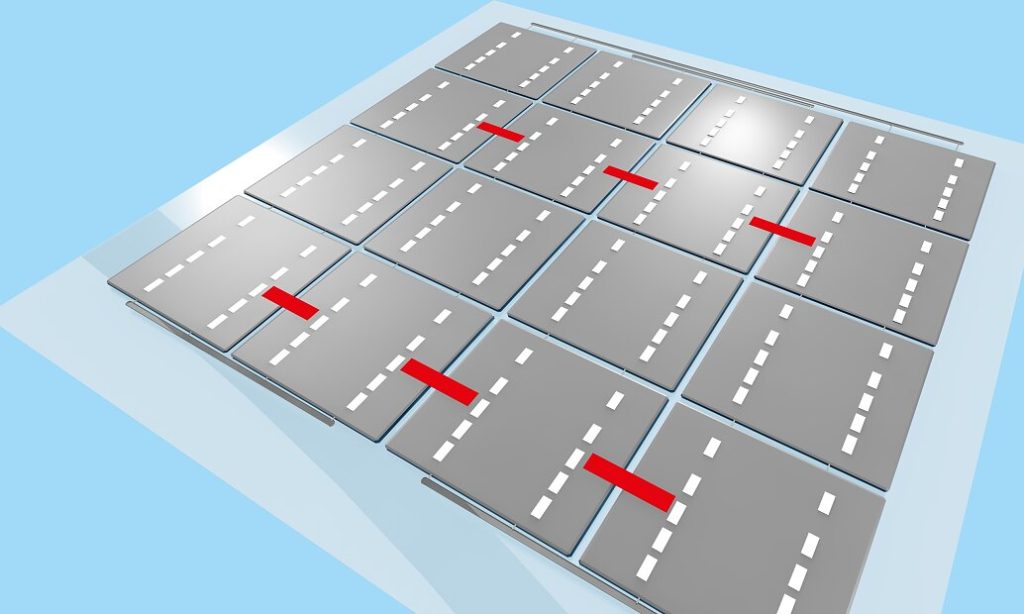
Cell fixation & alignment
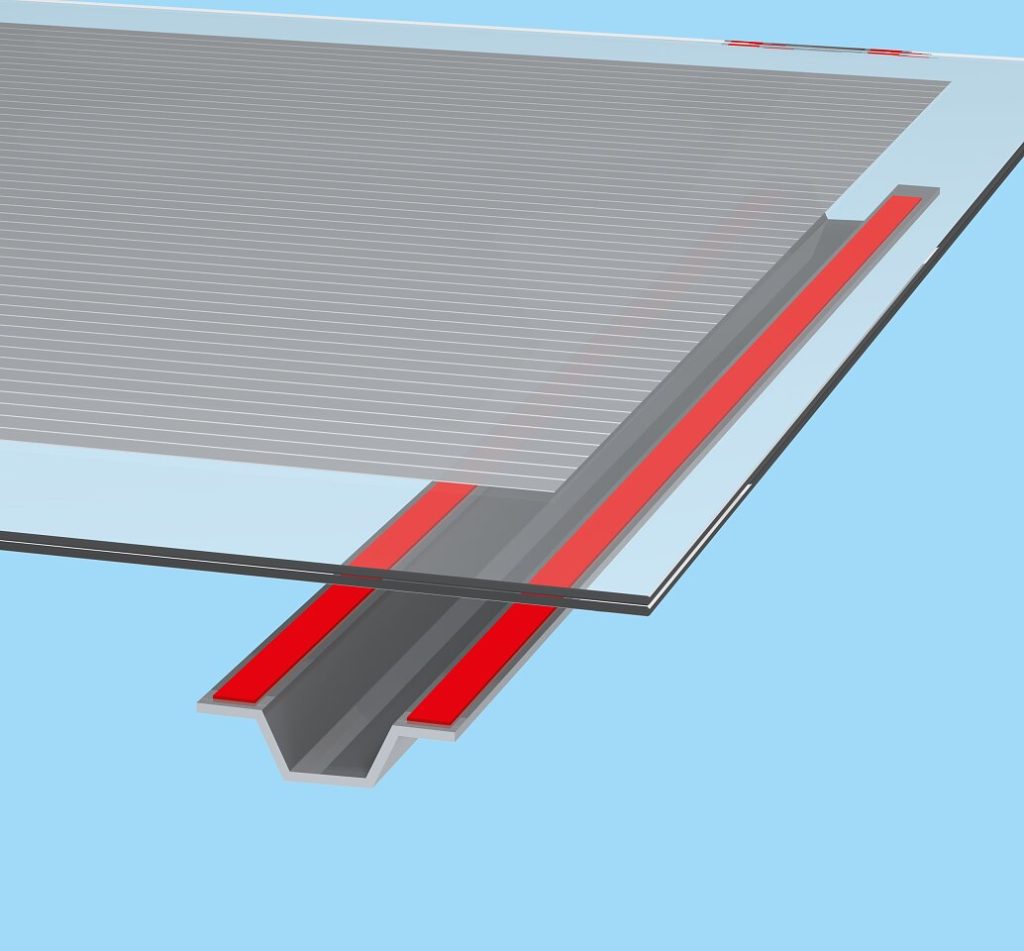
Back rail & stiffener mounting
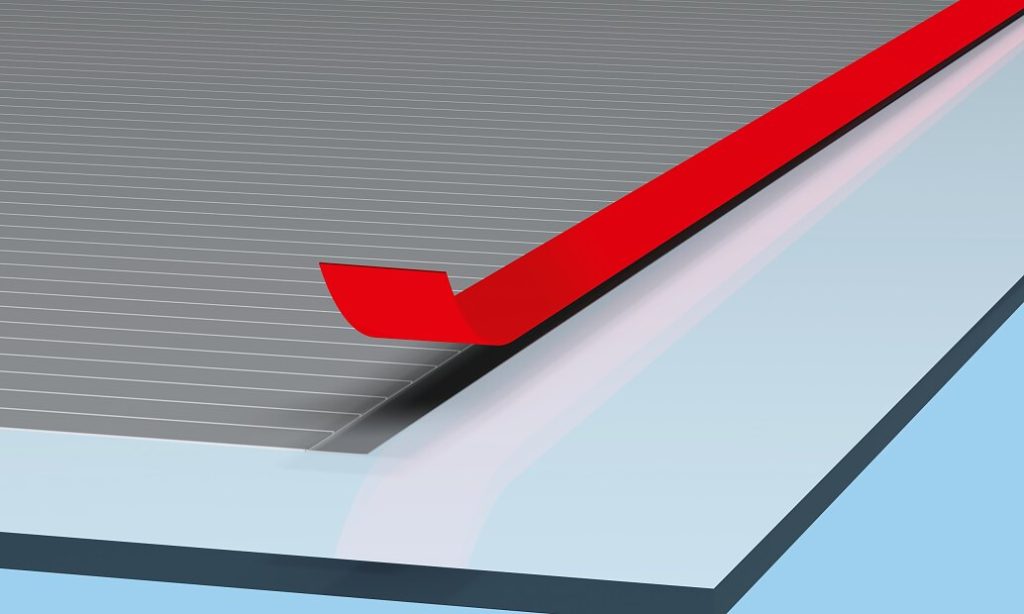
Ribbon blackout
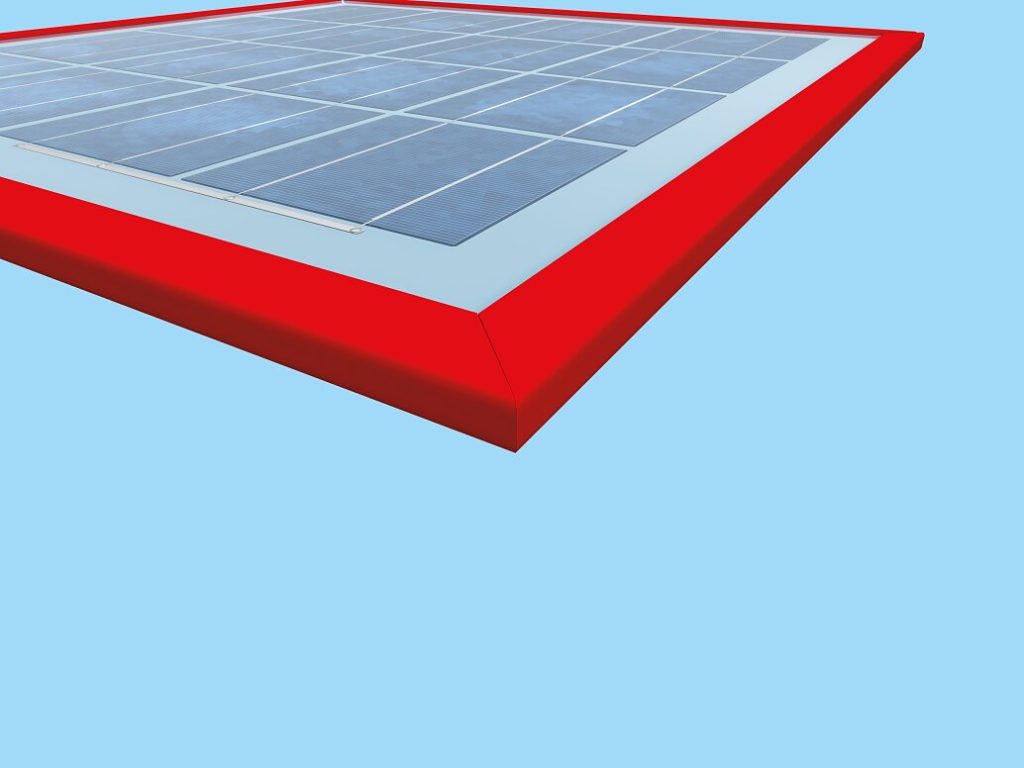
Permanent edge protection for frameless solar modules
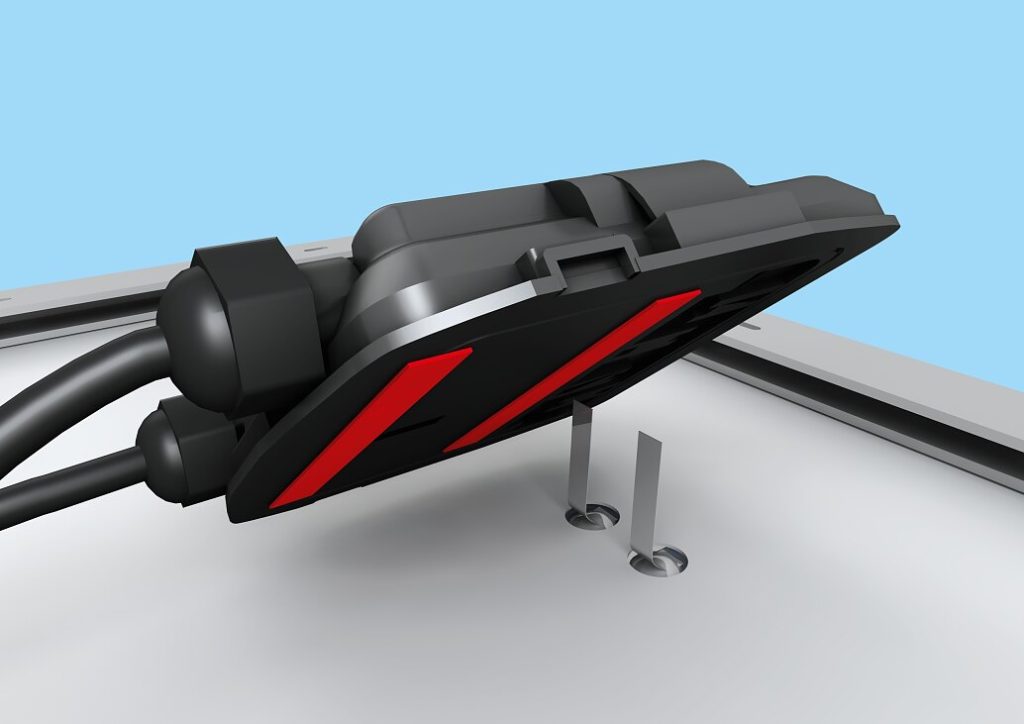
fixing solar junction boxes
Benefits for businesses
Switching to modified acrylic foam tape provides significant economic and operational advantages:
Increased productivity and speed: The bonding process is a “dry process,” requiring no liquid adhesive mixing, creating no mess, and most importantly delivering immediate handling strength. Businesses can accelerate assembly lines or complete on-site installation 25–50% faster compared to traditional methods.
Reduced system weight: Bonded systems can reduce the total weight of mounting structures by up to 15%, which is especially important for rooftop projects with limited load-bearing capacity.
Structural integrity and warranty protection: Since no penetrating holes are required, this solution completely eliminates water leakage risks and helps preserve roof manufacturer warranties.
Wind uplift resistance: Real-world testing shows that bonds made with modified acrylic foam tape can withstand Category 4 hurricane-force winds (over 180 mph) due to the ability to distribute loads across the entire bonded surface instead of concentrating stress at screw points.
Prevention of galvanic corrosion: The tape acts as a dielectric insulation layer between dissimilar metals (such as aluminum frames and steel roofs), thereby eliminating conductive paths that cause galvanic corrosion, especially valuable in marine environments.
Technical process considerations
To achieve optimal 25-year performance, businesses should follow these steps:
Surface preparation: Clean using an Isopropyl Alcohol (IPA) and water mixture (50:50 or 70:30 ratio). For difficult-to-bond surfaces, an adhesion promoter (primer) should also be used.
Bonding pressure: The tape requires a minimum pressure of 15 psi (100 kPa) for complete adhesive “wet-out” on the surface.
Time to full strength: Although it provides immediate adhesion, approximately 72 hours at room temperature are required to achieve 100% bond strength as the adhesive fully flows into microscopic surface voids.
Structural Polyurethane (PU) Adhesive
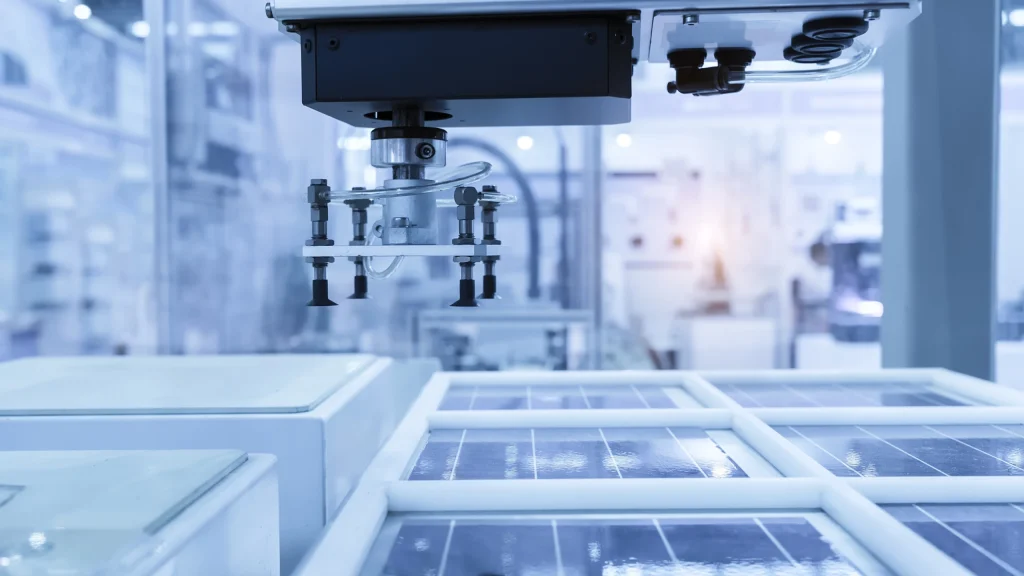
Structural Polyurethane (PU) adhesive is considered the “professional’s choice” when the highest raw structural strength and adaptability to complex surfaces are required in the solar energy industry.
Structural PU adhesives are liquid polymers (one- or two-component systems) that cure through reactions with air moisture or chemical catalysts to form a tough, durable rubber-like solid.
Extremely high bonding strength: Unlike foam tapes that rely on surface contact area, PU adhesives create a deep chemical “bite” into the substrate, delivering superior shear strength and tensile strength. Tensile strength can range from 2.5 MPa to over 3 MPa (approximately 360 psi).
Gap-filling capability: This is the greatest advantage of liquid adhesives. The adhesive can flow into microscopic gaps or larger voids on uneven surfaces such as corrugated metal roofs or textured composite decks, creating a uniform bond that tapes cannot achieve.
Elasticity and vibration resistance: After curing, PU adhesive forms a joint that is both rigid and flexible, acting as a structural shock absorber that helps absorb strong vibrations from wind or transportation on moving vehicles.
Main applications:
Structural PU adhesives are commonly preferred for heavy-duty or specialized installation scenarios:
Installing heavy solar panels on sloped roofs: Thanks to their high raw strength, PU adhesives firmly secure rigid, heavy glass panels at steep angles where gravity continuously generates shear forces.
Drill-free installation solutions (Solar Stack): Specialized two-component PU foam adhesives are used to bond pedestals directly onto roofing membranes (TPO, EPDM, PVC). This solution has proven capable of withstanding hurricane-force winds exceeding 180 mph (such as during Hurricane Ian in 2022) without damaging the roof.
Bonding thin-film panels onto curved surfaces: PU adhesive helps secure flexible solar panels onto highly curved or rough surfaces of RVs and boats.
Secondary sealing gasket layer: PU adhesive acts as a structural sealant, creating a barrier that prevents water and moisture accumulation beneath mounting brackets, protecting roof surfaces from corrosion.
Business advantages
Cost optimization at large scale: On a per-bonded-area basis, liquid PU adhesives are often more cost-effective than premium adhesive tapes, delivering strong economic efficiency for large-scale solar farm projects.
Environmental durability: Specialized PU formulations are enhanced with UV stabilizers to resist degradation, aging, and brittleness under harsh sunlight, ensuring system lifespans exceeding 20 years.
Reduced liability risks: Since no penetration drilling is required, installation companies completely eliminate the risk of water leakage, thereby preserving roof manufacturer warranties and reducing after-sales maintenance and repair costs.
Technical considerations
To achieve optimal performance, PU adhesive application requires stricter procedures than adhesive tapes:
Cure time: PU adhesives require time to reach maximum strength, typically between 24 and 48 hours. During this period, the solar panels must be fixed or clamped in place to prevent movement.
Temperature control: Ideal installation temperatures are generally above 15°C (60°F). If temperatures are too low, the adhesive will cure very slowly or fail to achieve the desired chemical bond.
Surface preparation: Similar to adhesive tapes, surfaces must be cleaned using a 50/50 mixture of IPA alcohol and water. For difficult-to-bond surfaces such as low-surface-energy plastics or marine gelcoat surfaces, the use of a primer is mandatory to activate adhesion.
In summary, if a business needs speed and convenience for flat surfaces, acrylic foam tape is the number one choice; however, when maximum bonding strength, gap-filling capability, and cost efficiency for rough surfaces are required, structural PU adhesive is an irreplaceable solution.
Structural Silicone Adhesive
In adhesive solution systems for the solar energy industry, structural silicone adhesive acts as a “protection specialist” thanks to its unmatched heat resistance and excellent chemical inertness. It is an indispensable material for ensuring the mechanical durability and electrical safety of systems throughout a lifespan of more than 25 years.
Structural silicone adhesive possesses exceptional physical properties that allow it to withstand the harshest environments:
Thermal and ultraviolet (UV) resistance: Silicone has an extremely stable chemical bond structure, enabling it to resist cracking or degradation after decades of direct exposure to intense solar radiation and sudden temperature changes.
High electrical insulation: Silicone is a material with very high resistivity, creating a safe barrier that prevents electrical leakage from solar panels into the mounting structure, which is especially critical for high-voltage systems.
Elongation and flexibility: Silicone adhesive has excellent elasticity (typically over 500%), allowing it to absorb stresses caused by differential thermal expansion between materials such as glass, aluminum, and steel without losing adhesion.
Permanent waterproofing capability: The chemical structure of silicone creates an absolute barrier against water and moisture, protecting sensitive internal electronic components.
Main applications
Structural silicone adhesive is widely applied from module manufacturing to system installation:
Frameless module design: Silicone is the key to modern frameless module design. Using structural silicone adhesive instead of traditional aluminum frames reduces material costs and completely eliminates “shading” caused by frame edges, thereby optimizing light absorption area.
Building-integrated photovoltaics (BIPV): In BIPV applications, where solar panels also serve as windows or glass façades, silicone adhesive provides an invisible and durable bond. It helps evenly distribute wind and snow loads across the entire surface, minimizing stress concentration points that could crack the glass.
Junction box potting and protection: This is the most critical application of liquid silicone. Silicone adhesive is used to fully encapsulate electronic components inside junction boxes, eliminating moisture, providing fire resistance and electrical insulation, and protecting the system from electrochemical corrosion.
Concentrated solar power (CSP) systems and thermal collectors: In concentrated solar power plants (CSP), silicone adhesive is used to secure reflective mirrors. For solar thermal collectors, silicone bonds the cover glass directly to the collector tray, creating a more waterproof and aesthetically pleasing seal compared to traditional dry rubber gasket methods.
Strategic advantages for businesses
Implementing silicone solutions delivers long-term economic and operational value:
Record-breaking lifespan: Real-world studies from projects in California show that after more than 14 years of operation, silicone bonds retained their original properties with no signs of degradation or cracking.
Reduced installation and operating costs: Using silicone adhesive enables pre-panelized module designs manufactured in factories, resulting in faster on-site installation and reduced labor costs per watt of power capacity.
Aesthetics and self-cleaning capability: Frameless silicone-based designs create completely flat panel surfaces without raised edges where dirt or water can accumulate, allowing snow and dust to wash away easily in the rain and reducing maintenance cleaning costs.
Safety and reliability: Silicone’s insulation and fire-resistant properties help businesses minimize the risk of fire or explosion incidents, protect their reputation, and reduce legal liability.
Technical considerations during implementation
Businesses should pay attention to the following factors to achieve optimal performance:
Curing time: Unlike adhesive tapes, liquid silicone adhesive requires a “skin time” of 2–3 hours and 24–48 hours to achieve full structural strength.
Surface preparation: Silane-based primers should be used on glass surfaces to create permanent covalent bonds that resist moisture intrusion.
Methyl Methacrylates (MMA) and Hybrid Technology
To complement bonding solutions in the solar energy industry, Methyl Methacrylates (MMA) and Hybrid Technology are two strategically important technical options, particularly effective in heavy industrial installations or harsh environments such as marine conditions.
MMA is a two-component structural adhesive designed to create ultra-strong bonds without requiring complex surface preparation steps.
Primerless adhesion capability: MMA’s greatest strength is its ability to “bite into” metal surfaces (such as aluminum, galvanized steel, and GI steel) without the need for a primer layer. This simplifies the process and minimizes human error during installation.
Extremely fast curing speed: MMA reaches handling strength within just 15 to 20 minutes at room temperature. In manufacturing or large-scale installation environments, this speed can improve installation productivity by up to 25% compared to mechanical fastening methods.
Impact and wind-load resistance: On thin steel roofs (0.5 mm), MMA-bonded joints are three times stronger than self-drilling screws (Tek screws). This solution has been proven capable of withstanding wind forces equivalent to a super typhoon (typhoon-rated).
Removability when necessary: Although considered a permanent bond, if roof maintenance or solar panel replacement is needed, a hot air gun at 150°C can be used to soften the adhesive and safely detach the aluminum rails.
Hybrid Technology: “The Perfect Combination”
Hybrid adhesives (commonly based on Modified Silane Polymer – MSP) are considered an intelligent “hybrid” solution that combines the best advantages of Silicone and Polyurethane (PU).
Combined chemistry: This technology possesses Silicone’s excellent UV resistance together with Polyurethane’s high mechanical strength and paintability. This helps overcome the tendency of low-cost PU products to become brittle or yellow after prolonged outdoor exposure.
Optimal solution for marine environments (Marine Solar): Hybrid adhesives are especially valuable in solar applications on boats or in coastal areas. They can resist saltwater corrosion and intense solar radiation without shrinking or cracking.
“Belt and Suspenders” strategy: In marine applications requiring absolute safety, engineers often use a combination approach: VHB tape for immediate internal fixation and a perimeter bead of Hybrid adhesive around the outside. The Hybrid adhesive acts as a permanent shield, preventing saltwater intrusion and protecting the adhesive tape underneath.
User-friendly and flexible properties: Hybrid adhesives contain no toxic solvents (such as Isocyanates), are odorless, and can adhere well even to damp surfaces, allowing greater installation flexibility under less-than-ideal weather conditions.
Business benefits of adoption:
The use of MMA and Hybrid adhesives helps businesses optimize total cost of ownership (TCO) by reducing downtime waiting for adhesives to cure and completely eliminating the risk of rust caused by galvanic corrosion at traditional screw fastening points.
Practical Applications in Manufacturing and Installation
Adhesive solutions are not merely a technical option but an essential part of modern manufacturing processes.
Mounting Frames and Rails (Framing & Rail Bonding)
Using adhesive tapes or structural adhesives to attach support rails directly to the back of solar panels helps reduce the amount of metal required for traditional frames. Modeling shows that rails distribute loads more effectively than clamps, minimizing bending that could damage the panels. In addition, this bonding method helps prevent galvanic corrosion by electrically isolating dissimilar metals.
Frameless Module Design (Frameless Modules)
The use of silicone structural adhesives allows for the complete elimination of heavy aluminum frames. This not only reduces material costs but also eliminates the “shadowing” effect caused by frame edges, increasing the light absorption area and preventing dirt accumulation along the edges.
Flexible Thin-film Panels (Flexible Thin-film)
For thin-film panels designed to flex along the roof surfaces of RVs or boats, the use of adhesives is a mandatory structural requirement. Mechanical fasteners create point stresses that can tear the flexible substrate or crack delicate photovoltaic cells. Common solutions include butyl adhesive layers or factory-applied acrylic adhesive tapes.
Building-Integrated Photovoltaics (BIPV)
Adhesives are enabling the next generation of Building-Integrated Photovoltaics (BIPV), where solar cells are integrated directly into windows, glass roofs, and roof tiles. Transparent and UV-resistant adhesives allow these cells to be bonded directly to glass without unattractive metal frames, creating an architecturally “invisible” structure.
Junction Boxes and Electronic Components (Junction Box)
Protecting electrical connections from environmental impacts is critically important. Junction box sealants must exclude moisture, resist fire, and provide excellent electrical insulation. Automated processes using fast-curing adhesives help shorten manufacturing cycle times.
Zero-penetration Mounting Systems (Zero-penetration)
For commercial roofs (TPO, EPDM, PVC), two-component polyurethane (PU) structural adhesives are used to bond mounting bases directly onto the roofing membrane. This solution completely eliminates the need to drill hundreds of holes through the roof, preserving waterproofing integrity and maintaining the roof manufacturer’s warranty.
Mobile Solar Power (RV & Marine Solar)
On vehicles such as RVs or boats, where vibration levels are extremely high and corrosive saltwater environments are present, acrylic foam tape is considered the “gold standard.” The tape functions as a shock absorber, absorbing vibration energy from roads or ocean waves, preventing loose screws and photovoltaic cell cracking.
Bonding Flexible Thin-film Panels (Flexible Thin-film)
These panels are typically installed using a “peel-and-stick” method with integrated butyl adhesive or foam tape applied at the factory. They conform to the curves of metal roofs or vehicle surfaces without requiring any metal mounting brackets, reducing system weight by up to 80% compared to traditional glass solar panels.
Advantages of adhesive solutions
Switching to adhesive bonding solutions delivers many strategic economic and operational benefits for businesses.
- System weight optimization: Adhesive bonding systems can reduce the total installation weight by up to 15% compared to traditional mounting systems. This is a huge advantage for older roofs or lightweight commercial structures that cannot support heavy aluminum rails and ballast blocks. Weight reduction also helps lower transportation and handling labor costs.
- Faster installation and higher productivity: In factory environments, applying adhesive tape or dispensing liquid adhesive is significantly faster than drilling and riveting aluminum frames. On-site, installers using structural adhesives can secure rails up to 25% faster because there is no need for pre-drilling or managing hundreds of small bolts. Installation time can be reduced from 2–5 days to as little as 24 hours for certain specialized systems.
- Preserving roof warranties and minimizing leakage risks: Water leakage is the “number one enemy” of roofing systems. Drilling hundreds of holes through metal roof membranes often voids the roof manufacturer’s warranty. Non-penetrating adhesive solutions preserve the integrity of the waterproof layer, completely eliminate potential leakage points, and reduce liability risks for contractors.
- Lower long-term maintenance costs: Mechanical joints tend to loosen over time due to wind-induced or structural vibrations, requiring periodic inspection and re-tightening—often every 30–90 days under some warranty programs. Adhesive solutions eliminate the problem of loose fasteners, minimizing the need for maintenance site visits and helping businesses save on labor and after-sales service costs.
- Resistance to marine environments and high salinity: In marine environments, standard fasteners corrode and fail even when galvanized. Adhesives provide a non-conductive dielectric barrier that fully isolates solar panels from the mounting structure, eliminating pathways for galvanic corrosion. This extends system lifespan in coastal areas, where electronic equipment typically deteriorates very quickly.
Technical Process and Considerations During Deployment
Although adhesive solutions offer many advantages, successful deployment is not as simple as “peel and stick.” It requires a deep understanding of surface chemistry and the thermodynamic behavior of materials.
Surface Preparation: The Key to Success
An adhesive bond is only as strong as the surface to which it is applied. To achieve a 25-year bond, surface preparation protocols must be strictly followed:
Cleaning: Use a 50:50 mixture of Isopropyl Alcohol (IPA) and water to remove light manufacturing oils and dust without leaving residue. For heavy grease contamination, a stronger solvent-based cleaner may be required.
Abrasion: Lightly scuffing the surface with a fine abrasive pad increases the effective contact surface area and removes surface oxidation layers.
Primer: On difficult-to-bond surfaces such as low-surface-energy plastics or powder-coated finishes, the use of adhesion promoters is necessary to create durable covalent bonds that resist moisture intrusion.
Environmental Condition Control
The ideal installation temperature is typically between 21°C and 38°C. If the temperature is too low, the adhesive becomes too stiff to achieve immediate bonding. Humidity must also be controlled because surface moisture can prevent intimate contact between the adhesive and the substrate.
“Wet-out Time”
Although adhesive tapes can provide immediate handling strength, the bond typically reaches only about 50% of its strength after 20 minutes and may require up to 72 hours to achieve 100% strength as the adhesive flows into microscopic surface voids. Businesses should plan installation schedules to avoid high-stress loads during this time window.
Important Notes:
Adhesive failure: The adhesive cleanly separates from the surface. This almost always indicates poor surface preparation or incorrect primer usage.
Cohesive failure: In a successful bond, if failure occurs, it should happen within the adhesive layer itself (the adhesive tears internally while remaining firmly attached to both surfaces).
Reversion: This is a chemical failure in which a cured adhesive reverts back to a liquid or tacky state due to prolonged exposure to heat and UV without proper chemical stabilizers. Therefore, selecting a premium chemical formulation specifically engineered for solar applications is mandatory.