
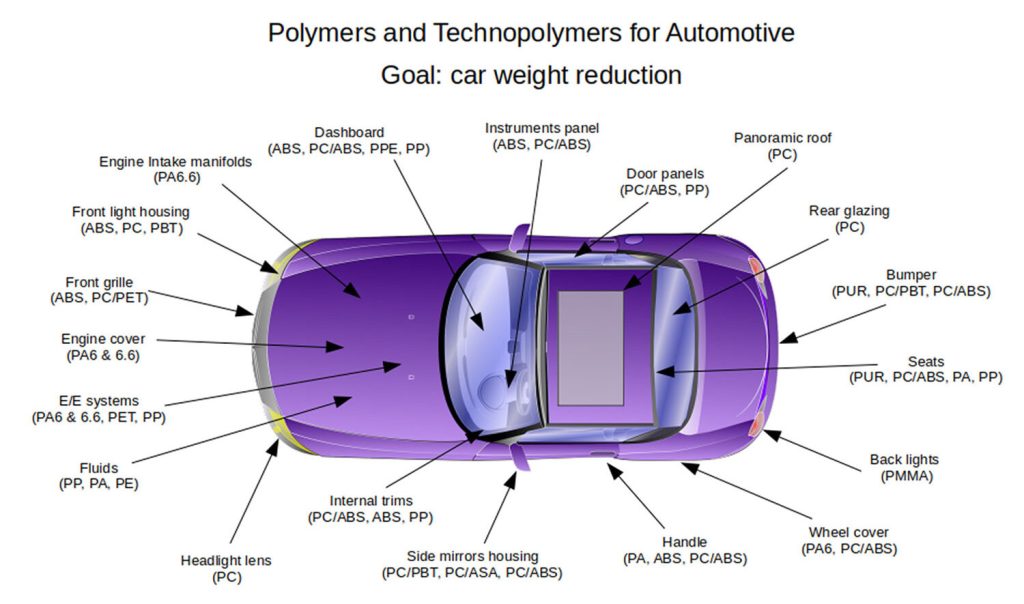
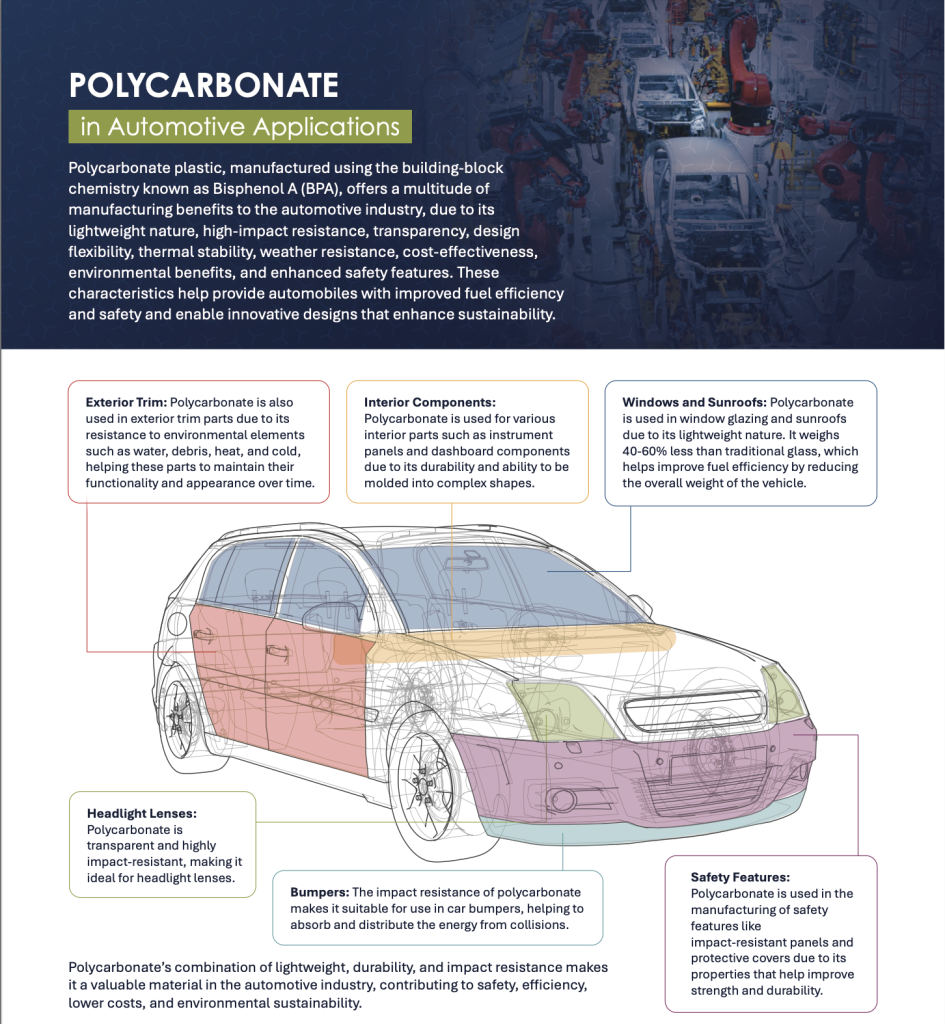
Bonding polycarbonate (PC) and acrylic (PMMA) plastics requires careful adhesive selection, especially when used in demanding environments such as:
- Automotive: exposure to sunlight, high temperatures, and fuels/oils.
- Electronics: exposure to heat and potential vibration.
- Household applications: exposure to UV rays from sunlight, water, or cleaning agents.
Not all adhesives are suitable for these two plastics – in fact, some may even cause crazing (fine surface cracks) on PC or PMMA if they are chemically aggressive.
In the following sections, we will analyze each adhesive group in detail – epoxy, acrylic (MMA), cyanoacrylate, polyurethane, silicone, and UV-curable adhesives – including both permanent bonding solutions and temporary/removable options. A comparison table will be provided at the end for your convenience.
Key Factors When Choosing Adhesives for PC/PMMA
- UV Resistance: Will the bond be exposed to sunlight or UV lamps? Many adhesives (e.g., standard epoxies) can yellow or degrade when exposed to UV. Outdoor applications require UV-stable adhesives.
- Water and Chemical Resistance: Will the joint be exposed to rain, humidity, or chemicals (fuel, oil, cleaning agents)? For example, polyurethane adhesives are well-known for their resistance to gasoline, oil, salt, and many other chemicals, whereas cyanoacrylate adhesives (super glue) tend to weaken when submerged in water.
- High-Temperature Tolerance: Will the bond be exposed to high temperatures (e.g., engine heat, electronics operating temperatures)? Epoxy adhesives generally have the highest heat resistance (some can withstand continuous temperatures up to 150 °C), while many standard adhesives lose strength when temperatures exceed 80–120 °C.
- Bond Strength and Durability: How strong and permanent does the bond need to be? Structural adhesives such as epoxy and acrylic (MMA) can achieve extremely high bond strength (the plastic will often crack before the adhesive fails), making them ideal for permanent assemblies. In contrast, hot-melt adhesives or removable tapes only provide temporary bonds and can be separated later.
- Flexibility vs. Rigidity: Rigid adhesives (epoxy, cyanoacrylate) offer high strength but may crack under vibration or differential thermal expansion. Flexible adhesives (polyurethane, silicone) absorb stress better, making them suitable for joints subject to vibration or for bonding dissimilar materials, although their bond strength is generally lower.
- Cure Time and Handling: Fast-curing adhesives (cyanoacrylate sets in seconds; UV adhesives cure instantly when exposed to light) are suitable for quick repairs. Some two-part adhesives require clamping for several minutes to hours and can take 24–48 hours or longer to fully cure.
Comparison of Adhesive Types for Bonding PC and PMMA
| Adhesive Type | Suitable Applications (PC/PMMA) | Environmental Resistance (UV, Water, Heat, Chemicals) | Bond Strength & Durability | Cure Time (Initial / Full) |
|---|---|---|---|---|
| Epoxy (2-part) | – Permanent structural bonds between PC, acrylic, and other materials. – High-strength applications: automotive (engine compartment parts, structural repairs), electronics (mounting components, potting). – Household repairs requiring rigid, strong bonds. | – UV: Poor – easily yellows and degrades under sunlight; not suitable for direct exposure. – Water: Excellent once fully cured (completely waterproof). – Heat: High heat resistance; most up to 80 °C, special grades up to 150 °C+. – Chemicals:Excellent – resists solvents, oils, fuels. | – Very high strength (often the strongest), lap shear >30 MPa. Bonds are often stronger than the substrate but can be brittle. – Long-term durability if protected from UV. – Some very rigid formulations can crack under impact. | – Handling strength in 5 minutes (fast cure) to 1–2 hours (slow cure). – Full cure in 24–48 hours (some continue to increase in strength for up to 7 days). |
| Acrylic (MMA, 2-part) | – Permanent structural bonds for PC, PMMA, and mixed materials. – Industrial/automotive assembly (panels, frames, signage) due to fast cure and minimal surface preparation. – Outdoor joints: non-yellowing and durable. | – UV: Very good – acrylics inherently resist UV, won’t yellow or embrittle. – Water: Excellent – used in signage and marine applications. – Heat: Handles 85 °C; some up to 120 °C (slightly less than heat-resistant epoxies). – Chemicals: Resists fuel and oils; slightly less resistant than epoxies to strong acids/solvents. | – Very high strength (often the substrate fails before the bond). Bonds are tough and vibration-resistant. – Excellent long-term durability, even outdoors. – Has odor during application but none after curing. | – Handling strength in 5–15 minutes (fast curing). – Full cure in 8–24 hours (often usable within one day). |
| Cyanoacrylate (CA) | – Quick fixes and small bonds on PC or acrylic (e.g., cracks, small parts). – Electronics: tacking wires or components. – Household: light repairs, modeling, instant bonds. | – UV: Poor – yellows and degrades in sunlight; not for outdoor use. – Water: Poor if continuously wet (bond weakens and fogs). – Heat: Limited to ~80 °C (standard); high-temp types up to 120 °C+. – Chemicals: Poor – easily degraded by solvents, fuel, oils. | – High initial strength on tight-fitting parts, but the thin bond is brittle and poor in impact resistance. – Not suitable for large-area or structural joints. | – Cures in seconds (10–60 seconds). – Fully cured in a few hours (>90% strength in minutes). |
| Polyurethane (PU) | – Flexible, durable bonds for parts subject to movement or vibration – e.g., bonding PC/PMMA panels that need flexibility. – Automotive: bonding trims, sealing light housings, joints exposed to chemicals/cold. – Outdoor/marine: bonding and sealing plastics in wet or cold environments. | – UV: Moderate – may yellow over time (commonly used in hidden joints). – Water: Excellent – fully waterproof; durable for years in wet conditions. – Heat: Moderate – continuous up to 80 °C, some up to 120 °C (softens more than epoxy at high heat). – Chemicals:Excellent – resists fuels, salt, and oils. | – Good bond strength (less than epoxy/MMA but sufficient for many applications). – Highly durable and impact-resistant, can withstand vibration and shocks. – Surface preparation or primer may be required for optimal adhesion. | – 1-part PU: tack-free in 1–2 hours, handling strength in 4–6 hours, full cure in 24–48 hours (max strength after 7 days). – 2-part PU: handling strength in 5–30 minutes, full cure in 24 hours. |
| Silicone (RTV) | – Sealing or semi-structural bonding of PC or acrylic requiring elasticity: windows, clear panels, gaskets. – Automotive: sealing headlights, sunroofs, forming gaskets for engine parts. – Electronics: outdoor device sealing. | – UV: Excellent – does not yellow or crack; ideal for outdoor use. – Water: Excellent – completely waterproof. – Heat: Very high – standard up to 200 °C, specialty grades up to 300 °C; flexible at -50 °C. – Chemicals: Good – inert to most household chemicals; fuels/solvents may cause swelling. | – Moderate strength: elastic bond that can be peeled if necessary. – Not for structural load-bearing joints. – Outstanding outdoor durability; elasticity prevents cracking over time. | – Skins over in 5–30 minutes, working time ~5 minutes. – Cures at 2–3 mm per day (thin joints cure in 1 day; thick sections up to 7 days). |
| UV-Curing (Acrylic) | – Clear bonding of PC or acrylic: display cases, optical assemblies. – Electronics/optics: bonding lenses, screens, components requiring precise alignment. – Small repairs on clear plastics (DIY UV glue pens). | – UV: Excellent once cured – UV-stable and non-yellowing; suitable for indoor and outdoor use. – Water: Very good – similar to acrylic polymers. – Heat: Good up to 100 °C; specialty grades up to 150 °C. – Chemicals: Good – resists oils and common solvents. | – High strength – can reach structural levels, often stronger than the substrate. – Typically rigid bonds (some flexible formulations available). – Long-term durability under normal conditions. | – Remains liquid until exposed to UV/visible light. – Cures in seconds (<60 seconds). – Dual-cure versions (moisture/heat) are available for shadowed areas. |
Epoxy Adhesives (2-Part)
Epoxy adhesives are one of the top choices for creating strong, permanent bonds on a wide range of materials. They are typically supplied as a two-component system consisting of a resin and a hardener, and they cure at room temperature. Epoxies can bond well to polycarbonate (PC) and acrylic (PMMA), although proper surface preparation – thorough cleaning and light abrasion – is essential to improve adhesion.
Key Characteristics
Bond Strength & Durability:
- Epoxy adhesives are among the strongest available, with lap shear strengths typically in the 20–30 MPa range.
- A well-prepared epoxy joint is extremely strong, though it is often slightly less durable on plastics than specialized acrylic (MMA) adhesives.
- Compared to cyanoacrylate (super glue), epoxy generally creates stronger bonds on PC plastics. However, note that ultra-high-strength epoxy formulations can be quite rigid and brittle.
Environmental Resistance:
- Epoxies are renowned for their excellent chemical and heat resistance, outperforming many other adhesive types.
- Most epoxy adhesives can withstand continuous service at approximately 80 °C, and high-temperature grades can handle 120–150 °C (or even higher for short periods).
- They also offer strong resistance to oils, fuels, and mild chemicals.
- Weakness: Epoxy is generally poorly resistant to UV light – it can yellow and degrade when exposed to sunlight for long periods. For outdoor use, a UV-protective coating or a UV-stable epoxy formulation is recommended.
Cure Time:
- Working time (open time) can range from 5 minutes (fast-setting epoxy) to 90+ minutes (high-strength structural grades).
- Epoxies can achieve handling strength in a few minutes to a few hours, but typically require 24–72 hours for a full cure – some formulations continue to build strength over a full week.
- This extended curing process should be factored in for applications where dimensional accuracy or early load-bearing is critical.
Typical Applications
- Automotive: Bonding metal or composite parts, repairing PC headlight housings.
- Electronics: Used as potting compounds or for securing components, thanks to their insulating and high-heat resistance properties.
- Household: General appliance and tool repairs.
In the automotive industry, epoxy adhesives are widely used for their combination of high strength and thermal stability in structural joints or under-hood applications. However, avoid using epoxies in direct sunlight unless they are UV-protected or UV-stable.
Acrylic Structural Adhesives (Methyl Methacrylate – MMA)
Acrylic adhesives, particularly two-part MMA formulations, are often considered the best choice for permanent structural bonding of polycarbonate (PC) and acrylic (PMMA) plastics. These adhesives can partially dissolve the plastic surface, creating an exceptionally strong bond – strong enough that in many cases, the plastic itself will break before the bond fails.
Key Characteristics
Bond Strength & Cure Speed:
- MMA structural adhesives achieve very high bond strength, comparable to epoxy.
- They reach handling strength quickly: 5–15 minutes, with full cure typically in 24 hours.
- The curing process is exothermic (heat-generating), which can cause slight shrinkage or leave a faint “witness line” on thin materials, though this is usually negligible for thicker parts.
Surface Preparation:
- A major advantage of MMA adhesives is their minimal surface preparation requirement. A simple wipe to remove dust or grease is usually sufficient, as MMA adhesives “bite” into the plastic surface and form a strong bond even on hard-to-bond materials.
- They can bond dissimilar materials (plastic to metal, plastic to composites) and even some low-surface-energy plastics such as polypropylene (with specialized grades).
- This makes MMA adhesives popular in automotive and transportation assembly, especially for joining plastic or composite panels.
Environmental Resistance:
- MMA bonds are durable in outdoor conditions because acrylic resins are naturally UV-resistant and non-yellowing.
- They have excellent water and weather resistance, making them common in marine applications as well.
- Their chemical and heat resistance is strong, though slightly below epoxy: they can withstand gasoline, oils, and mild chemicals, and perform continuously at 85–120 °C. For very high-heat or extremely harsh chemical environments, epoxy may perform better.
Odor & Safety During Use:
- Traditional MMA adhesives have a strong, pungent odor and are flammable in liquid form due to volatile monomers.
- Always work in a well-ventilated area. Newer low-odor MMA formulations are now available to reduce discomfort.
Typical Applications
- Automotive & transportation: widely used for bonding plastics, composites, and metals (e.g., acrylic windows, polycarbonate panels, and trims).
- Electronics & appliances: for bonding plastic housings or structural components requiring high strength and quick handling.
- Household repairs: less common because they typically require specialized dispensing tools (cartridge guns). However, many consumer adhesives marketed as “plastic glues” are in fact two-part acrylic adhesives, which achieve handling strength in about 30 minutes and full cure in 24 hours, offering excellent water, fuel, and solvent resistance once cured.
Cyanoacrylate Adhesives
Cyanoacrylate adhesives, commonly known as “super glue”, are single-component adhesives that cure extremely quickly when they come into contact with moisture on the substrate surface. They are popular for their fast bonding ability, ease of use, and wide availability. When used for bonding polycarbonate (PC) and acrylic (PMMA) plastics, several factors should be considered:
Key Characteristics
Bond Strength:
- Cyanoacrylate adhesives bond well to PC and PMMA because once cured, they form an acrylic polymer, similar in composition to acrylic plastic itself.
- Thin cyanoacrylate bonds can be very strong in tension and shear, but they are brittle and perform poorly under impact or peel forces.
- For small joints, CA adhesives can be very effective (e.g., repairing a small crack in an acrylic car light cover or a PC plastic part).
- Care must be taken not to over-apply: excessive adhesive can cause whitening or crazing (fine cracking) on clear plastics. The vapors can also fog the surface of acrylic. Therefore, apply the glue sparingly and precisely.
Speed & Handling:
- The greatest advantage of CA adhesives is speed: they set within seconds.
- No mixing or clamping is required, and joints are typically fixed within less than a minute.
- While full strength develops in a few hours, parts can be lightly handled almost immediately.
- Ideal for quick repairs or temporarily holding parts before using a more permanent adhesive.
Environmental Resistance:
- Cyanoacrylate bonds are not durable in harsh conditions.
- They do not withstand long-term water immersion: moisture exposure will weaken the bond.
- Heat resistance is lower than most other adhesives: they typically perform well only up to 70–85 °C, beyond which the bond softens and loses strength.
- CA bonds also degrade with prolonged exposure to UV light and sunlight, particularly because the adhesive layer is usually very thin.
- Some specialized formulations (e.g., rubber-toughened or heat-resistant CAs) can withstand temperatures up to ~120 °C, but overall, CA adhesives are best suited for indoor, room-temperature applications or temporary repairs.
Applications
- Electronics: A drop of cyanoacrylate (CA) is often used to quickly secure components or wires to a circuit board because it is fast and convenient.
- Household/DIY: Ideal for repairing small cracks, acrylic decorations, or polycarbonate toys – all within seconds.
- However, long-term durability may be unreliable if the part is subject to frequent load or vibration.
- Automotive: CA adhesives are rarely used in structural areas because the rigid, brittle bond can crack under vibration or thermal cycling. They are mainly used for minor interior plastic repairs or for temporarily holding parts in place before fastening with screws or a structural adhesive.
Usage Tips
- Apply a small amount of adhesive and ensure surfaces fit tightly to avoid fogging and achieve high bond strength (CA adhesives can only fill gaps of about 0.5 mm or less).
- For hard-to-bond plastics (such as PP or PE), a primer can be applied beforehand, but for PC and PMMA, this is generally unnecessary.
- Gel formulations are easier to control on vertical surfaces and are less prone to running. Some types are rubber-toughened, making the bond less brittle and more impact-resistant.
- Avoid using CA adhesives for joints exposed to long-term water immersion or high heat, as other adhesives are better suited for those conditions.
Polyurethane (PU) Adhesives
Polyurethane adhesives are available in both one-component (moisture-curing) and two-component formulations. Once cured, they form a flexible, rubber-like bond line. PU adhesives are known for their versatility and toughness, making them especially suitable for joints that require a degree of flexibility. When bonding polycarbonate (PC) and acrylic (PMMA), the following considerations apply:
Key Characteristics
Bond Strength & Flexibility:
- PU adhesives generally have slightly lower bond strength compared to epoxy or MMA adhesives, but they are still sufficiently strong for many applications.
- Once cured, PU forms a durable, flexible bond, which is advantageous for joints subject to vibration, thermal expansion, or impact.
- Due to their flexibility, PU bonds are less prone to cracking under stress or deformation. While they may not achieve the “substrate-breaking” strength of MMA adhesives, PU adhesives are still reliable for many assemblies requiring long-term durability.
Environmental Resistance:
- PU adhesives perform exceptionally well in harsh environments. They remain flexible and do not become brittle even at sub-zero temperatures (as low as -40 °C), making them ideal for automotive and outdoor use.
- They offer excellent chemical resistance, including resistance to gasoline, oils, saltwater, and many solvents.
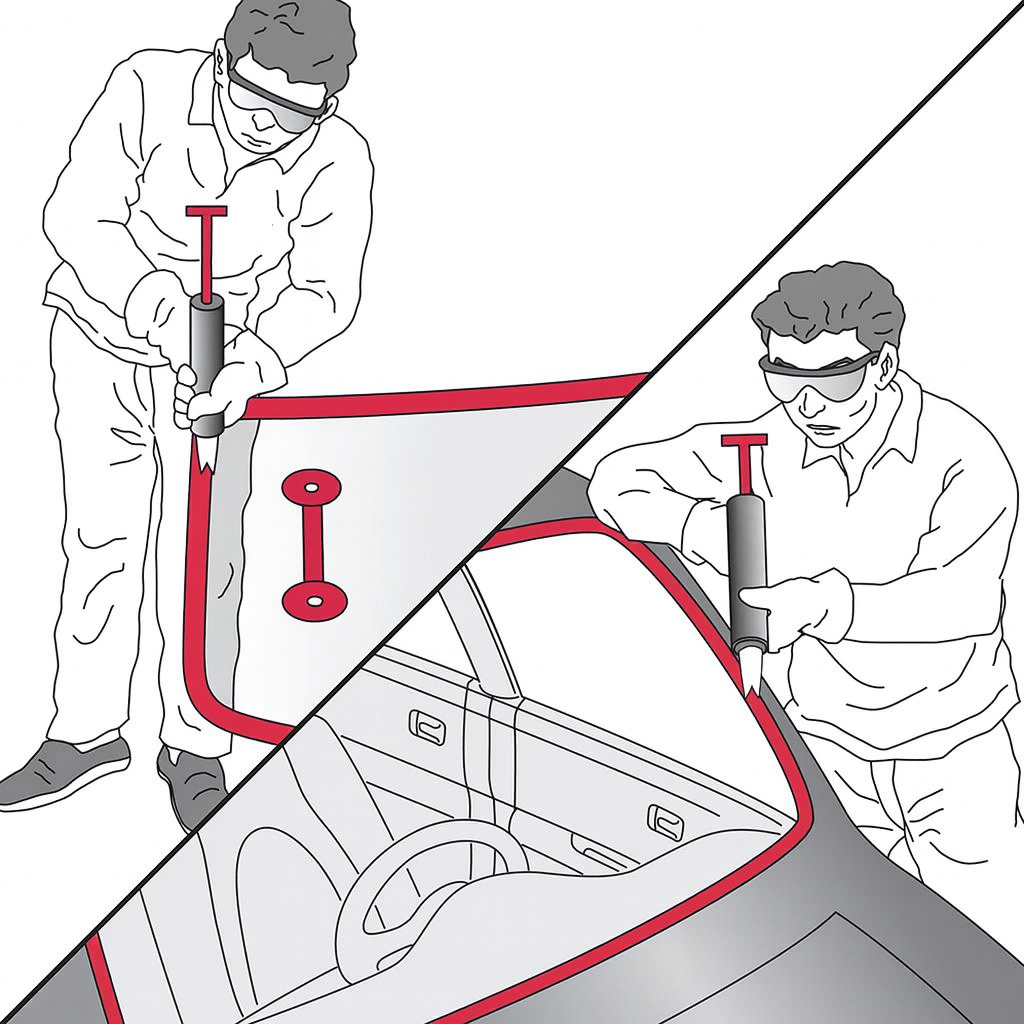
- One-component PU adhesives have become the industry standard for applications such as bonding automotive windshields and sealing vehicle body seams, thanks to their vibration absorption, strong adhesion to plastics, and waterproof performance.
- Once cured, PU adhesives are fully waterproof and capable of withstanding continuous water exposure.
- UV resistance: PU adhesives can yellow or degrade if exposed to direct sunlight for extended periods, especially clear formulations. Specialized PU formulas (e.g., aliphatic PU or UV-stabilized versions) perform better outdoors. For joints located indoors or away from direct sunlight, this is generally not an issue.
Heat Resistance:
- Standard PU adhesives can withstand continuous service at approximately 80 °C. Prolonged high heat can soften PU more than epoxy.
- Certain upgraded or two-component PU formulations can handle up to 120 °C.
- In automotive engine compartments, epoxy or high-temperature silicone adhesives may be a better choice. However, PU adhesives are typically suitable for interior, exterior, and components subjected to temperature cycles between -40 °C and +80 °C.
Cure Time:
- One-component PU: Cures by reacting with ambient moisture. It typically takes several hours to reach initial handling strength, but 24–48 hours for full cure, and the bond continues to gain strength for several days (often reaching maximum strength after 7 days or more). In very dry conditions, a light mist of water can be applied to help curing.
- Two-component PU: Cures faster, with some formulations achieving handling strength in as little as 5–20 minutesand fully curing in 24 hours or less, similar to epoxy.
- One-component PU may foam slightly during curing if over-applied.
Typical Applications
- Automotive: One-component PU sealant/adhesives are widely used for bonding windshields, interior trim panels, and sealing joints, thanks to their vibration resistance, multi-surface adhesion, and excellent resistance to saltwater.
- Electronics: Used as potting compounds and for strain relief on wires, due to their electrical insulation and flexibility.
- Household/Construction: PU adhesives can bond PC or PMMA in small repairs. Outdoor PU-based construction adhesives are also commonly used for attaching plastic parts such as gutters and fittings, offering long-term weather resistance.
Tip: Uncured PU adhesive should be cleaned with a suitable solvent because once cured, it is very difficult to remove.
Silicone Adhesive
Silicone adhesives are single-component adhesives that cure by reacting with ambient moisture to form silicone rubber. They are widely recognized as sealants but are also used as adhesives, especially when a flexible, elastic, and extremely weather-resistant bond is required.
Key Advantages
Adhesion & Bond Strength:
- Silicone adhesives do not form bonds as strong as epoxy or acrylic adhesives, typically providing only moderate bond strength – sufficient for holding panels and sealing gaps but unsuitable for high-load structural joints.
- Once cured, silicone is highly elastic (elongation typically >200%), allowing the bond to flex and absorb movement.
- This property is especially useful for assemblies with differential thermal expansion (e.g., bonding plastic panels to metal frames) as silicone can maintain a seal without cracking.
- On smooth PC or PMMA surfaces, neutral-cure silicone adheres reasonably well but can still be peeled away with force. This is why silicone is often considered semi-permanent or removable on non-porous surfaces – it adheres well but can be stripped off in sections if necessary.
Environmental Resistance:
- This is silicone’s greatest strength: once cured, the bond is essentially unaffected by weather, UV light, and water.
- Silicone can withstand intense UV exposure, ozone, and humidity for years without yellowing or cracking (e.g., aquariums and building windows are often bonded with silicone).
- It is completely waterproof, making it a top choice for wet environments.
- Silicone withstands continuous temperatures from approximately -50 °C to +200 °C, with specialized grades capable of handling 250–300 °C. This makes it ideal for engine compartments, where it is used to form gaskets or bond/seal headlight assemblies exposed to heat from bulbs.
- Chemical resistance: Silicone is inert to many diluted solutions (mild acids, bases, and water). However, prolonged exposure to fuels or solvents (e.g., gasoline, diesel) can cause silicone to swell or soften. Some automotive-grade silicones are specifically designed to be oil-resistant.
Cure Time:
- Silicone adhesives typically skin over in 5–30 minutes and then cure from the outside in at a rate of about 2–3 mm per 24 hours.
- A thin bead can be fully cured in one day, while thick sections or enclosed joints may require several days.
- No mixing is required, and there is a few minutes of working time before the surface skins.
Typical Applications
- Automotive: Used to seal/bond windshields, sunroofs, light housings, and to form gaskets on engine components. Particularly ideal where the bond or seal must withstand outdoor conditions and remain flexible.
- Electronics: Neutral-cure silicones (non-acidic, non-corrosive) are used to secure components, seal enclosures (e.g., waterproofing LED housings), and provide cable strain relief.
- Household: Clear silicone can bond acrylic sheets in display cases or crafts (creating an almost invisible, flexible joint). It is also commonly used to repair broken glass/acrylic or to seal around plastic fittings in kitchens and bathrooms.
Example: An acrylic panel can be bonded to a polycarbonate frame to form a window using silicone; the bond will withstand long-term exposure to sun, rain, and UV, and can be removed later (although cutting tools and some effort will be required).
UV-Curing Adhesives
UV-curing adhesives are typically acrylic-based (some are epoxy-based) liquids that solidify when exposed to ultraviolet (UV) or visible light at the appropriate wavelength. They are especially useful for bonding transparent materials such as PC and PMMA, as the light can pass through the substrate and cure the adhesive within the joint.
Key Characteristics
Rapid Cure:
- UV adhesives remain liquid for a long time, allowing easy alignment of parts.
- Once exposed to UV or specialized LED light, the adhesive fully cures in just seconds to minutes.
- In manufacturing, this ultra-fast curing capability helps increase production throughput. For DIY users, UV glue pens are available that cure on demand with a built-in LED light.
Strength & Clarity:
- Many UV adhesives are designed for high optical clarity, curing transparent and non-yellowing, making them ideal for bonding clear acrylic or polycarbonate panels (e.g., display cases, signage, glass-to-plastic bonds in electronics).
- The bond strength can be extremely high – in some cases stronger than the substrate itself, meaning the plastic may crack elsewhere before the adhesive bond fails.
- Most UV adhesives form rigid, high-strength joints, although some formulations offer a degree of flexibility.
Environmental Resistance:
- Once cured, UV adhesives are essentially acrylic or epoxy polymers, so their environmental resistance is comparable to those categories.
- Many UV-cure adhesives are formulated to resist yellowing under UV exposure, as they themselves must withstand sunlight without degrading.
- They generally provide good moisture and solvent resistance, and are often used for outdoor signage and even certain medical devices.
- Heat resistance is moderate: standard grades typically withstand around 100 °C, while specialized formulations can handle up to 150 °C. For extreme high-temperature or aggressive chemical environments, other adhesive types may be more appropriate.
Limitations:
- Not suitable for opaque or non-UV-transmitting parts, as the light cannot penetrate to cure the adhesive.
- With polycarbonate, extra care is needed because the material transmits UV less effectively than acrylic, which may require using a visible-light-curing adhesive.
Typical Applications
- Electronics & optics: Bonding plastic lenses, securing components to circuit boards (where light can reach the joint), or as protective coatings.
- Automotive & household: Repairing transparent items such as headlight housings or rearview mirrors (some rearview mirror adhesives cure by sunlight).
- Crafts & small repairs: UV adhesives allow on-demand curing only after parts are perfectly aligned.
Note: At least one bonding surface must be UV- or light-transmitting for the adhesive to cure (unless using “dual-cure” formulations that have a secondary curing mechanism for shadowed areas).
PSA

Acrylic Foam Tape – Bow Tape 711BH
High-quality double-sided tapes can bond PC and PMMA securely without the need for liquid adhesives. Certain acrylic foam-based PSA tapes can create extremely strong bonds and are commonly used in automotive trim attachment or electronic device assembly.
Key Characteristics
High Strength:
- PSA tapes provide excellent water and UV resistance, making them suitable for outdoor use lasting for many years (e.g., on building façades or car exteriors).
Heat Resistance:
- Most high-quality tapes can withstand temperatures of 80–120 °C, depending on the grade.
Vibration Damping:
- The foam core of PSA tapes helps distribute stress evenly across the surface and absorb vibration.
No Cure Time:
- PSA bonds are instant upon application, though maximum adhesion is typically achieved after 24–72 hours of dwell.
Other Forms:
- Adhesive transfer films and glue dots are suitable for light-duty or temporary bonds, such as attaching a plastic poster for a short period.
- These options are not structural adhesives but are useful for household or display applications, as they can be removed cleanly without residue (including repositionable adhesive options).
Typical Applications
- Mounting acrylic signage, bonding polycarbonate panels to frames, or any application where a clean, adhesive-free appearance is desired.
- Widely used in the automotive, electronics, and outdoor construction industries.
Although considered a permanent bond, PSA tapes can still be removed by cutting through the foam layer or using solvents/heat to soften the adhesive, usually without damaging the components. This makes PSA tapes a semi-permanent bonding solution.
Hot-Melt Adhesives
Hot-melt adhesives (glue sticks used with a hot glue gun) can bond polycarbonate (PC) and acrylic (PMMA) in certain situations. Hot-melt glue is a type of thermoplastic adhesive (typically EVA- or polyamide-based) that is melted in a glue gun and then solidifies upon cooling to form a bond.
Advantages:
- Fast and convenient: Bonds and fills gaps in just a few seconds.
- Suitable for temporarily holding parts or for prototype assembly.
Limitations:
- Lower bond strength compared to other adhesive types and prone to creep (deformation under long-term load).
- Not suitable for load-bearing joints or harsh environments.
- Poor heat resistance: typically begins to soften and re-melt at 50–70 °C, making it unreliable for outdoor use or high-temperature areas.
- On smooth acrylic or polycarbonate surfaces, hot-melt glue may not adhere well unless the surface is roughened beforehand.
Typical Applications:
- Used for temporary holding, prototyping, quick repairs, or low-stress joints.
- Since hot-melt glue can be easily peeled off smooth plastic surfaces without damage, it is also considered a removable solution.
- However, for durable and long-term bonds, other adhesive types described above are more appropriate.
Contact information
Hitta is a trusted supplier of a wide range of adhesive and bonding tape solutions from leading global brands. Backed by a team of experienced technical experts with hands-on knowledge across various industries, we offer not only premium products but also tailored consultation to optimize your existing processes—ensuring they meet specific requirements and project challenges.
If you are looking for a high-performance, durable, and reliable bonding solution, let Hitta be your partner—from consultation through to implementation.
Contact us today to discover the most suitable adhesive solution for your application.
✉️ Email: hittajsc@hitta.vn
☎️ Hotline: 0565.336.879





