
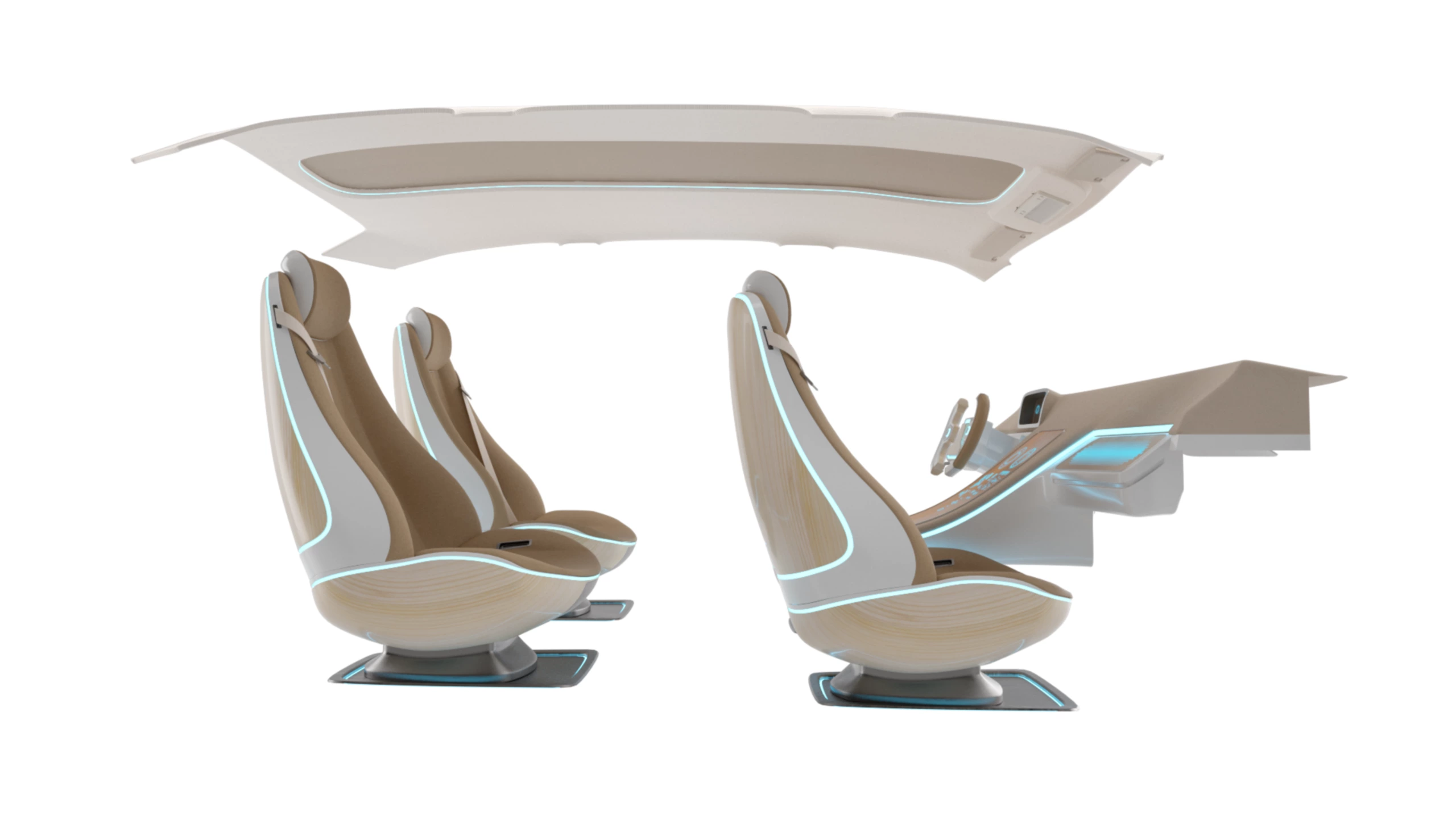
With the wide variety of materials used in interior assembly, finding reliable, fast, and efficient bonding solutions remains a major challenge for Original Equipment Suppliers (OES). Common applications include headliners, door panels, instrument panel assemblies, seats, decorative trims, and water-shield assemblies — all of which require fast-setting hot melt adhesives to ensure assembly line efficiency.
The Importance of Automotive Interior Adhesives
A significant portion of the approximately 15 kg of adhesives used in each vehicle is applied to the body and related interior components. For body applications, key requirements include high mechanical strength and excellent chemical resistance. In contrast, interior applications increasingly focus on design flexibility and production efficiency — both of which are fully supported by advanced bonding technologies.
Customers place great value on the aesthetics and quality of interior components, and adhesive bonding provides the ideal joining solution for creating clean, visually appealing connections with efficient processing. In addition, high automation compatibility and fast cycle times make adhesive technology particularly advantageous in interior assembly processes.
Furthermore, the automotive industry continuously seeks innovative lightweight technologies and sustainable solutions to deliver greater value to customers. This drives demand for high-performance interior adhesives capable of meeting the diverse needs of assembly, installation, and laminating operations for premium interior components.
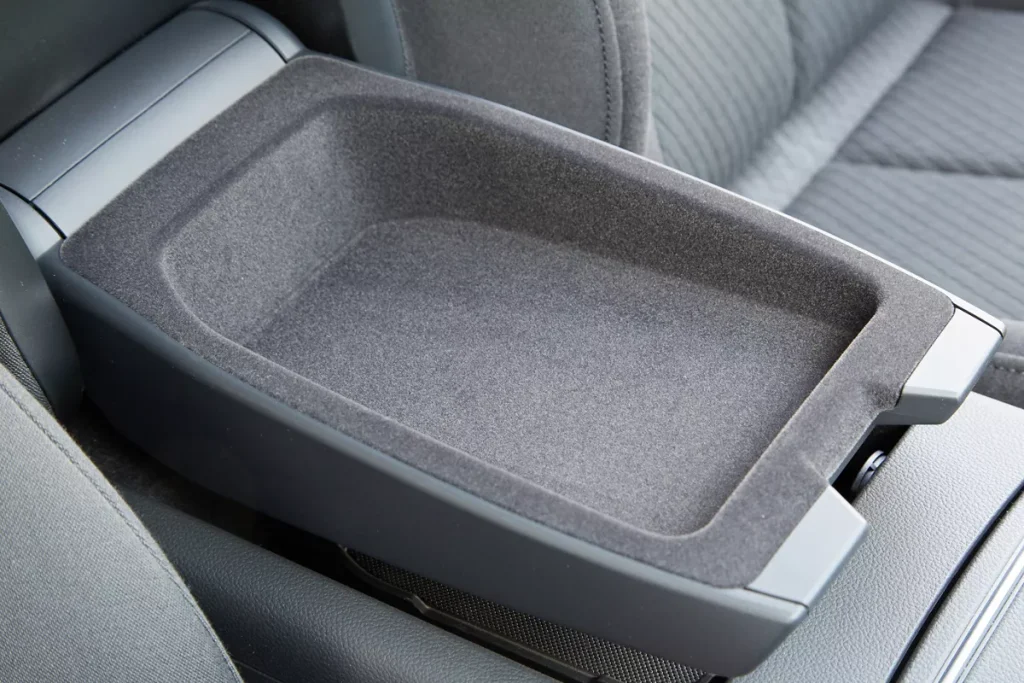
Ultimately, automotive interior adhesives help eliminate the need for heavy metal fasteners while enhancing the overall structural integrity of interior assemblies. Additionally, flocking materials are applied in vehicle interiors to improve aesthetics, increase surface friction and grip for various components, and reduce cabin noise caused by vibrations.
Door System Bonding
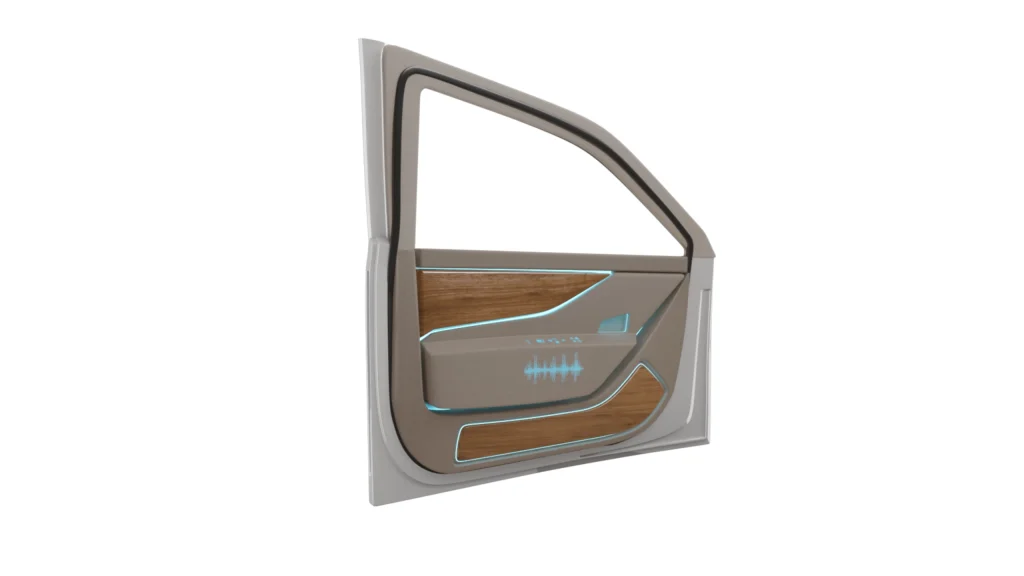
Automotive Door Panel Bonding:
The adhesive portfolio for automotive door panels provides high heat resistance, fast bonding and sealing performance, making it ideal for laminating and decorative trim applications. Non-yellowing formulations are particularly beneficial for edge wrapping of light-colored fabrics and are also well-suited for laminating semi-transparent materials. These versatile interior door panel adhesives are commonly used on armrests, door bolsters, and door beltline areas.
With high strength and long-term durability, door panel adhesives ensure excellent performance and stable, reliable bonding results in automotive interior solutions.
Door Trim Bonding:
During door trim panel manufacturing, automotive component suppliers face significant challenges in securely bonding various multi-layer materials while meeting key requirements:
- Enhanced design aesthetics and passenger comfort
- Improved production efficiency and process stability
- Optimized manufacturing cost and performance
Selecting the right adhesive for door trim bonding allows manufacturers to achieve these goals efficiently. Adhesive technologies offer the following advantages:
- Strong bonding and excellent aging resistance, increasing long-term durability
- Multi-substrate adhesion compatible with lightweight materials (natural fibers) and plastics (ABS, PP), enabling greater design flexibility
- Easy application and primerless adhesion, improving overall production efficiency
Fast processing and multi-material bonding are essential demands in modern automotive door system assembly. Adhesives meet both requirements with rapid curing and excellent adhesion without the need for solvents.
Solvent-based adhesives allow bonding of even the most challenging materials without requiring primers, while offering short open times and fast setting. Thermoplastics, which are typically difficult to bond, are becoming future materials in the automotive industry due to their low cost and recyclability.
In many cases, surface pretreatment is required to achieve sufficient surface energy for strong adhesion. However, with solvent-based adhesives, pretreatment can often be skipped, simplifying and accelerating the process.
Which Adhesive Should Be Used for Upper Door Trim?
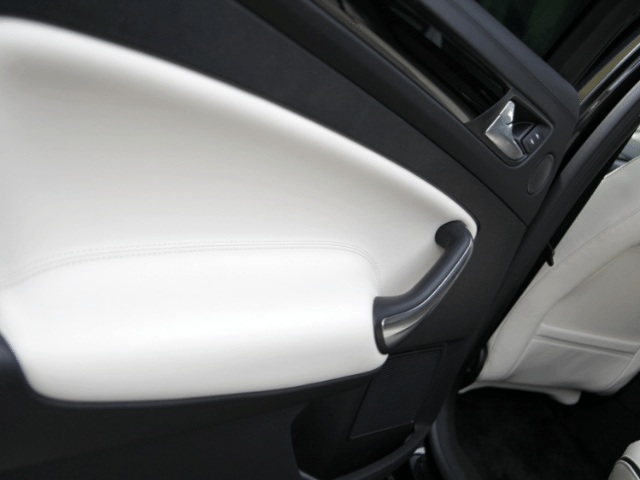
Upper Door Trim Bonding
Water-based adhesives are recommended for upper door trim applications due to their low VOC content, cost-effectiveness, and reliable bonding performance. Additionally, hot melt polyurethane (HMPUR) and solvent-based adhesive technologies can also be used depending on the manufacturing process and equipment in place.
Some manufacturers utilize vacuum forming technologies, while others rely on manual processes. Both water-based and solvent-based adhesives are easy to apply using spray application methods. Water-based adhesives provide the most sustainable solution, while solvent-based adhesives remain the conventional choice. For applications involving high temperature challenges, Hot Melt Polyamide (HMPO) adhesives are considered an ideal solution.
Seat System Bonding
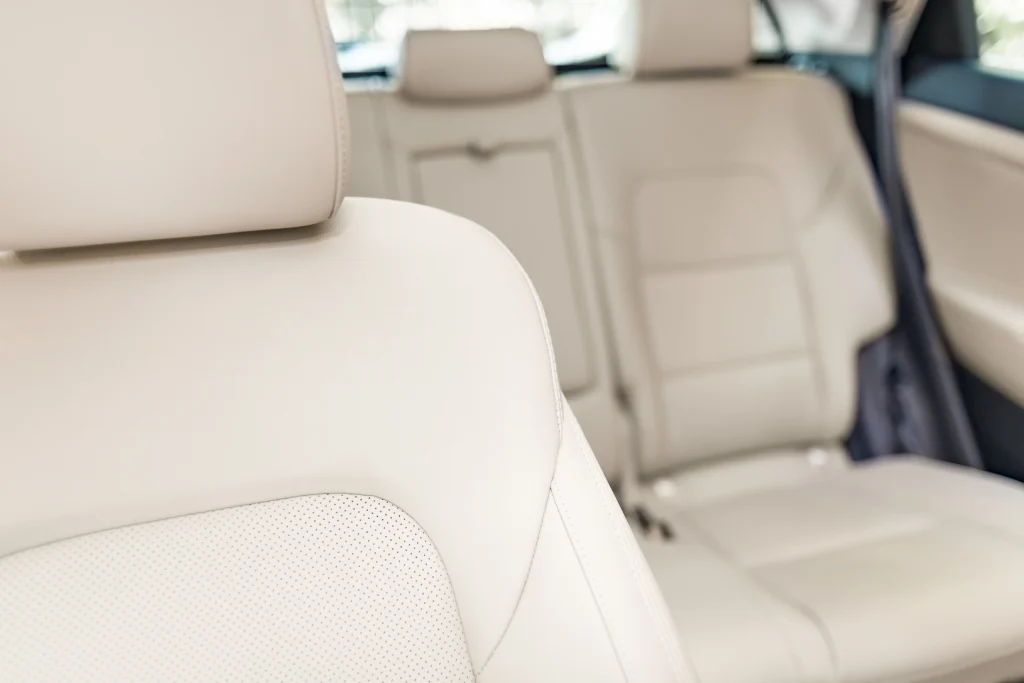
In automotive interiors, seating systems play a critical role in consumers’ vehicle purchasing decisions. As an OEM or OES, it is essential to ensure that your seat designs — including cover fabrics, stitching, cushioning, airbags, and other components — meet the following customer expectations:
- Enhanced comfort with features such as adaptive seat positioning and heating systems
- Optimized space utilization to address evolving interior needs, particularly with the rise of autonomous driving
- Improved sustainability by utilizing environmentally friendly fabrics that reduce landfill waste
Comfort and durability are key performance factors for seating systems. Automotive seat cover adhesives are used to bond cushioning and upholstery layers to a variety of composite substrates. Therefore, adhesives for seat assembly require high flexibility to meet long-term usage demands.
With a full portfolio of seating adhesive technologies — including hot melt, water-based, epoxy, and polyurethane systems — manufacturers can address consumer needs while improving overall production efficiency. These adhesive technologies offer:
- Moderate heat activation temperatures and good breathability, enhancing haptics, comfort, and aesthetics
- Excellent heat resistance, improving material durability and longevity
- Strong adhesion to complex shapes and difficult substrates such as leather, foam, and thermoset composites, expanding interior design possibilities
- Mono-material bonding solutions, supporting environmental sustainability and recyclability
Instrument Panel Bonding
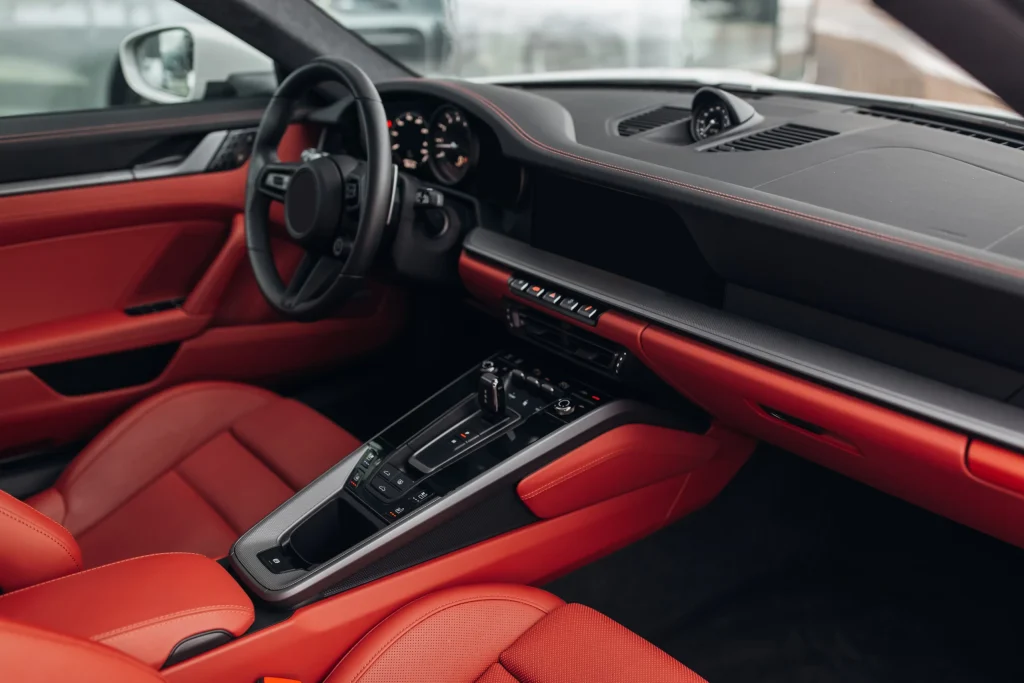
As consumers increasingly prioritize vehicle design, comfort, and sustainability, instrument panel manufacturers (Instrument Panel OES) must carefully consider the impact on vacuum forming, press bonding, and edge wrapping processes, as well as on the final product quality. Selecting the appropriate adhesive technology allows instrument panels to meet the following key requirements:
- Expanded design flexibility while maintaining high bond strength
- Enhanced aesthetics and durability without damaging substrate surfaces
- Improved sustainability and worker safety without adding complexity to manufacturing processes
Instrument panels often incorporate premium surface finishes and decorative elements such as leather coverings or wood veneers. Therefore, high heat-resistant panel adhesives are applied during laminating and decorative bonding stages. These adhesives offer excellent elasticity, allowing them to accommodate material expansion and contraction due to temperature fluctuations while maintaining durable, long-lasting bonds.
Typical applications for interior panel adhesives include center consoles, instrument clusters, and glove compartments.
Advanced Adhesive Technologies for Instrument Panel Applications
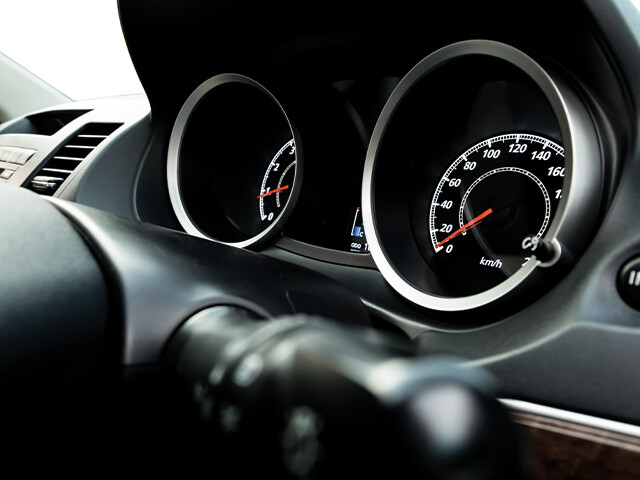
With water-based adhesive technologies for instrument panel bonding, manufacturers can easily meet evolving market trends while effectively addressing common production challenges. These benefits include:
- High adhesion to low surface energy substrates such as PVC and TPO, improving bonding performance across a wide range of material designs
- Fast heat response at low activation temperatures, delivering superior surface aesthetics compared to certain other technologies that may damage materials
- Excellent plasticizer resistance, increasing bond durability and long-term performance
- Low VOC formulations, improving worker safety and reducing environmental impact
- High solids content, optimizing production efficiency
Display Bonding in Automotive Applications
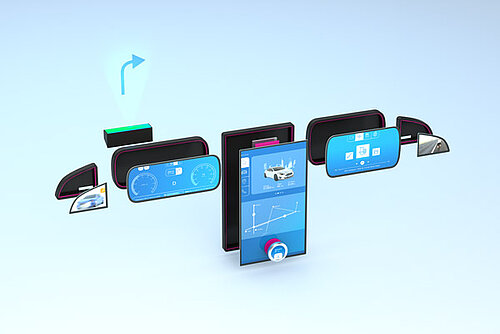
Display Bonding in Automotive Applications: From Cockpit to Control Center
Navigation, infotainment, touch control, and head-up displays are composed of multiple subassemblies that must be permanently bonded together. Various adhesives can be used for structural bonding between display frames and protective glass, bonding and sealing displays into housings, attaching functional components for haptic feedback, and assembling head-up display systems.
In particular, UV-curing acrylate adhesives offer superior outgassing control compared to silicones and achieve full bond strength within seconds under UV exposure.
Typical applications include:
- Cockpit information systems
- Cockpit instrument displays
- Car audio and infotainment displays
- Navigation and entertainment systems
- Display protection glass
- Head-up displays
When integrating displays into assemblies, it is critical to create stable, stress-free bonds between the display glass and the frame, as well as between various retainers, housings, and functional components. Additionally, the larger size of many display assemblies often requires the use of room-temperature curing adhesives.
Specialized adhesive systems have been developed with optimized properties that enable fast production processes. These include adhesives that can be preactivated by light and subsequently cured by moisture, allowing for curing on demand. Even opaque components can be bonded quickly and reliably using this technology.
Liquid pressure-sensitive adhesives provide another solution for bonding display frames. They combine the benefits of industrial tapes with the easy, fully automated processing of liquid adhesives.
Typical bonding tasks include:
- Structural bonding of displays to frames and housings
- Sealing of display housings
- Bonding operating elements to display protection glass
- Bonding and protection of components such as COG/COF or flex conductors to displays
- Bonding functional components to the display assembly (haptic feedback)
- Bonding components in head-up display systems
LED Packaging Adhesives
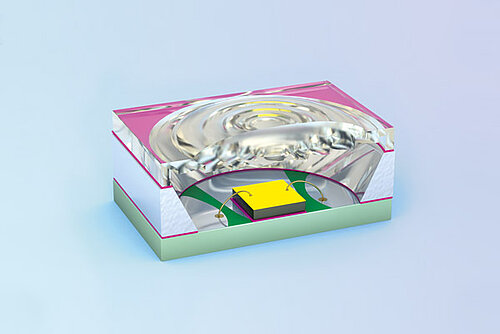
LEDs are a key design element in automotive interiors, creating a pleasant atmosphere through ambient lighting. Additionally, LEDs contribute to improved driving safety as they can serve as visual alerts for drivers in certain situations.
Functional adhesives play a critical role in LED package manufacturing, ensuring uniform, sharp diode illumination while supporting high-speed production processes. A wide range of adhesives has been developed for both first- and second-level LED packaging.
- In first-level packaging, adhesives are applied directly around the LED semiconductor chip.
- In second-level packaging, adhesives are used to bond lenses, cover plates, and housings surrounding the LED module.
The adhesive portfolio for optoelectronics includes:
- Transparent, low-outgassing adhesives
- Tension-equalizing adhesives
- Electrically conductive adhesives
- Die attach and structural bonding adhesives
Additionally, customized optical coatings are available for controlled transmission, reflection, and absorption properties, along with encapsulants for sensor protection. Users can select adhesives with different curing mechanisms depending on component geometry and material combinations.
Key performance properties of LED adhesives:
- Low outgassing
- Very low shrinkage
- Optically clear
- Yellowing-resistant
- Reflow-resistant
Steering Wheel Bonding
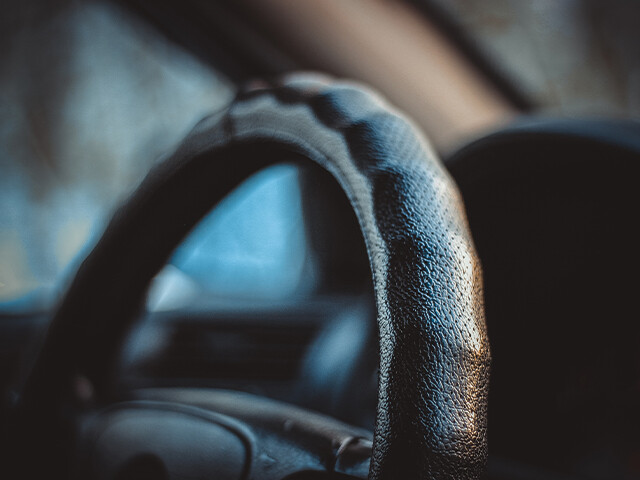
As consumers place increasing emphasis on interior aesthetics, haptics, digital functionality, and comfort, component manufacturers (OES) must carefully consider material selection for steering wheel assemblies, particularly for sensor and signal capture integration. However, this process can be challenging when using adhesives that:
- Are incompatible with the desired steering wheel cover materials
- Cannot meet the required thermal performance specifications
- Create excess stress and load at the steering wheel edges
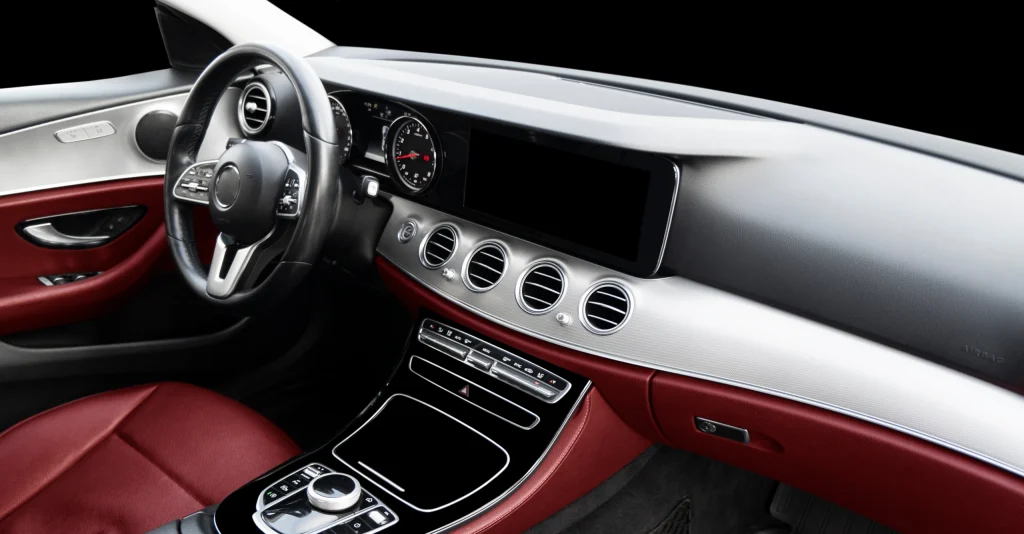
High-elasticity automotive interior adhesives deliver outstanding performance for a wide range of steering wheel applications. Additionally, automotive flocking materials are used to increase grip and friction on the steering wheel, improving handling and driving feel. Adhesive requirements include:
- High compatibility with various substrates such as polyurethane foam, release agents, and leather, enhancing bond strength and long-term durability
- Low-temperature reactivation capability, minimizing material damage and improving haptic quality
- Excellent resistance to heat, humidity, and sweat, improving surface aesthetics and longevity
- Solvent-free, low-VOC formulations, ensuring worker safety and reduced environmental impact
- High green strength and full compatibility with automated production lines, optimizing manufacturing efficiency
Headliner & Overhead Bonding
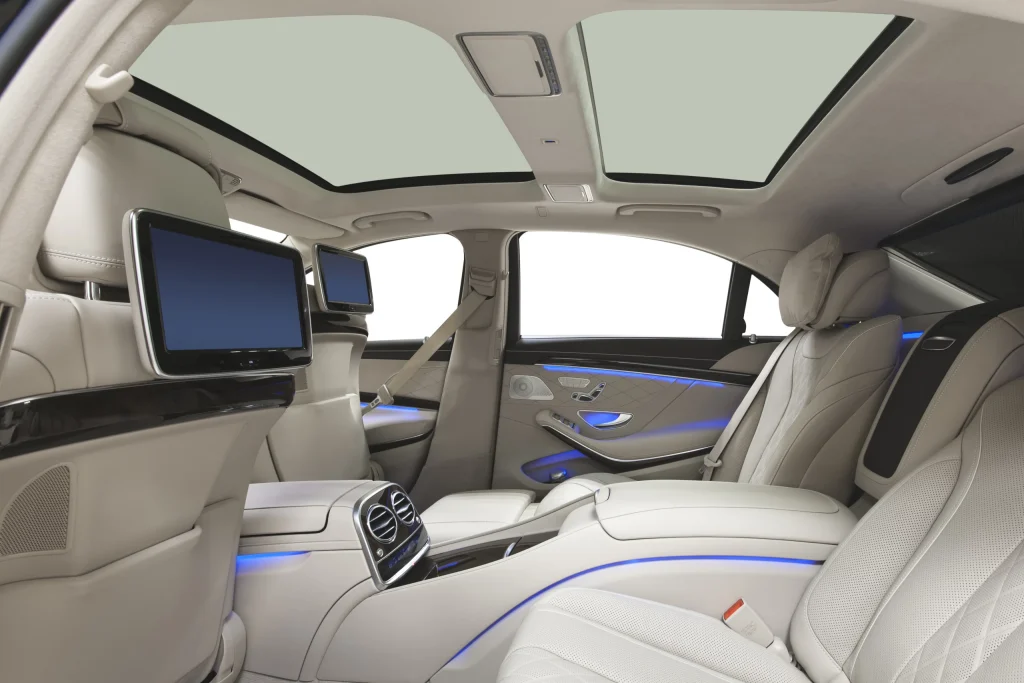
The headliner and overhead areas in automotive interiors require high heat-resistant materials, as these components are often exposed to direct sunlight for extended periods. A wide range of sprayable adhesives for headliner and overhead bonding is available, offering fast curing and excellent heat resistance.
These adhesives are suitable for bonding felt and acoustic insulation mats, as well as attaching plastic and metal components. Additionally, headliner adhesives can be used in laminating applications for sun visors, pillar trim, and various substrates found in headliner and overhead assemblies.
Carpet & Textile Bonding
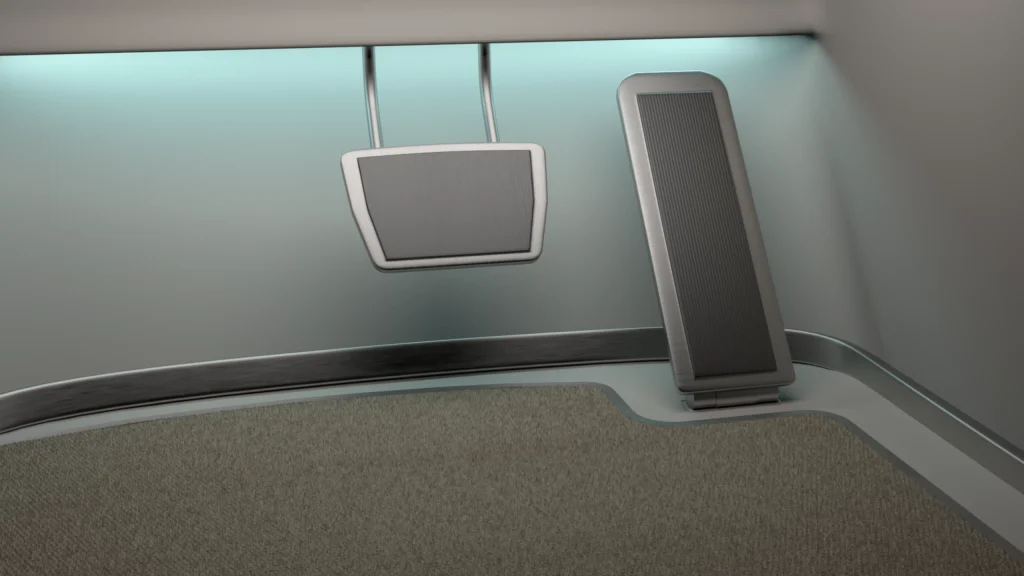
Meeting consumer preferences while maintaining competitive costs and high quality remains a challenge for Original Equipment Suppliers (OES), particularly when manufacturing automotive carpets. In addition to providing cabin noise insulation and protecting the vehicle from dirt, water, and other damaging elements, carpets must also:
- Improve production efficiency
- Enhance sustainability
- Improve passenger comfort and safety
Carpet and textile bonding in automotive interiors typically requires adhesives with low VOC content, minimal fogging, and long open times.
A wide range of automotive interior adhesives is commonly used for bonding carpets and textiles to metal or composite substrates on load floors, seat backs, and other interior areas. Additionally, carpet adhesives are also used to bond felt and acoustic insulation mats for improved vehicle sound insulation.
Key requirements for carpet bonding adhesives include:
- Maintaining fast production line speeds through immediate substrate adhesion
- Improving recyclability at end-of-life due to compatibility with polyester carpet materials
- Reducing environmental impact through solvent-free adhesive technologies
- Increasing passenger safety and comfort with low-odor formulations
What Properties Should Carpet Bonding Adhesives Have?
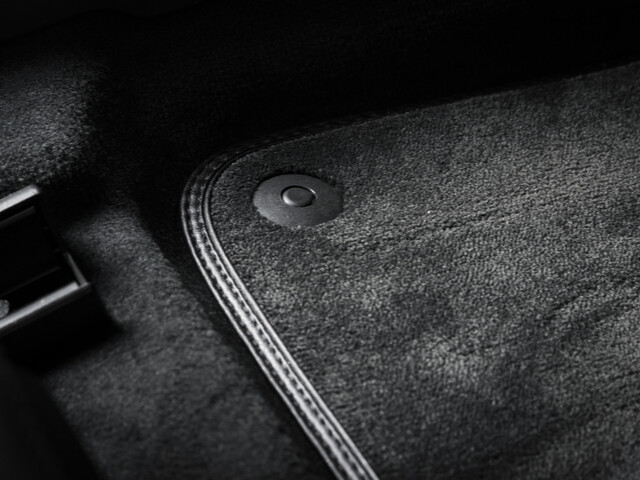
The adhesive portfolio includes film adhesives (Films), web adhesives (Webs), hot melt pressure sensitive adhesives (Hot Melts Pressure Sensitive Adhesives), hot melt polyamide adhesives (Hot Melts Polyamide), and various other technologies. This broad adhesive range provides excellent resistance to moisture, humidity, high and low temperatures, and other environmental conditions. In addition, low-solvent adhesive solutions have been developed to minimize environmental impact and ensure user safety.
Sustainability and environmental responsibility are becoming increasingly important factors — and are now key trends for carpet applications.
Adhesive solutions enable automotive carpet recycling by supporting mono-material constructions. Polyester, a highly recyclable material, is widely used in automotive carpet manufacturing. As a result, polyester hot melt adhesive technology allows full recycling of 100% polyester carpet structures.
Why is polyester adhesive commonly used in carpet bonding applications?
Polyester adhesives increase production efficiency by eliminating the drying time required for water-based adhesives. Additionally, polyester adhesives offer manufacturing flexibility, as they can be used for both residential and commercial carpet applications.
Polyester adhesives are fully compatible with commonly used polyester carpet materials. Unlike water-based adhesives, entire carpets can be easily recycled without separating multiple layers of materials. Furthermore, polyester adhesives allow roll coating and immediate bonding of materials, eliminating the need for drying ovens required by water-based systems.
Automotive Watershield Bonding
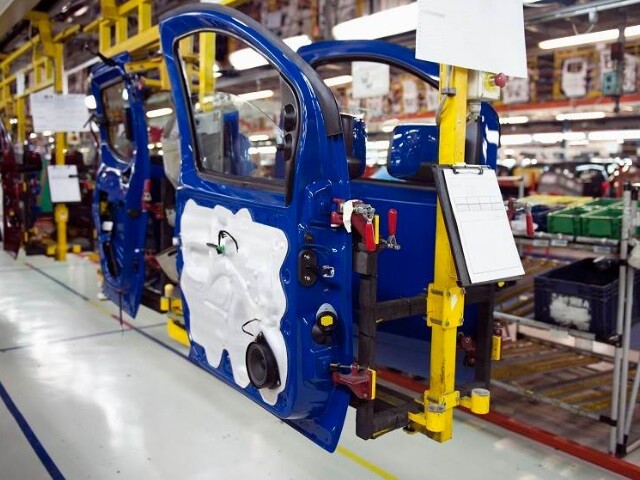
As an automotive OEM or OES, it is critical to ensure that watershields effectively protect the vehicle interior from external environmental factors such as water, dust, and noise. However, achieving a perfect seal is challenging, especially when simultaneously aiming to:
- Improve production efficiency
- Reduce material usage and waste
- Enhance performance and aesthetics
When using foamed hot melt pressure-sensitive adhesive (Foamed Hotmelt PSA) technology:
- Reduced repair time due to easy repositioning and simple cleanup
- Improved efficiency with primerless adhesion to steel and aluminum substrates
- Lower adhesive consumption by introducing gas into the hot melt to create foamed beads
What are the differences between non-foamed and foamed hot melt adhesives?
Foamed hot melt adhesives are created by introducing an inert gas (such as nitrogen) into the hot melt. This process offers several notable advantages, including improved gap-filling capability. Other benefits include:
- Reduced weight
- Extended open time
- Easier compression during assembly
- No memory effect at corners
When using Butyl adhesive technology:
- Increased production speeds due to room-temperature application and direct sealing at the OEM assembly plant
- Greater process flexibility with both manual and automated application capabilities
Regardless of the adhesive technology selected, overall watershield performance is improved by:
- High heat and humidity resistance to withstand harsh environmental conditions
- Excellent tack and cohesion, resulting in strong and durable multi-material bonding
What Is a Watershield?
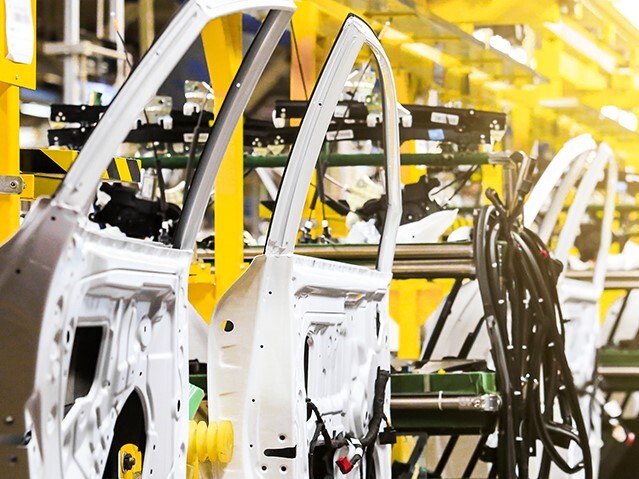
Watershields serve to protect the vehicle interior by preventing water, dust, and noise from penetrating the cabin. Adhesives are typically applied using automated robotic systems.
For polyethylene sheets used for sound insulation and waterproofing, hot melt and butyl adhesives are commonly preferred.
For serviceable door modules or carrier plates, one-component polyurethane adhesives are considered the optimal solution.
Which Adhesive Technologies Are Used for Watershield Applications?
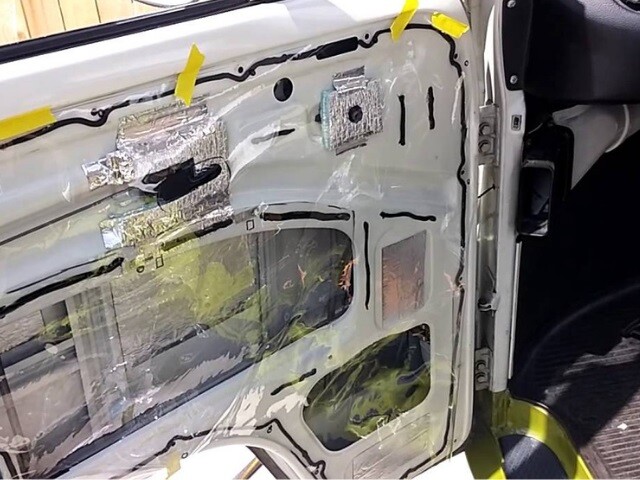
Hot Melt:
Based on polymers and closed-end chemical chains. The properties of hot melt adhesives are controlled through polymerization and contain crystalline components. Hot melts must be heated to flow and be applied.
Hot Melt Foamed/Foamable:
Specially formulated to allow the addition of inert gas (typically nitrogen), which reduces assembly compression force, ensures uniform bonding, and minimizes material memory effects.
One-Component Polyurethane:
An elastomeric polyurethane with foaming capability that requires only a single component for application.
Butyl:
A natural rubber-based adhesive. It is a heavily filled material with open chemical chain structures. Butyl contains no crystalline components, which makes it more prone to flow.
Weatherstrip Adhesives
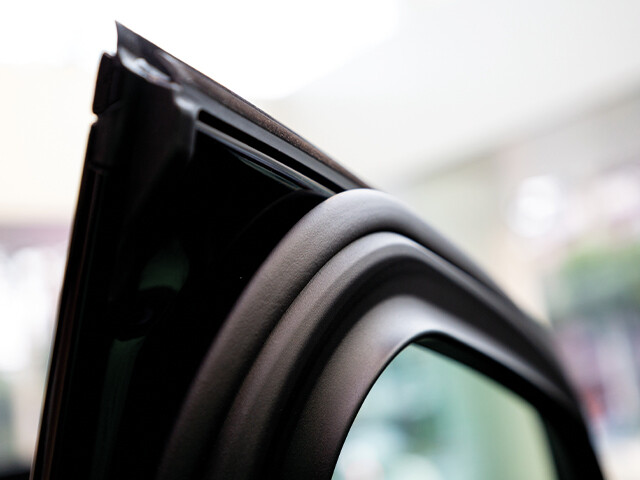
When manufacturing automotive weatherstrips, Original Equipment Suppliers (OES) must ensure the correct material selection for gap filling, flocking, and rubber bonding applications. Otherwise, they may face significant challenges in:
- Increasing production line speeds while maintaining consistent product quality
- Reducing vehicle weight and environmental impact without compromising performance
- Minimizing noise, vibration, and harshness (NVH) while withstanding extreme temperature conditions
What Is a Weatherstrip?
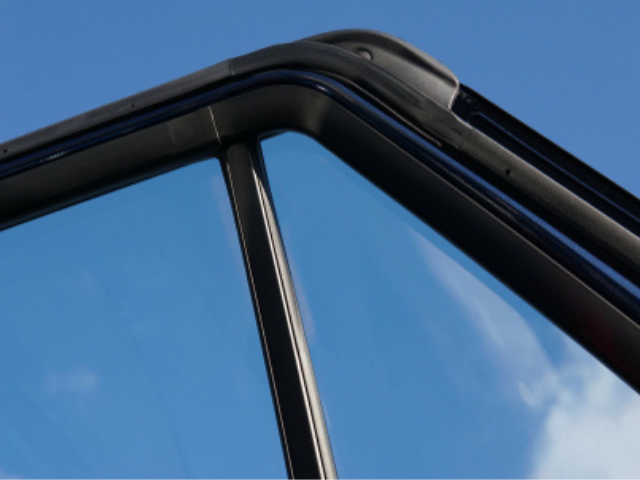
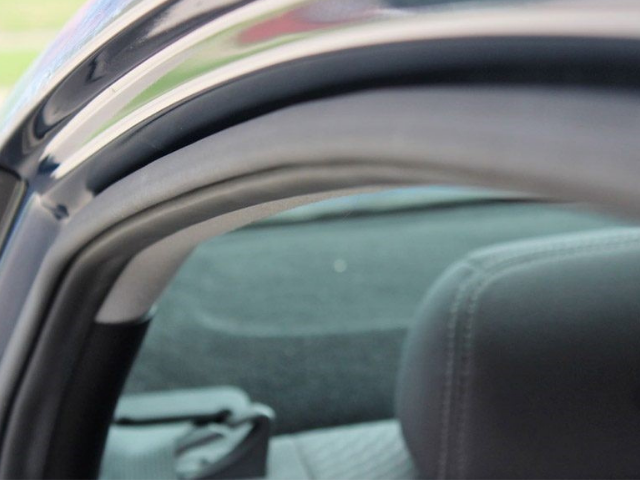
A weatherstrip is a material, typically made of rubber, used to seal the edges of doors, windows, windshields, and other areas of the vehicle. Its function is to prevent rain, snow, wind, and other external elements from entering the vehicle interior.
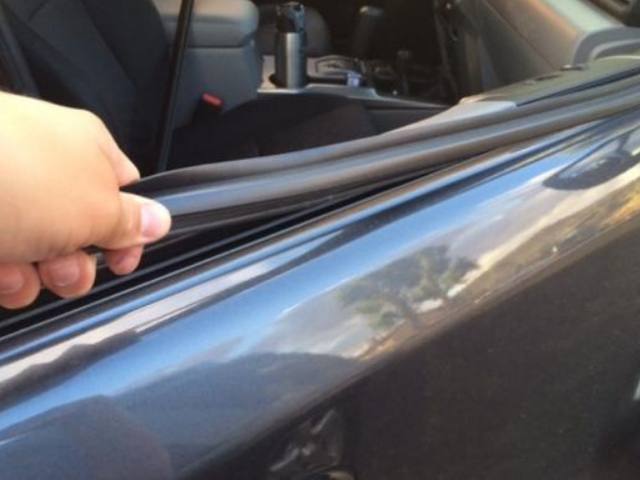
Weatherstrips can be found in areas such as the car roof, windshield, windows, cowl, and various other locations.
What Are the Required Properties of Adhesives Used for Weatherstrips?
Adhesives for weatherstrips must offer high flexibility, excellent water resistance, and good vibration damping. Additionally, they should be easy to apply by brush, and resistant to oils, solvents, detergents, and temperature fluctuations. Finally, the adhesives must provide strong adhesion to rubber, bi-component rubber, or synthetic rubbers such as EPDM.
How to Ensure a Strong Bond Between Weatherstrip Seals and Weatherstripping Film Adhesives?
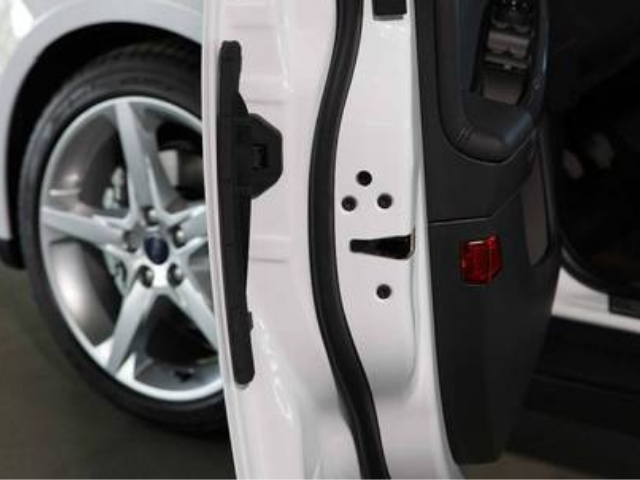
To ensure a strong bond between weatherstrip seals and weatherstripping film adhesives, consider the following tip: Grind both sides of the weatherstrip before bonding to create flat, straight, and smooth edges. This process enhances bond strength and consistency. Automated or manual grinding machines can be used to perform this preparation step.
Airbag Adhesive Bonding
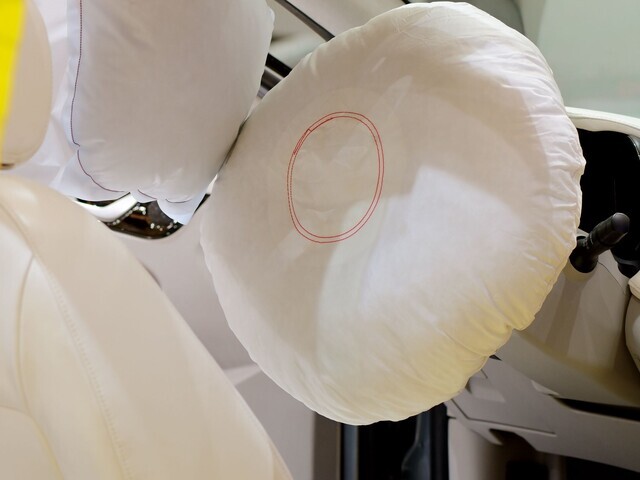
As demand for increased interior connectivity rises, OEMs and OESs seek to develop airbag systems that meet evolving safety requirements while also optimizing space and reducing weight. This becomes particularly challenging if the adhesive cannot meet the following performance demands for both one-piece woven (OPW) curtain airbags and side airbags:
- High bond strength even under extreme environmental conditions
- Compatibility with small or complex components while maintaining aesthetics
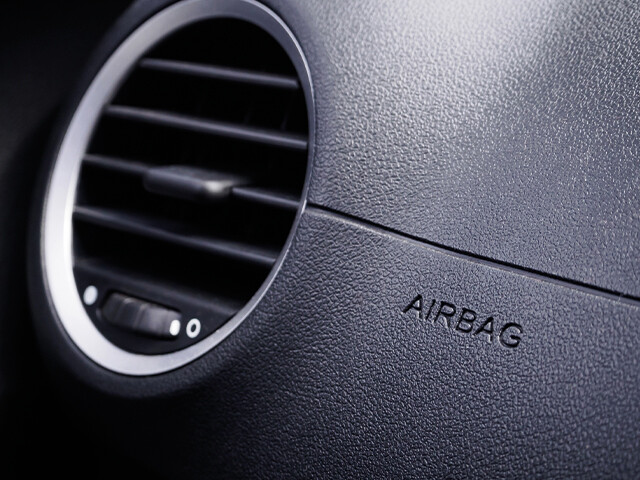
Airbag adhesives must provide:
- Excellent temperature, aging, and abrasion resistance to ensure passenger safety
- Compatibility with lightweight materials and complex part geometries, while minimizing adhesive excess to allow easy airbag integration into increasingly compact spaces
- Primerless application and high process repeatability to improve manufacturing efficiency
- Low VOC content and high recyclability to reduce environmental impact
Automotive Interior Laminating
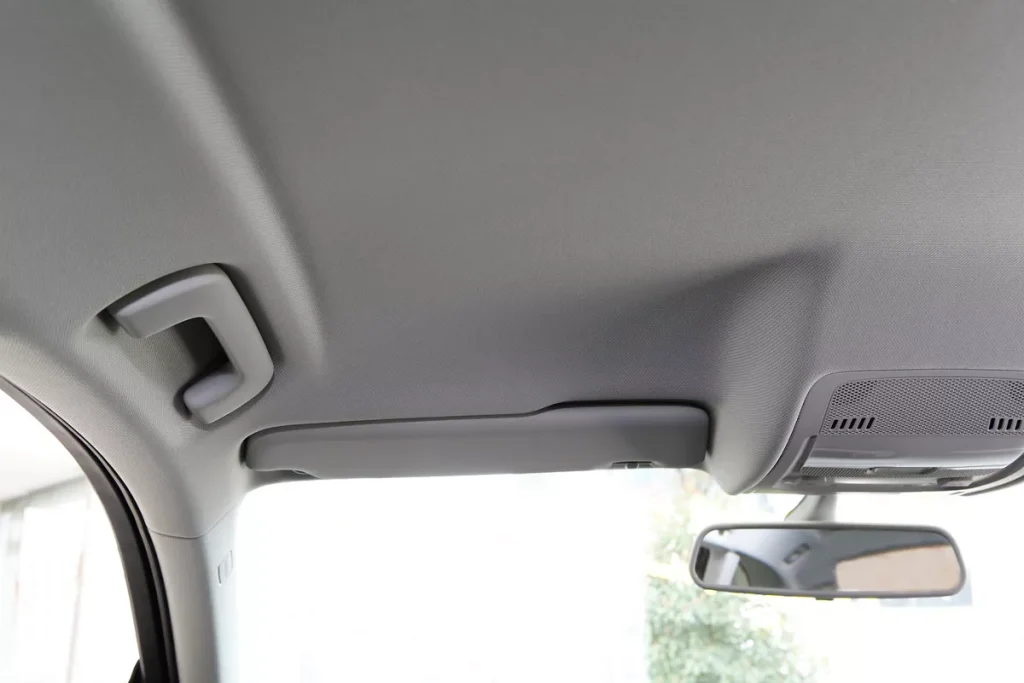
Requirements for Automotive Interior Laminating Adhesive Applications
Sound insulation and, in particular, pleasant haptics contribute significantly to a comfortable user experience in modern vehicles. Today’s cars are manufactured using new, increasingly lightweight materials that typically offer very high quality.
Adhesives used in the automotive industry must meet extremely stringent standards. Depending on geographical location and climate conditions, even the vehicle interior can be exposed to substantial temperature variations. Automotive manufacturers also face complex production processes with increasingly shorter cycle times.
Growing demands for workplace safety and environmental protection are driving the adoption of low-emission adhesives with reduced free monomeric isocyanate content. The final products themselves must also comply with strict emission regulations during use. These factors require automotive manufacturers and suppliers to rely on intelligent and efficient adhesive solutions.
Applications
Automotive interior laminating involves bonding a wide variety of materials. During vehicle operation, these components are continuously exposed to temperature changes, humidity, vibration, and passenger usage. Therefore, adhesive selection is critical to ensure both process stability and production reliability.
Typical applications for automotive interior laminating adhesives include:
- Instrument panels & dashboard areas
- Center consoles
- Seat backs
- Door panels
- Headliners
Laminating Various Material Combinations
Aesthetics and haptic quality are key factors in interior design. Carrier materials are typically made of lightweight, stable plastics or fiber composites — for example, fiberglass or natural fibers such as hemp or flax — which are laminated with decorative materials.
Interior designers have a broad range of materials to choose from, including textile fabrics, synthetic leather, and real leather. Synthetic leather with foam backing is currently very popular: it is relatively cost-effective while providing a premium look and feel. Additionally, these materials offer sound-absorbing properties that enhance cabin acoustics.
Typical Material Combinations Include:
Carrier Materials:
- ABS
- PC
- PP
- Fiber composites
Decorative Materials:
- PVC/TPO
- Imitation leather films
- Textile laminates
- Real leather
Meeting the Requirements of Automotive Interior Laminating Processes
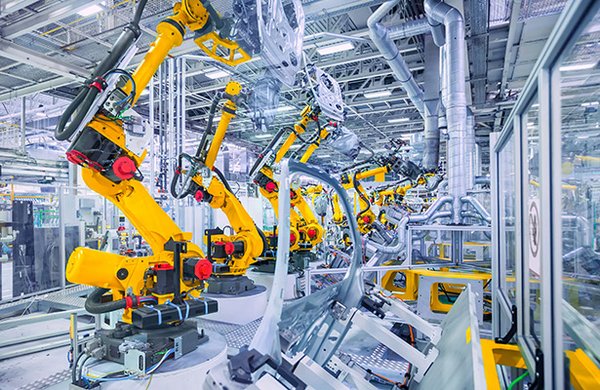
To ensure high-quality bonding and economic efficiency, the production process must be meticulously planned. The key success factor lies in the combination of properly configured equipment and a suitable adhesive formulation. For short cycle times, the adhesive must be easy to apply and provide high initial tack.
Reactive PUR hotmelts are recommended for automotive interior laminating applications. These adhesives can be customized to meet the specific end-product requirements as well as the complex parameters of modern manufacturing processes.
A typical laminating process for instrument panels using PUR hotmelt adhesives includes the following steps:
- The adhesive is applied to one of the bonding surfaces. This can be done using spray heads, rollers, or slit nozzles, and may be applied to individual decorative sheets or continuous material rolls in roll-to-roll processes.
- The decorative material and carrier substrate are then joined together under pressure and heat, which reactivates the adhesive through thermal input. Mold presses (negative/positive molds) and vacuum forming presses are typically used at this stage. At this point — particularly during mold opening — the adhesive must achieve high initial strength even while still hot. This is especially critical during edge wrapping processes.
- A chemical reaction (moisture crosslinking) generates an extremely strong and highly durable bond.
As emission limits in production environments become increasingly strict, adhesive manufacturers have adapted their products accordingly. With micro-emission (ME) adhesive systems, users can be assured of high workplace safety. Thanks to extremely low monomeric isocyanate content (<0.1%), G+H hazard statements are no longer applicable, eliminating many strict safety requirements, reducing equipment investment costs, and simplifying operator training.
Performance Requirements for Laminated End Products
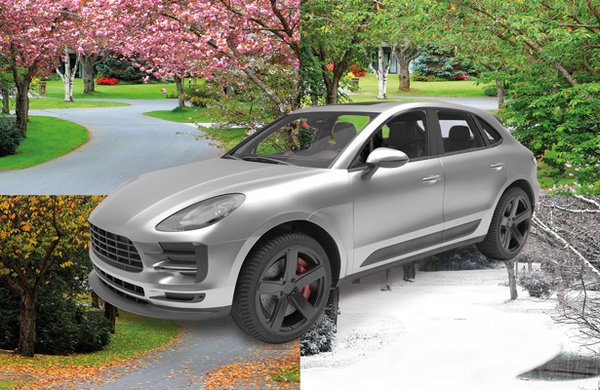
The adhesive bond must remain durable throughout the entire service life of the vehicle. Harsh weather conditions, direct sunlight, vibrations, and static loads must not compromise bond integrity, regardless of the materials used. Key performance properties required for automotive adhesives include:
- Short open times to support fast production cycles
- High initial tack, particularly important for complex edge wrapping applications
- Long-term resistance to heat, cold, moisture, abrasion, and mechanical wear
- Low emissions (VOC, interior fogging, and odor)
- High impact resistance (e.g. airbag deployment)
Automotive Trunk Bonding
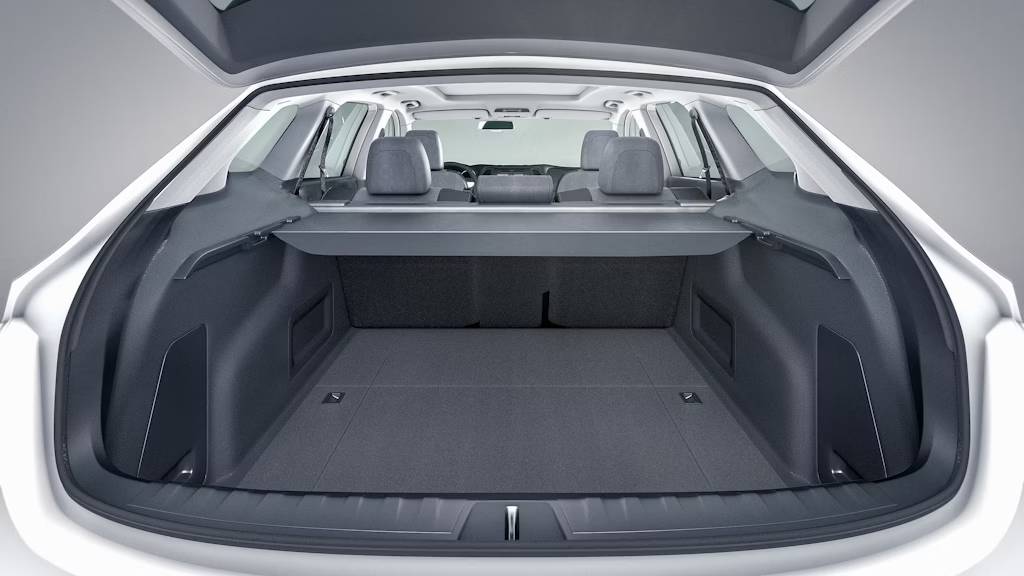
The automotive trunk has evolved significantly and is no longer used solely for storing luggage. Depending on the vehicle type and its intended purpose, the trunk serves multiple functions and is subjected to much higher mechanical loads than many other areas of the vehicle. The interior lining of the trunk is bonded using adhesives that ensure long-term durability and meet technical requirements consistently.
In automotive manufacturing, trunk assemblies involve various applications that require advanced adhesive solutions: from bonding floor panels and sidewalls to laminating trunk covers in station wagons. Adhesive technologies serve as reliable and flexible partners in this vehicle area.
- Trunk floors made of carpet and acoustic fleece are bonded using thermoplastic hot melt adhesives.
- Premium trunk floors are manufactured using GMPU boards (polyurethane honeycomb panels reinforced with fiberglass) in various geometries, laminated with carpet using polyurethane adhesives. These adhesives provide high recovery force resistance for edge folding applications.
All adhesive types are suitable for both fully automated (inline) and semi-manual production processes, and they offer excellent heat resistance even under direct sun exposure.
Cable Harness Fixation Adhesives
In automotive cable harness fixation applications, hot melt adhesives provide highly reliable vibration-damping and sealing protection. The specially formulated adhesives exhibit excellent flexibility and superior flame-retardant properties (UL94 V-0 rating), effectively preventing wire wear and short circuits caused by vehicle vibrations.
These adhesives support multiple application methods such as spraying and dispensing, and can adapt to complex wiring configurations in high-temperature areas like engine compartments, ensuring stable and long-lasting cable fixation performance.
Interior Decorative Bonding
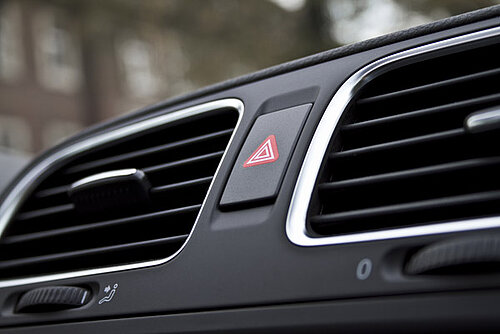
Decorative elements and trims such as chrome rings on air vents, real wood inserts on doors and steering wheels, and dashboard claddings are bonded using adhesives. Compared to screws, adhesive bonding offers invisible joints and provides greater reliability than snap-fit assemblies.
Whether applied as conventional liquid adhesives or as liquid pressure-sensitive adhesives (“liquid tapes”), these adhesive solutions meet both mechanical and thermal requirements for interior applications while offering significant production advantages. They are suitable even for highly complex geometries and enable fast light-curing processes, even with opaque materials such as chrome rings.
With preactivation technology, the adhesive remains liquid after dispensing and brief irradiation, allowing easy assembly even for opaque components. After the open time, the adhesive fully cures within minutes without further exposure to light.
The same principle applies to liquid pressure-sensitive adhesives: after irradiation, the surface becomes tacky. When the second component is pressed on, initial strength is achieved immediately, allowing subsequent production steps without temporary fixation.
These interior and decorative bonding solutions are available in both flexible acrylate formulations and more rigid epoxy systems for structural bonding applications.
Key Adhesive Requirements for This Application:
- Good resistance to thermal cycling
- High flexibility
- Fully compatible with automated production lines
- Suitable for opaque materials
- Available as liquid pressure-sensitive adhesives
Contact Information
Hitta specializes in providing industrial and commercial adhesive & tape solutions. Contact us for the most efficient and cost-effective adhesive solutions:
- ☎️ Hotline: 0565.336.879
- ✉️ Email: hittajsc@hitta.vn





