Market Requirements
Electric motors are increasingly optimized for size, weight, and power—and one of the key enablers behind this evolution is the use of advanced adhesive technologies in their construction. In practice, adhesives do far more than simply bond components; they significantly expand design flexibility and enhance overall motor performance.
Compared to traditional mechanical joining methods, adhesives offer clear advantages. They do not interfere with magnetic fields, allow for uniform stress distribution rather than stress concentration at joint نقاط, and help reduce vibration and noise. At the same time, they improve internal protection and structural integrity.
As industries such as automotive continue to push stringent SWaP (Size – Weight – Power) requirements, adhesives have become a strategic solution to reduce size and weight while maximizing output. Beyond material benefits, adhesive processes are also highly compatible with automation, helping manufacturers lower costs and improve production efficiency.
Adhesives are used across multiple stages of motor assembly, with one of the fastest-growing applications being the bonding of permanent magnets. Depending on power requirements, different magnetic materials are selected. For example, DC motors used in fans (such as automotive ventilation systems) typically rely on ferrite magnets with simpler configurations. In contrast, electric vehicle drivetrains require high torque density and therefore use rare-earth magnets such as neodymium–iron–boron for superior performance.
During electric motor assembly, adhesive and sealing solutions deliver several key benefits:
- Minimize magnet gaps, improving corrosion resistance and overall durability
- Maintain insulation between laminations, enhancing efficiency
- Reduce vibration and operational noise
- Prevent leakage of air and fluids
- Simplify manufacturing processes
- Enable easier automation implementation
Temperature Considerations & Magnet Performance
Temperature is a critical factor influencing magnet performance, with two key thresholds to consider:
- Maximum operating temperature: As temperature increases, magnetic strength decreases. However, as long as this limit is not exceeded, full magnetic strength is restored upon cooling.
- Curie temperature: Beyond this point, a magnet permanently loses its magnetism. Between the maximum operating temperature and the Curie point, partial irreversible loss begins to occur.
Different magnet materials behave differently. Ferrite magnets can typically operate up to around 180°C but perform poorly at subzero temperatures. High-temperature neodymium magnets, on the other hand, can function up to approximately 200°C.
Therefore, operating temperature and bonding method are decisive factors in adhesive selection. Adhesives must not only provide strong bonding but also maintain stability under thermal and environmental stress.
In real-world manufacturing:
- Two-part epoxy adhesives are commonly used for magnet bonding due to their excellent thermal stability, chemical resistance, and long-term durability—even under high-temperature oil exposure.
- Anaerobic adhesives are favored in high-speed production environments, offering rapid fixturing and even instant UV pre-fixation to shorten assembly cycles.
Adhesives are also used to create segmented magnets—typically neodymium—which reduce eddy current losses, minimize heat generation, and improve efficiency, especially in automotive applications.
Other Applications
Beyond magnet bonding, adhesives are widely used in critical motor components:
- Stator-to-housing bonding: Thin electrical steel laminations (often silicon-alloyed) are bonded to aluminum or magnesium housings, reducing deformation and ensuring even stress distribution compared to press-fitting or shrink-fitting.
- Shaft bonding: Enhances mechanical stability and precision during operation.
Overall, selecting the right adhesive is not solely about mechanical performance—it requires careful consideration of temperature, environmental conditions, and manufacturing processes. These factors ultimately determine long-term motor reliability and efficiency.
Advantages of Adhesive Solutions
Compared to conventional methods such as welding, riveting, mechanical fastening, or tapes, adhesives provide significant advantages:
- Extend motor lifespan without damaging magnets
- Enable bonding of dissimilar materials
- Reduce risks associated with solvents and metal welding
- Improve product aesthetics
- Increase production speed
- Minimize vibration and noise
- Prevent corrosion
- Optimize overall costs
Adhesives in Assembly & Protection
Adhesives are increasingly replacing press-fit and shrink-fit methods in shaft bonding. They eliminate play and slippage while protecting against fretting and wear over time. Low-viscosity anaerobic adhesives are typically used due to the small bonding gaps and need for capillary action.
Sensitive motor components also require protection against moisture, shock, and vibration. Potting compounds are used with key properties such as:
- High thermal conductivity for effective heat dissipation
- Low thermal expansion to minimize stress
- Low viscosity for proper flow and coverage
- Fast light fixation and thermal curing
Another important application is Cure-in-Place Gasketing (CIPG). Instead of traditional pre-cut gaskets, liquid sealants are dispensed directly onto the motor housing. These materials can cure rapidly under UV light and often include fluorescent agents, enabling automated optical inspection (AOI) to verify complete bead formation before assembly.
Key benefits of CIPG include:
- Elimination of inventory for multiple gasket sizes and shapes
- Ability to form complex and 3D geometries
- Greater flexibility with machined or molded surfaces, even with less-than-perfect smoothness
Overall, adhesive technologies not only enhance performance and durability but also streamline manufacturing—especially in environments demanding high precision and automation.
Quick Guide to Adhesive Selection
Choosing the right adhesive depends on several critical technical factors:
- Required bond strength.
- Cure speed.
- Temperature resistance.
- Substrate materials.
- Dispensing method.
- Preferred curing mechanism.
- Chemical resistance.
- Environmental durability.
Application Areas
Magnet Bonding
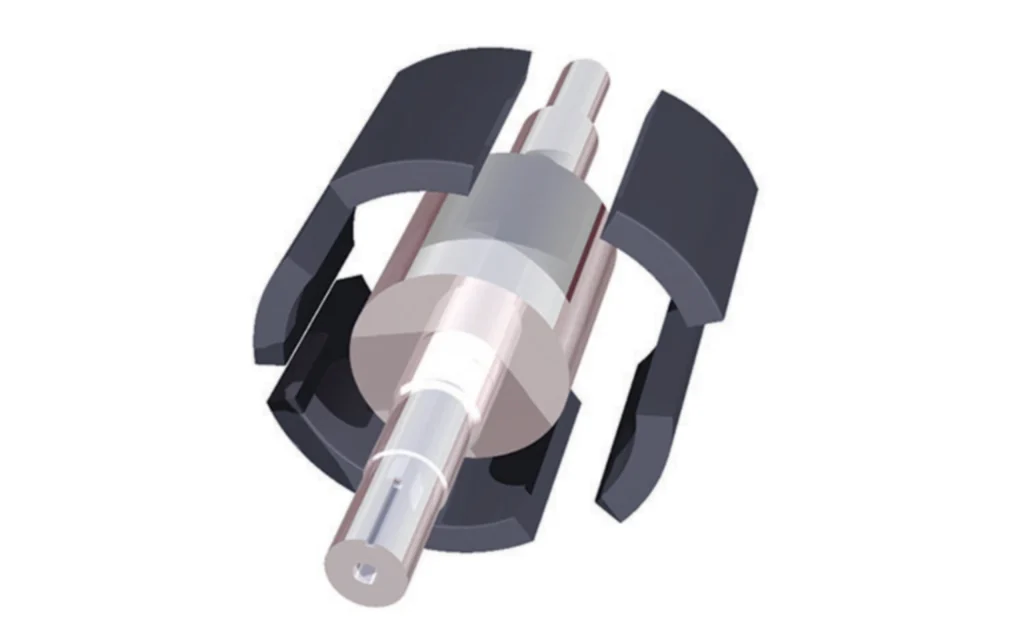
The use of specialized adhesives for magnet bonding eliminates the need for mechanical fasteners, reducing component count and optimizing manufacturing costs. At the same time, this approach enables more compact and streamlined motor designs.

In addition, adhesives effectively fill gaps between the stator and magnets, as well as between the rotor and magnets. This helps reduce assembly tolerances, improve alignment accuracy, and enhance overall motor performance.
Threadlocking
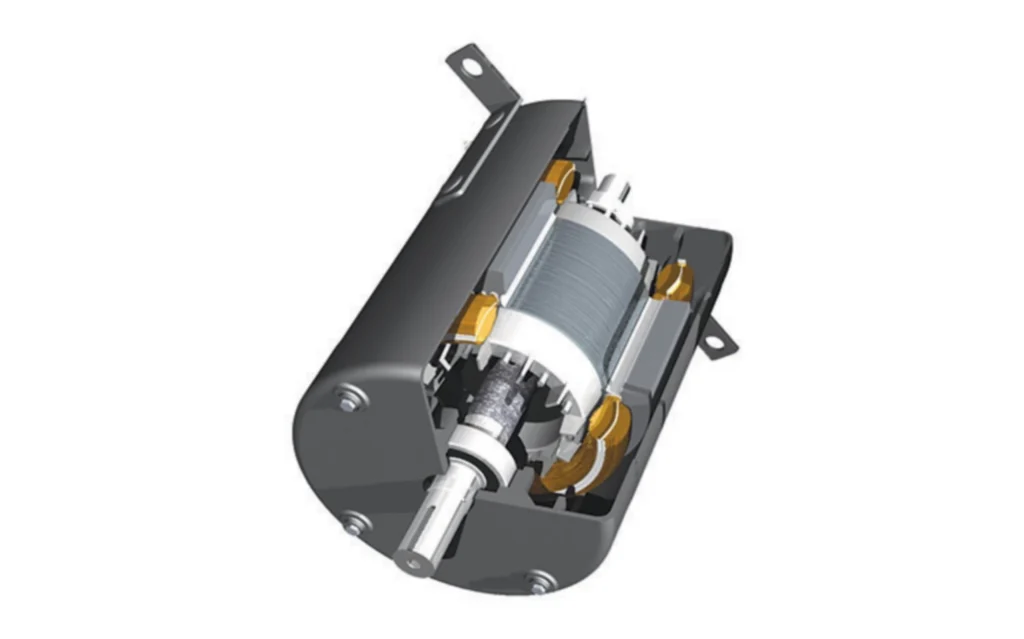
Threadlocking solutions seal and protect threaded assemblies from the ingress of liquids and gases, while preventing bolt loosening caused by vibration and thermal cycling during operation.
High-performance threadlocking materials also help maintain consistent clamp load throughout the motor’s service life, ensuring long-term safety and reliability.
Retaining
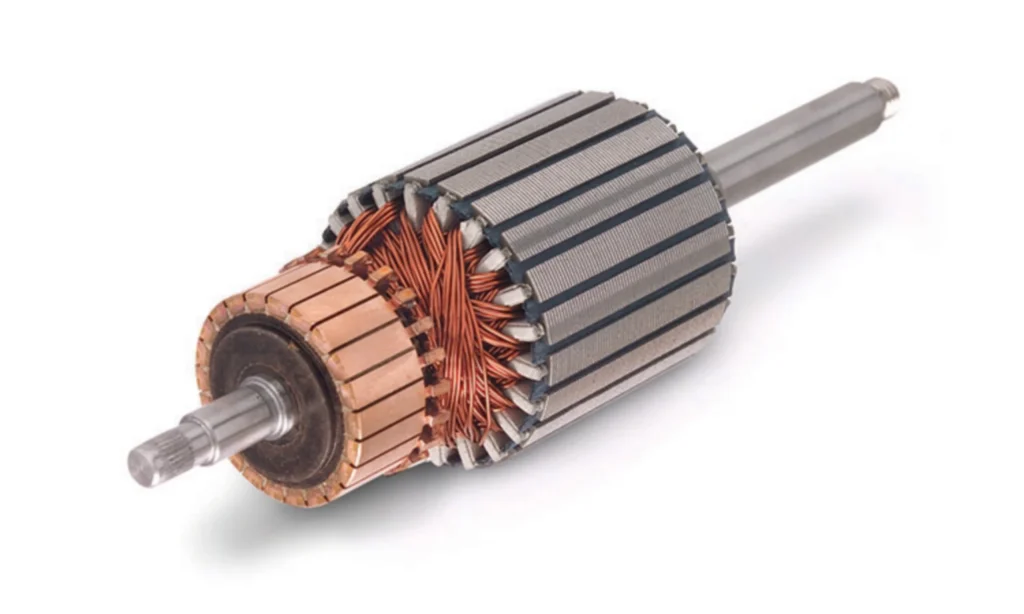
Retaining compounds are ideal for bonding cylindrical assemblies within electric motor housings while still allowing disassembly for maintenance when required.
These solutions enhance torque transmission in existing designs and ensure a more even distribution of loads and stresses. They are also commonly used to secure rotors to motor shafts, providing greater stability during operation.
Medium- to high-strength retaining compounds further help prevent loosening and leakage caused by vibration or mechanical shock, improving overall system reliability.
Potting
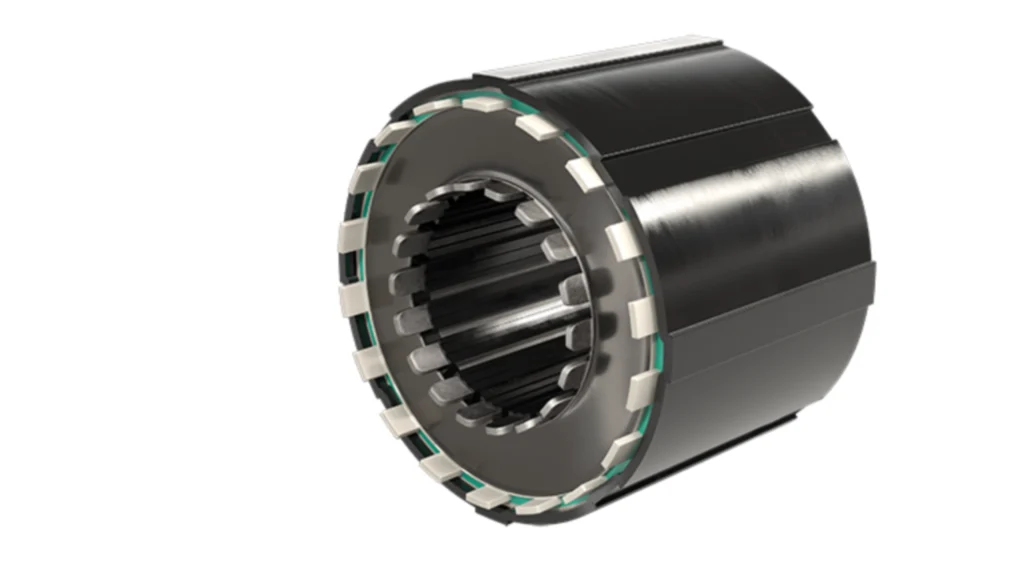
Potting materials enhance the reliability of electric motors by encapsulating and insulating internal components, protecting them from environmental influences.
These thermal management compounds improve resistance to impact, vibration, thermal shock, moisture, and dust. With non-corrosive properties, potting materials also contribute to improved performance and are particularly well-suited for components such as thermal switches and connectors.
Additionally, effective thermal protection helps reduce localized hotspots and promotes more uniform heat distribution throughout the system, thereby increasing overall stability and extending motor lifespan.
Gasketing
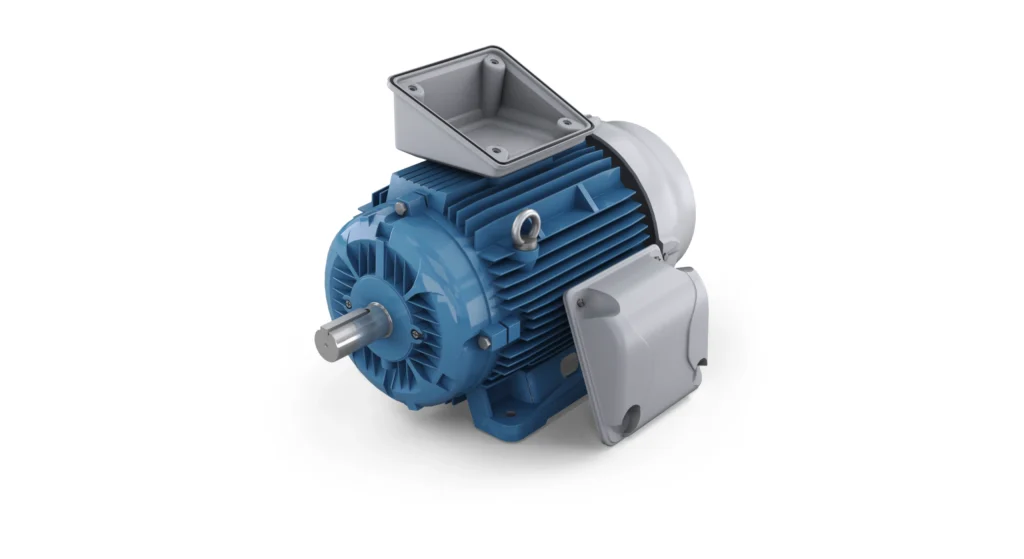
Liquid gasketing solutions are designed to fill gaps and create a flexible, durable seal that maintains integrity over time without tearing or degradation. With strong chemical resistance, these materials ensure reliable sealing performance across a wide range of operating conditions.
Using liquid-applied gaskets also eliminates the need to stock multiple gasket and O-ring sizes, while helping improve the motor’s ingress protection (IP) rating.
In addition, this approach reduces overall material costs and removes the need for manual assembly of pre-cut gaskets, thereby streamlining production processes and improving operational efficiency.
Thread Sealing
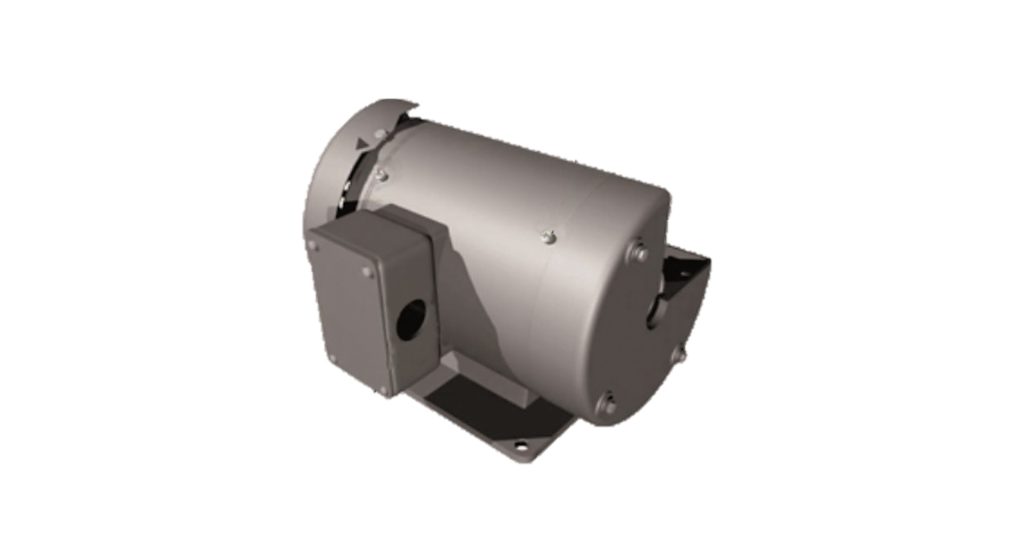
Liquid thread sealing materials protect threaded assemblies from chemical ingress while effectively preventing leaks of liquids and gases in industrial environments.
These solutions are easy to apply and eliminate the need to stock a wide range of gasket and O-ring sizes. They also provide corrosion protection, ensuring long-term durability and system integrity.
Thread sealants are available in a variety of formulations, suitable for both low- and high-pressure conditions, offering flexibility across diverse applications.
Wire Reinforcement & Electrical Connections
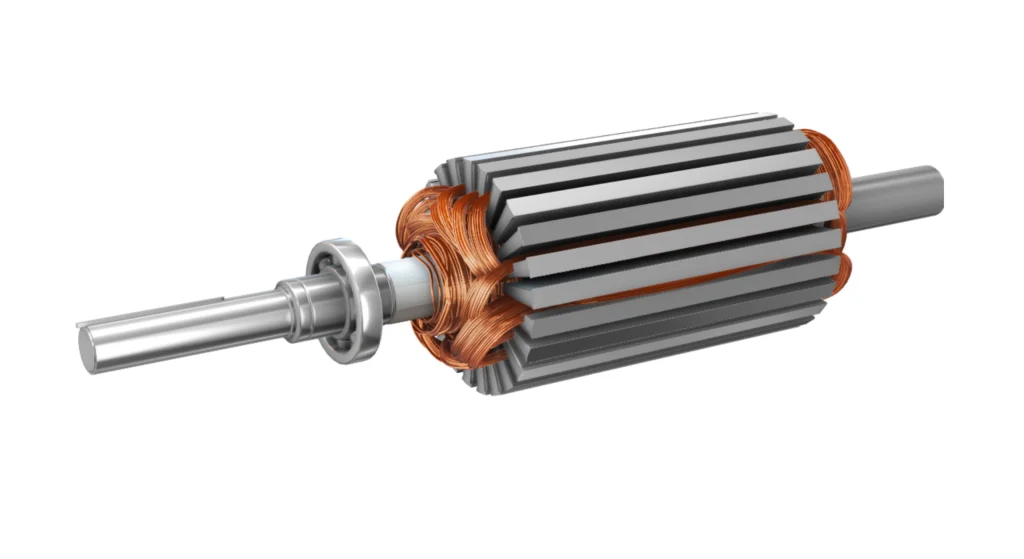
Reinforcing wires and electrical connections enhances motor reliability and extends service life, while securing and organizing wiring systems into a stable, unified structure.
This approach typically uses fast-curing or instant-fixturing adhesives, helping to reduce assembly time without compromising strength.
These reinforcement materials also offer high load resistance—such as to centrifugal forces—and strong moisture resistance, ensuring reliable protection of electrical connections under demanding operating conditions.
Tacking
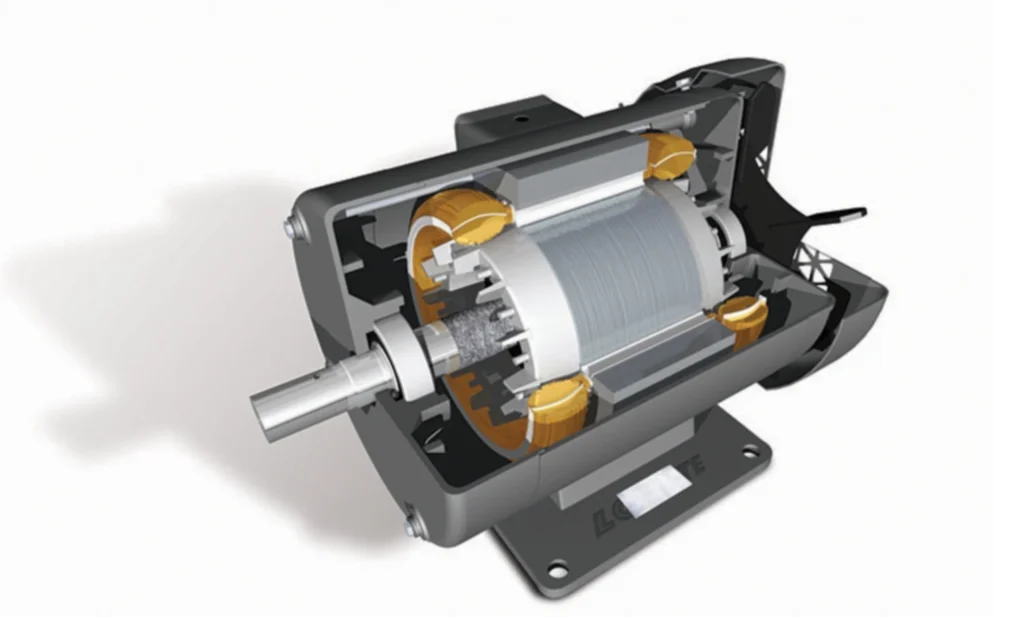
Using adhesives for temporary fixing helps keep wires and insulation materials in place throughout the manufacturing process, ensuring assembly accuracy.
This approach also reduces the risk of wire breakage caused by vibration during operation. When epoxy resins are used, moisture and temperature resistance are significantly enhanced, while also providing additional structural bonding strength to the overall assembly.
General Bonding
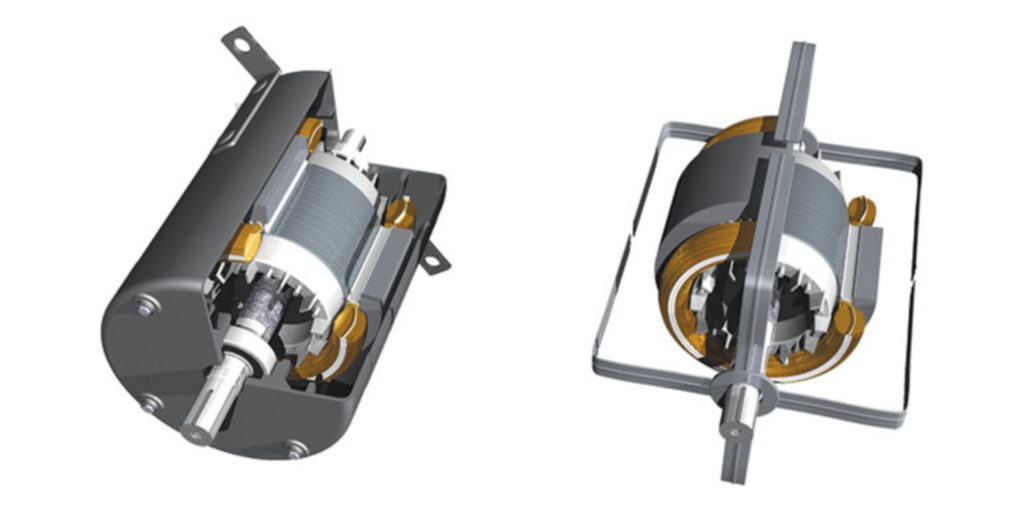
General-purpose adhesives in electric motors provide an effective solution for bonding and sealing a wide range of materials, including dissimilar substrates. Their ability to fill gaps and accommodate wider tolerances helps simplify design, reduce part count, and streamline manufacturing processes.
Specialized epoxy adhesives offer strong adhesion across various motor housing materials, along with excellent resistance to chemicals, temperature, and environmental conditions. They are particularly well-suited for internal motor applications, such as bonding magnets to rotors, ensuring long-term stability and performance.
Surface Treatment / Functional Coatings & Cleaners
Applying surface treatment solutions and functional coatings helps reduce corrosion rates, even when paint layers are compromised, while also contributing to lower processing costs.
These materials improve coating adhesion and ensure strong compatibility with a wide range of paint systems. When combined with specialized cleaning agents, surfaces can be properly prepared prior to treatment or coating, resulting in enhanced product quality and long-term durability.
Contact for Consultation
Hitta is a provider of comprehensive adhesive and tape solutions for assembly applications, sourcing from leading global manufacturers. With a technically experienced team across multiple industries, we go beyond product supply by offering process optimization solutions tailored to each customer’s specific requirements and challenges.
If you are looking for a bonding solution that is efficient, durable, and reliable — let HITTA support you from consultation through to implementation.
Contact Hitta today for the most suitable solution:
☎️ Hotline: 0565.336.879
✉️ Email: hittajsc@hitta.vn