
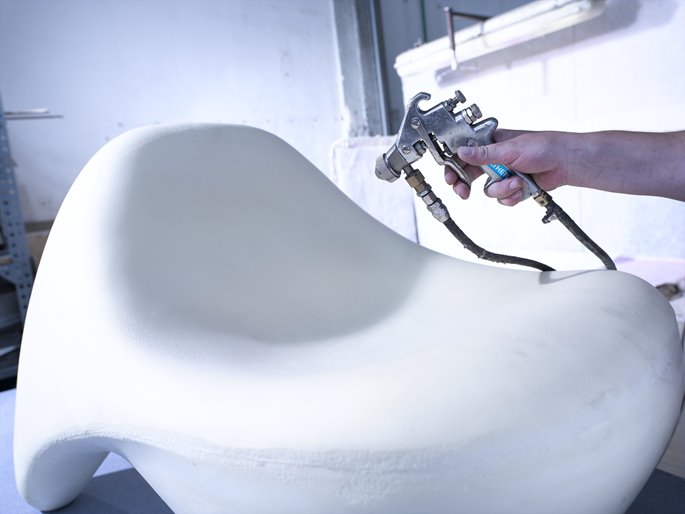
When it comes to crafting durable and long-lasting furniture, it’s not just about high-quality materials or skilled craftsmanship — choosing the right adhesive is equally essential. Adhesives play a key role in bonding different parts and materials, ensuring that the furniture retains its strength and integrity over time.
In this comprehensive guide, we’ll explore the world of furniture adhesives — from the most common types to their real-world applications in woodworking, metal assembly, upholstery, glass, stone, and more.
Application-Based Furniture Adhesive Solutions

In the furniture industry—where mechanical processing meets craftsmanship—adhesives must be versatile and high-performance, suitable for both indoor and outdoor furniture production and assembly.
These are specialized products designed for key processes such as frame assembly and moulding for sofas and armchairs, as well as general applications in woodworking. Adhesives can also be effectively used on a wide range of materials and can be custom-formulated in the lab to meet specific customer requirements.
For humid environments, customers require water-resistant adhesives that comply with D3 and D4 classifications under EN 204/205 and WATT 91, ensuring strong and durable bonds over time.
Application requirements and recommended adhesive characteristics for optimal furniture assembly:
| Application | Features |
|---|---|
| Multi-purpose adhesive for hot and cold bonding of wooden components, used in the production of doors, windows, and in humid environments such as bathrooms and kitchens. | Medium viscosity, fast setting speed, and high yield. Provides D3 water resistance (or D4 when used with a catalyst), compliant with EN 204/205 and WATT 91standards. |
| General-purpose wood adhesive for hot and cold bonding of wooden components. | Medium viscosity, fast setting speed, and high yield. |
| Specialized adhesive for automatic gluing machines. | Low viscosity, good setting speed, and high yield. Technical properties prevent nozzle clogging during machine downtime. |
Adhesives for Chair & Table Assembly
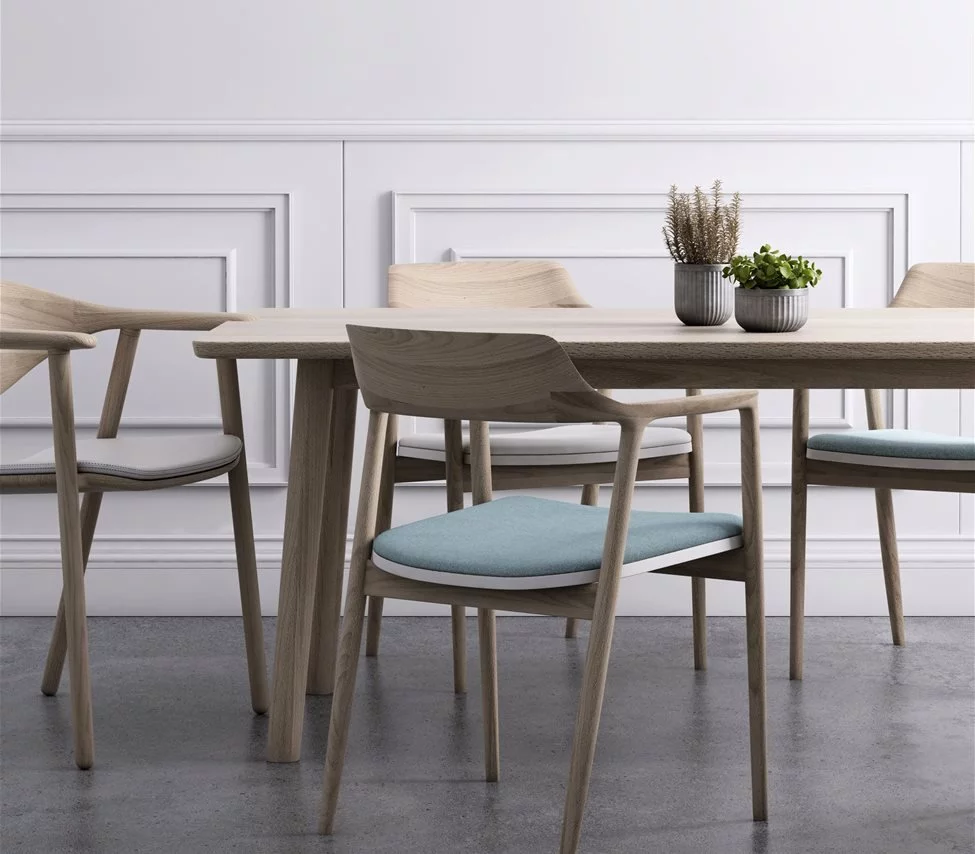
With years of industry experience as a foundation, this adhesive product line has been specially developed for furniture and chair manufacturers — from large-scale industrial production to artisanal workshops.
The solutions provided by HITTA ensure outstanding bonding performance, not only with solid and hardwoods, but also with mixed-material components such as plastic-to-wood and metal-to-wood assemblies.
Our added value lies not only in our strong technical expertise, but also in our ability to develop customized adhesive solutions, offering technical consultation and formulation adjustments tailored to specific application needs.
Below is a table outlining key applications and the adhesive characteristics required to achieve optimal results in chair and table assembly:
| Application | Features |
|---|---|
| General-purpose adhesive for bonding chairs, chair components, and tables. | Medium viscosity, fast setting speed, high yield. Ensures D3 water resistance(D4 when used with catalyst) in compliance with EN 204/205 and WATT 91. |
| For bonding chairs, components, and tables — especially suitable for hard and difficult woods. | Medium viscosity, fast setting speed, very strong bonding, high yield. |
| For bonding chairs and tables made with plastic-to-wood or metal-to-wood combinations. | Moisture-reactive, expanding adhesive with excellent adhesion and cohesion on various materials. Provides strong, water-resistant bonding with high durability against environmental factors. |
Furniture Adhesives for Edge Banding Processes

One of the key indicators of high-quality furniture lies in the perfection of its details — a feature especially valued not only in classic styles but even more so in modern design.
In edge banding applications for MDF or chipboard panels, using edging materials such as melamine, ABS, PVC, or natural wood (solid wood or TNT-backed veneer), EVA (Ethylene Vinyl Acetate), APAO (Amorphous Poly Alpha Olefin), and PUR hot melt adhesives are highly preferred. These adhesives meet both aesthetic demands and provide excellent resistance to heat and moisture.
EVA Hot Melt Adhesives – Applications and Required Properties
| Application | Features |
|---|---|
| Specific adhesive for melamine and solid wood edges. | Medium viscosity, multi-purpose use. Good yield. |
| Adhesive for melamine and veneer edges, designed for high-speed machines. | Medium-high viscosity, short open time. Good yield. |
| Adhesive for all types of edges, suitable for CNC machining centers. | Medium-low viscosity, excellent adhesion and heat resistance. High yield. |
| High-quality universal adhesive with clear bond lines, compatible with CNC machines. | Outstanding adhesion and heat resistance. Very high yield. |
| Adhesive for manual edge banders. | Medium viscosity, fast melting speed, long open time. |
APAO Hot Melt Adhesives – Applications and Required Properties
| Application | Features |
|---|---|
| Next-generation universal adhesive for all types of edge banding. | Strong bonding with high heat resistance. Excellent adhesion on a wide range of materials. Medium viscosity, high yield. |
PUR Hot Melt Adhesives – Applications and Required Properties
| Application | Features |
|---|---|
| Specifically designed for edging chipboard, MDF, and wooden panels with PVC, PET, ABS, or paper finish; applied using roller or spreader. Available in neutral and white colors. | Hygro-reactive adhesive with medium viscosity, fast setting speed, excellent resistance to heat and moisture. |
| Also designed for edging chipboard, MDF, and wooden panels with PVC, PET, ABS, or paper finish; applied using roller or spreader. | Hygro-reactive adhesive with medium viscosity, fast setting speed, excellent resistance to heat and moisture. Low free isocyanate content. |
| For clear bond lines on PVC, PET, ABS, and paper edge finishes; applied using roller or spreader. | Hygro-reactive adhesive with low viscosity, fast setting speed, excellent heat and moisture resistance. |
Adhesives for Glulam and Blockboard Applications
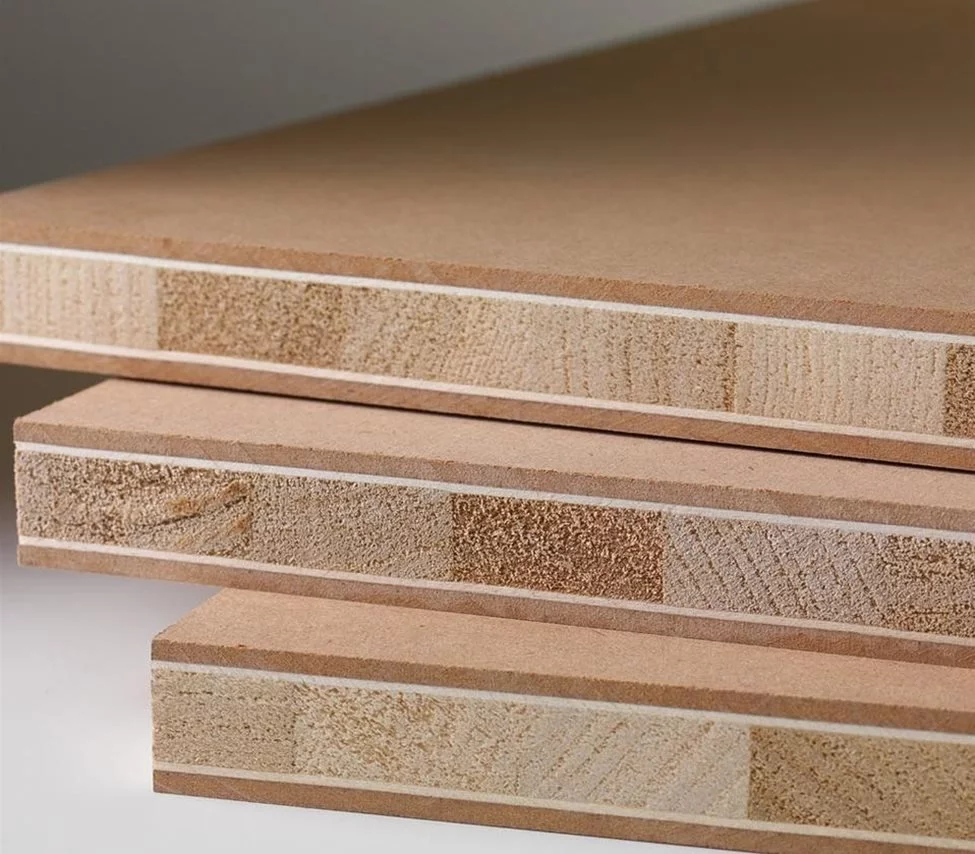
Glued laminated timber (glulam) is a widely used manufacturing solution in the door and window industry.
Adhesives used for this application must offer a high degree of customization to meet a wide range of production requirements — with particular attention to tailored products and the development of new production lines.
The main objective of furniture adhesives in this segment is to ensure strong, high-quality bonding for all types of glulam and blockboard, while being formaldehyde-free and providing moisture resistance in compliance with EN 204/205 (class D3 and D4).
Application Requirements and Key Adhesive Properties for Glulam and Blockboard
| Application | Features |
|---|---|
| Universal use for hot and cold bonding of wooden sheets and strips. | Medium viscosity, fast setting speed, high yield. Good moisture resistance. Complies with EN 204/205, class D3 and D4 (with catalyst). |
| Bonding of hardwood. | Medium viscosity, fast setting speed, strong bonding performance for both hot and cold applications. |
| Specifically designed for hot and cold bonding of wooden strips. | Medium viscosity, fast setting speed, high yield. |
Adhesives for Surface Finishing Panels
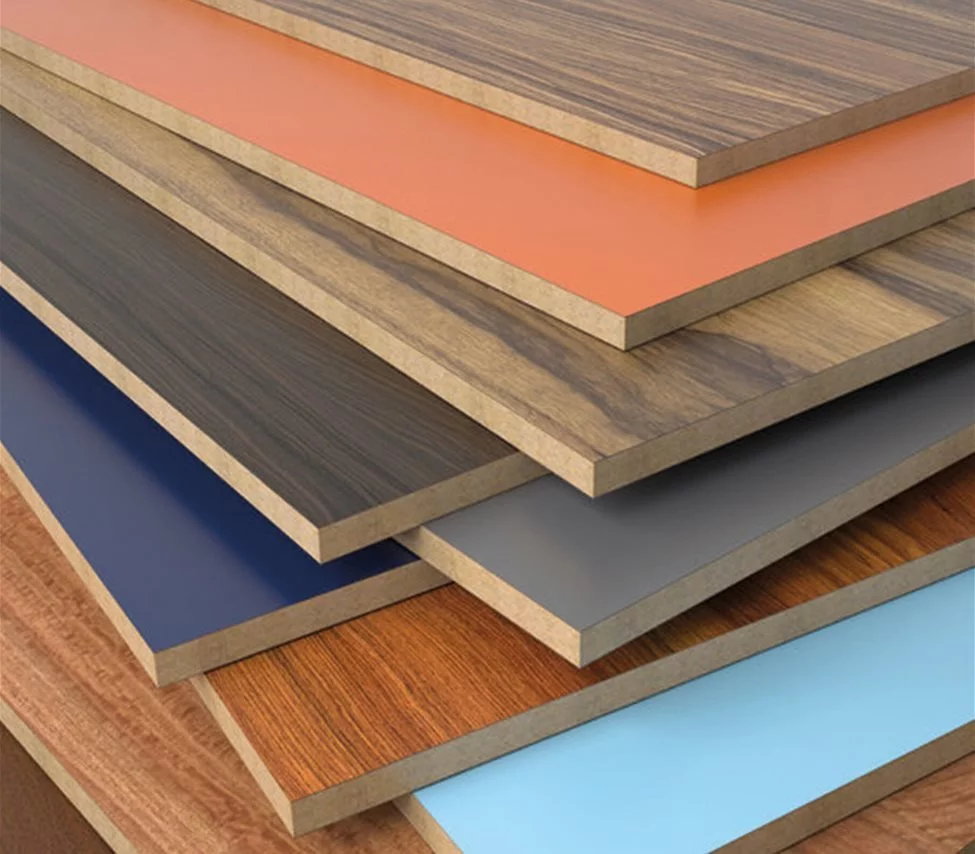
Surface finishing panels are widely used across multiple industries — from automotive and marine to interior furniture, wall cladding, and ceiling applications.
For companies operating in this field, we offer effective adhesive solutions that are compatible with a variety of substrates such as chipboard, MDF, HDF, fibreboard, plastic laminate, PVC, PP, and more — and suitable for all common application methods.
Our product range includes water-resistant adhesives, certified to D3 and D4 classifications in accordance with EN 204/205 and WATT 91 standards.
As application needs can vary greatly, please contact us for detailed consultation and customized technical support.
Adhesives for Profile Wrapping
For companies in the profile wrapping industry, specialized adhesives with excellent heat and water resistance are essential to ensure consistent bonding performance and high production efficiency.
In industrial applications such as wrapping architraves, skirting boards, or MDF and chipboard panels with decorative PVC films or treated papers, it is critical to meet precise technical requirements during processing.
Due to the highly specific nature of each application, please contact us for tailored consultation and technical support.
EVA Hot Melt Adhesives – Applications and Key Features
| Application | Features |
|---|---|
| For wrapping moulded wooden profiles. | Low viscosity, excellent adhesion, good heat resistance, long open time. Odorless. |
| General-purpose use in profile wrapping of wooden elements. | Low viscosity, strong adhesion, high heat resistance, high yield. Clear bond line. |
Metallocene Hot Melt Adhesives – Applications and Key Features
| Application | Features |
|---|---|
| For wrapping wooden profiles and wood-based materials with paper, laminated plastic, PVC, or PE films. | Next-generation adhesive with medium/long open time and low viscosity. High adhesion to low-polarity materials. Very high yield. Heat resistance over 100°C. |
PUR Hot Melt Adhesives – Applications and Key Features
| Application | Features |
|---|---|
| Specifically designed for wrapping PVC, MDF, or aluminum profiles with CPL, PVC, PET, ABS/PMMA. Also suitable for natural wood veneers. | Moisture-reactive adhesive with low viscosity, medium-high setting speed, excellent heat and water resistance. |
Adhesives for Bentwood and Plywood
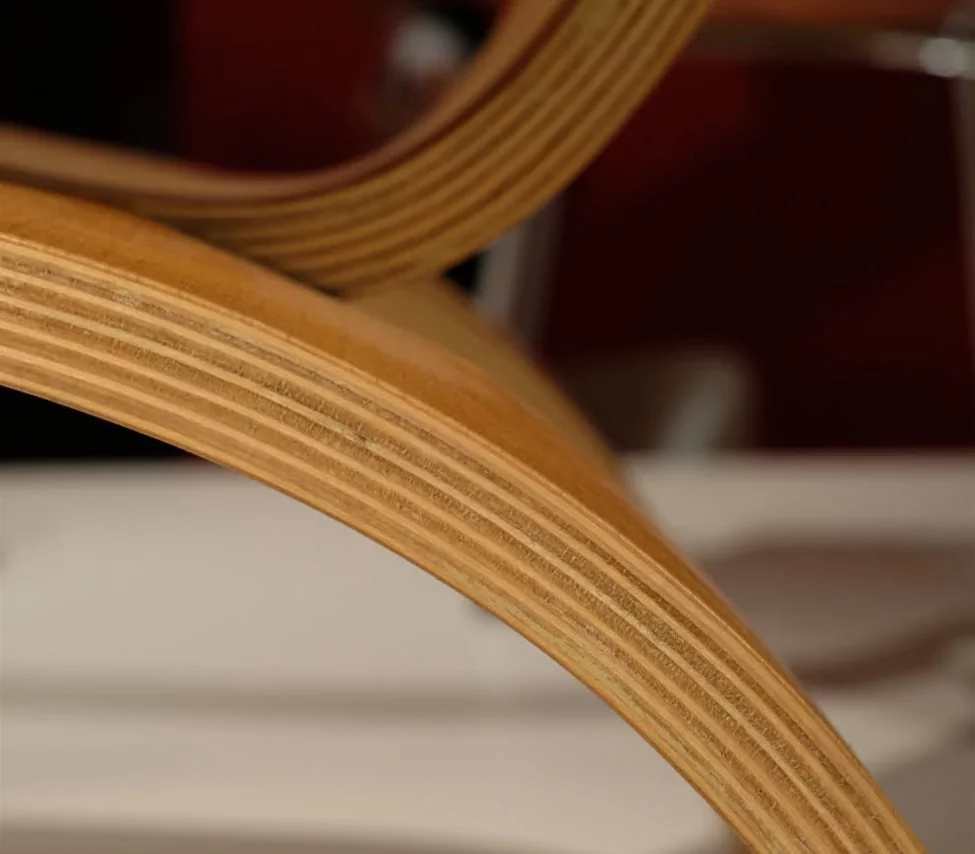
Among the key elements of modern furniture design, bentwood and plywood are widely used to craft chairs, armchairs, tables, and other auxiliary furniture items — thanks to their flexibility in shaping and the ability to support creative design solutions.
For such applications, high-performance adhesives are essential. These adhesives must allow effective bonding of components with varying radii of curvature or complex geometries, using a wide range of wood materials such as MDF, plywood, and chipboard — including difficult-to-bond woods.
Additionally, available adhesive products include water- and moisture-resistant grades, compliant with EN 204/205 – Class D3.
Application Requirements and Key Features for Bentwood & Plywood Bonding
| Application | Features |
|---|---|
| Multi-purpose adhesive for hot or cold bonding of thin wood sheets, including curved elements. | Low viscosity, fast setting speed. Provides water and moisture resistance in compliance with EN 204/205, Class D3. |
| For hot press bonding of bentwood and plywood. Also suitable for difficult wood species. | Self-hardening powder adhesive. Medium viscosity, excellent setting speed. |
Adhesives for Veneer Finishing

In modern furniture manufacturing, veneered finishing is widely adopted to create products with a high degree of craftsmanship, while offering benefits such as reduced environmental impact, ease of assembly and transport, long-term durability, and excellent mechanical performance.
The veneer bonding process is a critical stage that requires technical expertise, hands-on experience, and flexible, customized adhesive solutions.
Key adhesive requirements include:
- Effective water and heat resistance.
- Formaldehyde-free for vinyl-based PVA adhesives.
- Low formaldehyde content for urea adhesives (compliant with E1 standard).
- Low polyol content for PUR hot melt adhesives.
| Application | Features |
|---|---|
| For hot and cold bonding of veneer and decorative elements on absorbent substrates. | Medium viscosity, fast setting, non-exuding. Complies with D3 water resistance as per DIN-EN 204/205. |
| General-purpose adhesive for hot and cold bonding of veneer and decorative elements on absorbent substrates. | Medium viscosity, good setting speed, high yield. |
| Application | Features |
|---|---|
| For hot bonding of veneer on absorbent substrates. | Self-hardening, non-exuding, medium viscosity, good setting speed. When used correctly, achieves E1 rating (low formaldehyde emission). |
| For hot bonding of veneer on difficult-to-bond absorbent surfaces. | Self-hardening adhesive, medium viscosity, very fast setting. |
| General-purpose adhesive for hot bonding of veneer on absorbent substrates. | Medium viscosity, cures with separate hardener, good setting speed. Complies with E1 formaldehyde limits when properly used. |
| Application | Features |
|---|---|
| For surface finishing with veneer, PVC, aluminum, CPL, PET, ABS/PMMA. | Moisture-reactive adhesive with low viscosity, medium-high setting speed, and excellent heat and water resistance. |
Adhesives for Honeycomb-Core Panels
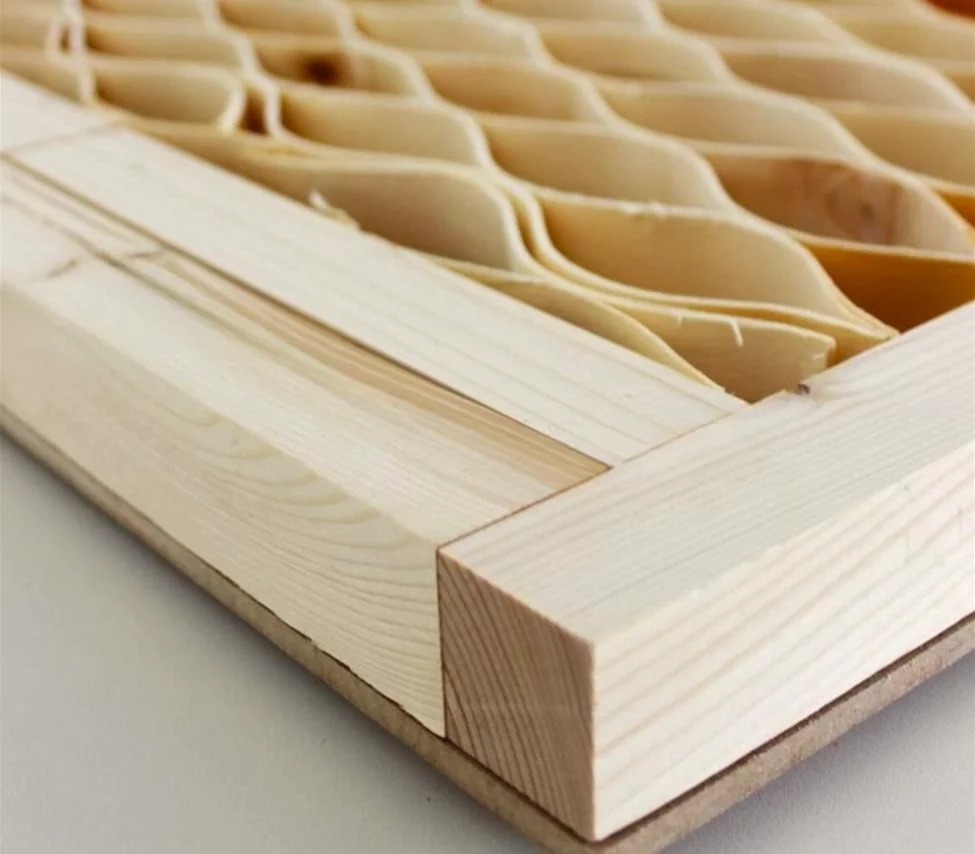
For door and cabinet manufacturers using honeycomb-core panels, adhesives must meet the demands of increasingly advanced production standards. Key performance requirements include:
- Ultra-fast bonding speed
- High yield and efficiency
- Formaldehyde-free formulations
Application Requirements and Key Features for Honeycomb Panel Bonding
| Application | Features |
|---|---|
| Universal use for hot and cold bonding in door production. | Medium viscosity adhesive with fast setting speed. Provides D3 water resistance (D4 with catalyst) in accordance with EN 204/205 and WATT 91. |
| Universal use for hot and cold bonding of honeycomb cores with frames and surface layers. Suitable for hard and difficult wood species. | Medium viscosity, fast setting speed, high bonding strength. |
| Universal use for hot and cold bonding of honeycomb cores with frames and surface layers. | Medium viscosity, fast setting speed. |
Adhesives for 3D Thermoforming of Panels
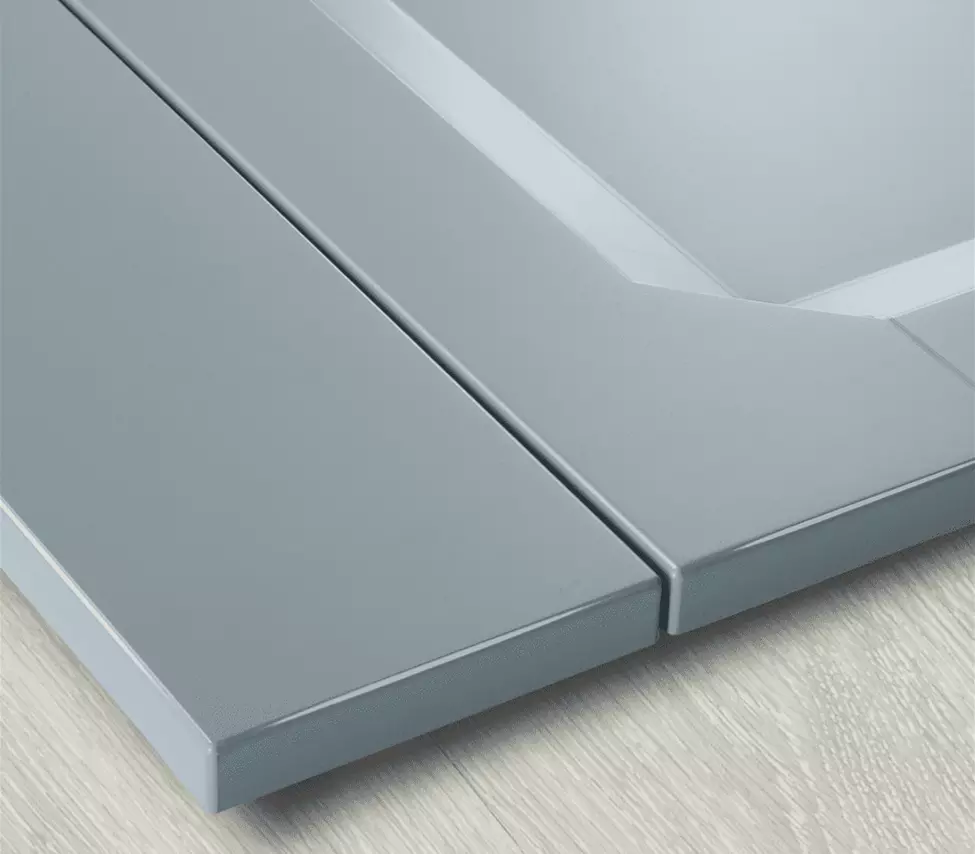
Manufacturers of bathroom and kitchen furniture require specially formulated adhesives for the thermoforming of 3D panels and cabinet doors, delivering:
- High application efficiency
- Outstanding production performance
- Excellent water and heat resistance
These adhesives are designed to adapt flexibly to a wide range of processing requirements, ensuring reliable performance throughout the thermoforming process.
Mattress Adhesives
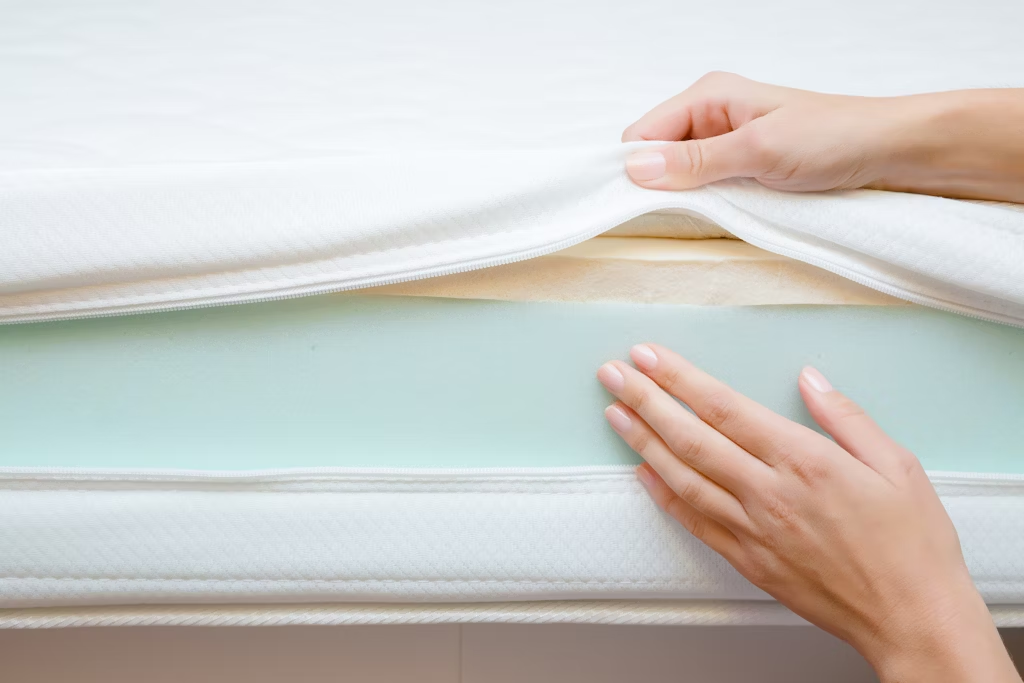
A good mattress is the foundation of restful sleep and physical recovery. Adhesives play a critical role in the production of various types of mattresses — from innerspring to foam — by ensuring durable bonding between multiple layers, while also directly affecting the comfort and health safety of the end user.
In addition to bonding performance, mattress adhesives must meet strict quality and safety standards, such as OEKO-TEX® 100, LGA, Blue Angel, or specific manufacturer requirements. High-quality hot melt adhesives also help minimize noise generated by the mattress, contributing to quiet, uninterrupted sleep.
Due to the highly specialized nature of each application, please contact us for personalized consultation and technical support.
Upholstered Furniture Manufacturing
The upholstered furniture industry is characterized by an exceptional diversity of materials — from cold and molded foams, fabrics, and leather to wood, wood-based substrates, plastics, and more. Production often involves manual operations and irregular process times, requiring flexible and efficient adhesives.
For frame assembly using dowel and tenon joints in solid wood or engineered wood, fast-setting dispersion adhesives (“fast binders”) are the preferred solution. These adhesives offer:
- Optimal viscosity
- Excellent workability
- High bonding strength
— enabling strong, long-lasting joints in structural components.
Key adhesive requirements include:
- Long open time
- Strong adhesion to multiple substrates
- High initial tack
These adhesives are typically spray-applied using specialized spray guns. During and after application, the solvent evaporates, allowing for rapid and strong bonding formation. This ensures a fast assembly process, low clamping pressure, and short pressing times — especially useful for high-tension applications.
Environmental Considerations
Modern upholstery adhesives are also designed with sustainability and efficiency in mind:
- Low emissions, meeting environmental and workplace safety standards
- Reduced adhesive usage per part, helping to cut material costs
Thanks to their high content of renewable raw materials, these solvent-based adhesives also contribute to sustainable manufacturing and the protection of natural resources, reducing the environmental footprint of the upholstered furniture sector.
Furniture Adhesives by Material Type
/ Adhesives for Woodworking:
PVA Glue (Polyvinyl Acetate): This is a versatile adhesive widely used in carpentry. PVA glue offers strong bonding, dries clear, and is suitable for various types of wood—ideal for joints, edges, and veneers.
Epoxy Glue: Known for its excellent durability and strength, epoxy is often used to repair cracks, fill gaps, and securely bond wooden parts.
2/ Adhesives for Metal:
Cyanoacrylate (Super Glue): A fast-drying adhesive with strong bonding power on metal, ideal for small components or metal-to-metal joints in furniture.
Epoxy for Metal: A specialized adhesive for bonding metal surfaces, commonly used in assembling metal tables and chairs, especially for outdoor or industrial furniture.
Polyurethane Adhesive: With strong adhesion on metal surfaces, PU glue is suitable for hybrid products combining wood and metal such as chairs, tables, and shelves.
3/ Upholstery Adhesives:
Spray Adhesive: Used for attaching foam, batting, and fabric to chair frames, spray adhesives provide good tack without the need for heavy pressing.
Contact Cement: A flexible adhesive suitable for bonding upholstery materials like foam, leather, and fabric. Once both surfaces are coated and pressed together, they form an extremely strong bond.
4/ Glass Adhesives:
UV-Cured Adhesive: This adhesive is used to bond glass components. Upon exposure to ultraviolet light, it cures quickly and forms a clear, durable bond.
Silicone Adhesive: With flexibility and good heat resistance, silicone glue is ideal for bonding glass tabletops, shelves, and other interior glass components.
5/ Stone Adhesives:
Epoxy for Stone: Specially formulated for bonding materials like granite, marble, or slate, this adhesive offers high adhesion and good weather resistance—ideal for outdoor stone features or decorative furniture.
Polyurethane Sealant: Often used for both bonding and sealing stone surfaces, this adhesive is perfect for outdoor stone furniture, ensuring durability and water resistance.
6/ Specialized Adhesives:
Adhesive for MDF: A specialized glue for bonding medium-density fiberboard (MDF)—a common material in furniture production. It provides strong adhesion while preventing edge swelling.
Wood-to-Metal Adhesive: Designed specifically for joining wood to metal, commonly used in mixed-material furniture like steel-framed wooden tables.
Plastic-to-Wood Adhesive: Intended for applications where plastic parts are bonded to wooden frames, ensuring a secure and lasting connection.
Key Factors to Consider When Choosing the Right Adhesive:
- Material Compatibility: Ensure the adhesive is suitable for the materials you’re using (wood, metal, stone, plastic, etc.).
- Bond Strength and Durability: Consider the weight and stress on the product to choose an adhesive with adequate strength.
- Drying and Curing Time: Select an adhesive with curing times that match your production schedule.
- Long-Term Performance: Evaluate the adhesive’s resistance to environmental factors such as humidity, temperature, UV rays, and weather conditions to ensure product longevity.
Important Notes on Adhesives for Woodworking in Furniture Applications
Since most furniture is made primarily from wood, this section will focus more on adhesives used for wood before moving on to process-based applications.
Comparison Table: Best Adhesives for Wood Bonding Applications:
| Type of Adhesive | Bond Strength | Water Resistance | Open Time | Best Applications |
|---|---|---|---|---|
| PVA Glue | Medium to High | Medium | 5–10 minutes | Indoor furniture, general woodworking |
| Epoxy Glue | Very High | High | 30–60 minutes | Structural repairs, outdoor furniture |
| Polyurethane Glue | Very High | Very High | 15–20 minutes | Hardwood projects, joints requiring extra durability |
| Cyanoacrylate (CA) | High | Low | Instant dry | Quick fixes, small joints |
Tips for Effective Wood Bonding
Surface Preparation
For wood, ensure the surface is completely dry before gluing. Use sandpaper to remove dust and the top wood layer. For metal, use a dedicated solvent cleaner. For plastic, in addition to cleaning, a primer may be required to improve adhesion. All surfaces should be wiped with a suitable solvent prior to bonding to ensure maximum cleanliness.
Adhesive Application
The method of applying glue has a significant impact on bonding performance. Apply the adhesive evenly on the wood surface and avoid over-application, as excess glue can weaken the bond. For difficult surfaces, using a primer or adhesion promoter (accelerator) can significantly improve adhesion.
Clamping and Curing Time
After applying the glue, clamping the bonded parts ensures tight contact between surfaces. Proper clamping technique distributes pressure evenly and prevents gaps. Each type of adhesive requires different clamping and curing times, so always refer to the manufacturer’s guidelines for the best bonding performance.
Steps for Achieving Strong Bonds with Adhesives
| Step | Action |
|---|---|
| Surface Preparation | Clean the surface mechanically, physically, or chemically; ensure material compatibility |
| Adhesive Application | Apply a thin, even layer of glue; use primer or accelerator if necessary |
| Clamping | Use specialized clamps to firmly hold pieces together during recommended time |
| Curing | Allow sufficient curing time for optimal adhesive strength |
Contact information
Hitta is a trusted supplier of a wide range of adhesive and bonding tape solutions from leading global brands. Backed by a team of experienced technical experts with hands-on knowledge across various industries, we offer not only premium products but also tailored consultation to optimize your existing processes—ensuring they meet specific requirements and project challenges.
If you are looking for a high-performance, durable, and reliable bonding solution, let Hitta be your partner—from consultation through to implementation.
Contact us today to discover the most suitable adhesive solution for your application.
- ☎️ Hotline: 0565.336.879
- ✉️ Email: hittajsc@hitta.vn





