

Polyvinyl Chloride (PVC) is a widely used material in the automotive and bus industries due to its flexibility, durability, and cost-effectiveness. Both rigid (unplasticized) and flexible (plasticized) forms of PVC are commonly found in vehicles—ranging from load-bearing structural parts to soft interior trim components.
As manufacturers and assemblers increasingly shift from mechanical fastening to industrial adhesive bonding, selecting the right adhesive solution for PVC components becomes critical to ensure safety, long-term durability, and overall product performance.
Types of PVC Used in the Automotive Industry
Rigid PVC (uPVC)
Rigid PVC contains little to no plasticizer, giving it a hard and durable structure. This material offers high dimensional stability and is commonly used in parts that require structural strength. In vehicles, rigid PVC is typically found in components such as molded interior panels, decorative trims, and under-hood parts where high stiffness is needed. Additionally, due to its chlorine content, rigid PVC is inherently flame-retardant—an advantage that helps meet fire safety regulations.
Flexible PVC (Plasticized PVC)
Flexible PVC is modified with plasticizers (such as phthalates) to make it softer and more elastic. This form is typically used in areas that require rubber-like feel or greater flexibility. In automobiles, plasticized PVC is widely used for:
- Cable insulation
- Wire harness sheathing
- Soft interior trims
- Synthetic leather seat covers
- Soft seals and gaskets
Flexible PVC retains electrical insulation and chemical resistance similar to rigid PVC, but with enhanced flexibility. However, the presence of plasticizers introduces the risk of plasticizer migration, which can negatively affect adhesive bonding—a topic discussed in later sections.
There are also semi-rigid PVC formulations, which strike a balance between rigidity and flexibility for specific applications. Another variant is “Green PVC”, made from recycled materials—its adhesive compatibility depends on the specific recycled content used.
Common Applications of PVC in Automobiles and Buses
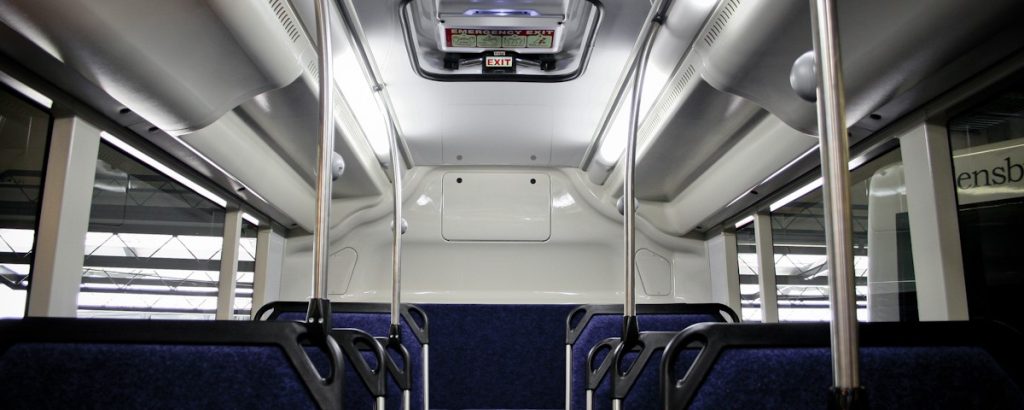
Interior Trim and Paneling
PVC is widely used as a surface covering for interior parts. For example, many dashboards and door panels feature a PVC skin (a thin plastic sheet) vacuum-formed over foam to mimic genuine leather. PVC is also applied in pillar trims, center consoles, and armrests, providing a surface that is both durable and easy to clean.
In high-end vehicles, synthetic leather seat and steering wheel covers made from PVC are preferred due to their lower cost and easy maintenance. Buses also use extensive PVC paneling for interior walls and ceilings, thanks to its durability and cleanability.
Wire and Electrical Insulation
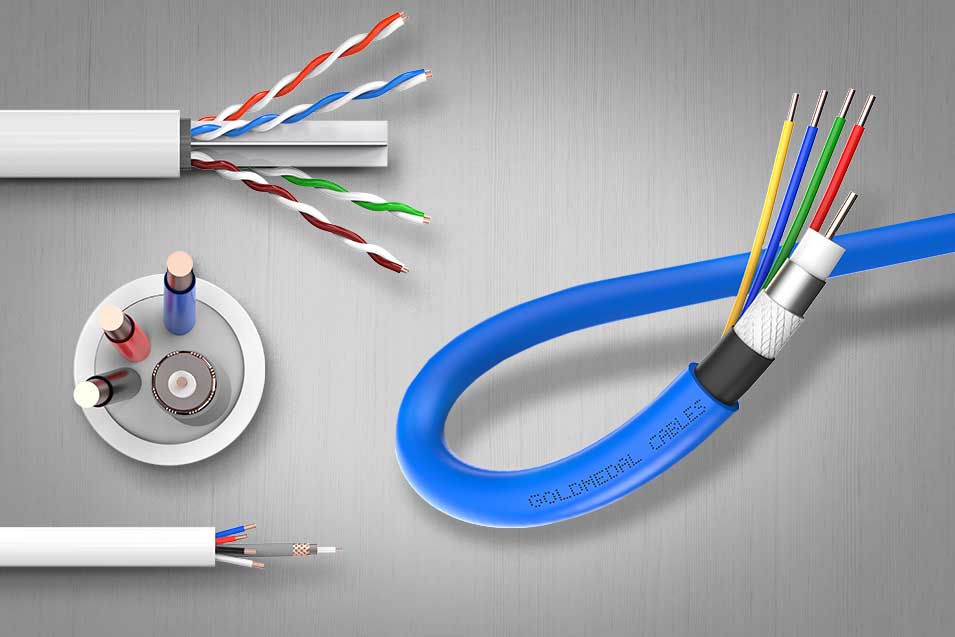
PVC is a standard insulation material due to its electrical insulating properties and flame resistance. Under dashboards or along the vehicle body, wire harnesses are often sheathed in flexible PVC to prevent abrasion and short circuits. This material also resists fluids in engine compartments, although higher heat areas typically require silicone or alternative plastics.
While adhesives are not directly applied to insulation layers, they are essential for securing wire harnesses—such as bonding cable clips or PVC cable ducts to the vehicle body.
Seals and Gaskets
Certain door seals and weather gaskets are made from soft PVC or PVC foam (though EPDM rubber remains common). Applications include: window seals, door gaskets, and edge protectors. These components are usually bonded with specialty adhesives or double-sided tapes. For example, a door seal with a PVC core may be bonded to a painted edge using automotive-grade acrylic foam tape.
Exterior Trim and Moldings
PVC was previously used for body side moldings, impact strips, or side cladding, providing a weather-resistant, elastic surface to protect doors and bumpers. While TPO and other plastics are more common today, some vehicles and buses still feature PVC exterior parts. These trims are attached with adhesives or plastic clips—requiring bonds that can withstand UV exposure, rain, and heat.
PVC films are also used for bus advertising decals or decorative wraps, often featuring a pressure-sensitive adhesive backing.
Bus Flooring and Seating
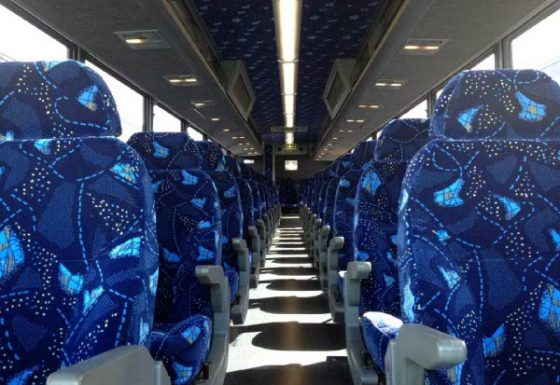
Buses make extensive use of PVC in their interiors. Flooring typically consists of thick PVC-based vinyl sheets or plastic mats, chosen for abrasion resistance and ease of cleaning. These are bonded to the floor base (plywood or composites) using high-performance elastic adhesives such as flexible polyurethane.
Bus and coach seats are often upholstered with PVC vinyl fabric due to its durability, with the covers bonded to foam cushions or seat frames using hot-melt or heat-reactive adhesives.
In urban bus interiors, adhesives are commonly used to assemble PVC parts such as flooring, wall panels, and seat cushions, replacing mechanical fasteners. Hot-melt adhesives are a popular choice for bonding soft plastic trim components.
Other Applications
PVC is also used in under-hood components such as vacuum lines, fluid reservoirs, or battery covers, although heat-resistant materials are now more common.
In older vehicles, vinyl roof covers were once popular—these were PVC films with embossed leather-like textures, bonded to the car roof using contact adhesive. PVC-coated fabrics are also found in pickup truck canopies and bus curtains, typically glued or mechanically clamped.
Wherever PVC parts are bonded to other materials—plastic, metal, fabric, or wood—manufacturers seek adhesive solutions that offer long-term bond strength without compromising the properties of PVC.
Common Challenges in Bonding PVC
Bonding PVC in the automotive and bus industries presents several challenges that require careful adhesive selection and process control to ensure long-term bond strength:
Plasticizer Migration
The most common issue with flexible PVC is the gradual leaching of plasticizers—a phenomenon known as plasticizer migration. These additives can diffuse into the adhesive layer, causing it to soften, swell, or lose adhesion. This may lead to bond failure or cosmetic issues such as oozing or surface staining.
For instance, an adhesive that is not resistant to plasticizers may become sticky or gummy after several months or years. Heat accelerates this process.
To address this, adhesives are formulated to resist plasticizer migration by:
- Using polymer chemistries compatible with plasticizers (so they are not dissolved), or
- Incorporating migration-blocking additives.
Some adhesives are labeled “plasticizer resistant” or “non-staining on vinyl,” indicating they can maintain performance when in contact with flexible PVC.
When bonding flexible PVC, it is crucial to use adhesives specifically tested for plasticizer-containing PVC. Otherwise, even initially strong bonds may fail over time.
An alternative is to use non-plasticized PVC (rigid PVC or elastomer-modified variants), but if this is not possible, selecting the right adhesive becomes the top priority.
Low Surface Energy and Contamination
While PVC has moderate surface energy (higher than PP/PE), surface contamination from oils, plasticizers, or mold release agents can make it behave like a low-energy surface, hindering adhesion.
Untreated, glossy PVC surfaces are often difficult to bond. Solutions include:
- Thorough cleaning with IPA or acetone
- Light abrasion
- Using adhesives designed for low-surface-energy plastics
Mold release agents—especially silicone-based—can leave residues that are difficult to remove and may cause bubblingor weak spots in the bond. In such cases, plasma treatment or strong chemical cleaners may be required.
Ultimately, the real condition of the PVC surface (clean vs. contaminated) is critical. Modern production lines often include pre-bonding cleaning stations to eliminate oils, dust, and fingerprints.
Modulus Mismatch and Mechanical Incompatibility
Bonding flexible PVC to rigid materials can create stress due to differences in thermal expansion or mechanical flexibility. If the adhesive is too rigid, it may crack or delaminate when the PVC moves.
For example, using a rigid epoxy to bond a soft PVC trim to a metal car body may cause adhesive failure due to thermal expansion. Therefore, adhesives for flexible PVC should have comparable elasticity—such as PU adhesives, rubber-based contact cements, or acrylic foam tapes.
A common issue is “adhesive print-through”—where a hard adhesive deforms the surface of thin PVC skins, causing wrinkling or visible adhesive marks. Using soft, elastic adhesives helps avoid this.
In structural applications, engineers often choose adhesives with moderate flexibility to absorb differential expansion between PVC and metal. Rigid adhesives should be reserved for joints between rigid substrates under high loadconditions.
This challenge is essentially a matter of mechanical compatibility—the modulus of the adhesive should match the elasticity of the bonded materials.
Environmental Degradation
PVC can degrade over time due to environmental exposure, such as:
- UV radiation causing discoloration
- High heat triggering dehydrochlorination (material breakdown)
Some adhesives (e.g., alkaline-cure epoxies) may chemically damage PVC during curing. However, most adhesives become chemically neutral after curing, minimizing this risk.
It is essential to choose adhesives that are chemically compatible with PVC, such as:
- Solvent-free or plasticizer-safe formulations
- Non-brittle systems that won’t embrittle PVC over time
Additionally, solvent-based adhesives can off-gas and cause interior fogging, so low-fogging / low-VOC adhesives are preferred for cabin applications.
Humidity also matters—some adhesives (like PU) are moisture-sensitive during cure and may form bubbles if applied in high humidity. Using MS polymers or environmentally controlled curing can help mitigate this issue.
Curing Process Constraints
The adhesive curing profile must be compatible with PVC properties:
- Some 2K adhesives generate significant heat during cure, which may warp thin PVC sheets
- Others require elevated temperatures that exceed PVC’s heat deflection threshold
Thus, adhesives must match both the production cycle and thermal limits of the PVC part.
Fast-curing systems like UV-curable or 2K acrylic adhesives are gaining popularity for speeding up production—but require precise process control.
Incomplete curing can result in early bond strength but long-term failure. In particular, 2K adhesives are sensitive to mixing ratio errors or excessive bondline thickness. Rigorous process control over mixing, application, and curing is essential.
Surface Aesthetics and Finish Quality
When bonding thin PVC skins (e.g., dashboard vinyl covers), the adhesive may telegraph through the surface:
- Causing surface rippling
- Or discoloration if the adhesive changes color over time
To avoid this, it is necessary to:
- Control the adhesive layer thickness
- Use adhesives that do not foam or print through (e.g., properly dosed PU adhesives)
Any excess adhesive squeeze-out in visible areas must be cleaned immediately to maintain appearance. For this reason, interior bonding processes often use masking or precise application techniques to avoid overflow.
Types of Adhesives for Bonding PVC
Various adhesive technologies are used to bond PVC, each with unique advantages depending on the type of PVC (rigid or flexible) and the materials being joined. The main categories include:
Solvent-Based Adhesives
These adhesives contain solvents that soften or partially dissolve the PVC surface, creating a weld-like chemical bond—especially effective for PVC-to-PVC joints. For example, the cement used for PVC piping is a solvent-based adhesive forming a homogeneous bond. In automotive applications, specialized vinyl solvent cements are used for bonding soft PVC sheets or repairing vinyl trim.
Advantages: fast drying, strong adhesion, and moderate flexibility. However, they emit volatile organic compounds (VOCs). Modern formulations have reduced VOC content to meet environmental regulations.
Solvent adhesives typically do not require primers as the solvent itself activates the surface. Non-flammable water-based alternatives (PU or acrylic dispersions) are emerging for low-VOC applications.
Polyurethane Adhesives (PU)
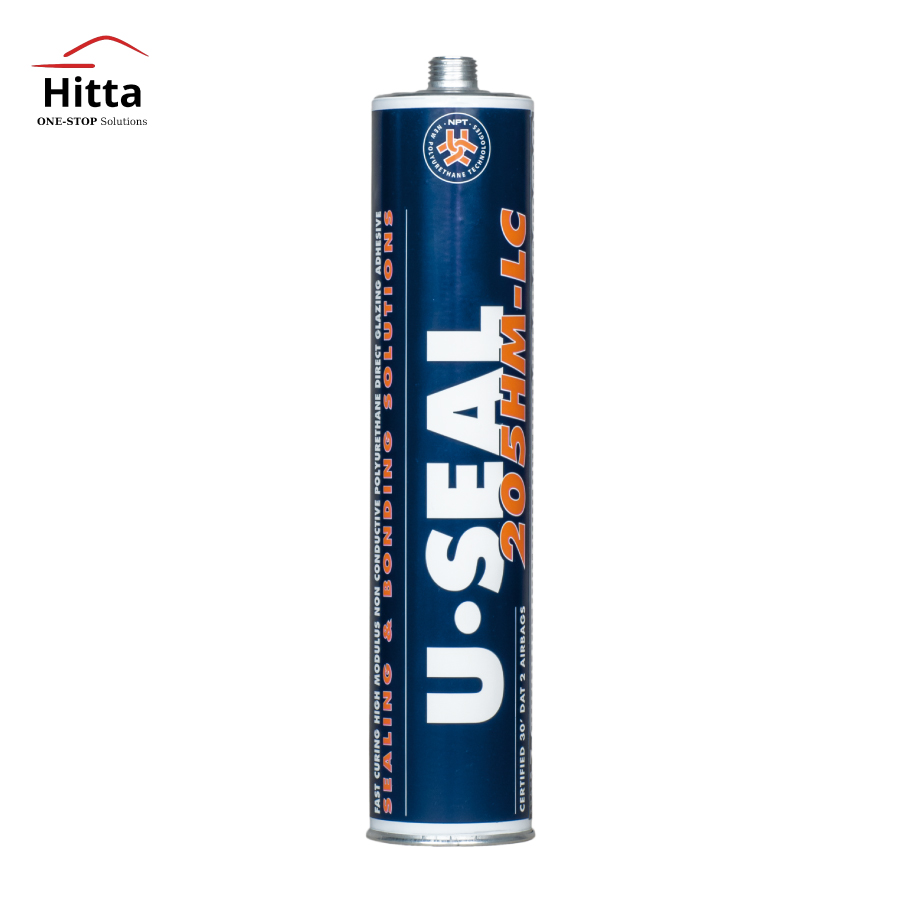
PU adhesives are highly versatile and widely used in automotive assembly, including PVC bonding. They cure into a durable, slightly elastic polymer that adheres well to many substrates. One-part moisture-curing PU is common for bonding vehicle body panels, interior composites, and PVC bus flooring.
PU provides excellent resistance to vibration and impact. Two-part PU is used when faster cure or thicker bondlines are needed. PU excels in outdoor durability, with resistance to water, heat, and chemicals. They are well-suited to PVC due to flexibility and tolerance to plasticizer migration. Typically, no primer is needed, but surface cleaning is essential.
Traditional PU contains isocyanates—in some cases, modified polymer alternatives like MS Polymermay be preferred.
Epoxy Adhesives
Epoxies are two-part adhesives known for high strength and thermal resistance, commonly used in structural bonding (e.g., metal-to-metal) and can bond rigid PVC to metals or composites. They cure into a hard, durable thermoset, sometimes stronger than rivets. However, they are not suitable for flexible PVC due to lack of flexibility.
Some rubber-toughened epoxy grades improve peel and impact resistance. Epoxies often require abrasion, thorough cleaning, and sometimes primers. Cure time ranges from minutes to hours, and heat can be used to accelerate curing.
Acrylic Adhesives (Including MMA)
Acrylics include a broad range of chemistries. Structural acrylics (usually 2-part) offer strong bonds and impact resistance. A subcategory is MMA (methyl methacrylate), popular for bonding plastics and composites. MMA cures quickly, bonds well to PVC, and usually requires minimal surface prep.
Acrylic adhesives can be one-part (e.g., acrylic tapes) or two-part systems. They have moderate flexibility (more than epoxies, less than PU) and are often reinforced for shock and vibration resistance. MMA has a strong odor during application, though newer products have improved this.
Hot-Melt Adhesives
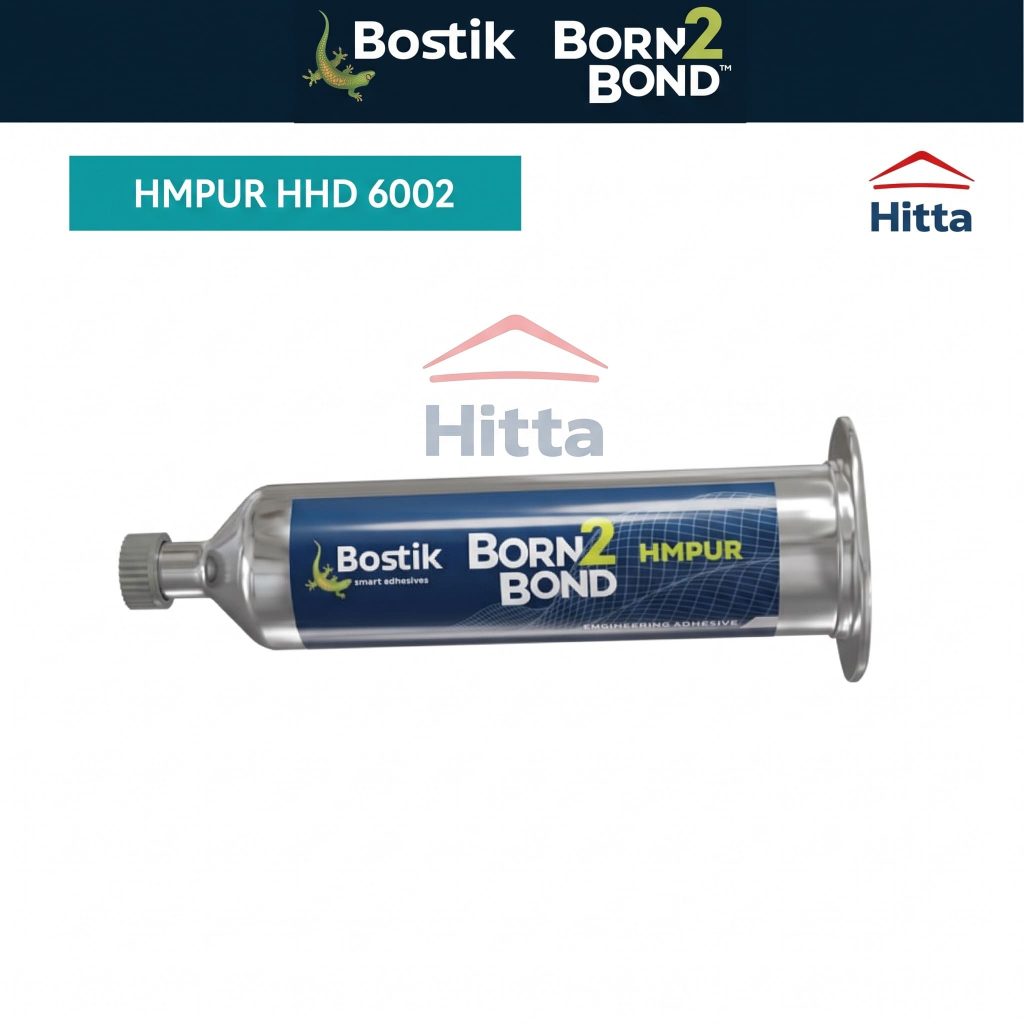
Hot-melts are solid at room temperature, melt when heated, and solidify upon cooling. Widely used in interior trim assembly, including bonding PVC skins to foam, sound-deadening fabric, or decorative components.
Main advantage: very fast processing—bonds set in seconds.
Traditional EVA-based hot-melts have limited heat resistance, but advanced grades like polyamide, polyolefin, or PUR reactive hot-melts improve on this. PUR hot-melts combine fast green strength with moisture-curing for long-term durability—ideal for PVC skins, dashboards, and ceilings.
No solvent emissions and fast cycle times make hot-melts suitable for low-VOC production.
Clean surfaces are still required.
Pressure-Sensitive Adhesives (PSA)
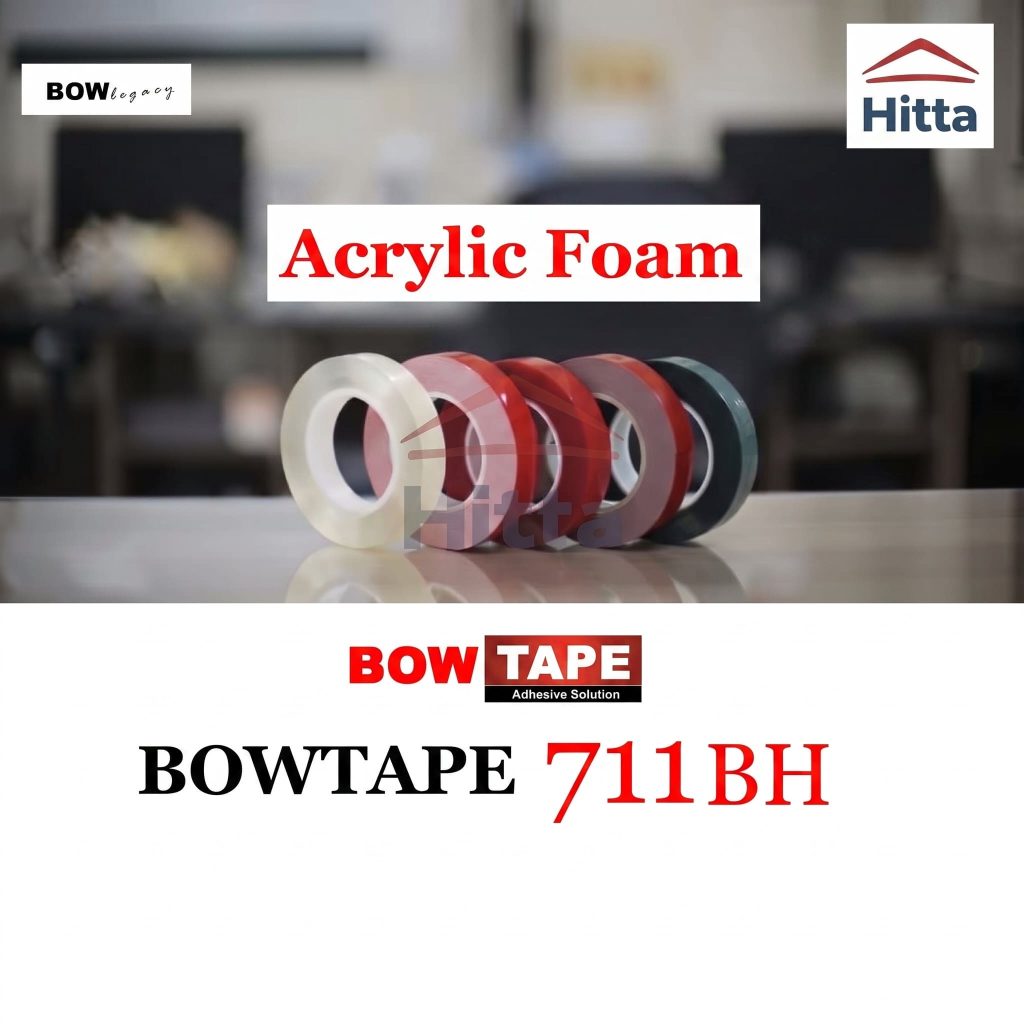
These are pre-tacky adhesives that bond under light pressure, often in the form of double-sided tapes, transfer films, or self-adhesive sheets. In automotive applications, PSA is used to mount seals, emblems, and trims, many of which are made from or bonded to PVC.
Automotive PSAs are usually acrylic-based, offering high adhesion and weather resistance. Special PSA formulations resist plasticizer migration. Rubber-based PSAs have high tack but lower heat/chemical resistance—better suited for temporary bonding.
PSAs are also used in graphics, decals, and labels.
Quick application, no cure time, no mess.
Cyanoacrylate Adhesives (CA / Super Glue)
CA is a one-part adhesive that cures rapidly with moisture. Often used for fast repairs of rigid PVC parts or small components.
Not suitable for flexible PVC, as bonds are brittle and prone to cracking under flex.
Limited heat resistance (~80°C), poor gap filling.
Some modified CA grades include rubber tougheners for improved flexibility, but still fall short of PU or silicone. Commonly used for auxiliary tasks like bonding small PVC parts or quick-fix assembly.
Silicone and MS Polymer Adhesives
Silicone adhesives are highly flexible and resistant to heat and UV, making them suitable for sealing PVC junction boxes, bus window frames, etc. However, they often require primers and have moderate adhesive strength.
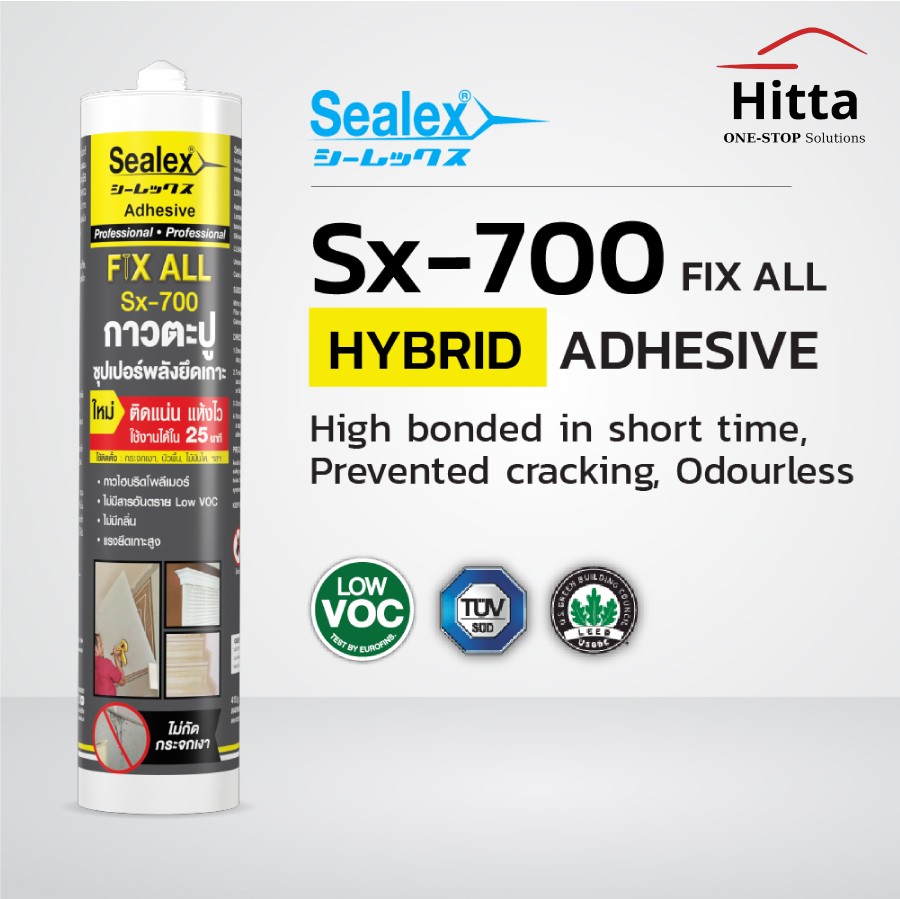
MS Polymer (Modified Silane Polymer) adhesives are hybrid systems combining silicone and PU traits. They cure into tough, elastic bonds, adhere to many substrates, and often require no primer.
MS Polymer is gaining popularity in automotive production for its solvent-free, isocyanate-free, and environmentally friendly properties.
Many MS grades comply with smoke/flame/toxicity standards for bus interiors. While not as strong as epoxy or acrylic, their durability and elasticity make them ideal for low-dynamic or flexible joints.
Comparison Table
| Adhesive Type | Key Characteristics & Typical PVC Applications |
|---|---|
| Solvent-Based Vinyl Adhesives | Chemically soften PVC surfaces to form a weld-like bond. Ideal for PVC-to-PVC joints (e.g., bonding vinyl sheets or extrusions). Fast-drying and strong, with formulations that resist plasticizer migration. Commonly used in vinyl roof installation, interior trim repairs, and bonding flexible PVC fabrics. Requires good ventilation due to solvent content. |
| Polyurethane Adhesives (1K and 2K) | Create durable, elastic bonds with excellent vibration and impact resistance. Used for bonding panels, frames, and flooring in buses and cars (e.g., PVC floor to metal chassis). 1K PU (moisture-cure) is common in body assembly and seam sealing; 2K PU provides higher strength for load-bearing joints. Weather, chemical, and aging resistant, and remains flexible over wide temperature ranges. PVC only requires cleaning before bonding. |
| Epoxy Adhesives (2K) | Form rigid, high-strength, heat- and chemical-resistant bonds. Suitable for rigid PVC (e.g., PVC brackets to metal) where flexibility is not needed. Reinforced grades can withstand impacts and often exceed rivets in shear strength. Not suitable for flexible PVC due to brittleness. Used in high-strength or high-temp applications (up to 120–200 °C). Requires clean, abraded surfaces and clamping during cure. |
| Acrylic/Methacrylate Adhesives | Structural adhesives with fast curing and minimal surface preparation. MMAs (methyl methacrylate) are widely used for bonding plastic-to-plastic or plastic-to-metal, such as PVC interior panels to aluminum frames. High peel and tensile strength with good impact resistance. Fixture time within minutes. Strong odor during cure, so ventilation is needed. Ideal for fast assembly of large PVC parts. |
| Hot-Melt Adhesives | Thermoplastic adhesives applied in molten form and set upon cooling, instantly forming bonds. Common in interior trim such as PVC-covered foam headliners, door panels, or carpet underlayments. Great for high-speed assembly. Reactive PUR hot-melts provide higher heat resistance and durability—suitable even under the hood. While not as strong as structural adhesives, they’re ideal for interior decorative bonding due to speed and moderate strength. |
| Pressure-Sensitive Adhesives (PSA – tapes & transfer films) | Pre-applied adhesives that bond on contact—no cure time required. Automotive PSAs (usually acrylic-based) offer good adhesion to plasticized PVC. Advanced acrylic tapes resist plasticizer migration and withstand temps up to ~140 °C. Common uses: body side moldings, cable clips, PVC decals. Moderate but long-lasting tack, UV and weather resistant. Requires clean surfaces; typically includes a release liner. |
| Cyanoacrylate Adhesives (Super Glue) | Extremely fast curing—initial strength in seconds to minutes. Suitable for quick repairs or small rigid/flexible PVC parts (e.g., clips or crack repairs). Strong in shear but brittle, making them unsuitable for flexible or large joints. Heat and humidity can degrade bond over time. Best for prototyping or field repairs, not for primary structural use unless in niche applications. |
| Silicone & Hybrid MS Polymer Adhesives | Flexible adhesives/sealants. Silicone works from –50 to 200 °C, adheres moderately to PVC (may need primer), and is ideal for sealing around PVC components (e.g., windows, lamps) where thermal expansion occurs. MS Polymer (STP) is a hybrid adhesive, solvent- and isocyanate-free, bonds well to PVC without primer, and cures into paintable rubber-like films. Widely used in bus and specialty vehicle assembly for panel bonding and joint sealing. While not as strong as epoxy/acrylic, MS excels in UV resistance, flexibility, and many grades meet fire safety standards (e.g., UL94, ECE R118). |
Performance Requirements for PVC Adhesives in Automotive and Bus Manufacturing
Adhesives in the automotive industry—particularly for PVC bonding—must act as “silent heroes”, maintaining strong, reliable bonds throughout the vehicle’s lifetime, despite exposure to temperature extremes, vibrations, UV light, moisture, chemicals, and aging.
In vehicle assembly, adhesives are expected to meet strict performance criteria, as bonded joints are subjected to a wide range of mechanical and environmental stresses. Key requirements include:
Temperature Resistance
Adhesives must withstand a wide temperature range—from freezing cold starts to high heat in engine bays or sun-exposed interiors. Under-hood areas can maintain temperatures above 100 °C, with peaks even higher, while interiors may reach up to 80 °C on hot days.
Adhesives must not soften, melt, or lose strength when hot, nor become brittle in the cold. For example, door panel adhesives must remain flexible in low temperatures to avoid cracking under impact. Conversely, dashboard adhesives must resist heat without delamination. Thermal cycling (repeated expansion and contraction) also stresses the bond, so thermal aging resistance is critical.
Vibration and Impact Resistance
Vehicles are exposed to constant vibrations from the engine, road surfaces, and drivetrain. Adhesive joints must absorb or endure such dynamic forces without fatigue or failure. This is especially critical for buses (with large floor and panel spans) and for battery or electronic enclosures.
Flexible, tough adhesives—such as PU, MS polymer, or reinforced acrylics—are designed to resist fatigue and spread stresses evenly, unlike fasteners which concentrate load at points. Automotive-grade adhesives must pass vibration and impact tests to ensure real-world performance.
UV and Weather Resistance
Joints exposed to sunlight (e.g., exterior trims, bus roof panels) must resist UV degradation. Prolonged UV exposure can embrittle or break down polymers. Thus, adhesives for exterior use are typically UV-stabilized or inherently UV-resistant (e.g., silicone, acrylic).
Exposure to moisture, rain, and road salt (especially in coastal areas) also demands hydrolysis and corrosion resistance. For example, adhesives used in exterior cladding must endure years of rain, mud, and de-icing salts. Many formulations meet standards for weather, water, and even fuel resistance.
Chemical Resistance
Adhesives may be exposed to automotive chemicals throughout a vehicle’s lifespan, including gasoline, engine oil, coolant, brake fluid, and detergents. Adhesives used in engine bays or underbody must be validated for chemical exposure.
For example, bonding a PVC fuel shield requires resistance to fuel splashes. Additionally, plasticizers in flexible PVCcan degrade incompatible adhesives. Interior adhesives must also resist common cleaning chemicals.
Manufacturers often conduct immersion tests, soaking adhesive joints in various fluids for 7+ days, to evaluate residual bond strength.
Long-Term Durability and Fatigue Resistance
Adhesive joints in vehicles are expected to last 10–20 years (hundreds of thousands of kilometers) without significant loss of strength.
This requires resistance to aging from heat, oxygen, and mechanical stress. Accelerated aging tests simulate life cycles—for example, 1000+ hours at high temperature, thermal cycling (–40 to 90 °C), and high humidity (85°C/85% RH), followed by strength evaluation.
Fatigue resistance is also crucial—adhesives must not crack after millions of vibration cycles. Elastic adhesives like PU or SMP typically excel in this area. Key indicators include peel and shear strength after aging. The goal: maintenance-free durability.
Flame Retardancy and Smoke Toxicity
In buses and coaches (and to some extent passenger vehicles), adhesives must meet fire safety standards. Interior materials must be self-extinguishing and non-flame-propagating.
In the U.S., FMVSS 302 limits flame spread in materials like foam and upholstery; adhesives must not promote fire spread. In the EU, UN/ECE Regulation 118 requires interior adhesives not to contribute to fire propagation.
Therefore, bus interior adhesives are often fire-rated. Flame-retardant silicone and MS polymer adhesives (FST-rated: Fire, Smoke, Toxicity) are commonly used. Manufacturers require certified fire-resistant adhesives, often using halogen-free flame retardants to comply.
Low Emissions (VOC & Fogging)
Interior adhesives must emit low VOCs to avoid windshield fogging and ensure good in-cabin air quality.
Standards like SAE J1756 / ISO 6452 measure fogging emissions, preventing oily films from forming on glass. Adhesives should also have low VOC content to protect worker safety and reduce the “new car smell.”
Modern interior adhesives are often water-based or solvent-free. UV-curable acrylics offer near-zero emissions, ideal for clean applications like headliners or dashboards. Adhesives must comply with formaldehyde, benzene, and VOC limits set by OEMs.
Mechanical Properties
Adhesives do not have a yield point like metals, but their mechanical properties—tensile, shear, peel strength, and modulus—are engineered for specific use cases.
Structural adhesives must achieve high shear strength (10–25 MPa on metals) and sufficient peel strength to resist delamination. PVC interior adhesives need adequate peel strength to endure thermal expansion. Soft material adhesives are often tested using standards like SAE J1679.
Load-bearing joints must retain strength during impact—e.g., bus roof panels must not detach during rollover. Some OEMs specify retention of a minimum % of bond strength after aging to validate long-term performance.
Surface Preparation and Bonding Techniques for PVC Plastics
Proper surface preparation is often the key factor that determines whether a PVC bond will succeed or fail. PVC—especially rigid PVC—has a moderate surface energy (~39 dynes/cm), generally allowing for good adhesion without the need for primers. However, surface contaminants or plasticizers can interfere with bonding. The essential preparation and bonding steps include:
Surface Cleaning
All bonding surfaces must be thoroughly cleaned to remove dust, oils, mold release agents, and plasticizer residues. Typically, wiping with a solvent such as isopropyl alcohol (IPA) or acetone, followed by drying, is sufficient to remove contaminants.
For example, vinyl bonding guidelines often recommend cleaning with IPA and ensuring the surface is dry and grease-free prior to adhesive application. For plasticized PVC, which is prone to plasticizer migration, light abrasion and specialized degreasers may be necessary for optimal adhesion.
Abrasive Treatment (If Necessary)
Rigid PVC may benefit from light sanding with fine-grit sandpaper to enhance mechanical anchoring of the adhesive. The surface should then be cleaned again.
For soft PVC films, abrasion is typically not required, as the material may become more slippery than rough. However, for rigid PVC parts bonded with epoxy or acrylic adhesives, sanding can significantly improve adhesion.
Avoid deep sanding that could thin the material or create hazardous PVC dust—dust collection should be used for safety.
Use of Primers or Surface Treatments
Although PVC usually does not require a primer, some adhesives benefit from primers that enhance bond strength or protect against plasticizer effects.
In piping, for example, solvent primers (MEK, THF) are used to soften the pipe surface before solvent welding. In automotive applications, primers are more common for low-surface-energy plastics (like PP/PE), but may be recommended by adhesive manufacturers for silicone or MS polymer adhesives used on PVC.
When PVC is co-molded with polyolefins (e.g., TPO skins over PVC foam), primers may be needed on the TPO side. Plasma or corona treatments can also increase surface energy and clean the PVC surface—especially helpful for hard-to-bond parts, although not typically required for PVC like it is for PP.
Adhesive Application
Adhesive must be applied in accordance with manufacturer specifications regarding film thickness, coverage, and open time.
For contact adhesives used in PVC upholstery, a uniform coat is sprayed or brushed onto both surfaces, left to dry to a tacky state, and then pressed together, forming an instant bond.
For structural adhesives (e.g., epoxy, MMA), a continuous bead is applied to maintain a consistent bond line. Voids or air bubbles should be avoided—especially in moisture-sensitive or waterproof applications.
Many adhesives have an “open time” (the time between application and bonding). If this time is exceeded, the adhesive may dry prematurely, reducing bond strength.
Adhering to proper open time and assembly time is critical for maximum bond performance.
Clamping / Fixturing
After assembly, the bonded parts typically need to be held in place until the adhesive cures (except in the case of contact adhesives or instant-setting adhesives). This can be done with clamps, weights, vacuum presses, or temporary screws.
For example, when bonding PVC leather to door panels using PUR adhesives, vacuum pressing is often used to ensure even pressure. Two-component adhesives may develop handling strength within minutes to hours, but full cure may take 24+ hours. During this time, movement must be prevented for optimal strength.
Hot-melt and pressure-sensitive adhesives do not require clamping, as they bond immediately—a major advantage in high-speed production.
Cleanup and Finishing
Excess adhesive should be wiped off before curing, using compatible solvents (e.g., acetone for uncured epoxy, or citrus-based cleaner for uncured PU). Once cured, removal is more difficult and may require mechanical scraping.
If post-curing (e.g., heat drying) is needed to boost bond strength or remove residual solvents, it should be done according to the adhesive’s technical data sheet.
Finally, exposed bond lines can be painted or sealed. Many modern adhesives—especially PU and MS polymers—are paintable once cured, making them suitable for visible or cosmetic surfaces.
Contact information
Hitta is a trusted supplier of a wide range of adhesive and bonding tape solutions from leading global brands. Backed by a team of experienced technical experts with hands-on knowledge across various industries, we offer not only premium products but also tailored consultation to optimize your existing processes—ensuring they meet specific requirements and project challenges.
If you are looking for a high-performance, durable, and reliable bonding solution, let Hitta be your partner—from consultation through to implementation.
Contact us today to discover the most suitable adhesive solution for your application.
- ☎️ Hotline: 0565.336.879
- ✉️ Email: hittajsc@hitta.vn





