Solution Summary
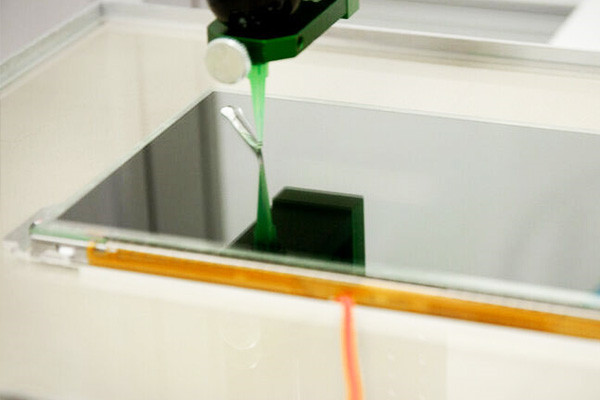
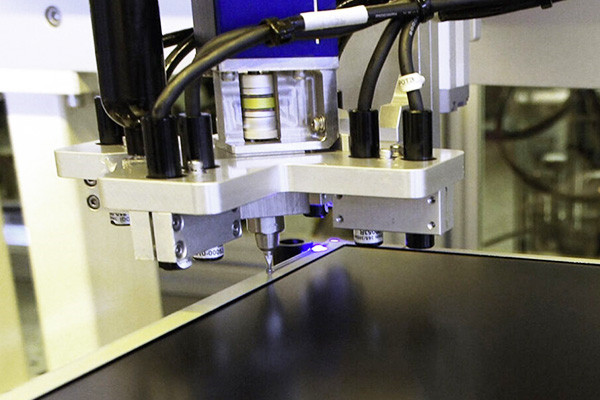
Everwide focuses on applications within the Liquid Crystal Display (LCD) assembly industry, offering a diverse range of products. Starting with adhesives used in the packaging process, ACF (Anisotropic Conductive Film) and COG (Chip-on-Glass) components are coated with reworkable UV adhesives.
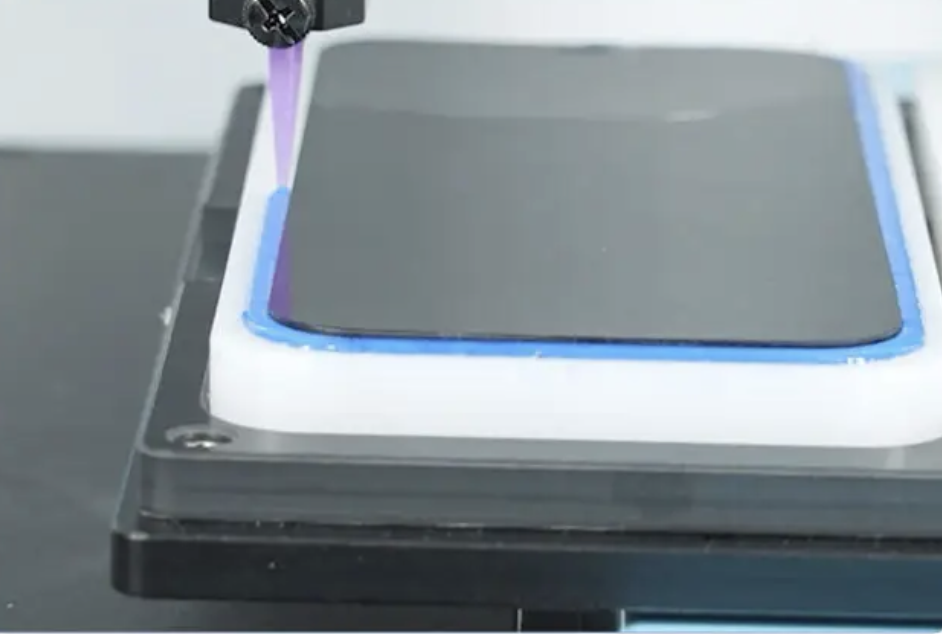
Following the TAB (Tape Automated Bonding) process, the back of the cables and the glass surface are further reinforced in an L-shape using transparent UV glue, blue UV glue, or other identifiable adhesive patterns. The latest product line also includes color-changing UV adhesives. Finally, a high-gloss adhesive is applied to the LCD screen surface.
- Protective UV Adhesives.
- UV Adhesives for COG and ITO lines.
- FPC Reinforcement UV Adhesives or Modified Silicone Adhesives.
- Glossing and Physical Reinforcement UV Adhesives.
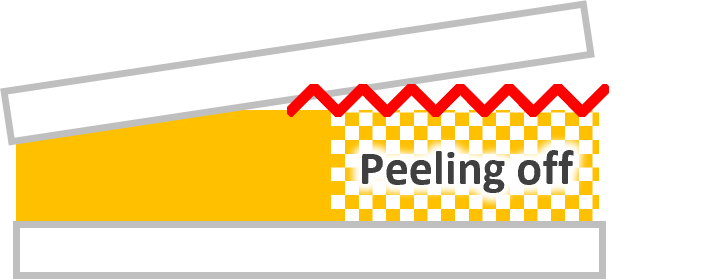
Strong Adhesion: Superior bonding capability for ultra-narrow bezels.

“Contamination and Moisture Resistance: Prevents contamination and impurities.
Excellent Elongation: Easy workability and enables fine line dispensing.
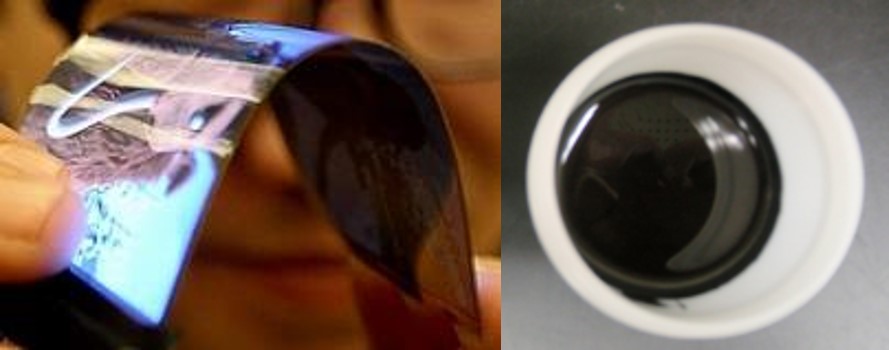
Diverse Product Range: Suitable for a wide variety of applications.
Contact for Consultation
Hitta is currently a supplier of diverse adhesive and assembly tape solutions from the world’s leading brands. With a technical team possessing extensive hands-on experience across various application fields, we do not just supply products; we provide consulting solutions to optimize existing processes, tailored to specific requirements and customer challenges.
If you are looking for an effective, sustainable, and reliable bonding solution—let HITTA accompany you from the consultation phase to implementation.
Contact Hitta today for the most suitable solution support.
☎️ Hotline: 0565.336.879
✉️ Email: hittajsc@hitta.vn
The Role of Optical Adhesives
High-performance displays today are not monolithic blocks but complex multi-layer structures. The method of bonding these component layers—including the core TFT panel, touch sensor, and protective glass—is a critical engineering decision that directly governs optical performance, durability, and the user experience of the final product. The two main assembly methods are Air Bonding and Optical Bonding; each has distinct processes and strategic applications.
The choice between these two methods depends on the intended use and technical requirements. The table below outlines the core differences:
| Feature | Air Bonding | Optical Bonding |
| Process | Uses double-sided tape applied around the TFT frame bezel, leaving a small air gap between the screen and the protective glass or touch sensor. | Uses Liquid Optical Clear Adhesive (LOCA)—or Optically Clear Adhesive (OCA) film—to seal the entire surface, completely filling the gap between layers. |
| Primary Application | A cost-effective solution suitable for standard indoor applications where peak optical performance and environmental durability are not top priorities. | High-performance applications requiring superior visibility, durability, and a premium visual experience. This process unifies the sensor, glass, and display into a single optical unit. |
The biggest limitation of the Air Bonding method is the “air gap” it creates. This gap forms two additional internal reflective surfaces within the screen structure. As light passes through, a portion is reflected at each air-glass or air-plastic interface. This internal reflection causes significant light loss, reduced contrast, and increased surface glare, thereby reducing readability, especially under strong ambient light.
Optical Bonding technology is specifically designed to completely eliminate this air gap, thereby overcoming these inherent optical limitations. However, the transition from simple bezel bonding to full-surface bonding also presents new manufacturing and operational challenges that advanced adhesive technologies must address.
Key Challenges in LCD Assembly and Environmental Operation
The drive for innovation in screen bonding technology stems from the need to overcome major challenges in manufacturing and operation. Creating a durable, flawless bond throughout the device’s lifecycle is a complex task. Process errors can cause display defects, while the finished product must be robust enough to withstand harsh environmental conditions without compromising image quality or structural integrity.
One of the most serious manufacturing defects is the Mura effect. This Japanese term means “unevenness,” describing stripes or non-uniform bright spots on the screen. The root cause of Mura lies in manufacturing process variations, such as micro-inconsistencies in the liquid crystal layer, uneven backlighting, or component defects. Notably, internal stress caused by improper bonding processes—particularly high shrinkage of the adhesive during curing—can exacerbate or directly cause this defect.
Outside the factory, screens must operate reliably in various harsh environments. A high-quality optical bond is key to minimizing the following operational risks:
- Mechanical Stress: The bond must be strong enough to resist impact, continuous vibration, and external forces, especially in industrial or public applications.
- Impurity Ingress: The seal must be perfect to prevent dust, liquids, and impurities from entering the screen structure, causing damage or obstructing visibility.
- Extreme Environments: Screens are frequently exposed to extreme temperatures and humidity. The adhesive must maintain its structural and optical properties without degradation.
- Condensation (Fogging): In devices operating across fluctuating temperature ranges, moisture can enter the gap of air-bonded screens and condense on the inner glass surface, causing fogging. By filling this void, optical bonding completely prevents this phenomenon.
Liquid Optical Clear Adhesive (LOCA), especially the UV-cured type, has emerged as the leading solution, offering a robust process compatible with large-scale manufacturing.
UV-Cured LOCA Process

The process using Liquid Optical Clear Adhesive (LOCA) is one of the most popular and mature technologies for achieving superior optical bonds. Using a liquid material that is subsequently cured by UV light offers many advantages over other methods like adhesive film (OCA). This process ensures precision, repeatability, and easy integration into automated lines.
The optical bonding process using UV liquid adhesive typically follows these steps:
- Dispense: A precise amount of liquid adhesive is applied to one of the components, usually the protective glass or the top surface of the display module.
- Alignment & Bonding: The second component (such as the touch panel/TFT) is carefully aligned and mated. Using a control method often called the “Flip method,” the components are pressed together, allowing the liquid adhesive to spread evenly and fill the gap without generating air bubbles.
- UV Curing: Once the adhesive has spread perfectly, the assembly is exposed to UV light at a specific wavelength. The light triggers a photopolymerization reaction, linking liquid monomer chains and transforming the adhesive into a solid, transparent, and stable elastomer. A major advantage of this step is that it generates no significant heat, preventing thermal or mechanical stress on sensitive display components.
- Inspection & Rework: The product is inspected for defects. A critical manufacturing benefit of LOCA is its reworkability before curing. If a defect is detected before UV exposure, the components can be separated, cleaned, and the process repeated.
The LOCA process is primarily known as a “Hard-to-Hard” method, particularly suitable for bonding rigid materials like glass, plastics (e.g., PMMA), and TFT panels.
Comparison: Silicone vs. Acrylic LOCA
(This content is for technical reference; please contact HITTA for specialist consultation)
Although both silicone and acrylic adhesives are used in UV LOCA processes, their chemical nature creates significant differences in performance and reliability. Understanding these differences is key for engineers to select the right material. Advanced silicone formulations (such as the Momentive InviSil OP series) have been developed to overcome the issues of traditional acrylic adhesives.
The table below compares key characteristics based on performance data:
| Feature | Silicone Adhesive | Acrylic Adhesive | Impact & Technical Significance |
| Cure Shrinkage | Excellent: Very low shrinkage (0.17% – 0.22%). | Average: Higher shrinkage (1.20% – 1.30%). | Low shrinkage in silicone minimizes internal stress, significantly reducing the risk of the Mura effect and stress-induced display defects. |
| Adhesion to Plastics | Excellent: Specialized formulas bond well to PC and PMMA. | Average: Low adhesion performance on some plastic types. | Silicone offers design flexibility for devices using plastic protective layers instead of glass. |
| Thermal Stability | Excellent: Modulus (stiffness) is stable across a wide temperature range. | Average: Modulus is highly temperature-dependent (hard/brittle when cold, soft when hot). | Silicone stability ensures consistent shock absorption in fluctuating temperature environments. |
| Durability & Reliability | Excellent: Minimal yellowing or hazing after aging tests (e.g., at 85°C/85% RH). | Unknown: Performance data not available in this comparative context. | Resistance to yellowing ensures long-term transparency and color fidelity. |
| Workability | Excellent: High wettability and good vacuum tolerance (no boiling). | Average: Poorer vacuum tolerance; prone to boiling, causing air bubbles. | Silicone is more reliable in high-vacuum manufacturing environments—a standard in modern display assembly. |
Based on these advantages, the ideal characteristics of a high-performance optical adhesive include:
- High transparency and light transmission.
- Excellent reliability, with no yellowing over time.
- Low shrinkage upon curing to prevent stress and defects.
- Good shock absorption due to a stable dynamic modulus.
- Low surface energy for good wettability (solvent-free solution).
- Non-corrosive chemistry to protect electronic components.
Conclusion: UV-cured Liquid Optical Clear Adhesive is the foundational technology for modern display manufacturing. While the optical bonding process offers superior advantages over the old air bonding method, final quality depends heavily on the material used. Therefore, selecting advanced materials, like UV silicone, is a critical design decision to minimize production risks (such as shrinkage) and deliver products with maximum optical performance and long-term durability.
Core Benefits of UV Optical Bonding
The widespread adoption of UV optical bonding technology is driven by a series of strategic advantages that directly improve performance, durability, and production efficiency.
Superior Optical Performance
By eliminating the air gap, optical bonding fundamentally improves how light transmits through screen layers:
- Excellent Visibility: The adhesive layer alters light reflection behavior at contact surfaces, allowing more backlight to pass through, increasing brightness and image quality.
- High Contrast: Reduced light scattering and internal reflection help displayed content appear sharp with high contrast, even under direct sunlight.
- Reduced Glare: Minimizing the number of reflective surfaces reduces eye strain for the viewer, providing a more comfortable experience.
Enhanced Rigidity and Durability
A solid bond creates a more robust screen unit:
- Impact Resistance: Comprehensive bonding turns the adhesive layer into a shock absorber, protecting the sensitive display module from external forces.
- Impurity Prevention: The seal prevents dust and liquids from entering.
- Extended Lifespan: Shock resistance, impurity protection, and condensation prevention directly contribute to the overall reliability and longevity of the display.
Design and Manufacturing Flexibility
Compared to Optical Clear Adhesive tape (OCA), the LOCA process offers significant advantages:
- Superior Adhesion & Wettability: Liquid adhesive fills micro-gaps and adapts to surface variations much better than pre-formed tapes.
- Suitable for Large Panels: LOCA eliminates the need to stock multiple types of pre-cut films for different sizes.
- Automation Compatibility: The entire process from dispensing to curing can be fully automated, making it ideal for mass production.
Impact of Adhesives on Display Quality
It may sound minor, but the role of display adhesive cannot be overlooked. Manufacturers are constantly optimizing this component to deliver superior display quality to users.
Although the impact of display adhesive might seem small, its importance cannot be underestimated. Let’s dive deeper into this key factor to understand its influence on the visual experience:
- Adhesive Composition: Screen adhesives are designed to bond internal layers within the display structure, securing components such as glass, touch layers, and backlights. Silicone, acrylic, or specialized bonding materials are common choices.
- Visual Transparency: The clarity and refractive index of the adhesive directly affect light transmission through the layers. Optimal clarity reduces image distortion, delivering sharp and clear visuals.
- Color Accuracy: Color reproduction can be affected if the adhesive interacts improperly with display components. High-quality adhesive minimizes color shift, maintaining true-to-life colors.
- Durability and Longevity: Adhesive quality directly impacts screen durability. Good adhesive withstands temperature changes, humidity, and impact forces, extending the screen’s lifespan.
- Touch Sensitivity: In touchscreens, the adhesive layer affects the sensitivity and accuracy of touch operations. Well-designed adhesive maintains optimal responsiveness without compromising adhesion.
- Reduction of Optical Defects: Poor quality adhesive can cause optical defects such as glare, reflections, or halo effects, degrading the visual experience. Premium adhesives help minimize these issues.
- Manufacturing Precision: The application process requires high precision. Any deviation can create air bubbles or uneven bonding, affecting display consistency.
- Repair and Maintenance: The quality of adhesive used in initial assembly also impacts repairs. Unsuitable adhesive can make disassembly difficult and affect repair efficiency.
Environmental Friendliness of Adhesives
In the race for technological development, the world is paying increasing attention to the environmental impact of every component in electronic devices. Among countless lesser-mentioned components, display adhesive plays a crucial role not only in display quality but also in environmental friendliness.
Let’s explore the environmental factors related to display adhesives:
- Material Composition: Traditionally, display adhesives used materials that could raise environmental concerns due to their chemical makeup. However, the trend is shifting strongly towards friendlier options. Silicone, acrylic, and bio-based materials are being researched to minimize environmental impact.
- Toxicity and Emissions: Many traditional adhesives can emit Volatile Organic Compounds (VOCs) during manufacturing and use, contributing to air pollution. Eco-friendly adhesives aim to reduce or completely eliminate VOCs, prioritizing human health and ecological safety.
- Recycling and Waste Disposal: Disposing of electronic devices and their components is a major environmental challenge. “Green” adhesives make separating structural layers during recycling easier, reducing e-waste and promoting a circular economy.
- Renewable and Sustainable Sources: More manufacturers are choosing adhesives sourced from renewable and sustainable materials. Bio-adhesives from plants or recycled materials help reduce dependence on non-renewable resources.
- Energy Consumption: The adhesive manufacturing process often consumes significant energy. Current innovations focus on reducing the required energy through more efficient production technologies.
- Regulatory Compliance: Adhesive manufacturers must ensure compliance with environmental regulations and standards. Maintaining these certifications promotes sustainable practices and continuous improvement.
- Life Cycle Assessment (LCA): Analyzing the entire life cycle of display adhesive helps identify areas for improvement—from raw material extraction to disposal. This holistic approach contributes to minimizing the overall environmental footprint.
The effort to develop eco-friendly display adhesives reflects consumer trends toward sustainable technology. Manufacturers are increasingly investing heavily in R&D to create adhesives that meet technical requirements while being environmentally responsible.