In today’s advanced industrial nations, the research and application of lightweight materials in transportation vehicles have become essential. So, how can a car be made lighter?
Why Lightweight Materials Are Essential for Cars
Reducing Fuel Consumption
Since the early days of the automotive industry, cars have been built with the primary aim of providing durable and reliable transportation. Back then, the idea of adding convenience features to vehicles was not a priority. Manufacturers and engineers focused on attributes such as powerful engines, safety, comfort, and resilience to harsh weather conditions, which resulted in heavier cars.
Today, in response to climate challenges, countries worldwide are intensifying efforts to reduce emissions and improve air quality. This presents significant challenges for automotive engineers, who must continuously reduce fuel consumption while ensuring the comfort and safety of passengers.
Solutions
There are several solutions to reduce fuel consumption, such as using alternative fuel sources, optimizing engines, and optimizing the vehicle body both internally and externally to make it lighter.
Currently, as electric and autonomous vehicles become increasingly popular, we continue to explore other alternative energy sources like solar and wind power. Ultimately, regardless of the energy source used, the two most crucial factors remain the use of high-efficiency lightweight materials in the vehicle and throughout the production process.
Reducing emissions from the transportation sector significantly contributes to improving air quality. According to the United States Environmental Protection Agency, the transportation sector accounts for 27% of global emissions. Meanwhile, the European Union indicates that 24% of CO2 emissions come from transportation, with 20% originating from road transport.
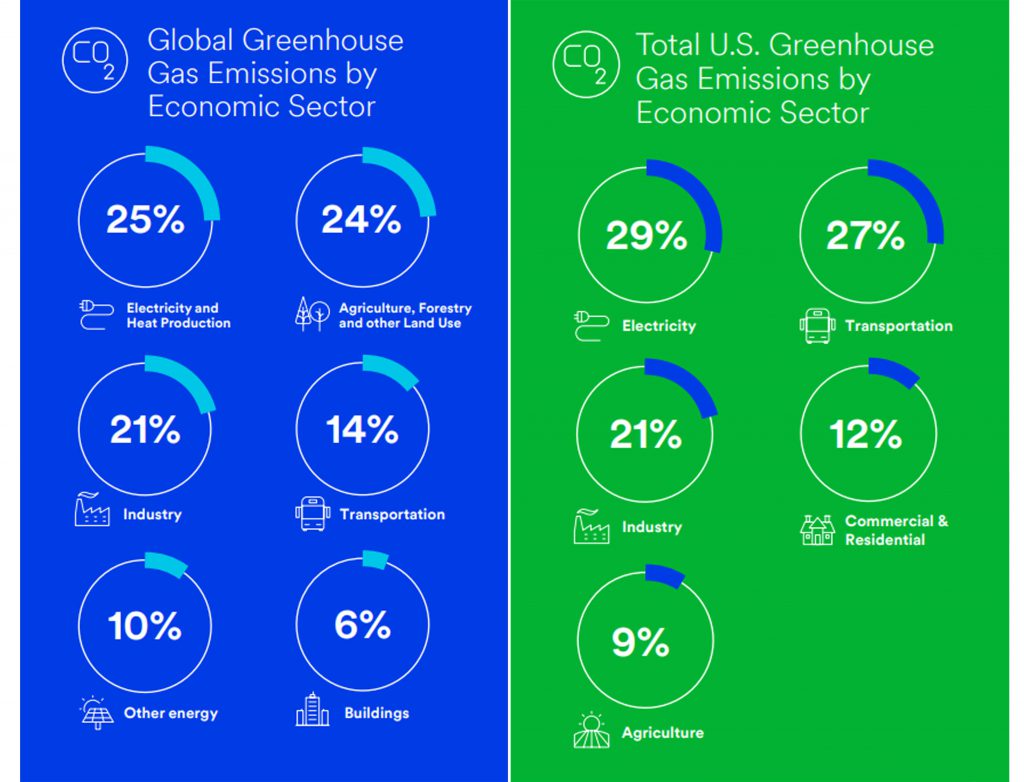
Alongside this, global trends such as urbanization in developing countries are on the rise. Currently, about 54% of the world’s population lives in urban areas, and this number is increasing. Economic growth in developing regions, such as Asia, will boost travel demand as people’s economic conditions improve, leading to a higher demand for passenger transportation.
Fuel Consumption Reduction Targets in the European Union
The European Union (EU) has set progressive targets to reduce CO2 emissions across all sectors, including transportation, with milestones extending to 2050. By 2050, the goal is to reduce emissions by 20% compared to 1990 levels.
Specific targets have been established for the transportation sector, which accounts for about one-quarter of total greenhouse gas emissions in Europe. According to the European Commission, cars are responsible for 12% of the total CO2 emissions in Europe.
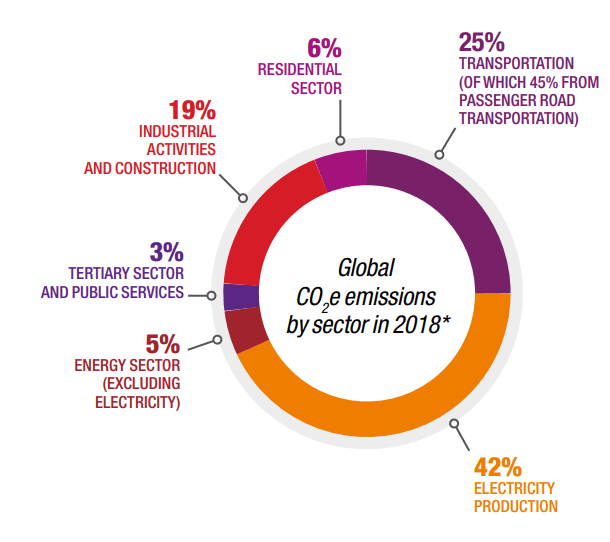
In November 2017, the European Commission announced new regulations regarding the limitation of emissions. These regulations spurred manufacturers to reduce emissions for both passenger and commercial vehicles by at least 30% by 2030 compared to 2021 levels.
Meeting User Expectations
When it comes to using vehicles like cars, most customers prioritize safety, powerful engines, and the integration of convenience features.
How can automotive manufacturers balance government targets, customer expectations, and profits?
Currently, driver assistance software, such as lane departure warning and collision avoidance systems, can enhance safety.
Cars can also be designed to be lighter by utilizing advanced materials such as glass bubbles or lightweight bonding solutions (reinforced tape). Solutions from experts like 3M provide insights into making cars lighter.
Types of super lightweight Materials
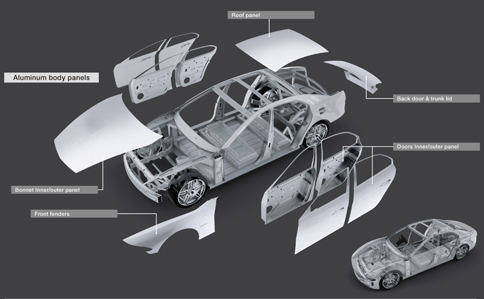
Aluminum (AL): Aluminum is another commonly used metal material in the automotive manufacturing industry, and its usage is increasing daily. Aluminum is a lightweight material with high corrosion resistance. It is often used in areas such as car roofs, hoods, and door panels. Using aluminum can reduce vehicle weight by up to 60%. However, vehicles made with a significant amount of aluminum tend to be more expensive due to the higher cost of aluminum and the more complex shaping methods compared to steel. High-end vehicles tend to use more aluminum.
Carbon Fiber:
Carbon fiber material has half the density of aluminum and four times the strength of steel. Using carbon fiber can reduce vehicle weight by up to 70%. However, the major challenges in using this material are its high cost, complex processing technology, and difficulty in recycling compared to steel and aluminum. Carbon fiber is commonly used in the aerospace industry and high-end vehicles.
Magnesium:
Magnesium is a lightweight material among all metal materials used in current automobiles, especially in powertrain systems. Although magnesium has been used since 1979, it faces significant challenges in processing methods.
Titanium:
Titanium is widely used in exhaust systems due to its excellent heat resistance. It has excellent durability but comes at a high cost.
Plastics:
Plastics are extensively used in car interiors and bumpers. They offer high rigidity and cost-effectiveness. Adding high rigidity glass bubbles into the plastic component during processing reduces density even further while maintaining high preservation of the bubbles.
For more information, see: 3M Bubble Glass in the Automotive Industry
The Difference When a Car Utilizes Lightweight Materials

- Magnesium: Improves weight by 30-70%.
- Carbon Fiber Composite: Enhances weight by 50-70%.
- Aluminum & AL Matrix Composites: Increases weight by 30-60%.
- Titanium: Boosts weight by 40-55%.
- High-Quality Steel: Improves weight by 15-25%.
Applications of Lightweight Materials
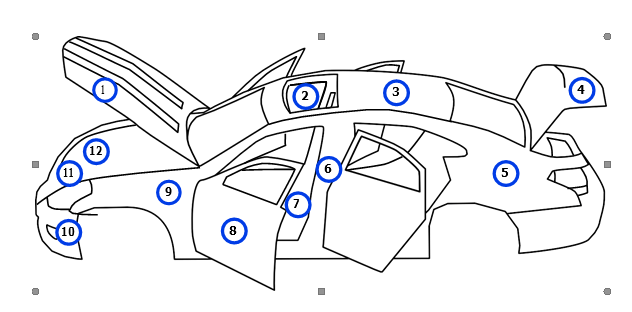
- 1/Hood: Aluminum
- 2/Sunroof: Polycarbonate
- 3/Roof: Low Carbon Steel
- 4/Trunk Lid: Low Carbon Steel
- 5/Rear Quarters: Low Carbon Steel
- 6/A Pillar: Hot-stamped Steel (1000-1500 MPa)
- 7/Floor: Low Carbon Steel
- 8/Outer Doors: Galvanized Steel Inner Doors: Low Carbon Steel
- 9/Fender: Medium Carbon Steel or Galvanized Steel
- 10/Front Bumper: Plastic
- 11/Front Body Panels: High-Strength Steel (980-1200 MPa) or Aluminum
- 12/Engine Compartment: High-Strength Low Alloy (HSLA) Steel
- 13/Firewall: High-Strength Low Alloy Steel/Advanced High-Strength Steel (AHSS)
Trends in Automotive Materials Innovation
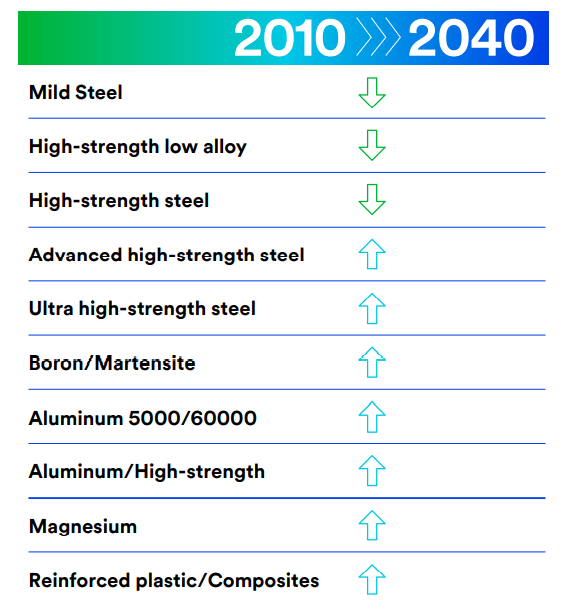
Challenges in Implementing New Materials

Differences in Melting Temperatures
Variation in melting points among different materials. Difficulties in controlling the manufacturing process.

Corrosion
Correlation with electrochemical corrosion when exposed to moisture.

Thermal Expansion Coefficient Discrepancies
Variation in the thermal expansion coefficient of materials leads to different expansions within the paint chamber.

Increased Costs
Researching and implementing new materials to meet manufacturing processes takes time and money.

Supply Capability
Automobile manufacturers are diversifying production platforms globally. Worldwide supply capabilities from multiple suppliers are crucial.

Recyclability
Most materials used in cars should be highly recyclable to contribute to environmental and regulatory standards.

Repairability
Cars with low repairability increase warranty costs, leading to lower sales.

Operational Capability
Introducing new materials requires changes in manufacturing processes and the expertise of engineers in the plant
Application of Ultra-Lightweight Bonding Solutions
The increasing diversity of materials used in automotive manufacturing has led to limitations in traditional joining methods.
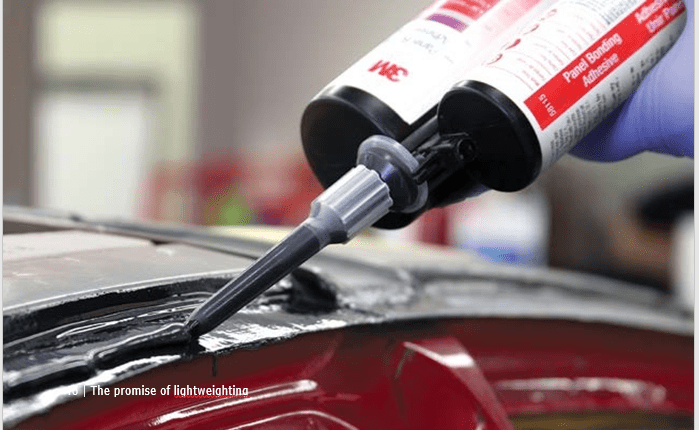
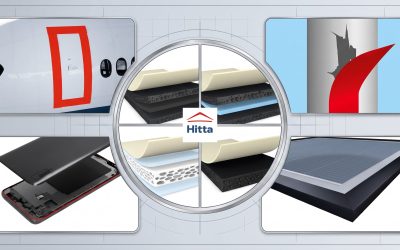
New adhesive solutions such as adhesives and tapes are trending to replace traditional methods and hold a significant share in the automotive manufacturing industry.
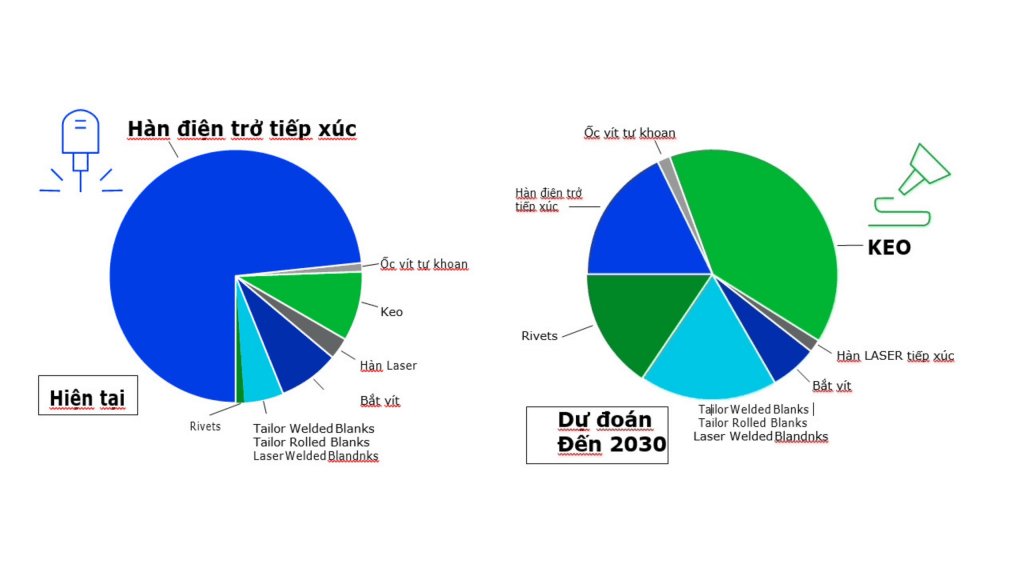
Advantages of Adhesive Solutions
Why are adhesives more effective? The diverse range of materials used in automotive manufacturing poses challenges for traditional joining methods. Welding, for example, cannot bond different types of materials, while riveting and screwing face corrosion issues in harsh weather conditions.
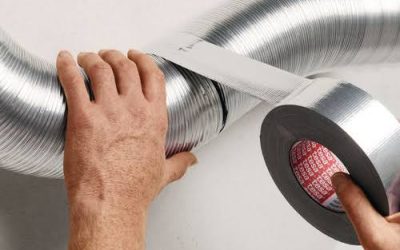
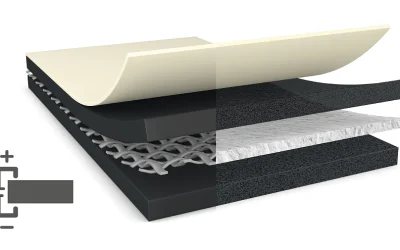
Adhesive solutions using adhesives and tapes are becoming increasingly efficient. They can bond different types of materials together, offer better weather resistance, and reduce vibration transmission and noise. Additionally, adhesive and tape bonding solutions provide flexibility and durability.
Choosing the Right Adhesive Solution
Similar to other mechanical joining methods, selecting the right type of adhesive is crucial when using adhesives and tapes for bonding different materials.
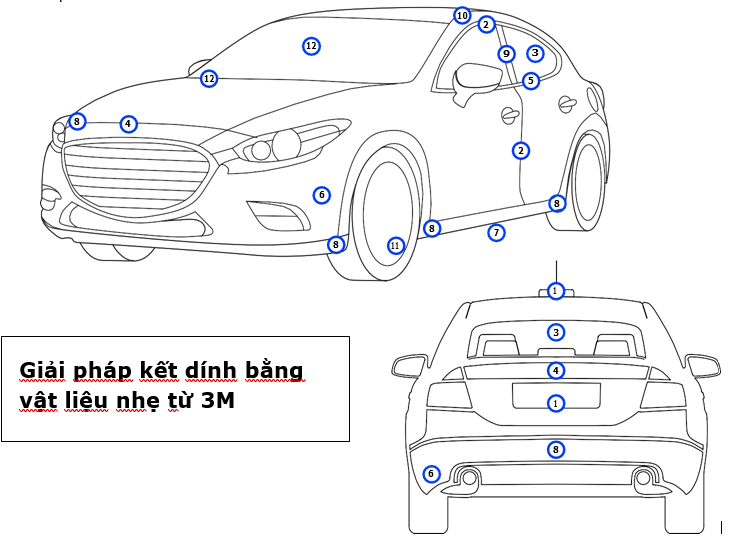
- 3M High-Strength Tape (Bonding exterior decorative accessories)
- 3M High-Strength Tape (Attaching rubber seals on doors)
- 3M Window Tint Film (Applying 3M window tint film on car windows)
- 3M Die-Cuttable High-Strength Tape (Used for attaching nameplates and logos)
- 3M™ Exterior Trim Film (Replacing steel trim with lightweight film for a distinctive appearance)
- 3M™ Glass Bubbles (Used for plastic and composite components)
- 3M™ Glass Bubbles (Utilized in sealants or underbody coatings)
- 3M™ Paint Protection Film (PPF) (Protecting painted surfaces)
- 3M™ Paint Replacement Film (Changing paint color)
- 3M Structural Adhesive (Bonding roof panels)
- 3M Wheel Weight (Wheel balancing)
- 3M Structural Adhesive Tape (Positioning accessories on glass surfaces)
Automobile in the future
In the future of automotive industry, we can expect vehicles to utilize alternative energy sources such as solar power, wind energy, and more. Meanwhile, researchers and experts continue to pursue lighter materials. Regardless of the energy source used, optimizing the weight of the vehicle will greatly assist in overcoming challenges associated with the adoption of new energy sources. Therefore, making a car lighter may be a key factor in optimizing future vehicles.