Contact Us
HITTA is a trusted partner providing advanced industrial adhesive tape solutions from leading global brands such as tesa and BowTape, supporting a wide range of bonding, assembly, and OLED display manufacturing applications.
Beyond supplying adhesive tapes, HITTA works closely with manufacturers to analyze production processes, recommend the most suitable tape technologies, and customize solutions to meet the unique requirements of each production line. With our Tape Converting capabilities, we can provide precision die-cut parts, custom slit rolls, finger-lift designs, spool winding, and other tailored tape formats for both semi-automated and fully automated assembly processes.
Backed by an experienced engineering team, we help customers optimize manufacturing efficiency, improve product quality, and reduce production costs—from prototype evaluation and process validation to high-volume production.
If you’re looking for a reliable adhesive tape partner for your OLED manufacturing and precision assembly applications, HITTA is ready to support you with customized solutions designed specifically for your production process.
Contact HITTA today to discuss the best solution for your application.
☎️ Hotline: +84 565 336 879
✉️ Email: hittajsc@hitta.vn
Optically Clear Adhesive (OCA) Tape
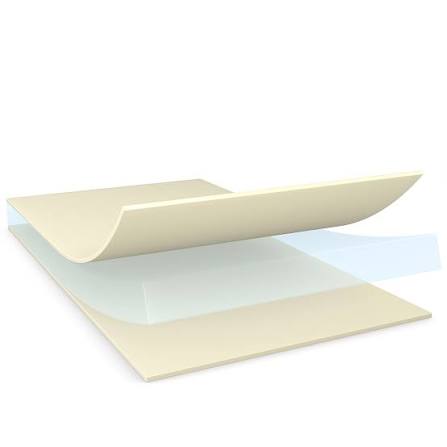
Optically Clear Adhesive (OCA) is a transparent adhesive film belonging to the Pressure Sensitive Adhesive (PSA) family. It is manufactured with highly uniform thickness and exceptional optical clarity. In LCD and OLED display assemblies, OCA is used to bond layers such as the cover glass, touch sensor, and display panel into a single integrated structure. Beyond providing mechanical bonding, OCA plays a critical role in optimizing optical performance, enhancing the viewing experience, and improving the overall durability of the display.
One of OCA’s most important characteristics is its exceptionally high light transmission. Premium-grade OCA films typically achieve light transmittance exceeding 99% with haze below 0.5%, ensuring sharp image quality and accurate color reproduction. In addition, OCA has a refractive index of approximately 1.47–1.52, which closely matches that of glass. This significantly reduces reflections at the interfaces between display layers. By eliminating the air gap within the display stack, internal light reflection can be reduced by up to approximately 60%, resulting in higher brightness, improved contrast, and better outdoor readability.
In addition to its optical properties, OCA must meet stringent material requirements. High-performance OCA products are commonly formulated as acid-free adhesives to prevent corrosion of ultra-thin conductive layers such as Indium Tin Oxide (ITO) and other next-generation transparent conductive materials. The adhesive film is also manufactured with extremely tight thickness tolerances, typically around ±3 μm, to ensure uniform optical performance across the entire display.
The benefits of OCA extend far beyond simple bonding. By minimizing Fresnel reflections at bonded interfaces, OCA improves outdoor visibility and creates the impression that images are displayed directly on the surface of the cover glass. The adhesive layer also acts as an elastic cushion that absorbs vibration and reduces the impact transmitted to the display panel. Furthermore, eliminating the air gap between layers significantly reduces parallax, improving the accuracy of touch input and stylus operation. The sealed display structure also limits the ingress of dust and moisture, helping prevent fogging and long-term degradation of display performance.
To achieve optimal performance, the lamination process must be carried out under tightly controlled manufacturing conditions. All bonding surfaces must be thoroughly cleaned in a cleanroom environment to eliminate particulate contamination before lamination. The OCA film is then laminated onto the cover glass or display panel using roll laminators or vacuum laminating systems to prevent air entrapment. Finally, the display assembly is typically processed in an autoclave under controlled temperature and pressure to remove any remaining microbubbles, resulting in a perfectly transparent and uniform bond line.
Compared with LOCA/OCR (Liquid Optically Clear Adhesive/Resin), OCA offers a cleaner manufacturing process, higher production efficiency, and better quality control because the adhesive is supplied as a pre-formed film. It also simplifies alignment and facilitates rework before final assembly. In contrast, LOCA is better suited for displays with complex geometries or curved surfaces because the liquid adhesive can flow and fill irregular gaps. Emerging technologies such as UV-OCA and Soft Clear Adhesive (SCA) combine the advantages of both approaches by allowing the adhesive to soften and flow slightly during lamination to compensate for surface irregularities before being cured to form a durable optical bond.
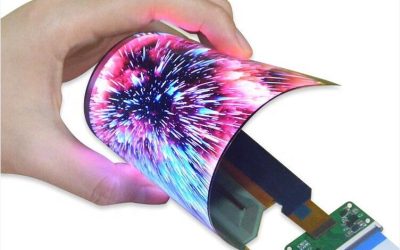
For flexible and foldable OLED displays, OCA plays an even more critical role in controlling mechanical stress. Its carefully engineered elasticity helps position the Neutral Plane, minimizing strain on sensitive functional layers such as the TFT backplane and Thin Film Encapsulation (TFE) during repeated bending. At the same time, the adhesive must maintain flexibility across a wide temperature range, including low-temperature environments, allowing the display layers to move relative to one another without cracking, delamination, or permanent deformation after repeated folding cycles.
Looking ahead, OCA technology is evolving beyond its traditional role as a transparent bonding material. Next-generation OCA films increasingly integrate multiple functional properties, including built-in UV protection to safeguard display components without requiring additional coating layers. Debonding-on-Demand (DoD) technologies are also being developed, enabling the adhesive bond strength to be selectively reduced by heat, laser, or electrical stimulation to facilitate display repair, component replacement, and recycling. In parallel, OCA formulations are being optimized for compatibility with emerging transparent conductive materials such as Silver Nanowires (AgNW), graphene, and next-generation touch sensor technologies, supporting the continued advancement of OLED displays and future electronic devices.
UV-Curable Hybrid Optical Adhesive Tape
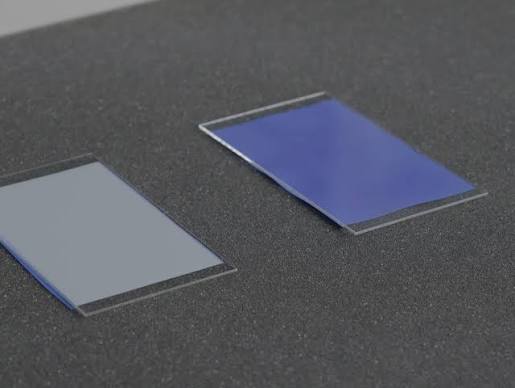
UV-curable hybrid optical adhesive tape is a new generation of optical bonding material developed to combine the advantages of film-based Optically Clear Adhesive (OCA) with liquid LOCA/OCR (Liquid Optically Clear Adhesive/Resin) technologies. Rather than maintaining a single set of properties throughout the assembly process, this hybrid material is engineered to change its characteristics at different manufacturing stages, simplifying panel lamination while delivering excellent mechanical strength and optical performance after final curing.
Unlike conventional OCA, which develops high tack almost immediately after lamination, hybrid optical adhesive tape is designed to facilitate precise component alignment before permanent bonding. During the initial assembly stage, the adhesive provides only sufficient tack to temporarily hold the cover glass, touch sensor, or display panel in position, allowing engineers to accurately align each component. Under controlled heat and pressure, the adhesive softens and flows slightly, filling microscopic gaps and compensating for minor surface irregularities. Once the display stack has been precisely assembled, the adhesive is exposed to ultraviolet (UV) light, triggering polymer cross-linking that forms a permanent bond with high adhesion strength and excellent mechanical stability.
This unique bonding mechanism offers significant advantages for modern OLED display manufacturing. Because the adhesive can flow before curing, it effectively fills recessed areas around the ink bezel and compensates for small height variations that are difficult for conventional OCA films to accommodate. This flowability also minimizes the formation of trapped air bubbles and wrinkles between display layers, improving manufacturing yield and overall display quality.
After UV exposure, the adhesive forms a highly cross-linked polymer network with excellent long-term durability. This structure maintains stable performance under elevated temperature and humidity while reducing the risk of adhesive edge flow, delamination, or adhesion loss over time. As a result, the display can maintain its optical performance and mechanical reliability throughout its service life.
The lamination process for hybrid optical adhesive tape differs from that of conventional OCA. After the adhesive film is laminated onto the cover glass or one of the display layers, the assembly undergoes thermal lamination, allowing the adhesive to soften and distribute evenly across the bonding interface. The laminated module is then typically processed in an autoclave to eliminate any remaining microbubbles. Finally, UV irradiation initiates the curing process, permanently bonding all display layers into a stable optical stack.
Thanks to these characteristics, UV-curable hybrid optical adhesive tape is increasingly adopted in premium OLED display manufacturing. The technology is particularly well suited for ultra-narrow bezel and bezel-less designs, where the adhesive must completely fill minor surface irregularities while maintaining exceptional optical clarity and cosmetic appearance. It is also widely used in hybrid rigid-flex display structures, where reliable bonding must be achieved without compromising the flexibility required by next-generation OLED devices.
UV-curable hybrid optical adhesive tape represents the next evolution of optical bonding technology. By combining the precise alignment capability of OCA with the gap-filling characteristics of liquid optical adhesives, it enables higher assembly quality, improved long-term reliability, and the performance required for increasingly sophisticated OLED display designs.
Barrier Tapes
Barrier tape is one of the most critical materials in OLED display construction. Unlike conventional adhesive tapes that primarily serve as bonding materials, barrier tapes are specifically engineered to prevent the ingress of moisture and oxygen—two of the most damaging factors affecting OLED performance and lifetime. As a result, they have become an indispensable component in modern OLED packaging and protection technologies.
This requirement stems from the inherent sensitivity of OLED materials. The organic emissive layers and cathode electrodes are highly susceptible to moisture and oxygen. Once these contaminants penetrate the display structure, they can trigger oxidation reactions that lead to defects such as black spots or edge shrinkage, eventually causing pixels to lose their ability to emit light. To prevent these failures, OLED encapsulation systems typically require an extremely low Water Vapor Transmission Rate (WVTR), often below 10⁻⁶ g/m²/day, which is several orders of magnitude more stringent than the requirements for conventional packaging applications.
Beyond functioning as a passive sealing material, many advanced barrier tapes incorporate active barrier technology. Their adhesive structures may contain integrated moisture getter materials such as zeolite, calcium oxide (CaO), or barium oxide (BaO). As moisture begins to diffuse through the adhesive layer, these getter materials absorb or chemically react with water molecules before they can reach the OLED panel. This active protection significantly slows display degradation and extends the operational lifetime of the device.
The effectiveness of a barrier system is commonly evaluated by its lag time—the period required for moisture to penetrate the protective layer and begin affecting the OLED device. High-performance barrier tapes can achieve lag times of approximately 1,000–3,000 hours under accelerated temperature and humidity testing, substantially improving long-term product reliability.
Barrier tapes become even more critical in flexible and foldable OLED displays. Although Thin Film Encapsulation (TFE) provides excellent protection across the surface of the OLED panel, the panel edges remain the most vulnerable pathways for moisture ingress. Consequently, barrier tapes are typically applied around the entire perimeter of the display to seal microscopic gaps and prevent lateral moisture diffusion into the device structure. At the same time, the adhesive must maintain strong bonding performance while withstanding repeated bending and folding cycles without cracking or delaminating.
The moisture content of the adhesive itself must also be carefully controlled before assembly. If the tape absorbs excessive moisture during storage or transportation, the adhesive can become a source of contamination after lamination. To address this issue, some manufacturers have developed advanced moisture-control technologies in which the release liner actively absorbs residual moisture from the adhesive layer during storage. Once the liner is removed immediately before assembly, the adhesive remains exceptionally dry, with an internal moisture content that can be reduced to below 20 ppm, helping minimize manufacturing risks and improve production yield.
In addition to moisture protection, barrier tapes are designed to meet the demanding requirements of the electronics industry. They are typically manufactured with an ultra-thin profile of approximately 25–50 μm, supporting the development of increasingly thin electronic devices. Depending on the application, the tapes may be transparent or opaque and are compatible with both sheet-to-sheet and roll-to-roll manufacturing processes. Some advanced products also incorporate UV-curable technologies to enhance bond strength and improve the ability to fill microscopic gaps during assembly.
Barrier tape is far more than a simple sealing material; it is a sophisticated multi-functional protection system for OLED displays. By controlling moisture, oxygen, and other environmental contaminants, it plays a decisive role in determining the lifetime, stability, and long-term reliability of OLED-based products, including smartphones, foldable devices, OLED televisions, automotive displays, and other high-end display applications.
Structural and Cushioning Tapes
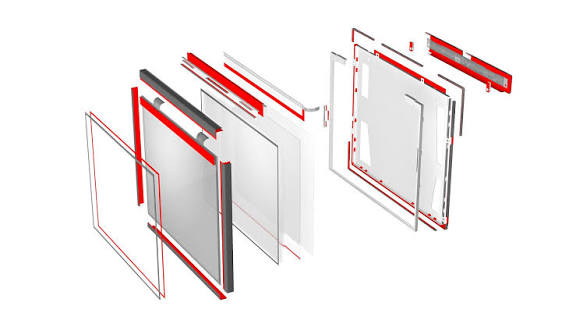
In OLED-based devices, structural tapes and cushioning tapes are two essential material categories that ensure the mechanical integrity of the entire product. While structural tapes provide strong and durable bonding between components, cushioning tapes absorb vibration, distribute mechanical stress, and protect the OLED panel from damage during assembly, transportation, and everyday use. Together, these solutions enable manufacturers to develop ultra-thin devices without compromising long-term durability and reliability.
Structural tapes are used at multiple load-bearing locations within the display module, particularly for bonding the display panel to the mid-frame or backplate. By providing high-strength bonding over a very small footprint, these tapes replace many traditional mechanical fastening methods such as screws, clips, and brackets. This allows manufacturers to create ultra-thin bezels, nearly borderless displays, and lighter devices while maintaining the structural rigidity required for reliable operation.
Foldable devices place even greater demands on structural bonding materials. Around the hinge mechanism and at interfaces between metal and plastic components, many manufacturers employ Heat Activated Film (HAF) adhesives. These thermally activated films develop exceptionally high shear strength during the heat-lamination process, forming durable bonds capable of maintaining mechanical stability through tens of thousands—or even hundreds of thousands—of folding cycles.
Beyond structural bonding, these tapes also contribute to display aesthetics. Around the display perimeter, ultra-thin black adhesive films are commonly used to secure the cover glass while masking internal components and preventing light leakage. This results in a cleaner appearance and a seamless front surface that enhances the premium look of modern OLED devices.
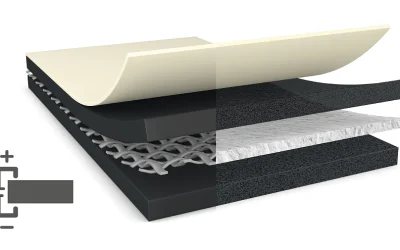
Alongside structural tapes, cushioning solutions play an equally important role in protecting OLED displays. Because OLED panels and cover glass are extremely thin, they are particularly susceptible to concentrated loads and continuous vibration. To address this challenge, foam or silicone cushioning materials are strategically positioned at critical load-bearing areas to absorb impact and distribute mechanical stress more evenly across the display assembly. This significantly reduces the risk of glass cracking, layer delamination, and damage to sensitive internal components.
On the rear side of the display module, foam tapes are also used to isolate vibration affecting Flexible Printed Circuits (FPCs), sensors, and other electronic modules. Thanks to their excellent compression and recovery characteristics, these materials minimize the effects of vibration encountered during shipping as well as throughout the product’s service life. For flexible OLED panels, PET or polyimide (PI) reinforcement films are often bonded to the back of the display using specialized adhesive tapes to improve mechanical stiffness and help the panel maintain its dimensional stability.
The adoption of structural and cushioning adhesive solutions provides significant manufacturing advantages in addition to improving product durability. Replacing mechanical fasteners with adhesive tapes simplifies assembly processes, reduces component count, lowers overall product weight, and enables increasingly thinner product designs. Furthermore, their ability to absorb vibration and distribute stress helps minimize shipping damage, reducing warranty costs while improving long-term product reliability.
Current industry trends are also driving the development of Debonding-on-Demand (DoD) and stretch-release adhesive technologies. These advanced solutions enable displays and other high-value components to be removed without damaging surrounding structures, facilitating repair, refurbishment, component reuse, and recycling at the end of the product lifecycle.
Structural and cushioning tapes have evolved far beyond their traditional role as bonding materials. They have become integral elements of OLED display design and protection strategies. By combining high bond strength, controlled elasticity, and effective stress absorption, these advanced adhesive materials enable thinner, lighter, and more durable electronic devices while meeting the increasingly demanding reliability requirements of modern OLED applications.
Specialty Functional Tapes
Beyond bonding, many adhesive tapes and films used in OLED display manufacturing perform a variety of specialized engineering functions:
- Anisotropic Conductive Film (ACF): Connects high-density driver ICs and flexible printed circuits (FPCs) to display electrodes while providing electrical conduction only in the thickness (Z) direction.
- Thermally Conductive Tape: Transfers heat from the OLED panel and electronic components to the device frame or heat spreader, improving thermal management.
- Black-out / Light-Blocking Tape: Prevents light leakage around the display perimeter while concealing internal components to enhance the visual appearance of the finished product.
- Custom Dielectric Constant Tape: Optimizes the electric field distribution of capacitive touch sensors, improving signal-to-noise ratio (SNR) and touch sensitivity.
Debonding-on-Demand (DoD) Adhesive Tapes
For many years, adhesive solutions used in electronic devices were designed with one primary objective: creating the strongest possible permanent bond. However, as repairability, component reuse, and recycling have become increasingly important, the electronics industry has developed a new approach known as Debonding-on-Demand (DoD). This technology enables adhesive joints to be released in a controlled manner whenever required while preserving the integrity of valuable components.
This capability is particularly valuable for OLED displays. OLED panels, cover glass, touch sensors, and optical films are among the most expensive and fragile components in modern electronic devices. The ability to separate these parts without cracking the glass, damaging the display layers, or leaving excessive adhesive residue significantly reduces repair costs, increases component recovery rates, and improves manufacturing efficiency.
Today, several Debonding-on-Demand technologies are available, each designed for specific applications.
The most widely adopted solution is stretch-release technology, which utilizes a highly elastic polymer backing. When the pull tab is stretched parallel to the bonding surface, the adhesive elongates instead of peeling vertically. This gradually reduces the adhesion force at the bonding interface, allowing the two bonded surfaces to separate with minimal mechanical stress on the glass or electronic components. After removal, the adhesive strip is typically extracted in one piece without leaving residue on the bonded surfaces.
Another rapidly developing approach is laser debonding. In this process, a laser—typically a Near Infrared (NIR) laser—is transmitted through the cover glass to activate the adhesive layer or an integrated laser-absorbing layer within the bonding system. The absorbed laser energy locally alters or breaks down the polymer structure, significantly reducing bond strength and enabling separation without the need for excessive mechanical force. This technique is especially suitable for high-precision display assemblies and devices where conventional disassembly tools cannot easily access the bonding area.
Another emerging technology is electrical debonding, in which a direct electrical current is applied through conductive materials integrated into the adhesive. The electrical stimulation triggers localized electrochemical reactions at the bonding interface, altering the adhesive’s properties and allowing the bond strength to decrease at a predetermined time. Although still under active development, this technology shows considerable promise for future electronic assembly applications.
Some adhesive systems utilize thermal or induction debonding. Rather than heating the entire device, localized heating is generated through embedded heat-absorbing materials or metallic elements incorporated into the adhesive tape. Controlled heating reduces bond strength while minimizing thermal exposure to surrounding components, thereby reducing the risk of heat-induced deformation or damage.
Compared with conventional display disassembly methods, Debonding-on-Demand offers numerous advantages. Instead of heating the entire display assembly and using cutting wires or prying tools to separate the cover glass, DoD technologies enable a much gentler removal process. This substantially reduces the risk of glass breakage, polarizer damage, or failure of ultra-fine conductive circuits. Furthermore, because little or no adhesive residue remains after separation, cleaning and preparation for subsequent assembly or repair become significantly faster.
In OLED manufacturing, one of the greatest advantages of Debonding-on-Demand is its ability to support rework. If alignment errors, particle contamination, or defective components are detected during assembly, manufacturers can safely disassemble the display module and repeat the assembly process without scrapping the entire product. This capability improves manufacturing yield, reduces material waste, and significantly lowers production costs.
Debonding-on-Demand also plays an important role in supporting the circular economy. At the end of a product’s service life, valuable components such as displays, batteries, and camera modules can be removed more easily for repair, refurbishment, reuse, or recycling. This aligns with the sustainability strategies of leading electronics manufacturers and with increasingly stringent global environmental regulations aimed at reducing electronic waste.
Debonding-on-Demand represents the next evolution of adhesive technology in the electronics industry. Rather than focusing solely on creating permanent, high-strength bonds, modern adhesive systems are now engineered to provide reliable bonding during product use while allowing controlled, non-destructive disassembly when needed. This enables manufacturers to balance product durability, repairability, and long-term sustainability as electronic devices continue to evolve.
Based on published technical literature, the following table compares the major display adhesive tape technologies according to their primary applications, making it easier to identify the most suitable solution for each OLED manufacturing requirement.
Comparison of Adhesive Tape Solutions for Display Applications
| Solution | Physical Form | Typical Applications | Key Advantages |
|---|---|---|---|
| Edge Bonding (Air Gap) | Double-sided adhesive tape in pre-cut frame format | Entry-level TVs, standard displays, and consumer electronics | Lowest cost, simple assembly process, and easy repair or replacement. |
| OCA (Optically Clear Adhesive) | Pre-cast solid optical adhesive film | Smartphones, tablets, laptops, and high-resolution flat-panel displays | Clean lamination process, uniform thickness, excellent optical clarity, and high manufacturing throughput. |
| LOCA/OCR (Liquid Optically Clear Adhesive/Resin) | Liquid optical resin cured by UV light or heat | Large displays, curved (3D) screens, automotive, and industrial displays | Excellent gap-filling capability for uneven or curved surfaces, with superior impact and vibration resistance. |
| SCA / UV-OCA (Hybrid Optical Adhesive) | Solid film that softens under heat and cures with UV light | Bezel-less displays, bonding over thick ink bezels or uneven components | Combines the cleanliness and precision of OCA with the gap-filling capability of liquid optical adhesives. |
| Barrier Tape | Functional barrier film incorporating moisture-getter materials | Edge sealing of OLED panels and flexible OLED displays | Provides active protection against moisture and oxygen, helping prevent OLED black spots and extend panel lifetime. |
| Structural Tape / Heat Activated Film (HAF) | High-strength adhesive film, including heat-activated grades | Bonding display modules to the housing and securing foldable display hinges | Extremely high structural bonding strength, replacing screws and mechanical fasteners while enabling ultra-thin device designs. |
| Debonding-on-Demand (DoD) Tape | Stretch-release or triggerable adhesive film activated by laser, heat, or electricity | Manufacturing rework, repair, refurbishment, and end-of-life recycling | Enables clean, residue-free disassembly while protecting high-value components such as OLED panels and cover glass. |
Selection Guidelines
- Flat-panel displays & high-volume manufacturing: OCA remains the preferred solution thanks to its excellent optical performance, dimensional consistency, and clean, highly repeatable lamination process.
- Curved or large-format displays: LOCA/OCR is generally preferred because its liquid form effectively fills surface irregularities and complex geometries, resulting in improved optical quality and mechanical reliability.
- OLED displays: Acid-free adhesive systems are essential to prevent corrosion of sensitive conductive layers and electronic components. Barrier tapes are also required to protect OLED panels from moisture and oxygen ingress throughout their service life.
- Applications requiring durability and repairability: Debonding-on-Demand (DoD) technologies enable manufacturers to recover valuable components during production rework or product servicing, significantly reducing scrap rates, repair costs, and electronic waste.
Display Assembly Architectures
Display assembly architecture is a critical aspect of modern OLED manufacturing, directly influencing not only the mechanical durability of the display module but also its optical performance, reliability, and industrial design. Today, four primary assembly architectures are widely adopted across the display industry, each offering distinct advantages depending on the application.
1. Edge Bonding (Air Gap Architecture)
Edge bonding is the traditional display assembly method, in which the cover glass and display panel are joined only around the perimeter using double-sided adhesive tape.
Air Gap
The defining feature of this architecture is the presence of an air layer between the display panel and the cover glass.
Optical Limitations
Because air has a refractive index of approximately 1.0, while glass is around 1.5, Fresnel reflections occur at every interface. Approximately 4% of incident light is reflected at each surface, reducing display brightness and contrast while increasing glare, particularly in outdoor environments.
Environmental Challenges
The enclosed air gap can promote internal condensation when temperatures fluctuate and may allow dust accumulation if the edge seal is not completely airtight.
Advantages
Despite its optical limitations, edge bonding offers low manufacturing cost, a simple assembly process, and excellent serviceability, making display replacement and repair relatively straightforward.
2. Full Optical Lamination
In a full optical lamination architecture, the entire air gap is eliminated by filling the space between the cover glass and the display panel with an optically clear adhesive such as OCA or LOCA/OCR.
Refractive Index Matching
Optical adhesives typically have a refractive index between 1.47 and 1.52, closely matching that of glass. This significantly reduces optical interface reflections, lowering internal reflection by as much as 60% and producing brighter images, higher contrast, and improved outdoor readability.
Improved Mechanical Strength
The adhesive layer also acts as a shock-absorbing medium, distributing impact loads across the entire display surface instead of concentrating stress around the edges. This improves drop resistance and helps prevent glass fragmentation during impact.
Bezel-less Design
Because optical adhesives provide high bonding strength within a very thin bond line, manufacturers can produce ultra-thin, narrow-bezel, or virtually bezel-free display designs without relying on bulky mechanical fixtures.
3. Foldable and Flexible Display Architecture
Foldable and flexible OLED displays employ a far more sophisticated multilayer structure, consisting of components such as the cover window, touch sensor, polarizer, OLED panel, and multiple optical adhesive layers.
Neutral Plane Management
One of the most important engineering objectives is controlling the position of the neutral plane—the theoretical layer that experiences minimal strain during bending. Adhesive materials are carefully selected and engineered to position this neutral plane as close as possible to sensitive layers such as the TFT backplane and Thin Film Encapsulation (TFE), minimizing mechanical stress during repeated folding.
Mechanical Decoupling
Optical adhesives must also enable mechanical decoupling between adjacent layers. Materials with a relatively low storage modulus (G’) allow individual layers to slide slightly relative to one another during bending, preventing excessive stress accumulation. Adhesives that become overly stiff at low temperatures can increase the risk of buckling, cracking, delamination, or permanent deformation.
Shape Recovery
Following prolonged static folding, the display stack should rapidly return to a flat state without visible creases, wrinkles, or permanent deformation. The viscoelastic properties of the adhesive play a critical role in achieving this performance.
4. Enclosure Integration
Beyond bonding the display layers themselves, the complete display module must also be securely integrated into the device housing.
Stress Management
Directly bonding the display module to a rigid metal frame may generate excessive stress because of differences in the coefficients of thermal expansion (CTE) between materials. Modern designs therefore incorporate structural adhesive tapes together with foam or silicone cushioning materials around the perimeter to absorb vibration, accommodate thermal movement, and distribute mechanical loads more evenly.
Under-Display Sensor Integration
The integration of under-display cameras, fingerprint sensors, and other optical sensors requires adhesive tapes with precisely engineered apertures. These openings allow light transmission and sensor operation while maintaining sufficient bonding strength around the surrounding structure.
The evolution from traditional edge bonding to full optical lamination and advanced multilayer flexible display architectures has been a key enabler of today’s OLED technology. Modern adhesive solutions not only improve optical performance and mechanical reliability but also support ultra-thin industrial designs, foldable form factors, enhanced durability, and next-generation display integration.
Adhesive Application Locations
Adhesive tapes are used throughout virtually every interface within an OLED display assembly, from the front display stack (optical layers) and edge sealing region to the rear structural assembly and thermal management layers. Each adhesive solution is engineered for a specific function, including optical bonding, environmental protection, structural reinforcement, vibration damping, thermal management, or electrical interconnection.
Optical Bonding and Lamination
Optical bonding (or optical lamination) is the process of permanently joining multiple display layers—such as the display panel, touch sensor, and cover glass—into a single integrated structure using a transparent optical adhesive. Unlike conventional air-gap designs, this technology fills the entire space between layers with an adhesive whose refractive index closely matches that of glass. As a result, the display delivers superior optical performance while also improving mechanical durability and environmental resistance.
One of the greatest advantages of optical bonding is its ability to enhance optical efficiency. Under normal conditions, light passing from air into glass experiences Fresnel reflection, causing a portion of the light to be reflected at each interface. By replacing the air gap with an optical adhesive having a refractive index of approximately 1.47–1.52, close to that of glass, these reflections are significantly reduced. Consequently, more light reaches the viewer, producing higher brightness, improved contrast, richer color reproduction, and better readability under bright ambient lighting. Eliminating the air gap also creates the visual impression that the displayed image is located directly beneath the cover glass, resulting in a more premium viewing experience.
Today, the display industry primarily relies on two optical bonding technologies: Optically Clear Adhesive (OCA) and Liquid Optically Clear Adhesive/Resin (LOCA/OCR).
OCA is a pre-manufactured solid optical adhesive film with extremely tight thickness control, typically within ±3 μm. Because the adhesive thickness is predetermined, the lamination process is clean, highly consistent, and does not require post-lamination curing. OCA is therefore ideally suited for flat-panel displays such as smartphones, tablets, laptops, and many OLED televisions.
In contrast, LOCA/OCR is supplied as a liquid resin that is dispensed directly between display layers before being cured by ultraviolet light or heat. Its ability to flow and self-level enables it to fill uneven surfaces and complex geometries effectively, making it particularly suitable for large-format displays, curved screens, automotive displays, and industrial applications.
Beyond optical transparency, optical adhesives must also satisfy stringent chemical stability requirements. Modern formulations are typically acid-free to prevent corrosion of delicate conductive layers such as Indium Tin Oxide (ITO) and emerging transparent conductive materials including silver nanowires (AgNW). They must also exhibit excellent resistance to UV exposure and thermal aging to minimize yellowing and preserve accurate color reproduction throughout the product’s lifetime. When bonding polymer substrates such as polycarbonate (PC) or polymethyl methacrylate (PMMA), the adhesive should also minimize the effects of outgassing, helping prevent gas bubble formation within the bonded interface.
For flexible and foldable OLED displays, the adhesive serves a much broader purpose than simply joining layers together. Carefully engineered viscoelastic properties allow the adhesive to distribute mechanical stress and position the neutral plane so that highly sensitive layers such as the TFT backplane and Thin Film Encapsulation (TFE) experience minimal strain during repeated bending. The adhesive must also permit slight interlayer movement during folding while enabling the display to recover quickly to its original flat condition without wrinkles, delamination, or permanent deformation.
Achieving high optical quality requires an equally sophisticated manufacturing process. Lamination is typically performed in a cleanroom environment to eliminate particulate contamination between display layers. The components are then assembled using vacuum lamination, which removes trapped air and prevents the formation of large bubbles. Finally, the laminated assembly is processed in an autoclave under carefully controlled temperature and pressure conditions to eliminate microscopic residual bubbles, producing a completely transparent and optically uniform bond line.
Because of these advantages, optical bonding has become a fundamental process in modern display manufacturing. In addition to improving image quality and enabling thinner device designs, it significantly enhances impact resistance, environmental durability, and the long-term reliability of OLED and LCD display modules.
Encapsulation & Barrier Protection
For OLED displays, encapsulation and barrier protection is one of the most critical steps in the manufacturing process. Unlike LCD technology, OLED emissive organic materials and cathode electrodes are extremely sensitive to oxygen and moisture. Even trace amounts of water vapor penetrating the display stack can reduce luminous efficiency, shorten operational lifetime, or ultimately cause catastrophic display failure.
When oxygen or moisture infiltrates an OLED structure, they react with the organic emissive layers and highly reactive metals such as barium and calcium within the cathode. These reactions cause oxidation, leading to the formation of black spots that gradually expand across the display as additional pixels lose their ability to emit light. Moisture ingress can also result in edge shrinkage, compromising both display performance and structural integrity. To prevent these failures, OLED panels typically require an exceptionally low Water Vapor Transmission Rate (WVTR) of less than 10⁻⁶ g/m²/day—approximately 100,000 times lower than the barrier performance required for many conventional packaging materials.
To achieve this level of protection, manufacturers rely not only on glass covers or encapsulation coatings but also on specialized sealing solutions around the display perimeter. This is especially important for flexible OLED displays, where the rigid glass barrier is replaced by thin polymer films, making the display edges the primary pathways for moisture ingress. As a result, Barrier Tapes are applied around the entire perimeter of the panel to create a hermetic seal that blocks moisture diffusion from the edges.
Advanced barrier tapes go beyond simple sealing. Many incorporate active barrier technologies by embedding microscopic getter materials, such as zeolite, calcium oxide (CaO), or barium oxide (BaO), directly into the adhesive layer. As water molecules begin to diffuse through the adhesive, these materials chemically absorb or react with the moisture before it reaches the OLED layers. This significantly extends the lag time—the period before moisture reaches the active display area. High-performance barrier systems can achieve lag times ranging from 1,000 to more than 3,000 hours under accelerated temperature and humidity testing, substantially improving long-term display reliability.
Another major challenge in OLED packaging is lateral moisture diffusion from the display edges. Although Thin Film Encapsulation (TFE) provides excellent protection across the display surface, the panel edges remain the most vulnerable part of the structure. Consequently, barrier tapes must provide outstanding long-term moisture resistance while maintaining strong adhesion and mechanical durability. For foldable and flexible OLED devices, the tape must also withstand repeated bending and folding cycles without cracking, delaminating, or losing its sealing performance.
The adhesive material itself must also be carefully controlled to minimize internal moisture. If the adhesive absorbs excessive moisture during manufacturing, storage, or transportation, it can become an internal source of contamination after assembly. To address this issue, some manufacturers have developed moisture management technologies such as DrySeal®, where specially engineered release liners absorb residual moisture from the adhesive film during storage. Once the liner is removed before lamination, the adhesive can exhibit an internal moisture content of below 20 ppm, significantly reducing the risk of moisture-related defects during production.
For ultra-thin OLED panels and foldable displays, rear-side protection is equally important. Barrier tapes are used to bond protective back films or metallic and polymer backplates, increasing the overall mechanical stiffness of the display module while providing an additional barrier against moisture ingress from the rear of the device.
Ultimately, encapsulation and barrier protection involves far more than simply sealing the display. It represents a comprehensive material system engineered to simultaneously control moisture, oxygen, and mechanical stress. Together, these barrier technologies play a decisive role in determining the lifetime, reliability, and long-term performance of OLED displays used in smartphones, foldable devices, OLED TVs, automotive displays, and other advanced electronic applications.
Structural Assembly & Component Mounting
In OLED-based devices, particularly OLED TVs and large-format displays, structural assembly and component mounting play a critical role in ensuring the mechanical integrity of the entire product. Adhesive solutions do far more than simply hold components together—they protect the extremely thin and fragile OLED panel from vibration, impact, and mechanical stresses generated during manufacturing, transportation, and everyday use.
One of the most critical bonding locations is the interface between the display panel and the mid-frame. This area supports a significant portion of the mechanical load of the display assembly. As modern products continue to adopt ultra-thin bezels or virtually bezel-less designs, the available bonding area becomes smaller while structural performance requirements continue to increase. To address this challenge, manufacturers commonly use high-strength structural tapes, such as acrylic foam tapes, to bond the display directly to the metal frame or backplate. However, high adhesion alone is not sufficient. If mechanical stress becomes concentrated at localized points, the cover glass or OLED panel may crack during impact or when assembly forces from the frame and fastening components are applied. To minimize stress concentration, foam or silicone cushioning materials are typically positioned around the display perimeter to distribute loads more evenly while absorbing vibration during operation.
Adhesive tapes are also widely used for frame and bezel attachment. In these applications, the adhesive must provide both excellent bonding strength and superior aesthetics. Acrylic film tapes are commonly selected to bond the cover glass to plastic or metal frames, creating a robust structure while maintaining an ultra-thin device profile. Many of these tapes are available in black or opaque constructions, which effectively block internal light leakage and conceal electronic components behind the display, resulting in a cleaner, premium appearance.
For foldable OLED devices, the hinge assembly represents one of the most demanding structural bonding applications. Adhesive materials must withstand tens or even hundreds of thousands of folding cycles without degradation in bond strength. In these applications, Heat Activated Film (HAF) is widely used to bond metal, plastic, and mechanical components within the hinge assembly. Once activated under heat and pressure, HAF forms an exceptionally high shear-strength bond that maintains structural stability even under continuous mechanical loading and repeated movement.
The rear side of the OLED panel also requires various structural reinforcement solutions. PET or polyimide (PI) support films are commonly laminated onto the back of the panel to increase overall mechanical rigidity, particularly in ultra-thin display designs. In addition, functional foam tapes are used as cushioning materials to secure Flexible Printed Circuits (FPCs), sensors, and other electronic modules. Their ability to absorb vibration and damp mechanical shock helps minimize the formation of microscopic cracks within the OLED panel during transportation and throughout the product’s service life.
Structural adhesive solutions also provide significant manufacturing and design advantages. Replacing mechanical fasteners such as screws or plastic clips with adhesive tapes enables thinner, lighter, and more aesthetically refined products while reducing component count and simplifying assembly processes. Furthermore, improved vibration damping and stress distribution contribute to lower damage rates during shipping and handling. More recently, advanced adhesive technologies incorporating Debonding-on-Demand (DoD) or Stretch-Release mechanisms have been introduced, allowing valuable components to be removed for repair, refurbishment, or recycling without damaging surrounding structures.
Ultimately, structural assembly in OLED devices extends far beyond simply joining components together. It combines high-strength structural adhesives with energy-absorbing cushioning materials to create an integrated mechanical system that is both robust and flexible. This combination plays a vital role in protecting the OLED display and ensuring long-term durability, reliability, and performance throughout the product’s lifecycle.
Rear-Side Applications & Stress Management
The rear side of an OLED display serves far more than a component mounting function. It plays a critical role in structural reinforcement, thermal management, and mechanical stress control. As OLED displays continue to become thinner, lighter, and more flexible, rear-side adhesive solutions have become essential for maintaining the mechanical integrity and long-term reliability of the entire device.
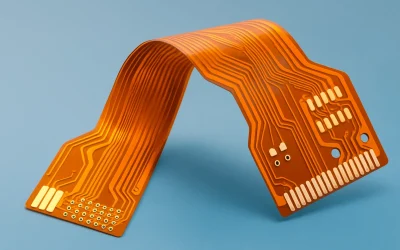
Various adhesive materials are used on the back of the display for different purposes. Flexible Printed Circuits (FPCs), sensors, and functional modules are typically secured using specialized double-sided adhesive tapes that provide reliable bonding while minimizing localized stress on the delicate OLED panel. In addition, PET (polyethylene terephthalate) or polyimide (PI) reinforcement films are laminated onto the rear surface to improve the mechanical stiffness of the display without significantly increasing its thickness or weight.
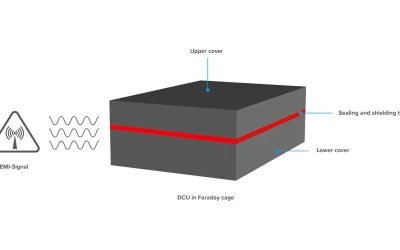
Beyond bonding, many adhesive materials also function as protective cushioning layers. Foam tapes, with their excellent compressibility and recovery characteristics, absorb vibration and impact during transportation and daily operation, reducing the risk of microscopic cracks forming in the cover glass or OLED panel. At the same time, other functional tapes—including thermally conductive tapes and electrically conductive tapes—are integrated to improve heat dissipation, provide grounding, and suppress electromagnetic interference (EMI), thereby enhancing the stability and reliability of the overall electronic system.
For flexible and foldable OLED displays, mechanical stress management becomes one of the greatest engineering challenges. During bending, the outer layers of the display stack experience tensile stress, while the inner layers are subjected to compression. Between these regions lies the Neutral Plane, where mechanical strain is minimized. By carefully selecting the thickness and mechanical properties of the adhesive layers, engineers can shift the neutral plane closer to sensitive components such as Thin-Film Transistors (TFTs), Thin-Film Encapsulation (TFE) layers, and touch sensors. This significantly reduces the mechanical strain experienced by these fragile layers, improving display durability and extending service life.
The adhesive layer also functions as a mechanical damper between adjacent materials. Rather than transferring the full mechanical load directly from one layer to another, an adhesive with appropriate elasticity allows each layer to undergo slight relative movement when the display bends. This mechanism, commonly referred to as mechanical decoupling, reduces stress accumulation within the multilayer structure and minimizes the risk of cracking, delamination, or other structural failures. In modern foldable displays, adhesive materials may experience shear deformation exceeding 300% while still recovering their original properties after each folding cycle.
In addition to accommodating large deformations, adhesive materials must remain stable across a wide operating temperature range. At low temperatures, the adhesive must retain sufficient flexibility to prevent it from becoming excessively stiff or brittle, reducing the likelihood of cracking during folding. At high temperatures, it must maintain adequate bond strength and elasticity to resist creep, edge lifting, adhesive squeeze-out, and other forms of long-term deformation.
If mechanical stress is not properly managed, several failure modes can occur. One common example is buckling, where compressive stress causes the display surface to bulge or develop wrinkles. Foldable OLED displays may also exhibit waviness, permanent creases, or delayed recovery after remaining folded for extended periods if the adhesive undergoes excessive long-term deformation. To mitigate these issues, manufacturers frequently combine structural adhesive tapes with foam or silicone cushioning materials on the rear side and around the display perimeter. These materials distribute loads more evenly while reducing stress concentrations at critical locations.
Ultimately, rear-side adhesive solutions do much more than secure components in place. They play a fundamental role in mechanical stress management, structural protection, and long-term display stability. These advanced adhesive technologies have become key enablers for the development of increasingly thinner, lighter, and more flexible OLED displays capable of withstanding repeated bending and folding while delivering exceptional long-term reliability.
Other Functional & Technical Applications
Beyond their primary roles in optical lamination, moisture barrier sealing, and structural assembly, specialized adhesive tapes perform numerous additional technical functions in OLED display manufacturing. Today, adhesive materials are no longer viewed simply as bonding media—they have become integral components of display design, contributing to electrical performance, thermal management, durability, and the development of next-generation OLED technologies.
Within the touch sensing system, optical adhesives have a direct impact on signal transmission performance. Modern Optically Clear Adhesives (OCA) are engineered with carefully controlled dielectric constants (Dk) to optimize signal transfer between the touch sensor and the controller. This improves the Signal-to-Noise Ratio (SNR), enhances touch sensitivity, and reduces the power consumption of the touch control circuitry. At the same time, these adhesives must remain compatible with advanced transparent conductive materials such as silver nanowires (AgNW), graphene, and carbon nanotubes (CNTs), ensuring stable electrical performance even after thousands of bending or folding cycles.
Thermal management and electromagnetic interference (EMI) control have also become increasingly important applications for adhesive tapes in OLED devices. As display assemblies continue to become thinner, the space available for conventional cooling solutions is significantly reduced. Thermally conductive tapes are therefore used to transfer heat from the OLED panel to the metal frame or dedicated heat-dissipation components, lowering operating temperatures and extending the lifetime of the organic emissive materials. Meanwhile, electrically conductive tapes are employed to attach EMI shielding materials and establish reliable grounding paths, protecting high-speed electrical signals while improving the stability of the entire electronic system.
Many protective functions are now integrated directly into adhesive materials instead of requiring additional protective layers. For example, some advanced OCA formulations incorporate UV-blocking properties, protecting OLED layers and polarizers from prolonged ultraviolet exposure without increasing display thickness. For ultra-thin bezel designs, rim tapes are engineered with enhanced chemical resistance to prevent sweat, skin oils, alcohol, soft drinks, cleaning agents, and other contaminants from penetrating the display edges, which are often the most vulnerable areas of the assembly.
The emergence of under-display cameras (UDCs) and integrated sensors has introduced new requirements for adhesive processing technologies. Adhesive films must be precisely converted using die-cutting or laser cutting to create accurately positioned apertures for cameras and sensors. At the same time, the adhesive must maintain excellent dimensional stability throughout the assembly process, preventing adhesive flow or squeeze-out into the optical path that could otherwise degrade image quality or sensor performance.
Another significant industry trend is Debonding-on-Demand (DoD) technology. Instead of forming permanently irreversible bonds, some advanced adhesive systems are specifically engineered to allow controlled disassembly for repair, refurbishment, or recycling. Depending on the application, bond strength can be rapidly reduced through activation by near-infrared (NIR) lasers, electrical current, or localized heating. In addition, stretch-release adhesives, which utilize highly elastic backing materials, enable batteries, displays, and circuit boards to be removed simply by stretching the adhesive strip. This process leaves minimal adhesive residue while significantly reducing mechanical stress on delicate, high-value components.
Overall, adhesive tapes in modern OLED devices have evolved far beyond their traditional bonding function. By combining optical, electrical, mechanical, thermal, and chemical performance within a single engineered material, they have become indispensable components that improve device performance, enhance long-term reliability, and support emerging display technologies, including ultra-thin bezels, foldable displays, under-display sensors, and repairable or recyclable electronic devices.
Materials Science Behind OLED Display Adhesive Tapes
Materials science is the foundation that transforms adhesive tapes from simple bonding materials into highly engineered functional systems for OLED displays. Modern OLED adhesive solutions are designed not only to bond components together but also to enhance optical performance, protect sensitive electronic materials, manage mechanical stress, and ensure long-term reliability. The following sections explore the key material technologies that enable these advanced functions.
Polymer Chemistry: Acrylic and Silicone
Optically Clear Adhesives (OCAs) are primarily based on two major polymer chemistries:
Acrylic (Pure Acrylic Resin) is by far the dominant material for consumer electronics. It offers exceptional optical properties, including light transmittance exceeding 99% and haze below 0.5%, while providing excellent adhesion to glass and transparent conductive materials such as Indium Tin Oxide (ITO). High-purity acrylic formulations also exhibit outstanding resistance to yellowing caused by prolonged UV exposure and elevated temperatures, making them well suited for long-term display applications.
Silicone-based adhesives are typically selected for more demanding environments, including aerospace, medical, and certain industrial electronics. Silicone maintains stable mechanical and optical properties across an extremely wide temperature range and exhibits non-birefringent behavior, minimizing optical distortion and preserving image quality under polarized light.
Acid-Free Adhesive Technology
One of the most important material requirements for OLED displays is the use of acid-free adhesive systems.
Conventional pressure-sensitive adhesives may contain residual acrylic acids or acidic components that promote polymer cross-linking during manufacturing. However, these acidic species can gradually cause electrochemical corrosion of extremely thin conductive layers, including ITO, silver nanowires (AgNW), and other transparent conductive materials.
To eliminate this risk, premium OLED adhesive manufacturers employ highly purified acrylic resins and carefully controlled polymerization processes to remove residual acidic compounds. The resulting adhesive remains chemically neutral throughout the lifetime of the display, preventing corrosion and ensuring long-term electrical reliability.
Viscoelastic Properties
OLED adhesive tapes are viscoelastic polymers, meaning they exhibit both liquid-like and solid-like behavior.
During lamination, the adhesive flows sufficiently to wet microscopic surface irregularities and maximize interfacial contact. After bonding, however, it behaves like an elastic solid, maintaining a durable mechanical connection between display layers.
For foldable OLED displays, the adhesive is engineered with a low storage modulus (G’) and an exceptionally low glass transition temperature (Tg), sometimes reaching −35°C. These properties allow the material to remain soft and rubber-like even in cold environments, enabling adjacent display layers to slide slightly relative to one another during folding without generating excessive mechanical stress.
At elevated temperatures, such as 85°C, the adhesive must simultaneously exhibit excellent creep resistance. This prevents adhesive squeeze-out, edge oozing, permanent deformation, or wrinkle formation after prolonged exposure to heat or extended folding conditions.
Active Barrier Materials and Getter Technology
OLED displays require moisture protection far beyond that of conventional electronic packaging.
To achieve the extremely low Water Vapor Transmission Rate (WVTR) required for OLED devices, advanced barrier tapes incorporate active barrier technologies that chemically remove moisture rather than relying solely on passive physical blocking.
Microscopic getter materials, including zeolites, calcium oxide (CaO), and barium oxide (BaO), are dispersed throughout the polymer matrix. As water molecules begin to diffuse through the adhesive, these particles chemically absorb or react with the moisture before it can reach the OLED stack, significantly extending display lifetime.
Some advanced products also employ moisture-management technologies such as DrySeal®. In these systems, specially engineered release liners act like molecular sponges, absorbing residual moisture from the adhesive during storage. By the time the liner is removed prior to lamination, the adhesive may contain less than 20 ppm of internal moisture, substantially reducing the risk of moisture-induced defects during manufacturing.
Refractive Index Matching and Optical Performance
Optical adhesives are carefully formulated to achieve a refractive index between approximately 1.47 and 1.52, closely matching that of cover glass and polarizers.
This refractive index matching minimizes Fresnel reflections at material interfaces by eliminating the optical discontinuity that exists when air gaps are present. As a result, more light passes through the display, improving brightness, contrast, outdoor readability, and overall image clarity while creating the visual impression that the displayed image sits directly beneath the cover glass.
UV-Curable Hybrid Adhesive Technology
One of the latest developments in optical bonding is the introduction of UV-curable hybrid adhesives, such as Soft Clear Adhesives (SCA).
These materials combine the manufacturing advantages of dry-film OCAs with the gap-filling capability of liquid optical adhesives. Initially, the adhesive remains in a solid, lightly tacky state, allowing precise alignment of display components during assembly. Under heat and pressure, the material softens and flows to fill surface irregularities, including ink bezel step heights and uneven bonding interfaces.
Once optimal alignment is achieved, exposure to ultraviolet light initiates the final cross-linking reaction, producing a highly durable adhesive network with excellent resistance to delamination, thermal aging, and environmental degradation.
Modern OLED adhesive tapes represent a sophisticated integration of polymer chemistry, viscoelastic mechanics, active barrier technology, and optical engineering. Through carefully engineered material formulations, these adhesives simultaneously provide exceptional optical clarity, reliable mechanical performance, moisture protection, thermal stability, and long-term durability. As OLED technology continues to evolve toward thinner, lighter, foldable, and higher-performance displays, advances in adhesive materials will remain a key enabling technology for the next generation of display innovation.
Dưới đây là bản dịch tiếng Anh theo phong cách kỹ thuật, tự nhiên và phù hợp với tài liệu của HITTA.
Meeting New Manufacturing Requirements in OLED Production
Integrating adhesive tapes into OLED manufacturing requires stringent control of the production environment and process parameters. Because OLED displays contain ultra-thin, highly sensitive functional layers, even minor contamination or process deviations can lead to optical defects, reduced yield, or long-term reliability issues.
Cleanliness and Electrostatic Control
All lamination processes are typically performed in ISO Class 6 (Class 1000) cleanrooms or better. Even microscopic dust particles trapped between optical layers can create permanent visual defects, such as bubbles, bright spots, or localized display distortion that cannot be repaired.
Before lamination, glass substrates and OLED panels are thoroughly cleaned using high-purity isopropyl alcohol (IPA) and inspected under 365 nm ultraviolet (UV) illumination to detect microscopic particles, fingerprints, or organic contaminants. Electrostatic discharge (ESD) control is equally critical, as static electricity can attract airborne particles and potentially damage sensitive OLED driver circuits during assembly.
Laser Cutting and Precision Die-Cutting
Optical adhesive films such as OCA must be converted with extremely high dimensional accuracy while maintaining pristine edge quality. To achieve this, manufacturers commonly employ precision laser cutting or high-precision die-cutting systems designed specifically for optical materials.
Laser processing minimizes burr formation, prevents deformation of the adhesive layer, and eliminates mechanical contact with the optical surface, significantly reducing the risk of contamination. This process is especially important for narrow bezels, camera openings, under-display sensors, and complex foldable display geometries, where dimensional tolerances are extremely tight.
Vacuum Lamination and Autoclave Processing
The optical bonding process typically begins by laminating the adhesive film onto the cover glass using low-pressure roller lamination equipment. The glass-adhesive assembly is then precisely aligned with the OLED panel inside a vacuum laminator, where the chamber pressure is reduced to below 50 Pa to remove trapped air before bonding.
Although vacuum lamination eliminates most air pockets, microscopic bubbles may still remain within the adhesive layer. To remove these residual microbubbles, the bonded assembly is transferred to an autoclave, where it is processed under carefully controlled conditions—typically at 30–60°C and 0.3–0.5 MPa for approximately 20–30 minutes.
Under elevated pressure, the remaining air bubbles gradually dissolve into the acrylic polymer matrix, producing a completely transparent, bubble-free optical interface. This step is essential for achieving the high optical clarity, display uniformity, and long-term reliability required in premium OLED displays.
Process Consistency and Yield Optimization
Modern OLED production places increasing emphasis on process stability and yield optimization. Every lamination parameter—including temperature, pressure, vacuum level, alignment accuracy, lamination speed, and curing conditions—must be tightly controlled to ensure consistent optical performance across millions of display panels.
Automated optical inspection (AOI), machine vision alignment, and real-time process monitoring are widely adopted to detect defects such as particle contamination, trapped air, misalignment, or adhesive flow irregularities before final assembly. These technologies help manufacturers improve production yield while maintaining the stringent quality standards required for smartphones, televisions, automotive displays, foldable devices, and other high-end OLED applications.
Supporting Next-Generation OLED Manufacturing
As OLED technology continues to evolve toward thinner, larger, and more flexible displays, adhesive materials and lamination processes are advancing in parallel. Emerging manufacturing techniques—including roll-to-roll processing, hybrid UV-curable optical adhesives, laser-assisted debonding, and Debonding-on-Demand (DoD) technologies—are enabling faster production, improved repairability, and more sustainable manufacturing.
Consequently, adhesive tapes have become far more than simple bonding materials. They are now integral components of OLED manufacturing processes, directly influencing production efficiency, optical performance, mechanical reliability, and the overall quality of next-generation display products.