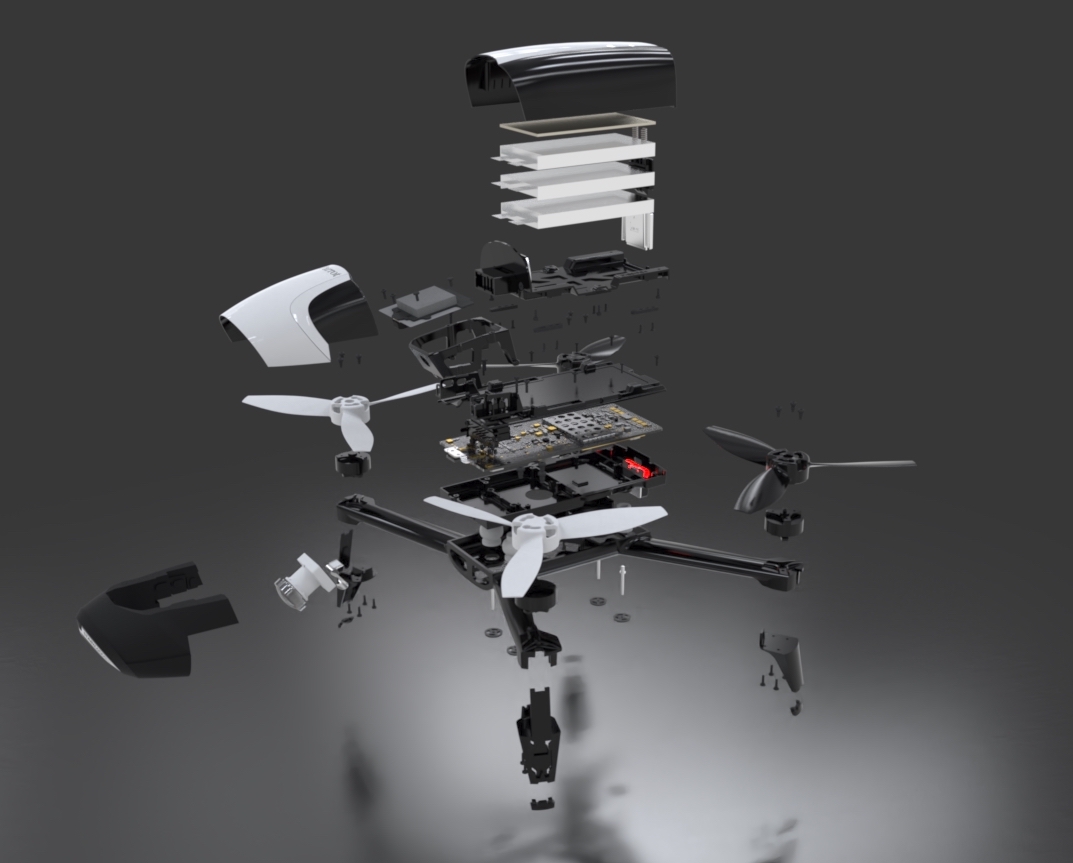
*“The rapid advancement of unmanned aerial vehicle (UAV) technology and high-definition imaging systems (flycams) has driven a fundamental shift in assembly methodologies. Traditional mechanical fasteners, while historically reliable in the aerospace industry, reveal significant limitations when applied to the miniaturized, vibration-intensive, and weight-sensitive environments of modern aerial platforms.
Today, the integration of chemical bonding solutions—from high-modulus structural epoxies to ultra-fast UV-curing acrylates—forms the cornerstone of aerospace engineering for unmanned systems. These materials do more than simply hold components together; they provide structural reinforcement, vibration damping, electromagnetic shielding, and environmental sealing—capabilities that mechanical fastening alone cannot achieve without substantially increasing weight.
Contact Information
Hitta is a trusted provider of a wide range of adhesive and assembly tape solutions from leading global brands. Backed by a technically experienced team with hands-on expertise across diverse applications, we go beyond product supply—we deliver optimized, application-specific solutions tailored to each customer’s unique challenges.
If you are seeking a bonding solution that is efficient, durable, and reliable — let HITTA support you from consultation to implementation.
Contact Hitta today for the most suitable solution.
☎️ Hotline: 0565.336.879
✉️ Email: hittajsc@hitta.vn
Challenges in the Design and Operation of Unmanned Systems
Design engineers face a wide range of challenges when selecting adhesives and sealants for unmanned systems. Depending on whether the platform operates in the air (UAV), on the surface (USV), underwater (UUV), or on land (UGV), these materials must meet extremely demanding performance requirements.
The first challenge is weight reduction. Adhesives must provide strong, reliable bonds while adding minimal mass. The lighter the system, the greater its payload capacity and battery endurance.
The second is environmental resistance. Materials must withstand application-specific conditions such as extreme temperatures, ultraviolet (UV) radiation, humidity, and exposure to fresh or salt water. For underwater systems in particular, adhesives must exhibit exceptional hydrolytic stability and the ability to endure very high pressures.
The third is mechanical durability. Regardless of the operating environment, adhesive and sealant bonds must resist shock, vibration, and continuous cyclic loading. High-speed brushless motors generate high-frequency vibrations that can compromise joints or loosen fasteners if not properly damped.
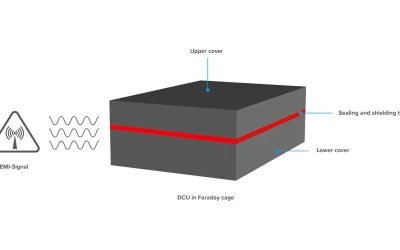
In addition, thermal management and electrical performance present significant challenges. Engineers may require materials that dissipate heat efficiently or provide thermal insulation against elevated temperatures. Some applications demand electrical insulation, while others require electrically conductive materials to enable electromagnetic interference (EMI) shielding.
Technical Tape Applications
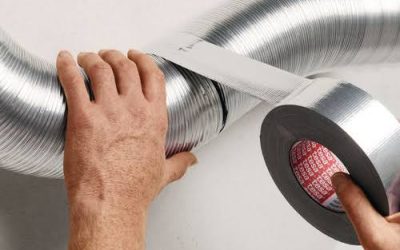
Not all bonds on UAVs should be permanent. Pilots and technicians often need to remove or replace components after crashes or during maintenance. In such cases, specialized tapes provide reliable yet reversible solutions.
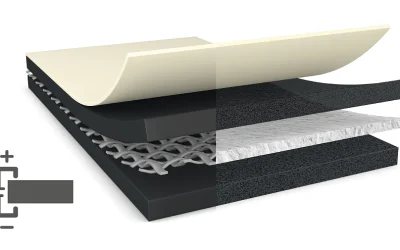
Double-sided foam tape: Widely used not only for bonding components but also for vibration isolation and cushioning. It is ideal for mounting electronic speed controllers (ESCs) or radio receivers on top of the flight controller, protecting them from vibrations transmitted through the frame. Some ultra-high-strength foam tapes are strong enough to permanently secure servos and provide excellent vibration isolation for gyroscopes. However, they must be used carefully, as excessive adhesion can tear delicate components off circuit boards during removal.
Vinyl/PVC tape (electrical tape): A highly conformable tape that adapts well to irregular shapes, making it suitable for securing ESCs to quadcopter arms. Its self-adhering properties ensure a firm hold while protecting wiring without disrupting aerodynamic profiles.
Polyimide tape (high-temperature resistant): A translucent, non-stretchable tape that remains stable under high temperatures. It is commonly used to insulate radio receivers or video transmitter (VTX) modules, preventing electrical shorts against conductive carbon fiber frames while still allowing visibility of LEDs and access to buttons due to its semi-transparent nature.
Thermally conductive transfer tape: Designed for mounting heat sinks onto electronic components. Heat generated by devices such as VTX units can be efficiently transferred through the tape to the carbon fiber frame, aiding in passive cooling. This solution is especially useful for professional filming drones that remain powered on for extended periods before takeoff.
Anti-slip polymer battery pads: Batteries are often the heaviest and most vulnerable components during impacts. Instead of foam tape, which loses effectiveness when contaminated with dust, manufacturers use polymer-based pads that provide sufficient grip to secure the battery while maintaining enough rigidity to prevent screws from puncturing the battery casing. Notably, their adhesive properties can be fully restored simply by cleaning with water.
Industrial Adhesive Applications
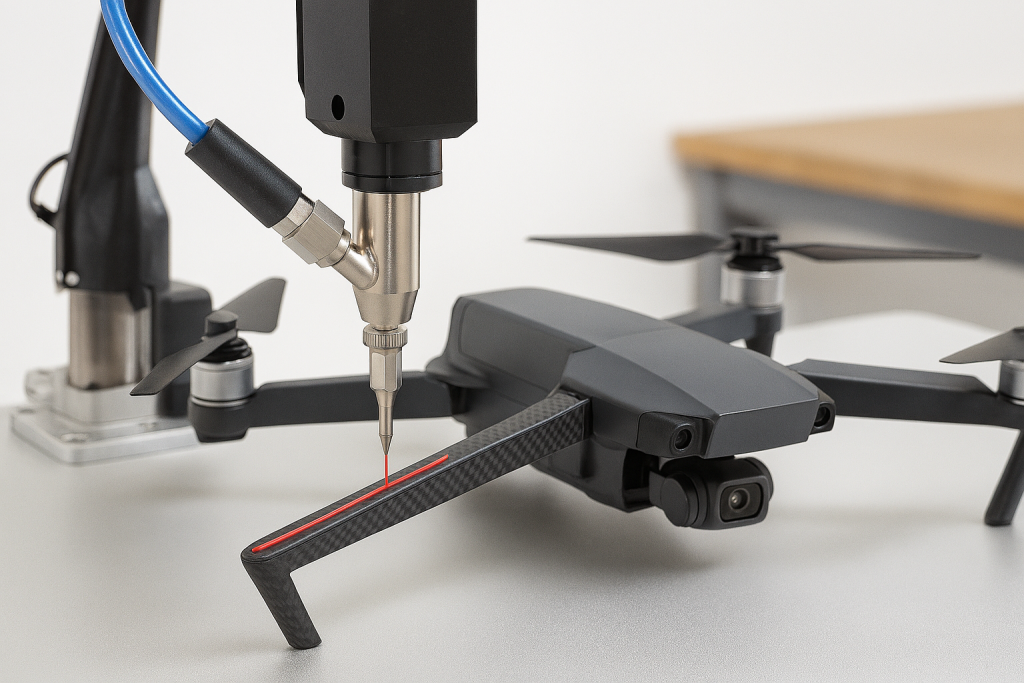
Structural Adhesive Solutions for Airframe Assembly
The structural integrity of modern unmanned aerial systems depends heavily on the effective bonding of materials such as carbon fiber reinforced polymers (CFRP) and aerospace-grade aluminum alloys. While carbon fiber offers an exceptional strength-to-weight ratio, it is inherently sensitive to stress concentrations introduced by drilling holes for bolts or rivets. Adhesive bonding enables load distribution across the entire bonded interface, effectively eliminating localized stress points that can lead to delamination or fatigue degradation within the composite matrix.
Epoxy Adhesives – The Backbone of Load-Bearing Structures
Epoxy adhesives are the industry standard for bonding structural drone components, including motor mounts, arm-to-frame joints, and landing gear assemblies. These two-part systems—comprising a resin and a hardener—cure into thermoset polymers with high shear and peel strength.
In drone flight environments, where components are subjected to continuous G-forces and rapid directional changes, the selection of a toughened epoxy formulation is critical. Toughening agents—typically elastomeric particles dispersed within the resin—help inhibit the propagation of microcracks during high-impact events such as hard landings.
The physical behavior of the adhesive, particularly its thixotropy, is a key design consideration. Thixotropic epoxies exhibit a paste-like consistency that prevents sagging or flow during curing. This allows precise application on complex three-dimensional geometries, such as curved aerodynamic fuselage panels, without the risk of contaminating nearby connectors or sensors.
However, epoxy systems also present certain limitations. Once cured, they form rigid structures that are difficult to disassemble or repair without damaging underlying components. This rigidity provides limited flexibility, which can introduce stress under conditions involving thermal expansion or persistent vibration. Additionally, epoxy curing is an exothermic process, potentially generating heat levels that may damage temperature-sensitive electronics.
Methacrylate (MMA) Adhesives – Solutions for Multi-Material Bonding
Methyl methacrylate (MMA) adhesives offer a distinct advantage when bonding dissimilar materials, such as carbon fiber arms to thermoplastic motor housings or aluminum brackets. MMA systems are known for their ability to bond a wide variety of substrates with minimal surface preparation, owing to their unique capability to “cut through” residual surface contaminants.
Compared to standard epoxies, MMA adhesives exhibit greater flexibility, allowing bonded joints to accommodate differences in coefficients of thermal expansion (CTE) between metals and composite materials.
Certain MMA formulations provide a working time of approximately five minutes and achieve handling strength within fifteen minutes. This rapid curing cycle is highly advantageous in high-throughput manufacturing environments. Moreover, MMA adhesives maintain bond integrity across a wide temperature range—from sub-zero conditions encountered at high altitudes to localized heating generated by high-current electronics—ensuring that the airframe remains stable and predictable throughout its operational profile.
Typical Application Areas of Industrial Adhesives
Electronics Protection: Conformal Coating and Potting/Encapsulation
Drone electronics are routinely exposed to atmospheric moisture, salt fog, and particulate contaminants—all of which can lead to corrosion or electrical short circuits. To mitigate these risks, engineers employ two primary strategies: conformal coating and potting/encapsulation. While both approaches aim to protect electronic assemblies, their use depends on operational conditions, mechanical requirements, and serviceability considerations.
Conformal Coating
Conformal coating involves applying a thin polymer film (typically 25–250 microns) over the surface of a printed circuit board (PCB). This coating “conforms” to component geometries, creating a dielectric barrier that prevents moisture ingress and inhibits the formation of tin whiskers, while adding negligible weight to the aircraft.
Common materials include:
Acrylic: Easy to apply and rework, with good moisture resistance. Provides basic protection but has limited chemical resistance. Typically dries within minutes at room temperature.
Silicone: Offers excellent thermal stability and flexibility, withstanding extreme temperatures (up to ~200°C) and thermal cycling. Particularly suitable for flycams due to its ability to expand and contract with components (such as ESCs), maintaining a hermetic seal across thousands of thermal cycles. However, it is difficult to remove and has relatively low abrasion resistance.
Polyurethane (UR): Provides strong chemical and abrasion resistance, making it well-suited for harsh chemical environments while offering excellent moisture protection. Removal is difficult and curing may require extended time without specialized equipment.
Parylene (XY): Considered the “gold standard,” parylene is applied via a vapor-phase polymerization process in a vacuum chamber, forming an ultra-thin (approximately 0.000394–0.00197 inches), pinhole-free coating. While it delivers highly uniform coverage, the process requires specialized equipment and makes rework extremely challenging.
Conformal coating is an excellent choice for lightweight applications with moderate environmental exposure, especially where weight and thickness constraints are critical and field repairability is required.
Potting / Encapsulation
Potting involves fully or partially encapsulating a PCB assembly within a solid or gel-like compound, typically inside a dedicated enclosure. The material fills voids and forms a unified mass, providing maximum mechanical and environmental protection. This method offers superior resistance to water immersion, severe mechanical shock, and even tampering or intellectual property theft (via opaque compounds).
Common potting materials include:
Epoxy Potting Compounds: Deliver extremely high rigidity, modulus, and tensile strength, forming a robust protective shell. Epoxies provide the strongest mechanical protection and excellent chemical resistance (against oils, fuels, and solvents). They are particularly suitable for underwater systems (UUVs), as they can withstand high hydrostatic pressure and full immersion. However, their rigidity makes them unsuitable for applications with significant thermal cycling, and rework is nearly impossible.
Silicone Potting Compounds: Retain flexibility after curing, making them ideal for components subjected to thermal expansion and contraction. Their soft, elastic nature absorbs shock and isolates vibration, protecting delicate solder joints. However, they offer lower mechanical strength and reduced chemical resistance compared to epoxies.
Polyurethane (Urethane) Potting Compounds: Provide a balance between the rigidity of epoxy and the flexibility of silicone. They cure at lower temperatures and generate less exothermic heat than epoxies, making them suitable for moisture protection and effective shock absorption. However, they are sensitive to moisture during curing and have lower maximum operating temperatures than silicone.
Despite its superior protection, potting significantly increases system mass and weight, and can complicate heat dissipation. Removal typically destroys the underlying electronics, making repair impractical.
Thermal Management and Heat Dissipation Solutions
As drone electronics become more powerful, managing heat generated by flight controllers and video transmitters (VTX) becomes critical. Without effective thermal dissipation, components may undergo thermal throttling or even fail mid-flight.
To address this, designers utilize thermally conductive adhesives. These materials are typically filled with ceramic or metallic particles to enhance thermal conductivity (commonly ranging from ~0.8 to 1.5 W/m·K or higher). They are used to bond heat sinks directly to processing units, ensuring efficient heat transfer to the drone frame or dedicated cooling structures.
By maintaining a stable thermal pathway, these materials enable drones to operate reliably in high ambient temperatures without compromising flight control integrity or video transmission clarity.
In addition to adhesives, thermal grease and thermal gap fillers are used in applications where mechanical bonding is not required, allowing for easier disassembly and component servicing.
Critical Assembly Requirements in UAV & Flycam Systems Addressed by Adhesive Solutions
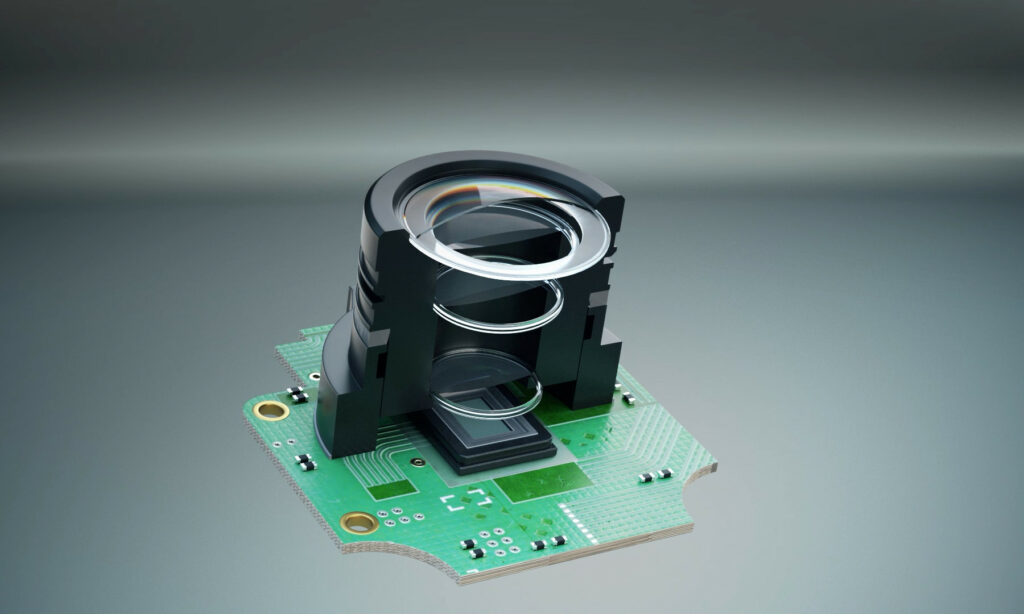
Optical Precision in Camera Modules (Flycam Systems)
The assembly of flycam camera modules demands a level of precision far exceeding that of airframe construction. The alignment between the lens and the image sensor must be maintained within micron-level tolerances to ensure sharp focus across the entire image field. This is achieved through a process known as Active Alignment, which relies almost entirely on UV-curable adhesives.
During camera module assembly, the lens is held by a high-precision robotic arm capable of six degrees of freedom, while the image sensor is powered and provides real-time video feedback. Once optimal focus and tilt are achieved, a UV adhesive is dispensed and exposed to a high-intensity UV light source. The adhesive cures within seconds, locking the lens in its exact position. These UV systems are typically solvent-free and supplied as convenient single-component formulations.
One of the most critical properties of such adhesives is low shrinkage. As polymers cure, they naturally contract; excessive shrinkage (e.g., >3%) can shift the lens out of alignment and degrade optical performance. Professional-grade optical adhesives are engineered with volumetric shrinkage below ~1.5%, ensuring that alignment integrity is preserved over the camera’s lifetime.
Additionally, adhesives used within the optical path must exhibit specific optical properties. Their refractive index should closely match that of glass (approximately 1.51–1.56) to minimize internal reflections and light loss. They must also be low-outgassing materials. If volatile compounds are released during curing or operation, they may condense onto the lens or sensor, forming a permanent haze that degrades image quality.
Motor Screw Retention with Threadlockers
One of the most persistent challenges in UAV maintenance is preventing fastener loosening. Brushless motors generate extremely high-frequency vibrations, and when combined with rapid acceleration and deceleration cycles, these forces can cause motor screws and structural bolts to loosen—potentially leading to catastrophic in-flight failures.
The most reliable solution is the use of threadlockers. These are anaerobic adhesives, meaning they remain liquid in the presence of oxygen but cure into a tough thermoset polymer when confined in the absence of air between metal threads. The cured material fills microscopic gaps within the threads, creating a unified assembly that resists vibration-induced loosening while also sealing against moisture and corrosion.
For small UAV fasteners (typically M2 and M3), low-strength (purple) or medium-strength (blue) threadlockers are recommended. Blue-grade formulations are ideal for motor mounts and structural fasteners, as they provide strong vibration resistance while still allowing disassembly with standard hand tools for maintenance. High-strength (red) threadlockers are generally not recommended for small drone fasteners, as the required breakaway torque often exceeds the shear strength of small screw heads, leading to stripping.
Thermal resistance is another critical factor. Brushless motors can reach high temperatures during operation, and some standard threadlockers begin to soften above ~149°C. For industrial or high-performance UAVs, high-temperature threadlockers (rated up to ~232°C or higher) are used to ensure joint integrity. In extreme applications—such as long-range UAVs powered by internal combustion engines—ceramic-based threadlockers capable of withstanding temperatures up to ~1093°C may be required.
In practice, only a minimal of threadlocker should be applied to the screw threads to prevent excess adhesive from migrating into motor windings or bearings.
Component Securing with Staking Adhesives
In high-vibration environments, the mass of larger components—such as capacitors or heavy power connectors—can impose excessive stress on their solder joints. To mitigate this, manufacturers use staking adhesives to provide additional mechanical support.
Specialized low-outgassing UV-curable adhesives can be applied to reinforce components on PCBs, enabling them to withstand mechanical shock, including hard landings. These materials are formulated to meet stringent reliability standards while maintaining compatibility with sensitive electronics.
For securing ultra-miniature RF connectors (such as IPEX/U.FL), technicians often use flexible, gel-like industrial adhesives. These soft, elastomeric materials create a resilient bond that prevents connectors from detaching due to vibration while also absorbing impact energy. At the same time, they can be cleanly peeled away without residue, allowing for easy antenna replacement when needed.
Such solutions strike an optimal balance between rigidity and flexibility, ensuring mechanical stability without damaging delicate microelectronic components on the PCB.
Recommended Surface Preparation Procedures
The success of any adhesive bond in drone airframe assembly depends critically on proper surface preparation. When this step is neglected, the bond strength is effectively limited to that of the contaminants present on the surface. Substances such as mold release agents, machining oils, fingerprints, and moisture create barriers that prevent adhesives from achieving molecular-level contact with the substrate, leading to premature bond failure or delamination.
The “Degrease – Abrade – Degrease” Process
This is the industry gold standard for preparing carbon fiber, metal, and plastic components prior to bonding. The process consists of three key steps:
Initial Degreasing:
The surface is wiped using a clean, lint-free cloth saturated with a volatile solvent such as isopropyl alcohol (IPA) or acetone. A critical technique here is the “two-cloth method”: one cloth is used to apply the solvent and dissolve contaminants, followed immediately by a second, dry absorbent cloth to remove the solvent before it evaporates. If the solvent is allowed to evaporate on its own, contaminants may redeposit onto the surface.
Abrasion:
The surface is then lightly abraded to remove glossy resin layers, increase surface area (creating micro-roughness), and introduce “mechanical keying” for the adhesive. For carbon fiber, fine-grit sandpaper (120–320 grit) or non-woven abrasive pads are ideal. Care must be taken to avoid oversanding. The goal is only to remove the surface sheen; excessive black dust indicates that structural fibers are being damaged, which compromises the strength of the component rather than improving bond performance.
Final Degreasing:
A second solvent wipe (IPA or acetone) is performed to remove all debris generated during abrasion. This step should be repeated with fresh wipes until no residue appears on the cloth. The surface must be completely dry before adhesive application.
For bonding flexible thermoplastics (such as TPU) to rigid plastics (such as ABS), moisture removal is absolutely critical. Both materials are hygroscopic and readily absorb moisture. If not pre-dried in a controlled environment (typically 80–100°C for 2–4 hours), interfacial moisture can lead to hydrolytic degradation at the molecular chain level, resulting in severely weakened bonds.
Verification and Advanced Surface Treatment
Surface cleanliness verification is the final step before bonding. The water break test is a simple yet highly effective method. A thin stream of deionized water is applied to the surface:
- If the water forms a continuous, unbroken film, the surface is clean and exhibits high surface energy—ready for bonding.
- If the water beads into droplets, contaminants (such as oils) are still present, and the surface must be re-cleaned.
In large-scale industrial drone manufacturing, manual abrasion is often replaced by advanced physical treatments such as corona discharge or plasma treatment. Vacuum plasma treatment uses ionized gases to generate highly reactive free radicals on the substrate surface. This dramatically increases surface energy—particularly for low-energy plastics—allowing adhesives to wet and spread uniformly, resulting in strong, reliable bonds without the need for aggressive chemical etching.
For extremely difficult-to-bond materials such as PTFE (Teflon), specialized chemical etching processes at elevated temperatures may be required to modify the surface and enable adhesion.
What Should Businesses Prepare for the Future of UAV & Flycam Technologies?
As unmanned aerial systems expand into more demanding roles—from autonomous delivery to high-altitude surveillance—the evolution of adhesive technologies is driving significant transformation. In the near future, design engineers will increasingly adopt multi-functional adhesives—materials that not only provide structural bonding but also simultaneously enable thermal management and electromagnetic interference (EMI) shielding. This convergence reduces material complexity, lowers overall system weight, and enhances integration efficiency.
At the same time, manufacturing processes are rapidly shifting toward environmentally responsible adhesive solutions. These include low- or zero-VOC formulations, solvent-free systems, and materials compliant with stringent health and safety regulations such as RoHS. Adhesives are also being engineered specifically for automated production—optimized for robotic dispensing, precision mixing, and rapid curing via UV/LED technologies—effectively eliminating bottlenecks in assembly lines and significantly improving manufacturing throughput.
The assembly of modern UAVs and flycam systems has evolved far beyond simple mechanical construction into a sophisticated application of materials science. The transition from traditional metallic fasteners to a comprehensive chemical bonding approach—integrating high-modulus structural epoxies, reliable anaerobic threadlockers, ultra-precise UV-curable optical adhesives, as well as conformal coatings and environmental potting technologies—has enabled the creation of lighter, more durable, weather-resistant aerial platforms with superior optical performance.
A deep understanding of adhesive science and tape engineering—from surface energy and interfacial bonding mechanisms to load-bearing limits—is no longer optional. It is a critical requirement for preventing structural failures and maximizing the operational lifespan of any UAV system operating in increasingly complex and demanding environments.