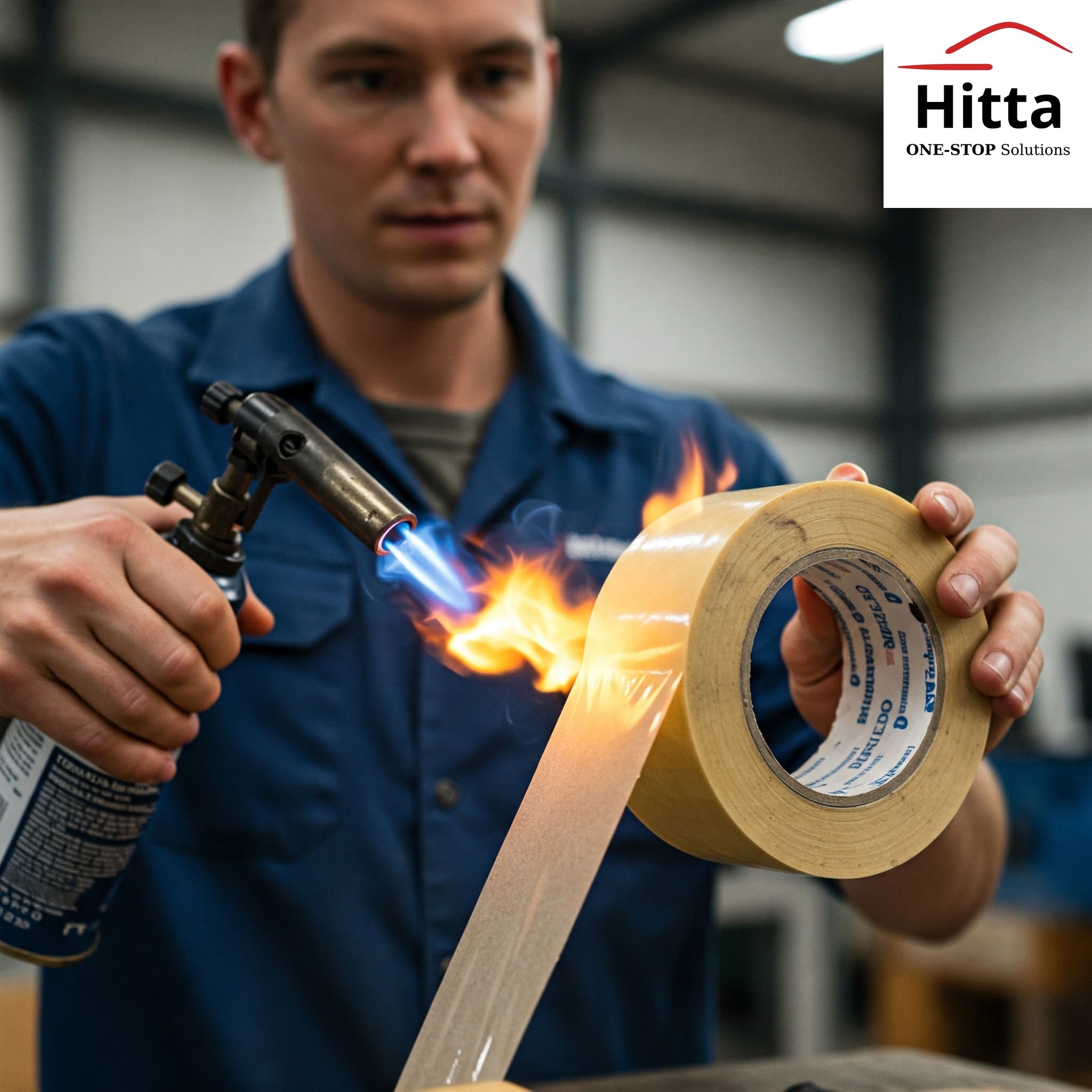
Heat-Resistant Tape, also known as thermal-resistant or insulation tape, is a specialized adhesive tape designed to maintain strong adhesion and structural stability even when exposed to high temperatures. This type of tape is widely used across various industries where heat exposure is frequent, such as manufacturing processes, the automotive sector, electronics assembly, and aerospace engineering.
In this article, we will explore the composition of heat-resistant tape, its main applications, and the key factors that enable it to perform effectively in extreme temperature environments.
Distinguishing Between Heat-Resistant Tape & High-Temperature Tape:
“Heat resistance” is a relative concept. Therefore, it’s essential to classify tapes based on their temperature tolerance in order to identify the right solution—this includes both heat-resistant and high-temperature tapes.
Most heat-resistant tapes currently available can typically withstand operating temperatures of around 250–300°F (approximately 120–150°C). However, when the temperature exceeds 400°F (over 200°C), readers and customers should consider high-performance options such as Bow Tape acrylic foam tape, which offers short-term resistance up to 230°Cand long-term durability at 150°C.
Composition of Heat-Resistant Tape
Heat-resistant tape is composed of several critical components, carefully selected to ensure the tape can withstand high temperatures while maintaining its adhesive strength and structural integrity. Depending on the specific application, the composition may vary; however, most heat-resistant tapes generally consist of the following elements:
Backing Materials
The backing material serves as the primary structural component of high-temperature adhesive tape, providing strength, flexibility, and thermal resistance. Common backing materials include:
Polyimide Film (Kapton):
Polyimide is a versatile, high-performance film known for its outstanding thermal and mechanical stability. It can withstand temperatures ranging from -269°C to over 400°C without melting or breaking down. Additionally, polyimide film is highly flexible, lightweight, abrasion-resistant, chemically resistant, and impervious to radiation—making it ideal for high-temperature applications in industries such as electronics, aerospace, and automotive.
(Kapton typically withstands temperatures from -103°F to 500°F (−75°C to 260°C), but in practice, it has performed reliably in more extreme environments—ranging from -320°F to 752°F (−196°C to 400°C).)
Glass Cloth (Fiberglass Cloth):
Glass cloth is woven from fiberglass yarns and coated with a heat-resistant adhesive or specialized surface finish. It offers excellent tensile strength, dimensional stability, and resistance to heat, flame, and chemicals. Glass cloth tapes can withstand temperatures up to 500°C and are commonly used for insulation, sealing, and wrapping in industrial environments.
(Glass cloth or fiberglass cloth tapes are also used for sound insulation, reinforcement, and other purposes. Similar to Kapton and metal foils, they are highly heat-resistant, functioning reliably at temperatures above 500°F (260°C).)
Metal Foil:
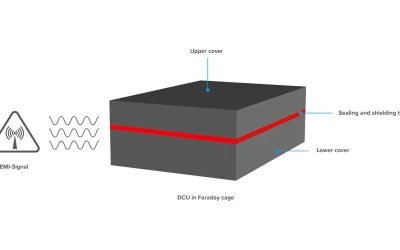
Metal foil backings—such as aluminum, copper, stainless steel, and others—are widely used in applications requiring EMI (electromagnetic interference) and RFI (radio frequency interference) shielding, HVAC sealing and insulation, and industrial packaging.
The typical operating temperature range for metal foil tapes is -65°F to 600°F (−54°C to 316°C), though the exact tolerance depends on the type of metal used.
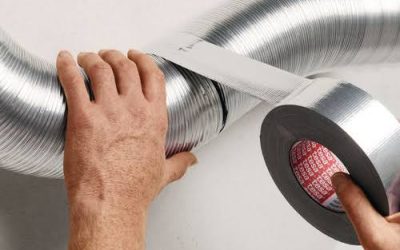
A commonly used variant is aluminum foil, consisting of a thin aluminum layer coated with heat-resistant adhesive. Aluminum provides excellent thermal conductivity and heat reflection, making it ideal for thermal shielding and insulation. Aluminum foil tapes can withstand temperatures up to 300°C and are often used in HVAC systems, automotive manufacturing, and aerospace.
Polyester (PET) Film:
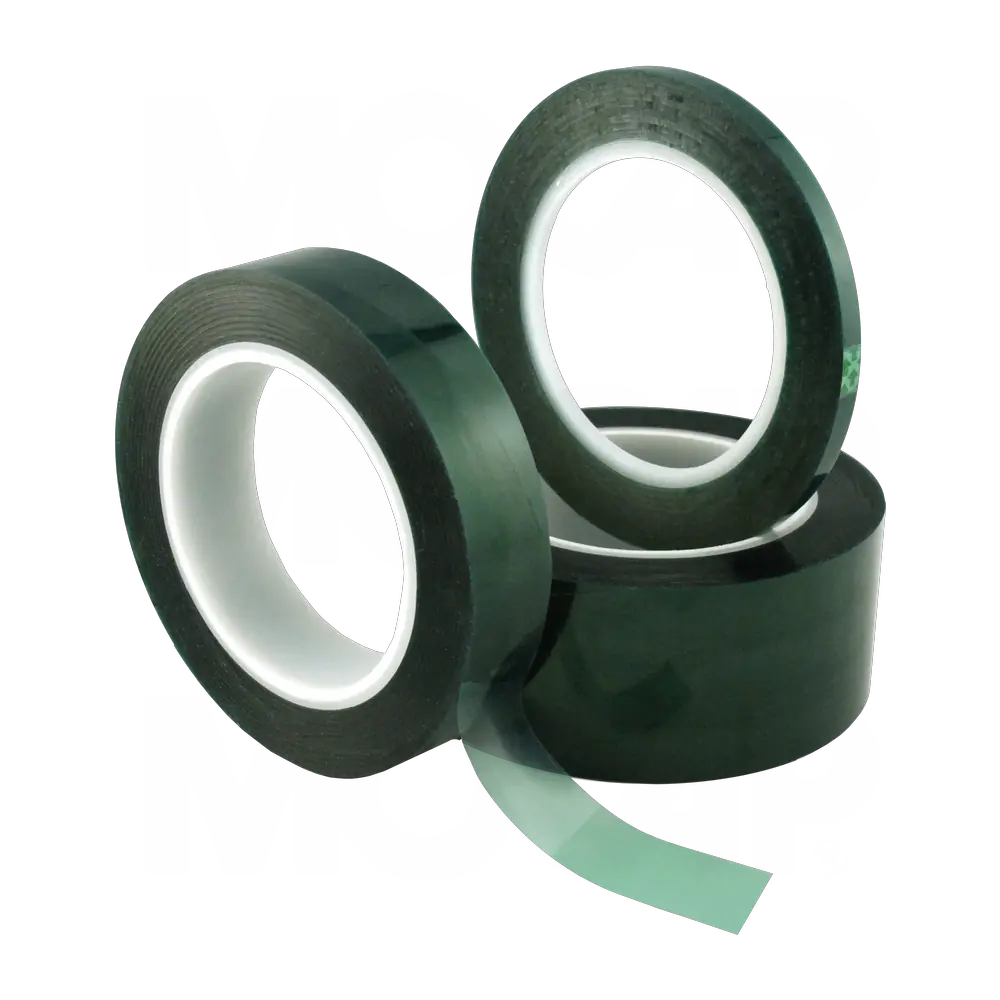
Polyester (PET) film is frequently used in electronic component bonding, high-temperature masking for powder coating processes, and splicing applications.
This backing material performs reliably in environments ranging from -94°F to 400°F (−70°C to 204°C), and can endure even higher temperatures during short-term bake cycles.
Adhesive Layer
The adhesive is the key component that determines how well the tape bonds to a surface. In high-temperature adhesive tapes, the adhesive is specially formulated to retain its bonding strength and resist degradation under elevated heat. Common types of heat-resistant adhesives include:
Silicone Adhesive:
Silicone adhesive offers excellent heat resistance, typically ranging from −60°C to over 300°C. It adheres well to a wide variety of surfaces such as metal, plastic, and glass. It also provides outstanding chemical resistance and weatherability. Silicone adhesive is commonly used in high-temperature tapes for the electronics, automotive, and industrial sectors.
Acrylic Adhesive:
Acrylic adhesive is known for its thermal resistance, durability, and flexibility. Depending on the formulation, it can withstand temperatures from 150°C to 260°C. Acrylic adhesives bond well to many substrates and offer excellent UV resistance, making them ideal for outdoor and automotive applications.
Rubber Adhesive:
Certain types of rubber adhesives—such as silicone rubber adhesives—can tolerate temperatures between 200°C and 300°C. They offer strong initial tack and are well-suited for bonding to various surfaces in high-temperature industrial environments.
Release Liner
The release liner is a protective layer applied over the adhesive and removed just before use. It helps maintain the integrity of the adhesive by preventing it from sticking to itself or to unintended surfaces. These liners are typically made from silicone-coated paper or film for easy release and handling during application.
High-temperature adhesive tapes are ideal solutions for demanding environments. They combine durable structural materials with advanced adhesive technologies to deliver reliable performance across a wide range of industrial applications.
Comparison & Evaluation of Heat-Resistant Tapes
High-Temperature Resistant Acrylic Foam Tape

| Advantages | Limitations |
|---|---|
| Stable high-temperature resistance: Many acrylic foam tapes can withstand 150–200°C continuously and up to ~230°C short-term | Not suitable for extreme temperatures like polyimide or PTFE – not recommended for applications exceeding 230°C |
| Exceptional adhesion: Strong bonding to metal, plastic, glass, and various other substrates | Difficult to remove: Due to high adhesion, removal may leave residue or damage the surface if not done properly |
| Vibration damping and load resistance: Foam layer helps distribute stress and absorb vibration, ideal for mechanical and automotive assembly | Limited precision use: Foam thickness may not be ideal for applications requiring high dimensional accuracy |
| Weather and UV resistant: Highly durable in outdoor environments, resists aging better than rubber-based adhesives | Higher cost than standard tapes – but justified by performance and long-term durability |
| Good chemical resistance: Resists moisture, oils, solvents, and various industrial chemicals | Requires clean surface: Proper surface preparation is essential to achieve optimal adhesion |
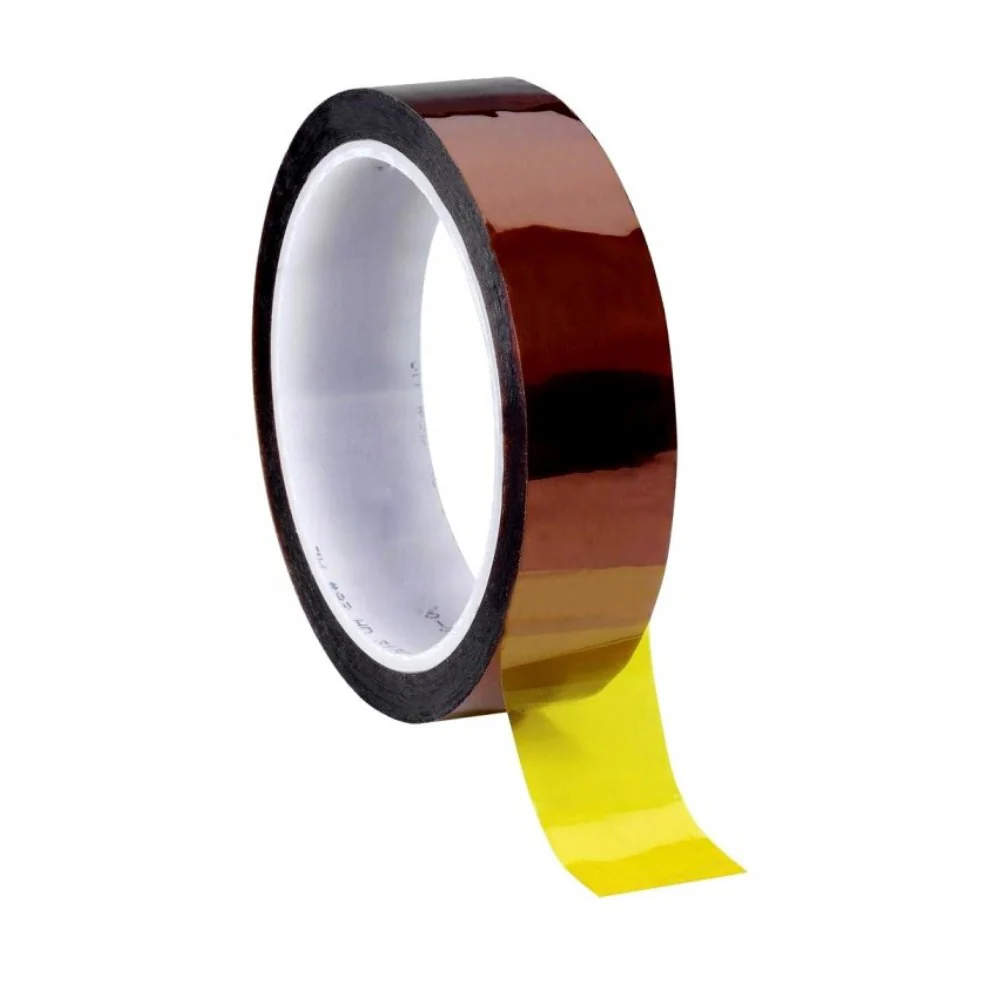
High heat resistant Polyimide (Kapton)
| Advantages | Limitations |
|---|---|
| Continuous heat resistance up to 260°C, short-term up to 400°C | Higher cost compared to other high-temperature tapes |
| Excellent electrical insulation, dielectric strength around 6000V, UL 510 flame-retardant | Limited adhesion on oily or rough surfaces |
| Thin yet durable film, resistant to tearing and deformation under heat | May leave adhesive residue if overheated or used for extended durations |
| Strong chemical resistance, unaffected by solvents and UV exposure | Not suitable for structural load-bearing or sealing large gaps |
High heat resistant Fiberglass / Glass Cloth Tape
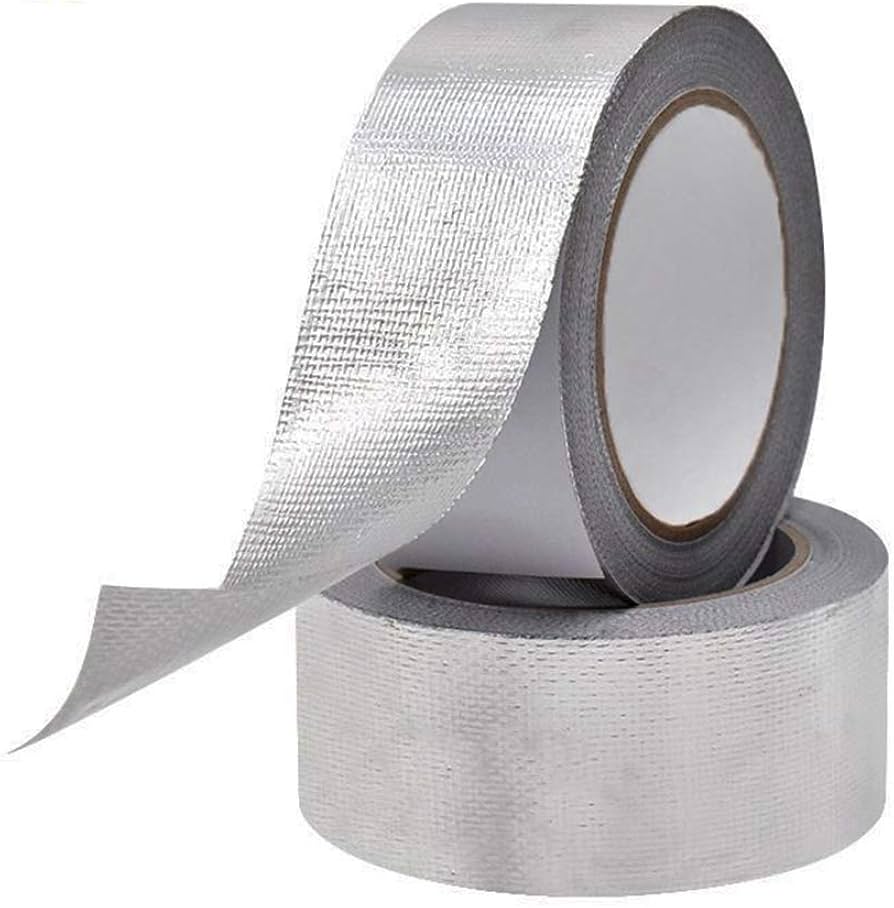
Dưới đây là bảng dịch tiếng Anh chuyên nghiệp cho phần ưu điểm và hạn chế của băng keo vải thủy tinh (Glass Cloth Tape):
| Advantages | Limitations |
|---|---|
| High heat resistance: Operates continuously at 180°C, short-term up to ~260°C | Thicker and less flexible than Kapton; difficult to conform to tight corners or intricate shapes |
| Flame retardant: Many products are UL-rated; the glass cloth backing is non-combustible | Adhesive may thermoset after exposure to heat – making removal difficult if the adhesive has fully cured |
| Excellent abrasion and mechanical strength: Woven structure is tough, resists tearing and mechanical stress | May leave adhesive residue or fiber fraying upon removal; tape edges can fray if not handled carefully |
| Good electrical insulation: Often compatible with electrical varnishes or resin coatings | Moderate cost: More affordable than Kapton, but more expensive than aluminum or polyester tapes |
High heat resistant Aluminum Foil Tape
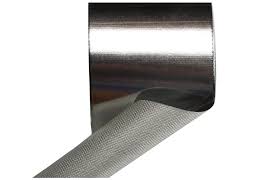
Dưới đây là bảng dịch tiếng Anh chuyên nghiệp cho phần ưu điểm và hạn chế của băng keo nhôm (Aluminum Foil Tape):
| Advantages | Limitations |
|---|---|
| Excellent heat and flame resistance: Metal foil is non-flammable; silicone adhesive versions withstand up to ~316°C | Rigid and prone to tearing: Non-stretchable; may crack or tear if sharply bent, and tears can propagate easily |
| Thermal reflectivity: Aluminum foil reflects radiant heat, helping to reduce surface temperatures | Electrically conductive: Not suitable for insulation – use caution near electrical circuits |
| Moisture and chemical resistance: Effective vapor barrier, resistant to weather, UV, and many chemicals | May leave adhesive residue (with acrylic adhesive); silicone versions are cleaner but more expensive |
| Dimensional stability: Resists shrinking or expanding with heat; good thermal conductivity aids in heat dissipation | Sharp edges: Cut edges can be sharp and may scratch surfaces or cause cuts if not handled with care |
High heat resistant PTFE (Teflon)
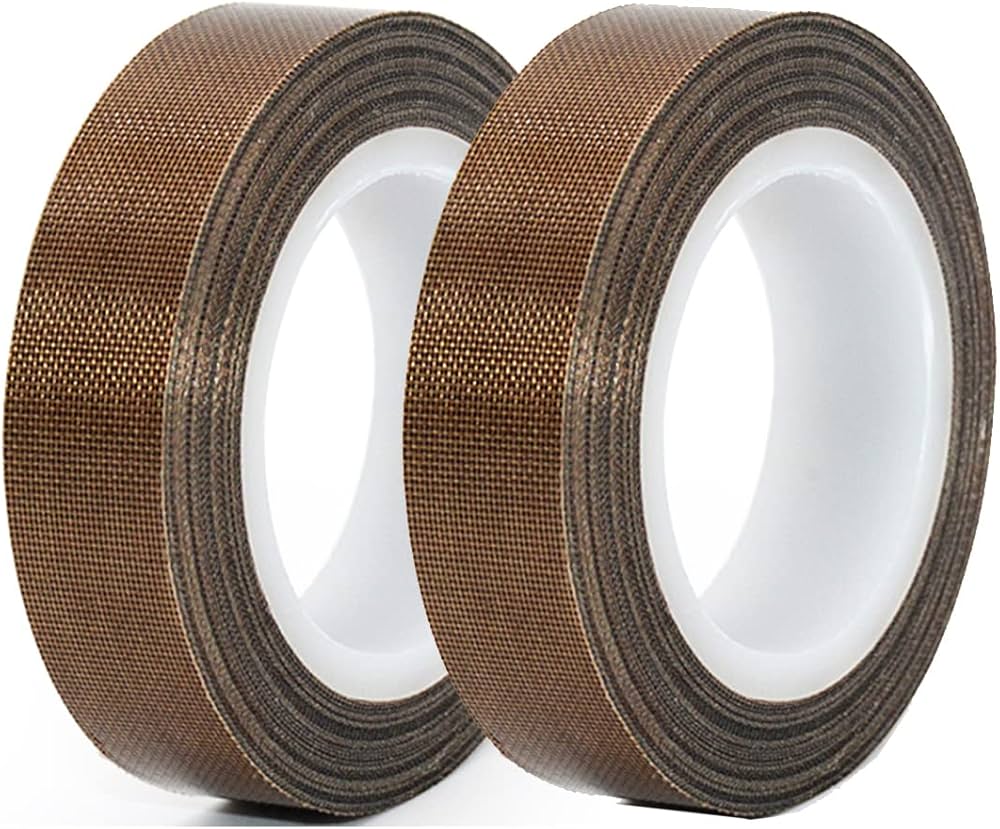
Dưới đây là bảng dịch tiếng Anh chuyên nghiệp cho phần ưu điểm và hạn chế của băng keo PTFE (Teflon Tape):
| Advantages | Limitations |
|---|---|
| High heat resistance: Operates continuously up to ~260°C, similar to Kapton; remains flexible down to −70°C | Lower mechanical strength: Pure PTFE film can deform under long-term load (creep) and is more prone to tearing than polyimide |
| Non-stick surface: Virtually nothing adheres to it – ideal for release liners and hot plastic separation | Adhesion challenges: Even the tape’s own adhesive doesn’t bond well to the PTFE backing; edges may lift if not carefully applied |
| Extremely low friction: Creates a smooth, wear-resistant surface, ideal for lining pulleys or sliding areas | High cost: Due to its specialized material and manufacturing process, PTFE tape is relatively expensive, on par with premium Kapton |
| Outstanding chemical resistance: Unaffected by acids, bases, solvents, moisture, UV, and weather | Potential fume hazard: Can emit toxic fumes if overheated above 300°C – avoid direct contact with flame or soldering iron |
High heat resistant Silicone Self-Fusing Tape
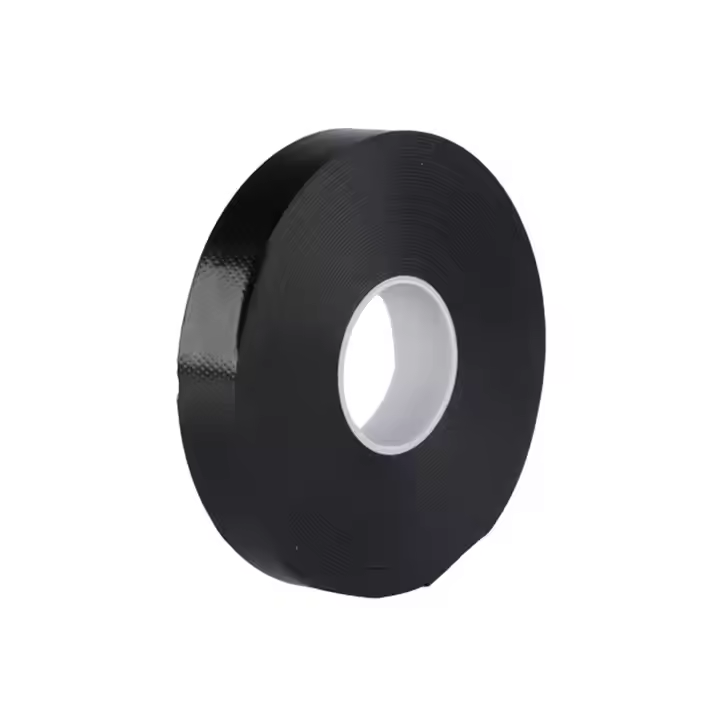
| Advantages | Limitations |
|---|---|
| Very high heat resistance: Continuous use at ~200°C, short-term up to ~260°C; does not melt or catch fire | No adhesion to surfaces: Must be wrapped onto itself; cannot be applied flat without a wrapping point |
| Leaves no adhesive residue: Since it’s adhesive-free, surfaces remain completely clean after removal (by cutting) | Not reusable: Once fused, it cannot be removed and reused – must be cut off, destroying the tape |
| Waterproof and airtight: Forms a seamless rubber layer that is water- and pressure-resistant | Not structurally strong: Stretchable and flexible – not suitable for securing heavy loads or providing rigid support |
| Excellent electrical insulation: Insulates thousands of volts with just a few wraps; ideal for cables and wires | Limited shelf life: In hot storage conditions, self-fusing properties may degrade over time |
| Flexible and stretchable up to 300%, conforms to complex shapes, resists vibration, UV, weather, and chemicals | Requires precise alignment during application, as adjustments can’t be made once bonding begins |
High heat resistant polyester (PET) tape
Dưới đây là bảng dịch tiếng Anh chuyên nghiệp cho phần ưu điểm và hạn chế của băng keo polyester chịu nhiệt (PET High-Temperature Tape):
| Advantages | Limitations |
|---|---|
| Good heat resistance at an affordable cost: Performs reliably at 150–200°C, ideal for heat curing, soldering, etc. | Temperature limit: Cannot withstand extreme heat like polyimide or fiberglass (>200°C may cause distortion or melting) |
| Clean removal: High-quality PET tapes leave no residue or damage after heat exposure | Less flexible at low temperatures: PET can become brittle in very cold conditions (less flexible than Kapton in cryogenic environments) |
| High tensile strength: PET film is tear-resistant and stable, useful for holding parts during baking | Flammable: Standard PET film can ignite if exposed directly to flame or very high temperatures (unless flame-retardant treated) |
| Good chemical resistance: Resists many solvents and chemicals; suitable for plating and etching processes | Limited thickness range: PET is typically only 1–2 mil thick, not ideal for thick insulation or gap-filling applications |
Comparison Table of Common High-Temperature Tapes
The table below summarizes the key characteristics of widely used high-temperature adhesive tapes, including backing materials, adhesive types, typical temperature ranges, and common applications:
| Tape Type | Backing & Adhesive | Typical Temperature Range | Common Applications |
|---|---|---|---|
| Polyimide (Kapton) | Polyimide film backing; silicone adhesive | ~−75°C to 260°C (−103°F to 500°F) (short bursts up to ~300–400°C) | PCB solder masking, aerospace wire insulation, 3D printer bed surface, high-temperature masking |
| Fiberglass Cloth | Woven fiberglass cloth backing; typically silicone adhesive (sometimes acrylic) | ~0°C to 200°C continuous, up to ~260°C (500°F) short-term | Electrical insulation for motors and transformers, powder coating or plasma spray masking, furnace and engine insulation |
| Aluminum Foil | Aluminum foil backing; acrylic or silicone adhesive | With acrylic: −20°C to ~150°C With silicone: ~−54°C to 316°C (−65°F to 600°F) | HVAC duct sealing, automotive heat shielding, oven/dryer gap sealing, EMI/RFI shielding (copper variant), insulation wrap |
| PTFE (Teflon) | PTFE film or PTFE-coated cloth; silicone adhesive | ~−70°C to 260°C (−94°F to 500°F) | Non-stick liner for heat-sealing machines, aerospace insulation, anti-friction surface lining, chemical-resistant pipe wrapping |
| Self-Fusing Silicone | Self-bonding silicone rubber; adhesive-free | ~−50°C to 200°C continuous, up to 260°C (500°F) peak | Emergency hose/pipe repair, high-temp electrical insulation (splices, cables), tool handle wrapping, bundling wires in engine or aerospace |
| Polyester (PET) | Polyester film backing; silicone or specialty acrylic adhesive | ~−70°C to 204°C (−94°F to 400°F), short exposures up to ~220°C | Powder-coating and plating masking, temporary holding or insulation in electronics assembly, wire harness wrapping in moderate heat areas |
A more detailed analysis of high-temperature acrylic foam tapes will be presented in the section below.
Classification of Heat-Resistant Tapes by Temperature Environment
Using heat-resistant adhesive tapes offers numerous significant benefits such as electrical insulation for circuits, maintaining structural stability, and minimizing the risk of heat-related damage.
As mentioned earlier, many durable tapes can withstand temperatures ranging from 250–300°F (approximately 120–150°C). However, specialized high-temperature tapes are designed to endure temperatures of 400°F (over 200°C) and above.
Heat-resistant tapes can be categorized based on their performance and material composition, including the following types:
1. Fire-Proof Tapes
Made from materials capable of withstanding direct flame exposure, these tapes are commonly used in aerospace applications to protect components from extreme heat generated by engines or exhaust systems. They not only resist ignition but also help prevent fire spread, minimizing damage and the risk of critical failure.
2. Flame-Retardant Tapes
These tapes provide essential protection in environments that must comply with fire safety regulations, such as cargo bays or aircraft interiors. Chemically treated to be self-extinguishing, they offer enhanced resistance to high temperatures. Flame-retardant tapes are typically used for wrapping, sealing, and electrical insulation.
3. Heat-Proof Tapes (Extended High-Temp Exposure)
Specifically engineered to withstand prolonged exposure to high temperatures without degrading or losing performance. They are ideal for long-term high-heat environments such as engine compartments or power systems in aerospace equipment.
4. Heat-Resistant Electrical Tapes
Designed for insulating and protecting electronic components such as printed circuit boards (PCBs), batteries, and sensors. These tapes are essential in electronics manufacturing and maintenance, where high temperatures can compromise insulation and pose serious safety risks.
High heat resistant tape main applications
Heat-resistant adhesive tape is a versatile and indispensable material across many industries, with applications ranging from bonding, sealing, and insulation to component protection. Thanks to its specialized construction—featuring heat-resistant backings and adhesives—this tape can perform reliably in extremely high-temperature environments while maintaining adhesion and structural integrity.
From electronics to aerospace, heat-resistant tape contributes to the durability, reliability, and safety of critical systems and components. As technology continues to evolve and technical demands grow more stringent, the demand for high-temperature adhesive tapes is expected to rise—driving innovation in materials and engineering to meet the challenges of harsh thermal environments.
Electronics Manufacturing
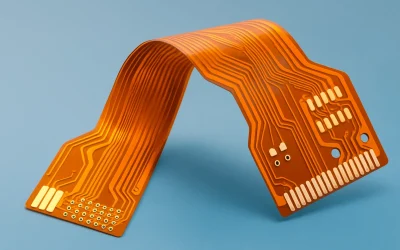
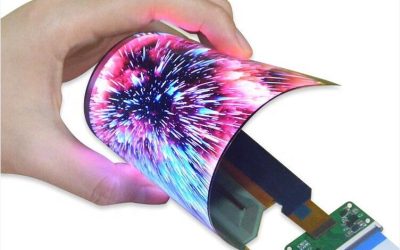
Heat-resistant tape plays a crucial role in electronics production, particularly for bonding, securing, and insulating applications. It is used to hold components such as flexible circuit boards, cables, and modules in place during assembly. With its high heat tolerance and superior durability, this tape is ideal for soldering, wave soldering, and reflow soldering processes, where temperatures can reach several hundred degrees Celsius.
Aerospace Industry
In aerospace, heat-resistant tapes are used for insulation, sealing, and protection of vital components and structures. They are commonly applied to aircraft engines, turbines, exhaust systems, and high-temperature insulation layers to endure extreme conditions experienced during flight. These tapes help prevent heat damage, reduce thermal radiation, and enhance both safety and performance in aerospace systems.
Automotive Manufacturing
In the automotive sector, heat-resistant tapes are used for bonding, sealing, and shielding applications. They are applied in engine compartments, exhaust systems, brake assemblies, and electronic modules to withstand the high heat generated during vehicle operation. These tapes improve the reliability and durability of components while also optimizing assembly efficiency and reducing manufacturing costs.
Industrial Processing and Manufacturing
In factories and industrial facilities, heat-resistant tapes serve various purposes such as insulation, sealing, masking, and gasketing. They are applied to pipelines, valves, boilers, furnaces, and equipment exposed to high temperatures, chemicals, and mechanical stress. These tapes help improve energy efficiency, reduce heat loss, and ensure the safety and durability of critical systems.
Thermal Protection and Heat Management
Heat-resistant tapes are also used for thermal protection and management in industries like aerospace, automotive, and electronics. They are applied to heat-sensitive components such as circuit boards, batteries, and sensors to dissipate heat, minimize thermal stress, and prevent overheating. These tapes help maintain optimal operating temperatures and extend the lifespan of critical components in high-temperature environments.
Safety Guidelines and Best Practices for Using Heat-Resistant Tape
Choosing the correct type of heat-resistant tape and applying it properly is essential for ensuring safety, enhancing durability, and optimizing performance in high-temperature applications.
Whether you’re insulating electronic circuits with Kapton tape, sealing hot-air ducts with foil tape, or repairing hoses with self-fusing silicone tape—using the right product the right way will deliver superior results that ordinary tapes cannot match.
Always read the manufacturer’s technical datasheet carefully and consult a technical expert if needed.
With proper caution and knowledge, heat-resistant tape becomes a powerful and reliable tool in even the harshest environments.
8 Essential Safety and Usage Principles:
1. Choose the Right Tape for the Application Temperature
- Always select a tape rated above the maximum temperature it will be exposed to.
- Note that many tapes have different short-term and long-term heat resistance—a tape might handle 260°C for a few minutes, but only be safe at 200°C during continuous exposure.
- When in doubt, select a higher-rated product or refer to the technical datasheet.
2. Prepare the Surface Carefully
- Before applying the tape, clean and dry the surface thoroughly. Dirt, oil, or moisture can reduce adhesion—especially for silicone-based adhesives.
- Wiping with isopropyl alcohol (if the surface allows) helps improve bond strength.
- In high-heat environments, a strong bond is essential, as adhesive strength tends to decrease as temperature increases.
3. Apply the Tape Properly
- Press the tape down evenly and firmly; avoid touching the adhesive with your fingers to prevent oil contamination.
- For self-fusing silicone tape, stretch it to activate bonding and wrap with at least 50% overlap.
- For regular adhesive tapes, ensure full surface contact with no air bubbles.
- In electrical applications, wrap using half-overlap layering to build sufficient insulation thickness.
4. Do Not Exceed Technical Limits
- Avoid exposing the tape to open flames or temperatures beyond its rated limit.
- For example, although Kapton and fiberglass tapes are flame-resistant, their adhesives may burn or degrade under direct high heat.
- If a tape becomes charred or emits smoke, ventilate the area and replace it immediately. PTFE tapes can release toxic fumes if severely overheated.
5. Inspect Regularly in High-Heat Environments
- In high-heat conditions like furnaces or engine compartments, inspect the tape periodically.
- The adhesive layer may degrade after repeated thermal cycles.
- If you notice peeling, cracking, or reduced adhesion, replace the tape.
- Kapton and fiberglass tapes tend to have long service lives, but routine inspection is still crucial.
6. Remove the Tape Correctly
- Always let the surface cool down before removing the tape to avoid burns.
- Peel slowly and at a low angle.
- Premium heat-resistant tapes usually remove cleanly, but long-term or overheated use may leave some residue.
- Use isopropyl alcohol or a compatible adhesive remover to clean stubborn residue.
- Do not yank fiberglass tape as the fibers may fray; instead, cut an edge and peel gently.
7. Electrical Safety
- Only use tapes that are certified for electrical insulation in electrical applications.
- Some tapes—such as foil tapes (aluminum, copper)—are conductive and must not be used to insulate live wires.
- Kapton, fiberglass, and silicone tapes often have clearly listed dielectric strength—ensure it’s appropriate for your voltage.
- Self-fusing silicone tape is an excellent insulator when properly applied—often insulating thousands of volts with just a few wraps.
8. Store the Tape Properly
- Store tapes in a cool, dry place away from direct sunlight.
- Excessive heat can degrade the adhesive or cause self-fusing tapes to bond inside the roll.
- Most heat-resistant tapes have a shelf life of 1 to 5 years, depending on the type.
- Fiberglass and Kapton tapes can maintain quality for up to 5 years if stored at room temperature.
- Keep rolls in their original packaging until use and avoid crushing or deforming them.
High heat resistant acrylic foam tape Solutions from Bow Tape
More Than Just Heat Resistance
Acrylic Foam Tape is currently one of the most widely used heat-resistant and high-temperature tapes—not only because of its excellent thermal resistance, but also due to its exceptional bonding strength and holding power. It can effectively replace traditional mechanical fastening methods while offering the added benefit of fast and efficient application.
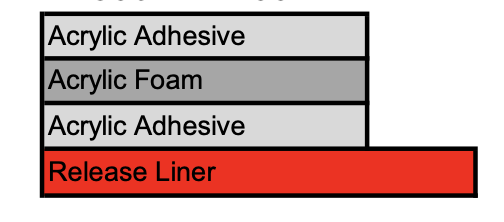
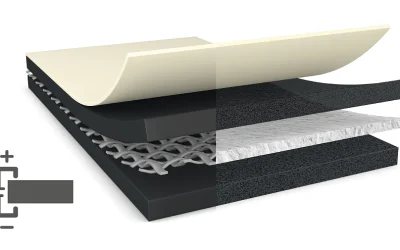
Structure of high heat resistant acrylic foam from Bow Tape
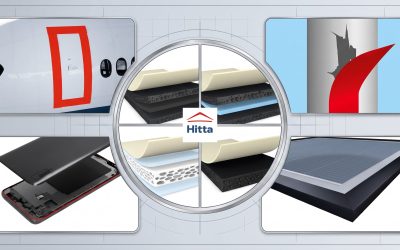
Bow Tape High-Temperature Acrylic Foam Tape, supplied by HITTA, is engineered to maintain strong adhesion and holding power under high-temperature conditions. It is one of the best-performing heat-resistant tapes available today.
Key Features:
- Available thicknesses: 0.6, 0.8, 1.1, 1.6 mm (±10%)
- Color: Gray
- Liner: Easy-peel PE film
- Size: 930mm x 33M
- Temperature resistance: Up to 230°C (short-term), 150°C (long-term)
- Excellent for high-temperature applications
- High adhesive strength and holding power
- Faster installation compared to screws, rivets, or liquid adhesives
Applications:
- Powder coating
- Electronic equipment assembly
- General high-temperature environments
- Effective bonding to low- to medium-surface-energy (LSE/MSE) substrates
Surface Adhesion Performance
| Surface Type | Adhesion Quality | Remarks |
|---|---|---|
| Glass | Excellent | No primer needed if surface is clean |
| Aluminum, Stainless Steel | Excellent | Suitable for both anodized and bare metal surfaces |
| Painted Surfaces | Excellent | Compatibility with paint must be tested |
| Plastics (ABS, PC) | Good | Primer may be required for optimal adhesion |
| Polyolefins (PP, PE) | Fair | Requires LSE primer |
| Wood / Porous Surfaces | Poor to Fair | Not ideal unless surface is sealed |
Key Applications by Industry
| Industry | Main Applications | Benefits |
|---|---|---|
| Automotive | – Engine bay sensors – Side mirrors – LED light strips – Sunroof seals | – Replaces clips, welds, screws → Reduces NVH (noise, vibration, harshness) – Corrosion-free bonding with aluminum panels |
| Electronics | – Internal battery bonding – Back panel mounting – LED thermal pad applications | – Excellent heat dissipation, prolongs component life – Maintains bond under high heat |
| Construction | – Exterior panel bonding – Façade cladding | – Withstands UV exposure and thermal expansion – Handles wind load and sun heat gain |
| Aerospace | – Replaces mechanical fasteners – Supports lightweight, fuel-efficient design | – Saves fuel through weight reduction – Tolerates thermal expansion at altitude changes |
Contact Information
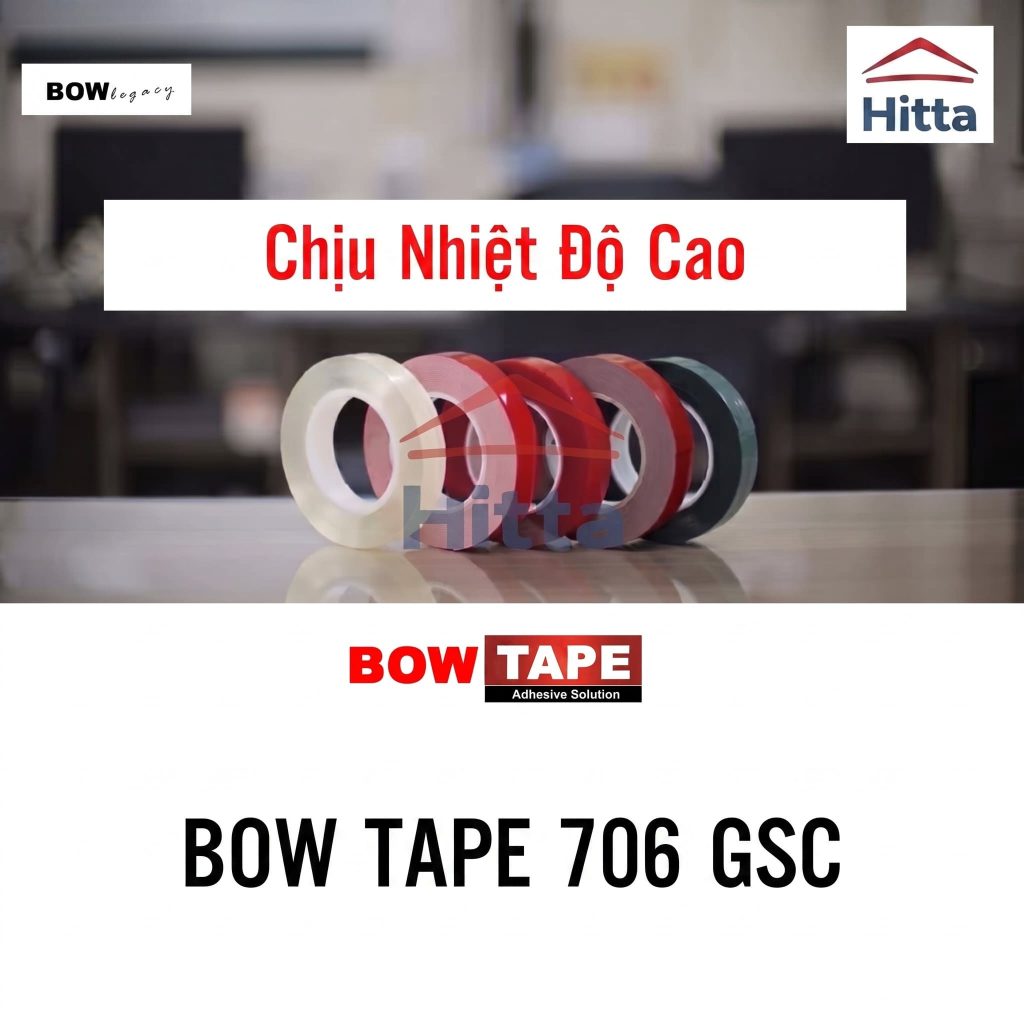
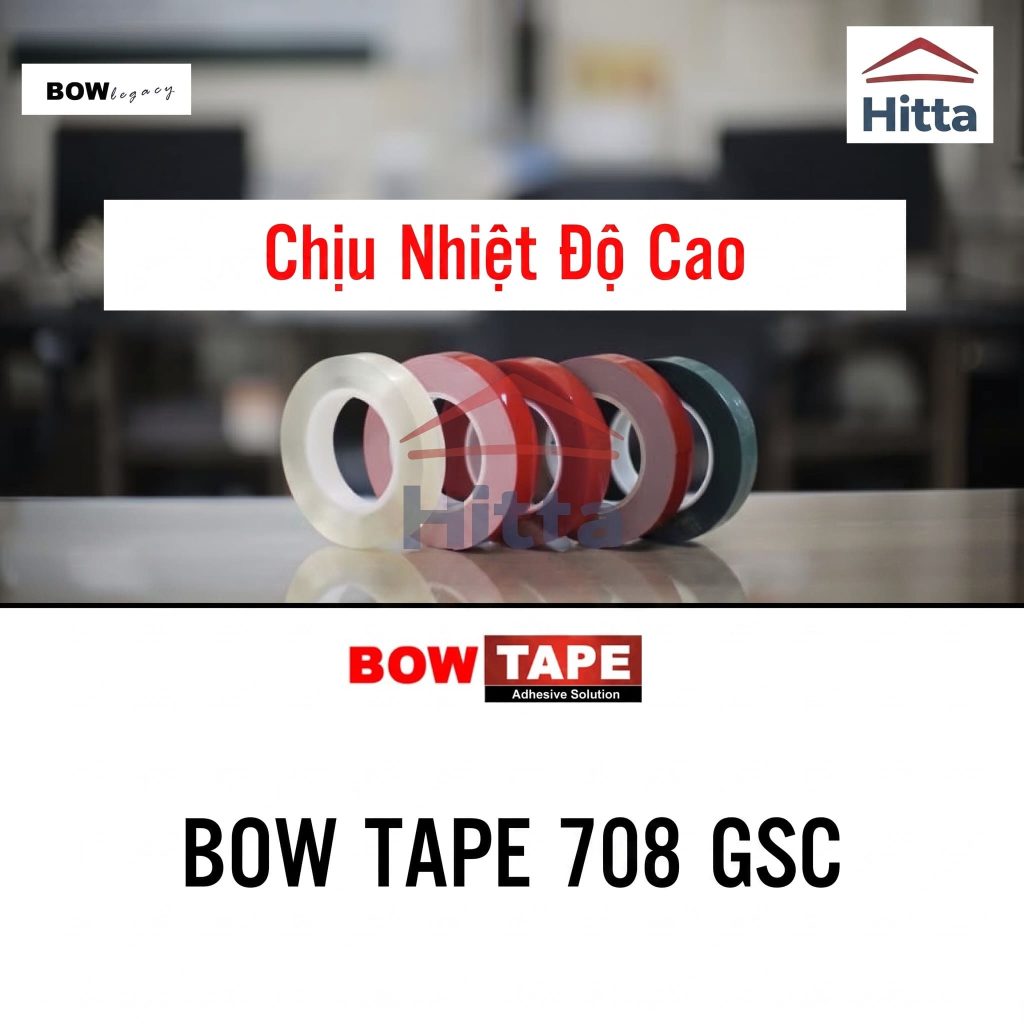
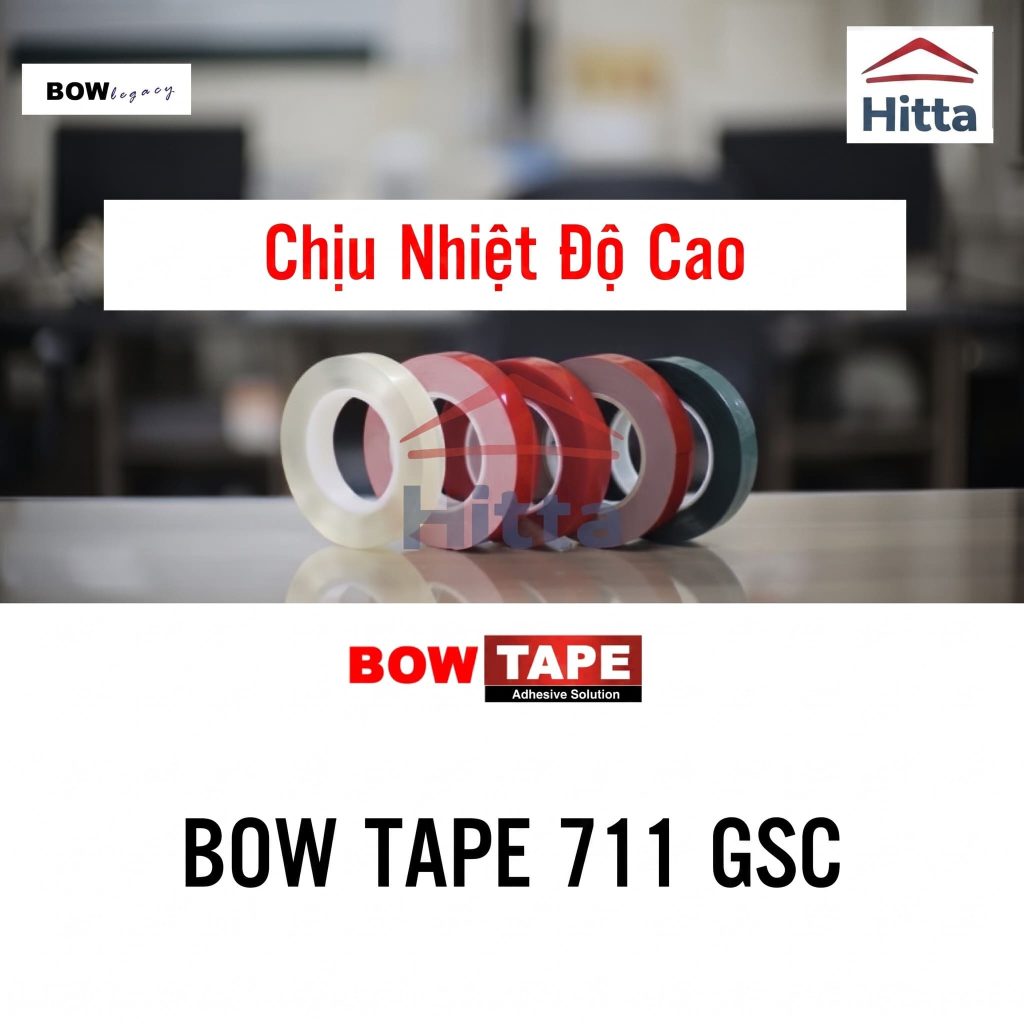
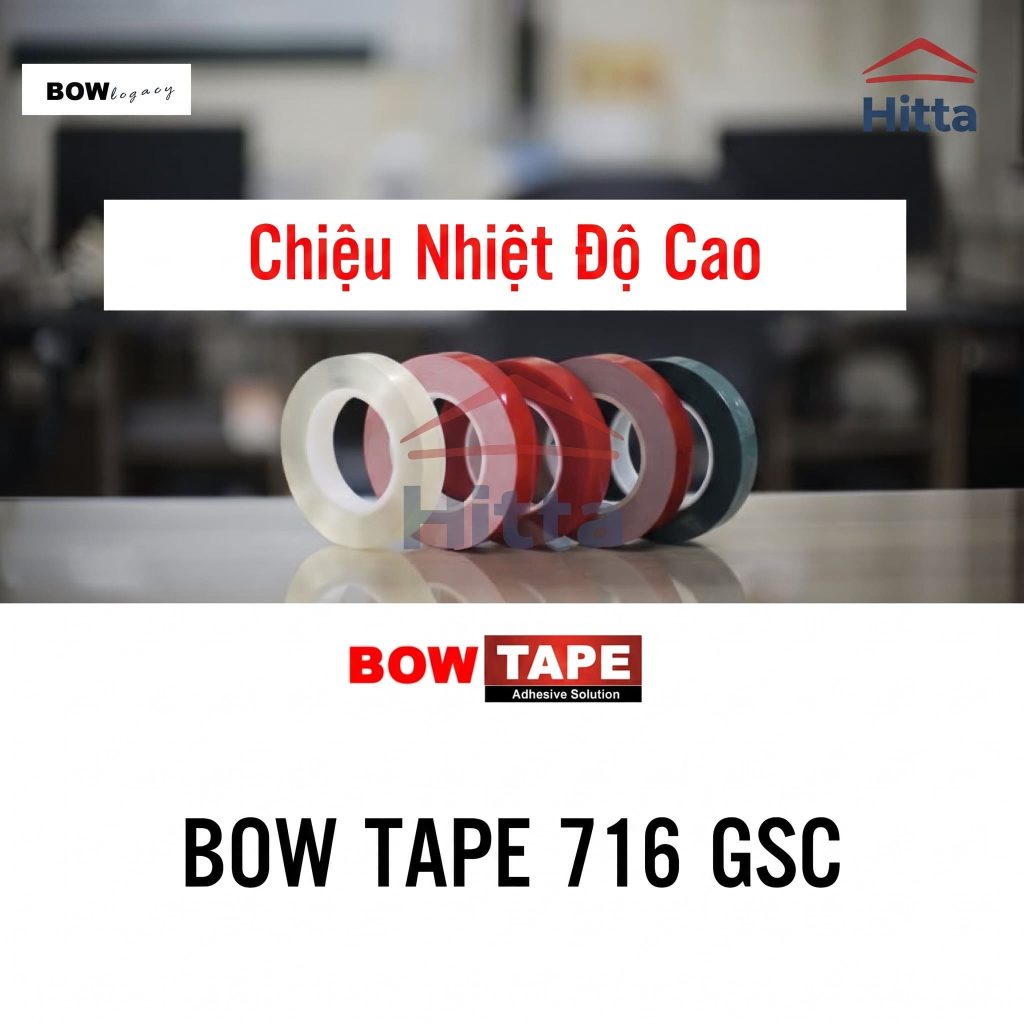
HITTA’s High-Temperature Acrylic Foam Tape Solutions from BOW TAPE offer a high level of customization, tailored to meet the unique technical specifications and process requirements of each business.
We provide customizable heat-resistant and high-temperature tape solutions based on your specific needs and applications.
Please contact us for expert consultation.
- ☎️ Hotline: 0565.336.879
- ✉️ Email: hittajsc@hitta.vn