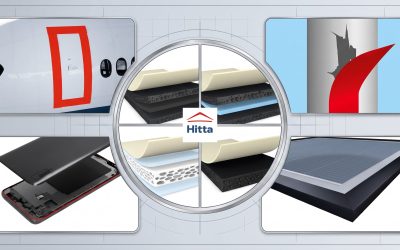
HITTA’s tape solutions for laminating applications, provided by the BOW TAPE brand, offer high customization capabilities, ensuring they meet both technical requirements and the specific processes of each business.
Before diving into the details of our solutions, we would like to clarify some key industry terms related to adhesive tapes.
Technical Tapes for the Laminating Process vs. Laminating Tapes
Adhesive tapes cover a wide range of products, including technical tapes designed for the laminating process. The terms laminating tape and technical tape for the laminating process are often used interchangeably, but there are some important distinctions to note:
Technical Tapes for the Laminating Process
This term generally refers to a broader category of adhesive tapes specifically designed for laminating applications. These tapes include not only traditional laminating tapes used to bond layers together but also other types of tapes that serve different purposes within the laminating process. Examples include:
- Masking tapes used to protect certain areas during laminating.
- Release liners for easy separation of laminated materials.
- Splicing tapes to join laminated materials seamlessly.
Laminating Tape
This term typically refers to adhesive tapes designed to bond multiple layers of materials together during the laminating process. Laminating tapes are often double-sided, with adhesive on both sides to ensure a strong bond between layers. They are commonly used in applications such as laminating paper, films, fabrics, and other substrates.
Although there is some overlap between these two terms, technical tapes for the laminating process encompass a broader range of tapes used at different stages of laminating, while laminating tape specifically refers to tapes that bond layers together during the process.
From a solution perspective, HITTA offers a complete range of adhesive tapes for laminating applications. However, in terms of application focus, this article will specifically discuss laminating tapes.
What is Laminating Tape?
Laminating tape is typically equipped with high-strength adhesive, ensuring strong adhesion to various surfaces such as plastic, metal, glass, and paper. This adhesive is designed to create a secure and durable bond, preventing peeling or detachment even in harsh conditions. Due to its superior adhesion, laminating tape is a reliable choice for long-term labeling and marking applications.
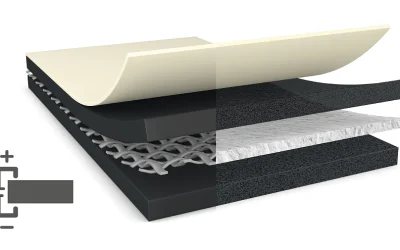
Additionally, laminating tape is highly durable, designed to resist abrasion, tearing, and damage thanks to its multi-layer construction and protective laminate coating. This added durability enhances its strength and extends its lifespan, making it ideal for outdoor and industrial environments.
Next, we will outline the technical material characteristics of laminating tape that converters should be aware of when selecting the right solution.
Laminating Adhesives
Laminating adhesives is the process of pressing two or more materials together to form a new composite material. This process allows converters to create materials tailored to specific application requirements, especially when off-the-shelf materials do not meet current needs.
When people think of lamination, they often associate it with the common process of plastic lamination for paper documents. However, a wide variety of flexible materials can be laminated together, regardless of their composition. Each liner, adhesive, and film layer has distinct properties, and the lamination process can pair adhesives with different liners to optimize stability and release characteristics for specific products.
How Laminating Adhesives Work
Through the adhesive bonding and lamination process, liners can be separated from existing adhesive rolls, allowing converters to customize and combine liners and materials to create the most suitable adhesive tape for specific applications.
Examples:
- In modern manufacturing, many manufacturers use automated systems, but their machines often struggle to remove high-adhesion liners. In such cases, they rely on converters to replace them with easy-release liners for smoother processing.
- Another common application arises when a suitable specialty adhesive for bonding two different surfaces is not readily available.
- In many cases, a single adhesive is not the optimal solution. A double-sided tape with different adhesives on each side may be required.
Example:
Painted metal has a lower surface energy than unpainted metal, meaning it requires a different adhesive to ensure optimal bonding. With the help of a converter, laminating a double-sided tape with two different adhesive types can create an effective bonding solution for both surfaces.
Manufacturers can adjust laminating adhesives to suit various materials and activate the adhesive bond using pressure-sensitive adhesives (PSA). This process enables the customized combination of liners and materials for specialized applications.
Laminating Adhesives Process
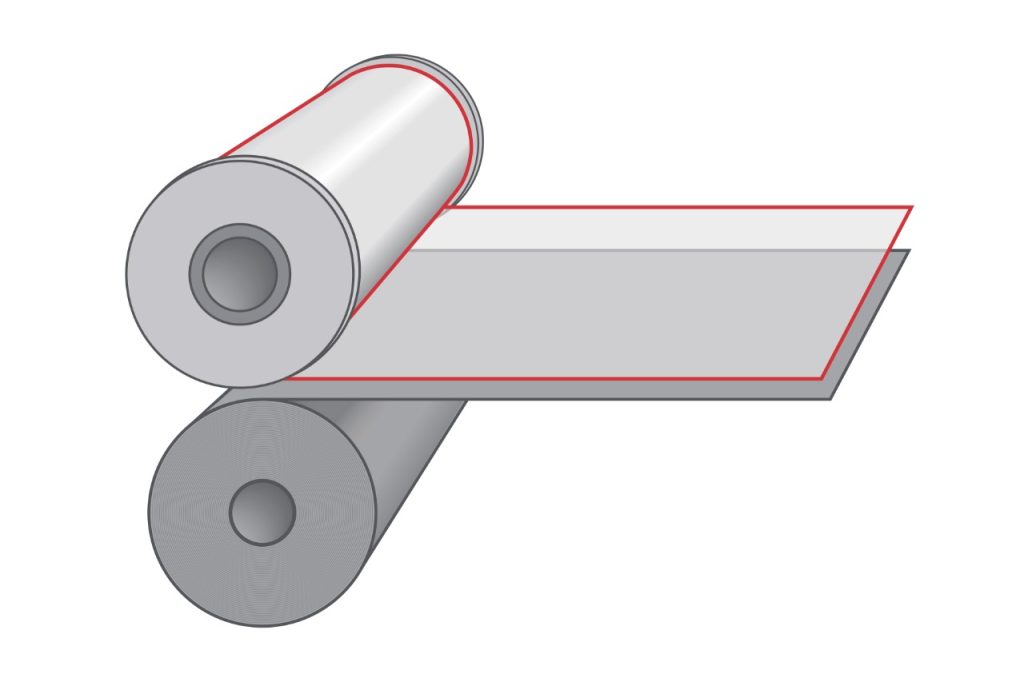
Laminating is the process of bonding two or more flexible materials using pressure or heat.
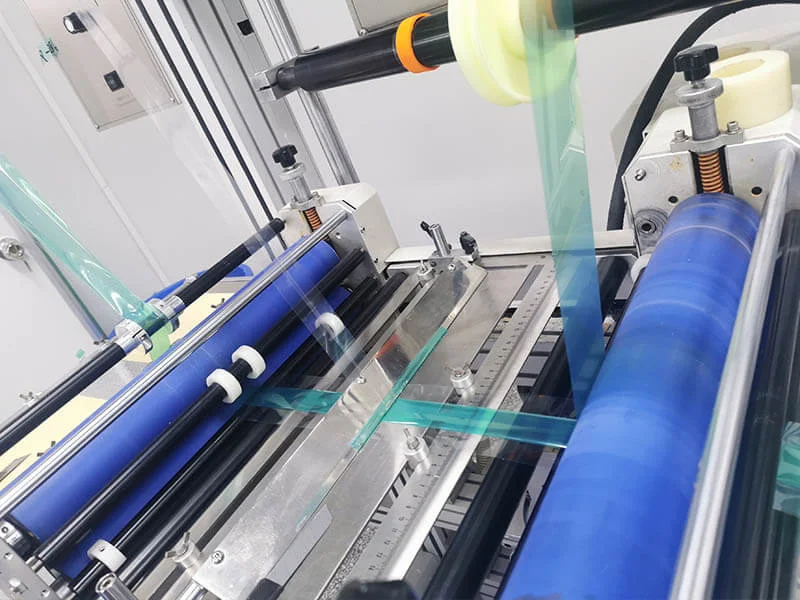
In production facilities, lamination is typically performed using rollers, which apply pressure to the materials. Since most adhesive materials come in rolls, the laminating process becomes a continuous cycle, eliminating the need for frequent stops and material changes.
Instead of pausing and switching individual parts, converters run the material rolls continuously through the press, ensuring a steady and uniform laminated output.
When to Use Laminating Adhesives?
If no available adhesive matches the substrate properties, or if the parent liner is incompatible with the application method, it is time to consider laminating adhesives.
While laminating adhesives are often used in the die-cut process, converters can also perform lamination as a standalone process. They can laminate materials or change liners without the need for a die-cut tool on a rotary press.
Web Lamination
Web laminating is used to combine rolled materials. If you have ever seen a rotary die-cut machine, you may have witnessed the web laminating process without realizing it.
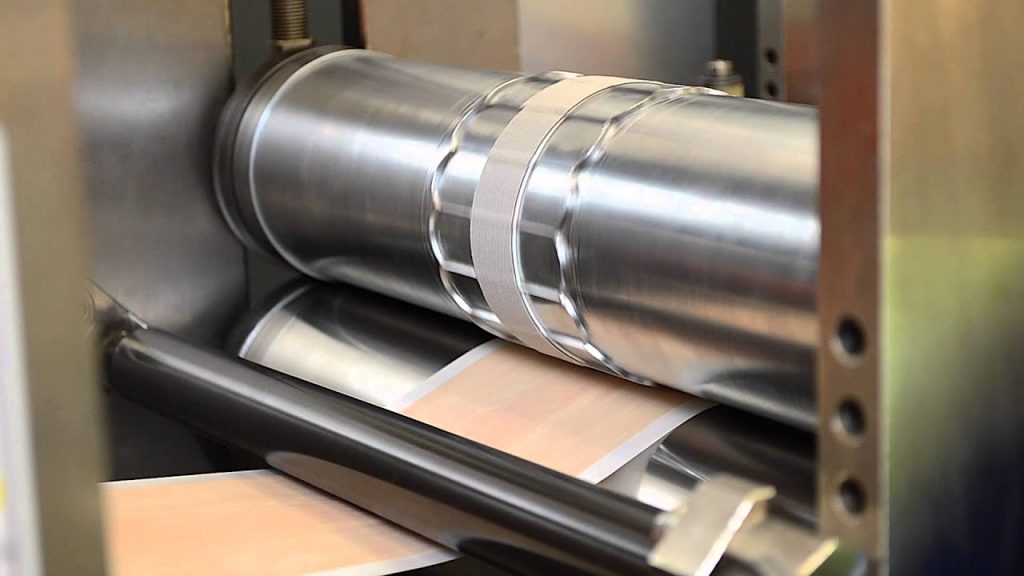
rotary die cut machine
Web laminating is carried out using rotary tools that feed two streams of material through a press and merge them into a single adhesive material.
Web laminating includes:
- Multi-layer lamination.
- Extended liner laminating.
- Liner substitutions.
- Zoned adhesive lamination.
This process is commonly used by flexible material converters to laminate foams, films, liners, and other substratesusing pressure-sensitive adhesives (PSA).
Integrating lamination into the die-cut process helps flexible material converters optimize production, aiming for a one-pass press run, where the material enters at one end and exits as a fully finished product, ready for use.
Compatibility of Laminating Tape Applications
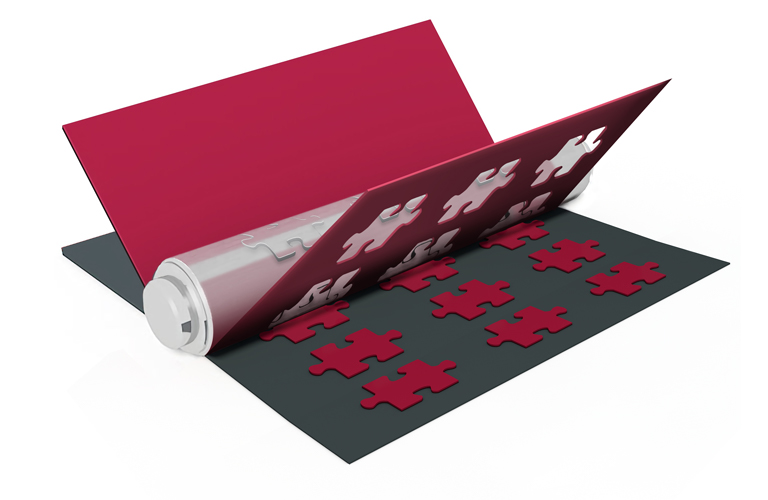
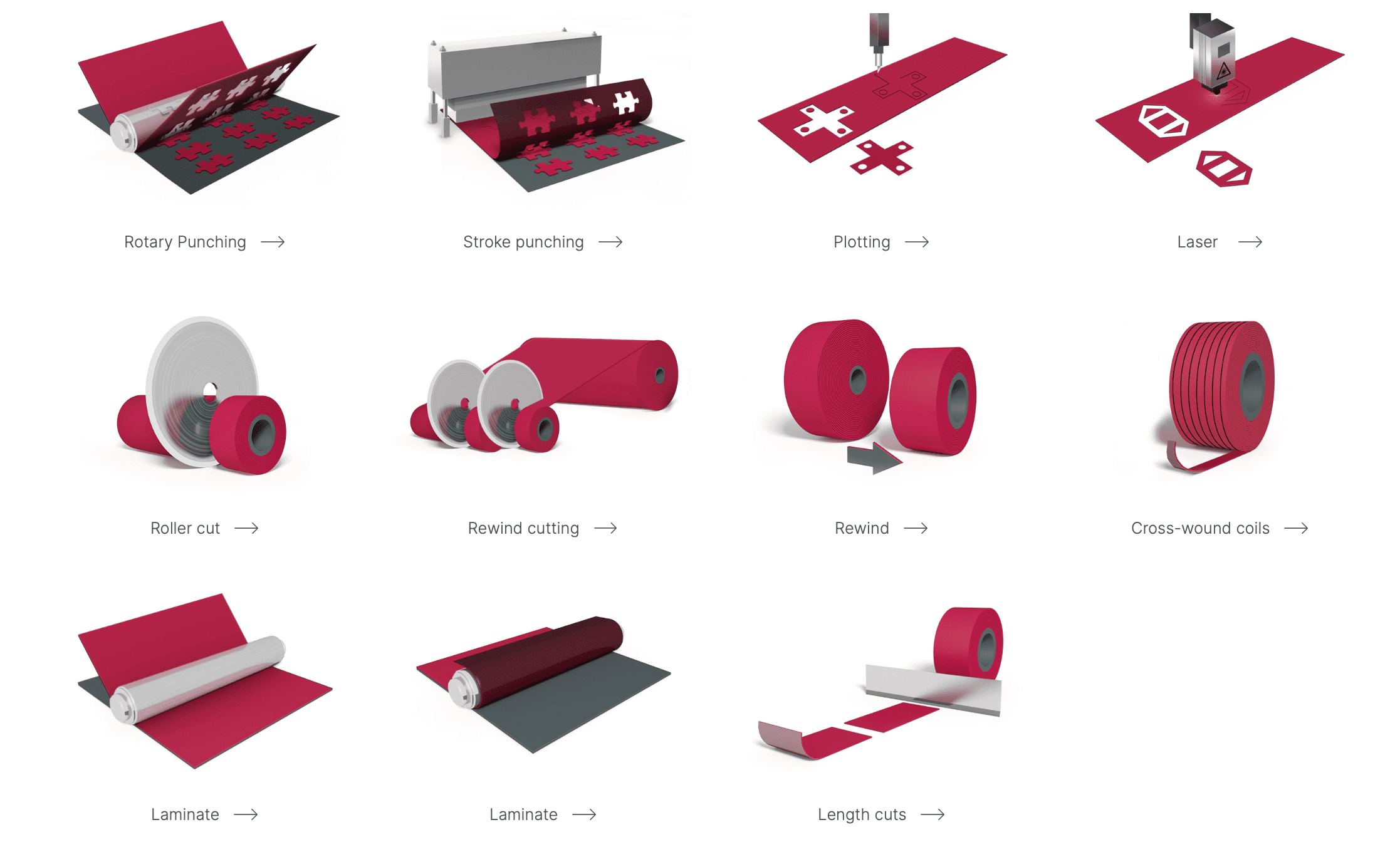
Rotary Punching
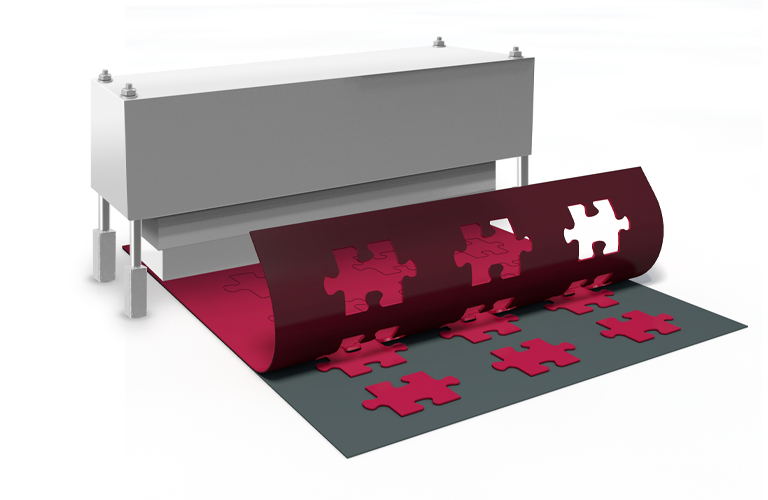
Stroke punching
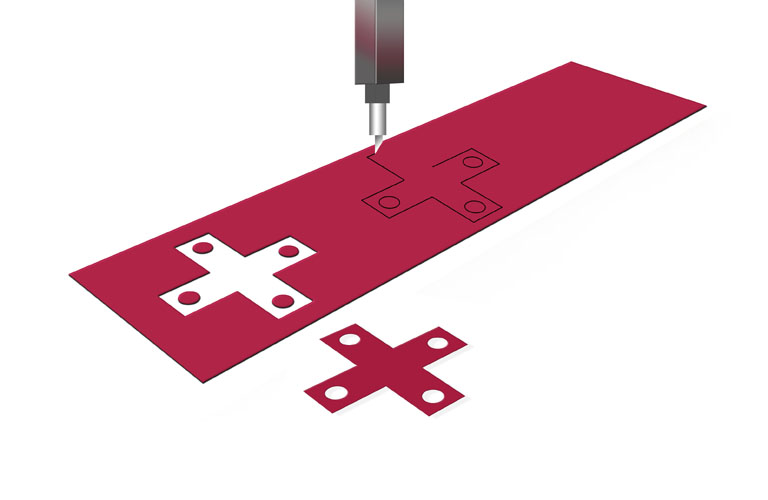
Plotting
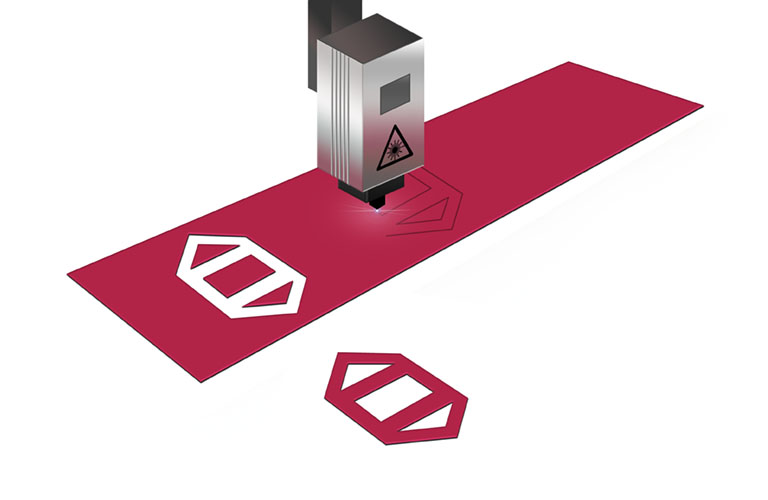
Laser
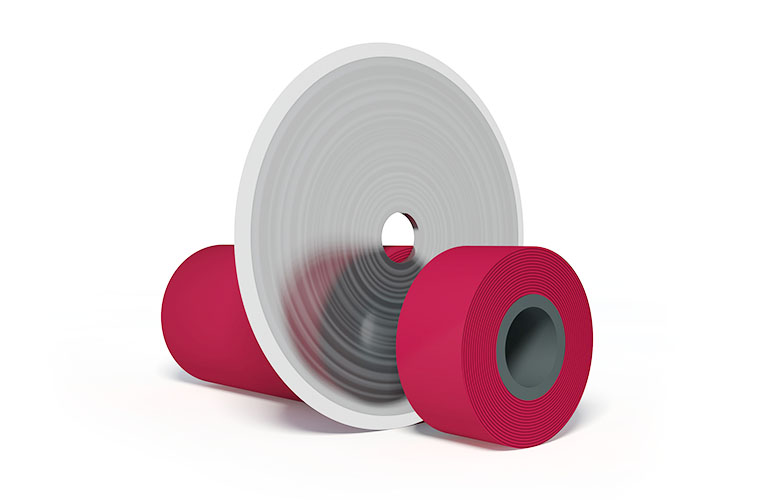
Roller cut
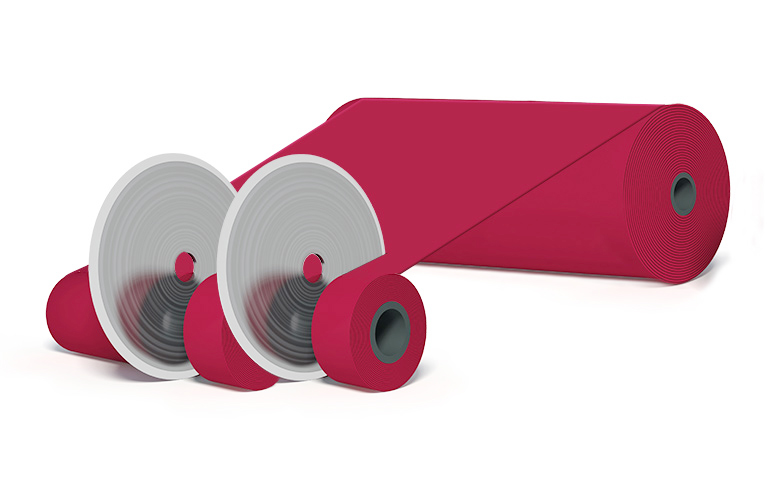
Rewind cutting
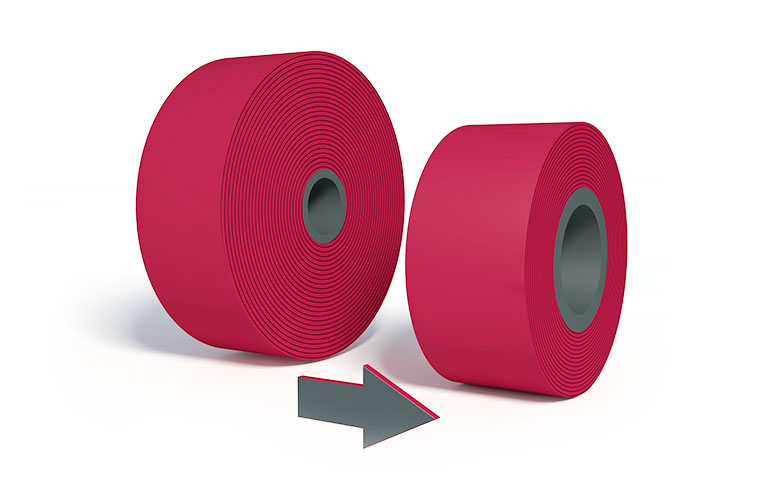
Rewind
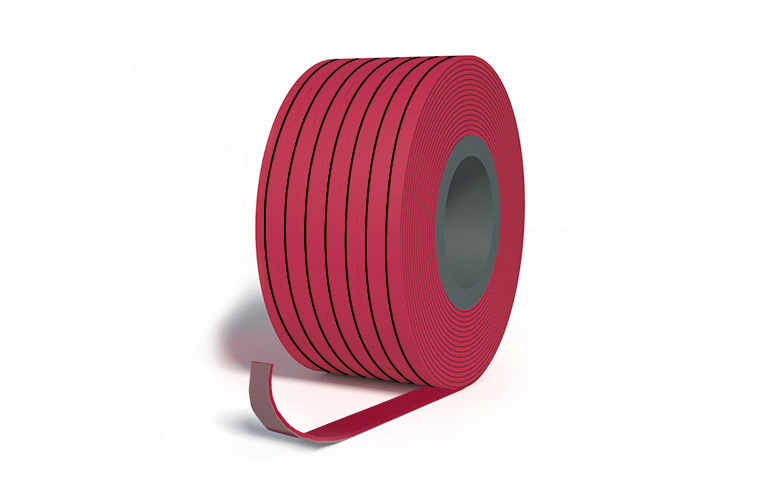
Cross-wound coils
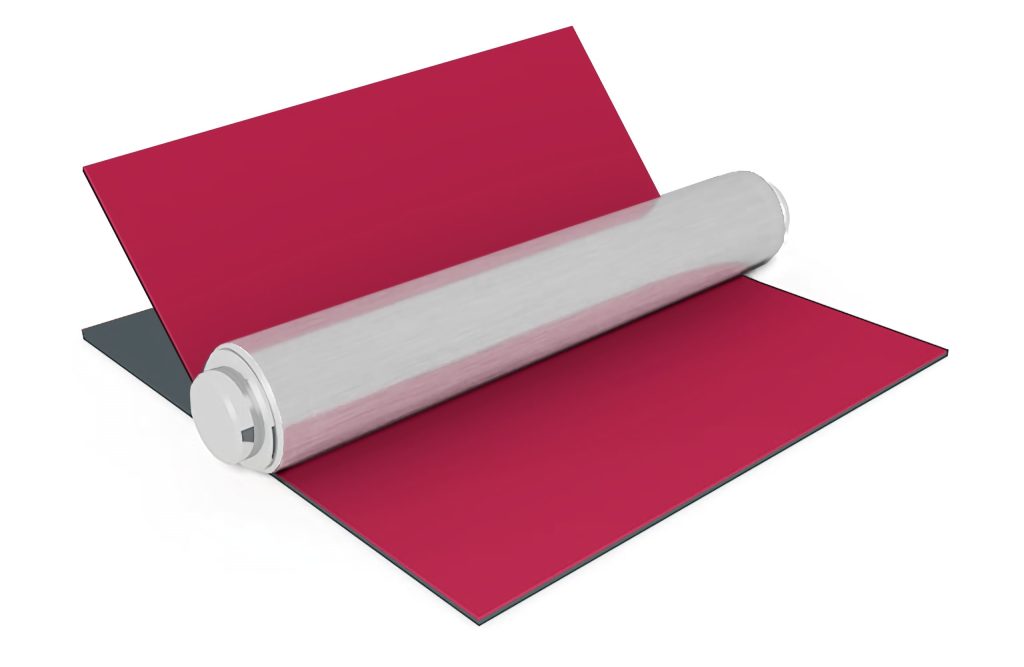
Laminate
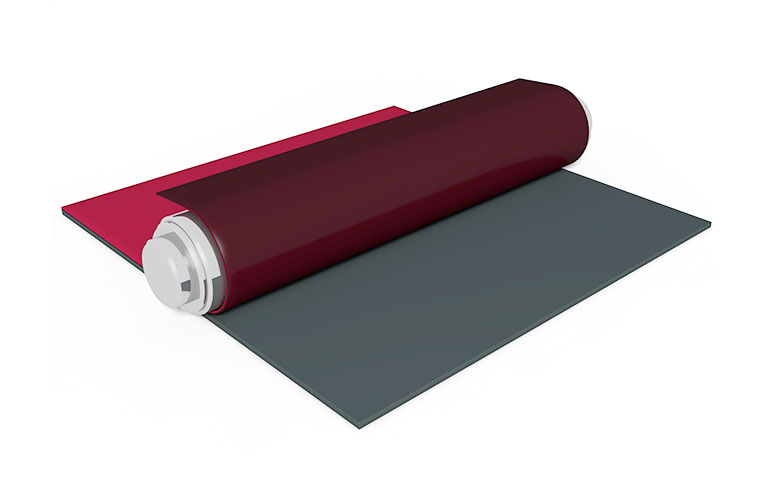
Laminate
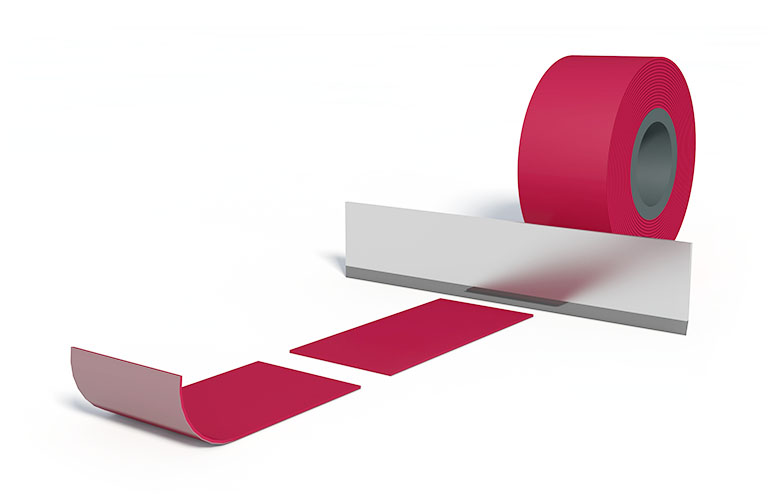
Length cuts
Industry-Specific Applications:

Appliance

Automotive

Battery/energy storage

Building & construction

Electronics
General Industry

Signs and Nameplates

Transportation
Other industries:
- Food packaging – Used as sealing tape to protect products.
- Pharmaceutical packaging – Applied in laminating tape to ensure drug safety and quality.
- Electronic product packaging – Utilizes anti-static tape to protect electronic components.
- Industrial packaging – Used for sealing, protecting, and reinforcing packaging in manufacturing.
Benefits of Laminating Tape
Laminating tapes are designed with specialized properties to ensure effective bonding and optimized lamination processes for various materials. These properties offer significant benefits, including:
- Strong adhesion – Provides a secure and durable bond, ensuring that laminated layers remain firmly attached.
- Versatility – Bonds a wide range of materials, including plastic, metal, paper, and fabric, making it suitable for multiple applications.
- Weather resistance – Many laminating tapes offer moisture resistance, UV protection, and temperature stability, making them ideal for indoor and outdoor use.
- Enhanced durability – Improves material strength by adding an extra protective layer against abrasion, tearing, and wear over time.
- Ease of use – Simple to apply with minimal preparation, providing a convenient alternative to traditional adhesives or mechanical fasteners.
- Clean finish – When applied correctly, laminating tape creates a smooth, neat surface without the mess associated with some adhesives.
- High conformability – Some laminating tapes are designed to adapt to irregular surfaces, ensuring uniform adhesion even on complex shapes or contours.
- Removability – Certain varieties offer temporary bonding, allowing for easy removal or repositioning without leaving adhesive residue.
- Customization options – Available in various thicknesses, widths, and adhesive formulations to meet specific application needs.
- Cost-effectiveness – Compared to other bonding methods, laminating tapes can be a more cost-effective solution, especially when factoring in labor costs and material waste.
Considerations When Applying Laminating Tape in Production
The successful application of laminating tape largely depends on the process and product specifications of converters. Complex designs can quickly become a challenge that requires high technical expertise.
Operating the process requires a deep understanding of how to maintain proper tension and angles, ensuring precise compatibility between the laminating tape supplier and the applicator to achieve a seamless one-pass process.
Common Mistakes in Laminating Tape Application
1/Incorrect tension and angle settings
- This can lead to misalignment, causing defects such as air bubbles, weak bonds, or material tearing.
- To avoid this, converters must test their machines and make calibrated adjustments for higher accuracy.
2/Incompatible material combinations
- Some materials should not be laminated together.For example, laminating silicone adhesive with a silicone release liner may seem logical, but in practice, converters recommend using a fluorosilicone liner instead.
- This prevents the silicone from sticking to itself and causing product failures.
3/Using excessively flexible or thin materials
- This can lead to miscuts during processing or excessive material waste due to production issues.
To mitigate these risks, HITTA specialists thoroughly analyze the converter’s processes and recommend the most suitable laminating tapes with the right technical properties.
Contact Us
Hitta specializes in providing industrial and commercial-grade adhesives and tapes. Contact us for expert consultation to find the most efficient solutions at the lowest cost.
- ☎️ Hotline: 0565.336.879
- ✉️ Email: hittajsc@hitta.vn