
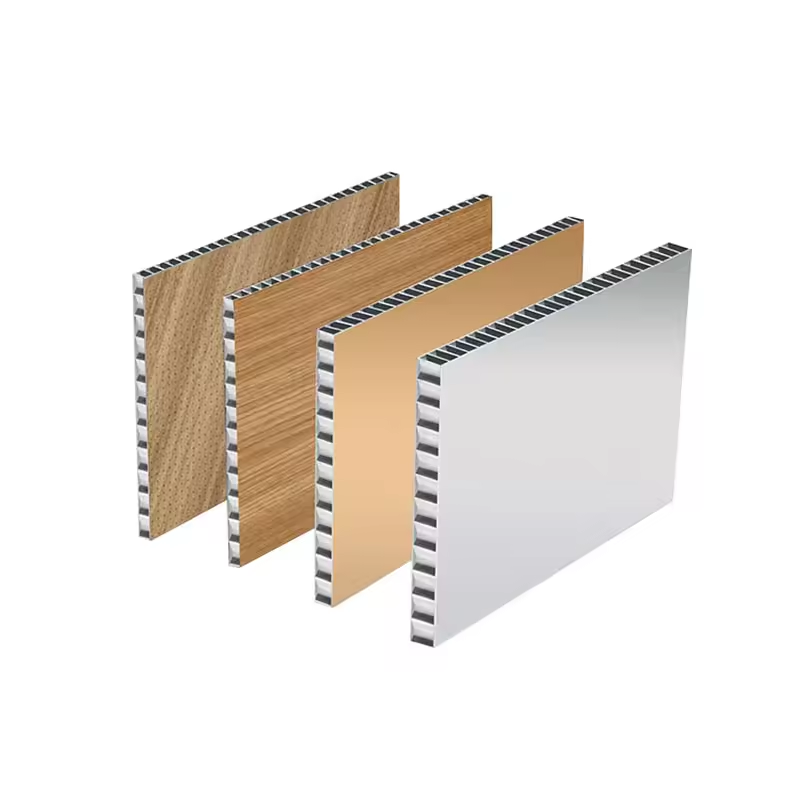
“The modern manufacturing environment—driven by the demand for weight reduction in industries such as automotive, aerospace, and rail—has accelerated the adoption of hybrid structures. These structures often combine high-strength aluminum alloys with advanced composite materials, including carbon fiber–reinforced polymers (CFRP), sheet molding compounds (SMC), and fiber-reinforced polymers (FRP). Effectively bonding these dissimilar materials is a key factor in achieving high strength-to-weight ratios while enabling the realization of complex and innovative designs.
Challenges in Bonding Aluminum to Composite Panels
Adhesion complexity
Bonding aluminum to composite panels poses significant technical challenges because the adhesive’s strength depends not directly on the base metal, but primarily on the thin natural oxide layer covering the aluminum surface. This oxide forms rapidly in air but is often defect-rich, easily contaminated, and unstable. If the oxide layer is of poor quality or contains impurities, the bond can fail prematurely—even when the adhesive itself meets high mechanical standards.
To ensure durable adhesion, surface preparation is essential. Processes such as degreasing, sanding, chemical treatment, or applying a conversion coating remove weak oxides, increase surface energy, and promote stronger bonding.
Galvanic corrosion between aluminum and carbon fiber composites (CFRP)
One of the most critical challenges in bonding CFRP to aluminum is the risk of galvanic corrosion. Carbon fibers are highly conductive and act as a strong cathode, while aluminum, being more reactive, serves as the anode. In the presence of moisture or an electrolyte, this hybrid system creates a highly efficient electrochemical cell, causing rapid aluminum corrosion and bond degradation.
The solution is to electrically insulate the two materials completely — using stable insulating layers such as primers, E-coatings, or electrically non-conductive adhesives. Recent studies focus on low-temperature-curing adhesives to minimize thermal stress while optimizing protective coatings to maintain balanced conductivity and prevent long-term galvanic corrosion.
CTE mismatch (Coefficient of Thermal Expansion)
Another major issue is the mismatch in thermal expansion between aluminum and structural composites. Aluminum has a high CTE, while materials such as CFRP exhibit near-zero expansion. Under cyclic temperature changes (e.g., during paint-baking or alternating hot/cold environments), residual thermal stresses develop within the adhesive layer.
If the adhesive is too stiff or has low elasticity, these stresses can accumulate and cause cracking or delamination over time. Therefore, selecting an adhesive with high flexibility and strain-absorbing capability is crucial for maintaining mechanical integrity and long-term bond performance.
Surface energy and contamination control
Bond strength depends directly on the chemical and mechanical interactions between the adhesive and the substrate. However, aluminum surfaces are often contaminated with rolling oils, cutting fluids, or stamping compounds, while composites may retain mold-release agents such as silicone. These contaminants reduce surface energy, preventing proper wetting and adhesion.
Thus, achieving durable, stable bonds requires strict surface treatment control — including precise degreasing, thorough cleaning, and surface activation steps before bonding.
Advantages of Adhesive Bonding in Applications
Adhesives are increasingly used to bond outer aluminum skins to composite cores (e.g., foam or fiberglass sandwich panels) and to attach panels to vehicle frames.
Unlike mechanical fastening methods (rivets, screws), adhesives distribute stress evenly across the bonded surface, preventing stress concentration and leakage.
For example, modern refrigerated trailers often use fiberglass–composite sandwich panels to reduce weight and improve thermal insulation. Structural adhesives bond panel edges and seal joints to maintain insulation efficiency.
In practice, adhesives eliminate the need for drilling and riveting—which can puncture vapor barriers—and significantly reduce vehicle weight.
In vehicle body assembly
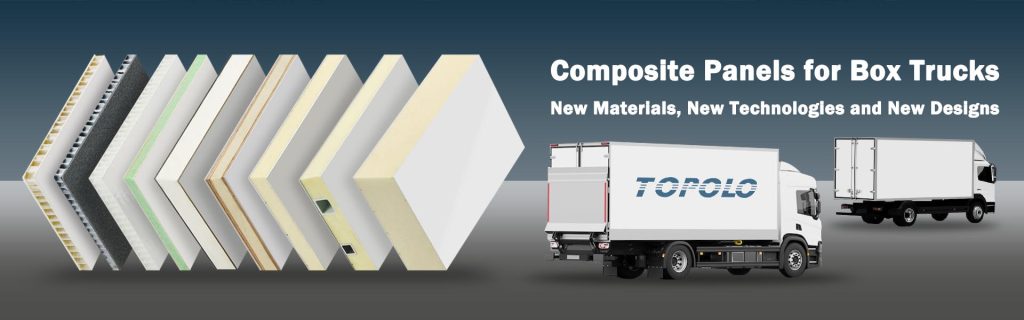
In automotive body manufacturing, epoxy and polyurethane adhesives are widely used to bond dissimilar materials such as aluminum, steel, plastics, and composites.
Today, more than 95% of metal-to-metal joints in OEM automotive production use epoxy adhesives due to their superior mechanical and thermal stability.
As a result, vehicles become lighter, stiffer, and more integrated, with fewer mechanical fasteners. NVH (noise, vibration, harshness) performance improves significantly—static stiffness can increase by about 10%, and fatigue lifeof bonded joints is greatly extended.
For refrigerated trucks, adhesives fully seal joints to protect insulated cabins from moisture and vapor, avoiding the “micro-movements” and leaks common with mechanical joints.
In summary, adhesive bonding technology enables high-strength, watertight connections between aluminum–composite hybrid structures, offering weight reduction, simplified assembly, and durability beyond what welding or riveting can achieve.
In construction applications
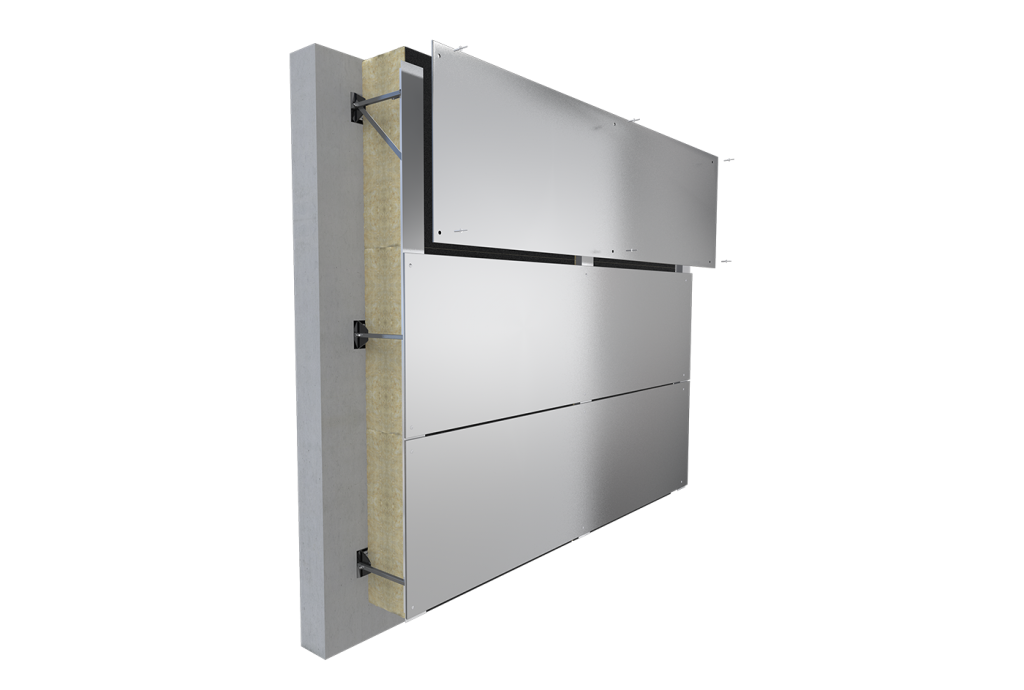
- Bonding and sealing joints between aluminum sheets and composite panels (PU, PIR, EPS, GFRP, etc.)
- Mounting aluminum–composite façade panels.
- Waterproof sealing of joints between aluminum frames and various panel materials.
- Bonding insulation boards, wall panels, ceilings, and metal–composite partitions.
- Airtight sealing in cold storage panels, cleanrooms, and environments requiring zero air or moisture leakage.
Key advantages of adhesives:
- Excellent adhesion to most common construction materials: aluminum, galvanized steel, composite, fiber cement board, PVC, glass, and painted surfaces — often without primer.
- High elasticity (200–400%), accommodating thermal expansion, structural movement, and differential motion between materials (e.g., aluminum–composite, aluminum–concrete).
- No shrinkage or cracking after curing; maintains airtight and watertight integrity.
- UV and weather resistant, ideal for outdoor structures such as façades, roofing, aluminum-panel frames, containers, factories, and cold rooms.
- Environmentally friendly — solvent-free, isocyanate-free, and low-odor; safer and cleaner than traditional polyurethane (PU) adhesives.
Why Choose SMP (Silyl-Modified Polymer) Adhesives

SMP (Silyl-Modified Polymer) adhesives – also known as MS Polymer adhesives – have become the preferred choice in the transportation industry for bonding metal to composite materials.
SMPs combine the best qualities of polyurethane and silicone adhesives while eliminating their common drawbacks. They are one-component, moisture-curing adhesives that form flexible, rubber-like bonds after curing.
A major advantage of SMP adhesives is their minimal surface preparation requirement: cleaned aluminum or composite surfaces can achieve strong adhesion without a primer.
SMPs are solvent-free, isocyanate-free, and low-odor, making them safer for workers and more environmentally friendly than traditional PU adhesives. After curing, SMP forms a permanently elastic bond with high elongation—typically 200–400%—providing excellent flexibility and vibration resistance.
SMPs also offer outstanding UV and weather resistance: they maintain elasticity and bond strength under sunlight and long-term aging, whereas many polyurethane adhesives tend to yellow or degrade over time.
Compared with epoxy adhesives, SMPs trade stiffness for flexibility—their lap shear strength is typically 1–2 MPa on aluminum, while epoxies can exceed 20–30 MPa. However, the lower modulus and higher elongation of SMPs allow them to absorb differential thermal expansion between aluminum and composite substrates, preventing joint cracking or delamination.
SMPs cure at room temperature and remain flexible, while epoxies are usually two-part, rigid, and heat-curing. Compared with PU adhesives, SMPs contain no reactive isocyanates, offer better UV resistance, and can be painted over easily. For example, SMP sealants can often be painted shortly after skin formation, without waiting for full cure—helping speed up production.
Today, many OEM manufacturers have replaced polyurethane with SMP adhesives in vehicle body bonding applications.
In summary, SMP adhesives provide the convenience of a one-part system, primerless adhesion to metals and composites, high elasticity, and superior weathering stability—making them an ideal solution for aluminum–composite bonding where flexibility and thermal movement resistance are essential.
Contact Information
Hitta is a trusted provider of advanced adhesive and tape assembly solutions from leading global brands.
With a highly experienced technical team across multiple industries, we not only supply products but also deliver tailored bonding solutions that optimize your existing processes and address your specific application challenges.
If you are looking for a high-performance, durable, and reliable adhesive solution, let HITTA be your partner — from consultation to implementation.
- ☎️ Hotline: 0565.336.879
- ✉️ Email: hittajsc@hitta.vn





