
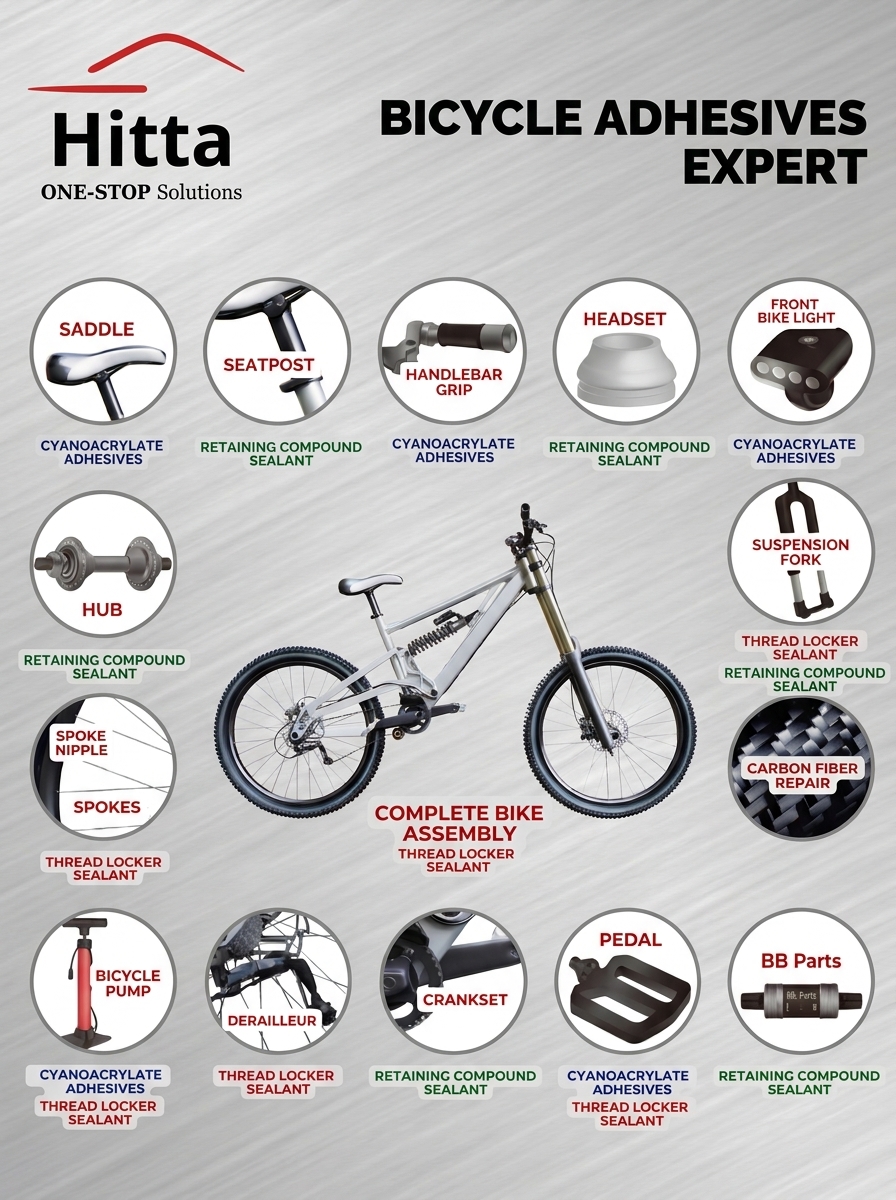
In the context of a rapidly transforming global bicycle manufacturing industry, traditional mechanical fastening and thermal welding methods are increasingly giving way to advanced chemical bonding technologies. This transition is driven by the continuous pursuit of weight reduction, enhanced structural rigidity, and the integration of complex, heterogeneous materials such as carbon fiber reinforced polymers (CFRP), titanium, and high-modulus aluminum alloys.
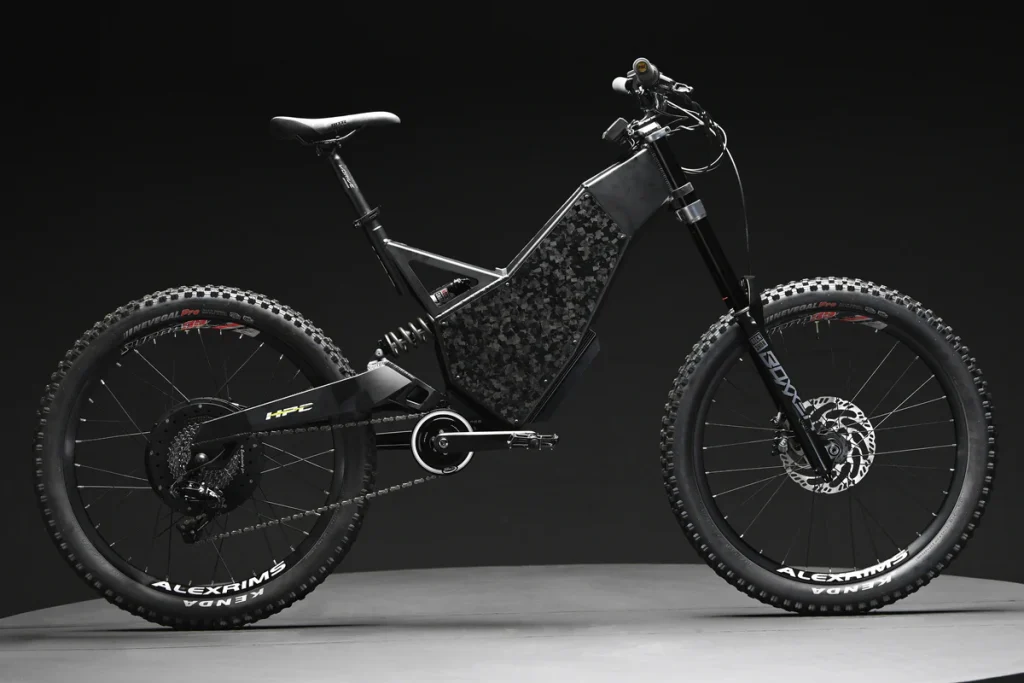
As the market shifts toward high-performance road bikes and next-generation e-bikes, industrial adhesives have become the silent structural backbone of modern assembly lines. Adhesive solutions go far beyond simple bonding—they enable uniform stress distribution, electrical insulation against corrosion, vibration damping, and unprecedented design flexibility that conventional welding or mechanical fastening simply cannot achieve.
Contact Information
Hitta is a trusted provider of a wide range of adhesive and assembly tape solutions from leading global brands. Backed by a technically experienced team with hands-on expertise across diverse applications, we go beyond product supply—we deliver optimized, application-specific solutions tailored to each customer’s unique challenges.
If you are seeking a bonding solution that is efficient, durable, and reliable — let HITTA support you from consultation to implementation.
Contact Hitta today for the most suitable solution.
☎️ Hotline: 0565.336.879
✉️ Email: hittajsc@hitta.vn
Why Are Industrial Adhesives Replacing Traditional Fastening Methods in Bicycle Manufacturing?
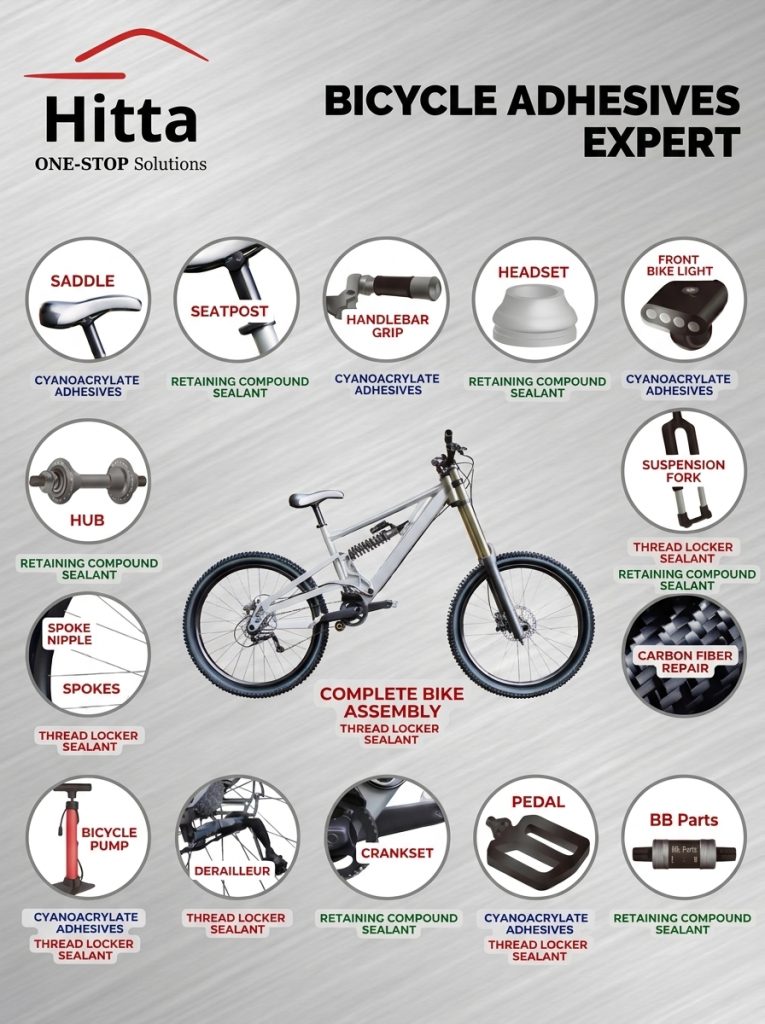
Industrial bonding applications in the bicycle industry rely on the critical balance between adhesion (the attraction between adhesive and substrate surfaces) and cohesion (the internal strength of the adhesive itself). To ensure joint durability throughout the demanding lifecycle of high-performance bicycles, adhesives must achieve molecular-level interactions with substrates through van der Waals forces, chemical bonding, or mechanical interlocking.
Weight Reduction, Aerodynamic Optimization, and Stress Distribution
Weight is a fundamental factor in cycling performance, particularly for racing and ultra-light road bikes. Advanced carbon fiber frames can reduce average frame weight by 15% to 20%, significantly enhancing climbing efficiency and handling responsiveness.
Engineering analyses indicate that adhesive-bonded joints exhibit significantly lower stress concentration factors (typically between 1.18 and 1.28) compared to mechanical fasteners or welded joints, which can increase localized stress by up to 300%. This even stress distribution allows manufacturers to use thinner, lighter materials—contributing to up to a 30% reduction in overall structural weight.
Additionally, eliminating excess hardware such as nuts, bolts, rivets, and washers removes unnecessary weight penalties. Structurally, adhesives also provide superior aesthetics through seamless, invisible joints and smooth bond lines, further enhancing aerodynamic efficiency.
Prevention of Galvanic Corrosion Between Dissimilar Materials
Modern bicycle designs often incorporate multi-material assemblies, such as bonding carbon tubes to aluminum or titanium lugs. Aluminum is particularly susceptible to corrosion when in direct contact with carbon fiber due to significant differences in electrochemical potential.
This corrosion risk affects not only bonded lugs but also critical areas such as bottom bracket shells, head tubes, seat tubes, water bottle mounts, and derailleur hangers.
Adhesives act as an insulating barrier, completely preventing direct contact between carbon and metal components, thereby eliminating galvanic corrosion. Some engineers also utilize glass-filled adhesives in fixtured assemblies to ensure physical separation during curing, maximizing electrical insulation performance.
Noise Reduction and Vibration Damping
One of the most valuable advantages of adhesives in bicycle frame design is their ability to function as a damping layer—absorbing shocks rather than amplifying them. This contributes to the so-called “magic carpet effect” found in high-end road bikes, delivering enhanced ride comfort, reduced rider fatigue over long distances, and improved fatigue life of the entire assembly.
Rigid adhesive joints also help prevent micro-movements between components, minimizing the risk of unwanted noise caused by loosening parts.
UV Adhesives
UV-Curing Adhesives are truly revolutionizing modern bicycle manufacturing lines, particularly in the e-bike segment and integrated electronic systems. Unlike traditional adhesives that require extended curing times or elevated temperatures, UV adhesives introduce an entirely new production paradigm: “instant fixation on demand.”
Working Mechanism
UV adhesives are typically one-component (1K) systems based on Epoxy, Acrylic, or Cyanoacrylate chemistries. Their defining characteristic lies in the inclusion of photo-initiators—molecules that react to specific wavelengths of ultraviolet (UV) or visible light (commonly 365 nm or 405 nm LED).
Upon exposure, these photo-initiators rapidly decompose, generating free radicals or cations that trigger cross-linking reactions, curing the adhesive within seconds.
However, in mechanical assemblies, UV light cannot penetrate opaque materials (such as metals or carbon composites) to reach the bond line. To overcome this “shadow area” limitation, engineers employ Dual-Curing Technology:
- Step 1 – Light Fixation: Adhesive exposed at the joint edges cures instantly (typically under 10 seconds), acting as an “invisible clamp” to secure components in place.
- Step 2 – Shadow Cure: Adhesive in concealed areas continues curing through secondary mechanisms such as anaerobic reactions (oxygen absence), moisture curing, or a mild post-heat cycle.
Thanks to their ultra-fast curing speed, UV adhesives are inherently suited for automation and high-volume production(enhancing UPH – Units Per Hour).
Magnet Bonding in E-Bike Motors
In compact e-bike motors, bonding rare-earth magnets (neodymium) to rotor or stator cores presents a significant engineering challenge. Mechanical retention methods add weight and risk damaging brittle magnets.
Dual-cure UV adhesives have become the industry standard. Leading e-bike motor manufacturer Fazua utilizes this technology in its ultra-lightweight (~4 kg) drive units.
In this process, robotic systems dispense a thin adhesive layer (<100 microns) into the bonding gap, position the magnets, and immediately cure exposed adhesive with UV light—eliminating the need for mechanical fixtures (fixation-aid-free). The adhesive beneath the magnets then cures via anaerobic mechanisms.
Beyond speed, the adhesive layer also provides vibration damping, significantly reducing operational noise in e-bike motors.
Protection of Electronics, Sensors, and Displays (Glob Tops & Potting)
Modern e-bikes and high-performance bicycles integrate numerous sensors (torque, cadence), controllers, and even rear-view cameras.
- PCB Encapsulation (Glob Tops): UV adhesives (typically epoxy-based with ultra-low ionic content) are dispensed over exposed chips, curing instantly to form a dielectric protective barrier against moisture, salt, and corrosion.
- Optical Components: For bonding displays or camera lenses, Optically Clear Adhesives (OCA) are used. These adhesives offer exceptional transparency and low shrinkage, preventing optical distortion or stress-induced cracking.
Aesthetic Repair of Carbon Frames & Plastic Components
A more refined application of UV adhesives lies in finishing and detailing:
- Surface Defect Repair: During carbon frame molding, microscopic pinholes may occur. UV adhesives are used to fill these imperfections, cured instantly, then sanded smooth before final coating.
- Cosmetic Component Bonding: Used for attaching logos, metal nameplates, and internal cable grommets. Modern UV adhesives are engineered for low outgassing, meaning they cure cleanly without leaving white residue (blooming)—a critical requirement for high-gloss premium finishes.
They also exhibit excellent adhesion on low surface energy plastics such as PP and PE.
UV adhesives are not intended for DIY structural repairs like fixing a broken bicycle frame. They are a high-precision engineering solution designed for advanced manufacturing environments.
By eliminating reliance on mechanical fixtures and long curing times, UV adhesives play a pivotal role in accelerating the mass production of compact, high-performance components—especially in pushing e-bike technology to new levels of precision, refinement, and efficiency.
Structural Epoxy Adhesives
Structural epoxy adhesives are indispensable materials and serve as the structural backbone in the manufacturing and assembly of carbon fiber reinforced polymer (CFRP) bicycle frames. Since carbon composite materials cannot be thermally welded like conventional metals—and mechanical fastening would compromise structural integrity—epoxy adhesives have emerged as the optimal solution.
Below is a detailed technical analysis of why structural epoxies are specifically engineered for carbon frames, along with their key properties and performance advantages:
Why Epoxy is the Preferred Choice for Carbon Frames
- Preservation of Carbon Fiber Integrity
Drilling holes in carbon frames for rivets or bolts severs continuous carbon fibers, creating initiation points for delamination, dramatically increasing stress concentration and reducing fatigue life. Epoxy adhesives bond components without disrupting fiber continuity, distributing loads evenly across the entire bond line rather than concentrating stress at discrete نقاط. - Exceptional Mechanical Strength
Structural epoxies provide the highest overall strength among adhesive systems under various loading conditions, including shear, peel, tensile, and impact forces. High-performance epoxy systems used in bicycle frames can achieve lap shear strengths ranging from 15 to 50 MPa (equivalent to several thousand psi). - Prevention of Galvanic Corrosion
Carbon fiber is electrically conductive. When directly coupled with metals—especially aluminum—in the presence of electrolytes (water, road salts, or sweat), rapid galvanic corrosion can occur. Epoxy adhesives function as a dielectric insulating barrier, fully isolating carbon from metal components and eliminating this failure mechanism. - Gap-Filling Capability
In tube-and-lug carbon frame construction, manufacturing tolerances inevitably create small gaps. Epoxy adhesives exhibit excellent gap-filling properties (typically 0.1 mm to 5 mm) with minimal shrinkage during curing, compensating for these tolerances while ensuring precise geometry and structural integrity. - Vibration Damping and Impact Resistance (Toughened Formulations)
Modern epoxy systems are often toughened, incorporating advanced modifiers that prevent brittleness. These formulations allow the adhesive layer to absorb dynamic loads, resist impacts, and withstand continuous high-frequency vibrations encountered in real-world cycling conditions such as rough terrain or high-speed descents.
Critical Surface Preparation Requirements
The primary limitation of structural epoxies—compared to alternatives like MMA adhesives—is their stringent surface preparation requirement. Contaminants such as oils, grease, or mold release agents (commonly present after carbon molding) can lead to bond failure.
To achieve maximum bond performance, carbon frame surface preparation typically includes:
- Degreasing using solvents such as isopropanol
(industrial alcohol or white spirits should be avoided due to residue risks) - Light mechanical abrasion using fine sandpaper (e.g., 320 grit) or Scotch-Brite pads to remove surface gloss and increase surface area
- Secondary cleaning to remove carbon dust generated during abrasion, followed by complete drying prior to adhesive application
Due to these stringent requirements, some advanced bicycle manufacturers have adopted plasma surface treatment technologies, enabling molecular-level cleaning and activation instead of manual abrasion.
When proper surface preparation is combined with optimized joint design, structural epoxy adhesives create permanent, high-performance bonds capable of efficiently transferring loads across the structure.
This allows carbon bicycle frames to fully realize their key advantages—ultra-lightweight construction, superior stiffness, and effective vibration damping—while maintaining long-term durability and structural reliability.
Methyl Methacrylate (MMA) Adhesives
Methyl Methacrylate (MMA) adhesives are two-component structural acrylic systems (resin and hardener), typically formulated with rubber modifiers and toughening agents. In advanced industries such as bicycle manufacturing, aerospace, and automotive, MMA has emerged as a breakthrough alternative to epoxy adhesives, offering an exceptional balance between ultra-fast curing speed and high mechanical performance.
Below are the key technical characteristics that make MMA adhesives a powerful solution for modern assembly lines:
On-Demand Curing at Room Temperature
Speed is the defining advantage of MMA adhesives compared to many structural systems. They cure rapidly at ambient temperature without the need for external heat. Typical fixture times range from 5 to 15 minutes, enabling assembled parts to move quickly to subsequent production stages.
This rapid strength development is critical for improving cycle times in high-volume manufacturing environments.
Outstanding Impact and Peel Resistance
Despite their fast curing, MMA adhesives do not compromise on strength. They provide lap shear strength in the range of 20–30 MPa.
What sets MMA apart from traditional epoxies is its higher flexibility and reduced brittleness, resulting in superior peel strength, impact resistance, and fatigue performance. MMA adhesives effectively absorb dynamic loads and are highly capable of filling large gaps within bonded joints.
High Tolerance to Surface Preparation
This is a major cost-saving advantage in both labor and process complexity. Unlike epoxies—which require rigorous surface preparation (abrasion and degreasing)—MMA adhesives demand minimal surface treatment.
In most cases, a simple solvent wipe is sufficient. Remarkably, MMA chemistry allows for strong bonding even on lightly oily surfaces or untreated (“as-received”) substrates.
Additionally, MMA systems offer good tolerance to off-ratio mixing, maintaining bond integrity even when mix ratios are not perfectly controlled.
Multi-Material Bonding Expertise
MMA adhesives excel in bonding dissimilar materials with different coefficients of thermal expansion. They exhibit excellent adhesion to a wide range of substrates:
- Metals: Aluminum, steel, stainless steel
- Composites: Carbon fiber (CFRP), fiberglass
- Thermoplastics: ABS, polycarbonate, PVC, and acrylic
In bicycle manufacturing, MMA is commonly used for bonding aluminum components (such as cable guides) to painted carbon frames, attaching plastic parts to structural elements, or fixing magnets to metal housings in e-bike motors.
They also provide strong environmental resistance, including durability against weathering, chemicals, and outdoor exposure.
Limitations to Consider
- Strong Odor and Flammability
Uncured MMA adhesives emit a strong chemical odor and are flammable. Proper ventilation and strict adherence to fire safety protocols are essential during application. - Temperature Resistance Limits
MMA adhesives typically operate within a temperature range of -50°C to 150°C. For applications requiring higher thermal resistance, epoxy or specialized high-temperature adhesive systems are more suitable.
MMA adhesives offer a compelling combination of speed, toughness, and process flexibility, making them an ideal choice for high-throughput, multi-material assembly processes.
Their ability to reduce surface preparation requirements while maintaining strong, durable bonds positions them as a high-efficiency solution in modern bicycle and e-bike manufacturing.
Anaerobic Adhesives
Beyond structural bonding adhesives used for frame assembly, anaerobic adhesives play a critical role in ensuring that mechanical components in bicycles remain secure under dynamic operating conditions.
The unique chemistry of anaerobic systems allows them to cure only in the absence of oxygen and in the presence of active metal ions (such as iron or copper).
Threadlockers
Bicycles are subjected to continuous high-frequency vibrations and multi-axis shocks, which can cause threaded fasteners to lose preload—often within as few as 50 to 100 vibration cycles.
Threadlockers work by filling the microscopic gaps between mating threads and curing into a thermoset plastic matrix. This not only prevents self-loosening but also seals the threads against moisture and chemicals, effectively preventing corrosion and thread seizure.
They are typically classified by strength grades (low, medium, high) depending on disassembly requirements.
Retaining Compounds
These are high-strength anaerobic adhesives designed to secure non-threaded cylindrical components.
In modern bicycle assembly, they are increasingly used for:
- Press-fit bottom brackets
- Headset cups
- Bearing retention in hubs or frames
A common issue in carbon frames is “creaking” noise, often caused by micro-movements between bearings and their housings. Retaining compounds eliminate air gaps and ensure 100% surface contact, preventing movement and noise while significantly improving torsional and shear strength.
Their use also allows engineers to shift from costly and risk-prone interference fits (which may damage carbon structures) to more forgiving slip-fit assemblies combined with adhesive bonding.
Cyanoacrylate Adhesives (CA)
Cyanoacrylate adhesives—commonly known as “super glue” or instant adhesives—are among the most widely used one-component systems in industry due to their extremely fast curing speed.
Unlike epoxy or MMA systems, CA adhesives cure at room temperature via anionic polymerization, triggered by trace moisture present on material surfaces. This eliminates the need for mixing, heat, or clamping fixtures.
Ultra-Fast Performance
- Fixture time: 5–30 seconds
- Full strength: within 24 hours
Multi-Material Adhesion
Standard CA adhesives bond exceptionally well to:
- Metals
- Engineering plastics (ABS, polycarbonate)
- Rubber (including EPDM and silicone)
For low surface energy (LSE) plastics such as PE, PP, or PTFE, the use of a primer enables CA adhesives to achieve substrate failure-level bonding.
Key Advantages
- Transparent, colorless bond lines (high aesthetics)
- Shear strength: typically 10–25 MPa (1450–3600 psi)
- No mixing, no heat, no fixturing required
Limitations
- Brittleness: High tensile/shear strength but poor impact and peel resistance
- Gap limitations: Effective only with very tight fits (typically <0.1 mm)
Typical Applications
- Small component assembly
- Bonding nameplates, reflectors, rubber pads, decorative plastic/carbon parts
- On-site O-ring fabrication: Engineers combine CA with rubber cord to create custom seals within seconds
- Repair & disassembly: Bonds can be softened using solvents such as acetone, nitromethane, or specialized debonders
Polyurethane (PU) Adhesives
Polyurethane adhesives are essential structural and sealing materials known for their high flexibility, energy absorption, and shock resistance.
While epoxy and MMA provide rigid load-bearing joints, PU excels in areas subjected to vibration, impact, and environmental sealing requirements in bicycles and e-bikes.
Core Technical Properties
- Flexibility & fatigue resistance: Low modulus enables excellent vibration damping and thermal expansion compensation
- Lap shear strength: typically 5–15 MPa
- Operating temperature range: approx. -40°C to 100°C
- Multi-material adhesion: composites, plastics, rubber, wood, concrete, and some metals
- Low shrinkage: prevents surface distortion (“read-through”) on thin composite panels
PU systems are available in multiple forms: flexible, semi-rigid, and reactive hot-melt (PUR).
Applications in Bicycles & E-Bikes
The growing complexity of modern bicycles—particularly with the rapid rise of e-bikes—has significantly elevated the performance requirements for adhesive technologies.
Carbon Frame Assembly and Metal Joint Integration
Carbon fiber frames demand extremely stringent manufacturing processes. At leading manufacturers such as Giant Bicycles in Taiwan, frames and composite forks are not simply made from conventional pre-preg sheets. Instead, they begin with dry carbon fiber rolls, which are arranged into unidirectional plies.
These plies are then infused with customized two-part epoxy resins through a highly controlled process. A single frame can consist of over 500 individual carbon fiber pieces, laser-cut with exceptional precision (ranging from 0.5 cm to 20 cm), and carefully layered onto internal and external molds.
Once the raw structures are cured and formed, they undergo cleaning before being assembled into substructures. These subassemblies are then bonded together—typically using specialized structural epoxies—and cured within precision alignment jigs, prior to final finishing and painting.
When joining carbon frames to metal components (such as lugs or inserts), engineers often prefer titanium over aluminum or steel, as it offers a similar coefficient of thermal expansion to carbon fiber and is inherently resistant to galvanic corrosion.
E-Bike Motors and Drivetrain Systems
Inside e-bike motors, adhesives are the preferred solution for bonding permanent magnets to the steel stator core (lamination stack). Traditional mechanical fastening methods are heavier and may damage brittle magnetic materials or their protective coatings.
Adhesive bonding ensures optimal magnet placement while preserving protective layers and minimizing the gap between magnets and windings—critical for achieving maximum motor efficiency.
Motor manufacturers such as Fazua utilize dual-curing adhesive systems in ultra-compact drive units (weighing as little as 4 kg). This technology enables:
- Light Fixation: UV-triggered curing hardens exposed adhesive edges in under 10 seconds, allowing immediate handling without bulky mechanical fixtures—significantly increasing production throughput (UPH).
- Shadow Curing: Adhesive in non-exposed areas continues curing via anaerobic or thermal mechanisms, ensuring a fully developed structural bond across the entire magnet interface. These adhesives also provide vibration damping, reducing operational noise—an essential requirement for premium e-bike systems.
Battery Pack Assembly and Sealing
Lithium-ion battery packs in e-bikes require advanced sealing solutions to meet IP67/IP68 standards, ensuring complete protection against water ingress—even under submersion.
Traditional mechanical gaskets are increasingly replaced or enhanced by Formed-In-Place Foam Gaskets (FIPFG). In this process, robotic systems dispense liquid polyurethane or silicone foam directly onto the battery housing groove, where it expands and cures in place.
A key advantage of adhesive-based sealing in this application is its removability and elasticity, allowing repeated opening and resealing for maintenance, repair, and second-life battery reuse—supporting the growing emphasis on circularity in the electric mobility industry.
Additionally, thermal management adhesives (thermally conductive silicone or epoxy systems) are used to bond battery cells and efficiently transfer heat to cooling systems.
Protection of Sensors and Electronics (Potting & Encapsulation)
Critical components such as torque sensors, cadence sensors, and electronic control units (ECUs) are protected using potting and encapsulation technologies.
In this process, the entire electronic assembly is encapsulated within liquid epoxy or silicone, forming a solid protective block. This provides:
- Long-term resistance to moisture, dust, road salt, and chemical exposure
- Mechanical reinforcement for delicate wiring and connections
- Vibration resistance under high-frequency drivetrain conditions
Companies such as Kohesi Bond offer custom potting epoxies with excellent thermal management properties and low coefficients of thermal expansion (CTE), ensuring dimensional stability and preventing stress-induced damage during temperature fluctuations.
Handlebar Grips, Brake Interfaces, and Peripheral Components
Beyond structural applications, adhesives also enhance ergonomics and aesthetics.
Handlebar grips must remain secure under continuous rider pressure while still allowing removal during maintenance. Specialized grip adhesives are engineered to provide:
- Water resistance and wear durability
- Strong adhesion to metals, composites, and rubber
- Stability under elevated temperatures (e.g., heated grips) without becoming brittle
Similarly, aluminum cable guides are often designed with pre-applied adhesive backing, allowing them to conform seamlessly to frame geometries while securely managing brake and shifting cables in a clean, integrated manner.
From structural bonding to sealing, damping, and electronic protection, adhesives are no longer auxiliary materials—they are core enabling technologies in modern bicycle and e-bike engineering.
They allow manufacturers to push the boundaries of lightweight design, multi-material integration, durability, and production efficiency, ultimately redefining what high-performance cycling systems can achieve.
Surface Preparation and Automation in Adhesive Assembly
The long-term durability of an adhesive bond is ultimately determined by the quality of surface preparation. In the bicycle industry—where substrates often include metals with unstable oxide layers or non-polar plastics—the bonding interface is the most common point of failure.
Plasma Surface Treatment and Chemical Cleaning
Traditional surface preparation typically involves three steps:
- Degreasing with volatile solvents (e.g., isopropyl alcohol)
- Mechanical abrasion (such as 320-grit sandpaper or Scotch-Brite) to remove oxide layers and increase surface area
- Final cleaning to eliminate debris
However, in high-volume automated production, manual abrasion lacks consistency and repeatability.
Plasma surface treatment has emerged as a transformative alternative. Plasma cleaning operates at the molecular level, completely removing organic contaminants while activating chemically inert surfaces—without the need for liquid chemicals.
This process creates an exceptionally reliable bonding surface for structural adhesives, effectively eliminating the risk of delamination in CFRP assemblies.
Robotic Integration in Adhesive Application
The bicycle industry—aligned with Industry 4.0 principles—is increasingly adopting robotic systems to ensure the precision required for high-performance adhesive bonding.
At facilities such as the BMC Impec factory, industrial robots are used throughout the entire carbon fiber braiding and tube molding process, optimizing fiber architecture for specific load paths.
Subsequent stages involve robotic resin injection, effectively forming a structural bonding network that permeates the entire fiber matrix.
Similarly, Giant Group employs its proprietary Smart Laminate Technology, where multi-axis robotic arms equipped with sensors precisely place between 200 and 500 individual carbon plies per frame. This ensures uniform adhesive distribution between layers and eliminates defects.
In parallel, Giant’s AI-assisted aluminum manufacturing enables robotic cutting and welding with high precision, ensuring seamless integration of electric motors and battery systems within the frame structure.
Real-Time Quality Control (QC) in Automated Lines
The integration of adhesives into automated production lines enables real-time quality control.
UV-fluorescent tracers are incorporated into adhesives, allowing machine vision systems—under ultraviolet light—to verify the presence, continuity, and volume of adhesive beads before component assembly.
This level of repeatability ensures that every frame and battery pack meets stringent safety and performance standards.
International Testing Standards (ISO 4210 & ASTM D429)
Adhesively bonded structures in bicycles must comply with rigorous international testing standards, most notably ISO 4210: “Cycles — Safety requirements for bicycles.”
- Fatigue Testing
Frames and forks are subjected to cyclic loading (e.g., ±800 N) for over 300,000 cycles to ensure adhesive joints maintain integrity under repeated stress. - Impact Testing
Loads of up to 225 N are dropped from specified heights to simulate collisions or severe road impacts (e.g., potholes). Adhesive joints must resist fracture and permanent deformation. - Environmental Resistance (ASTM D429)
Bonded samples undergo chemical immersion testing to evaluate resistance to degreasers, oils, and salt exposure—ensuring long-term durability in outdoor conditions.
Additionally, 90° and 180° peel tests, along with shear testing (Method C), accurately measure the force required to induce interfacial failure—closely simulating real-world loading conditions in bicycle frame joints.
Guidelines for Selecting Optimal Adhesive Solutions in Manufacturing
For bicycle manufacturers (OEM/ODM), selecting industrial adhesives is a multi-variable engineering decision that requires a structured and systematic evaluation framework.
Assessment of Load Requirements and Substrates
- Identify Substrates
Determine the materials to be bonded: metal-to-metal, plastic-to-metal, or carbon-to-metal.
For example, carbon-to-metal bonding is typically best served by MMA or epoxy systems, while rubber bondingis more effectively handled by cyanoacrylate adhesives. - Define Load Types
Understand the dominant stresses acting on the joint: tensile, shear, peel, or cleavage forces.
Rigid epoxies excel under shear loading, whereas flexible adhesives such as polyurethane perform better under peel stress and vibration. - Thermal Cycling Considerations
Outdoor operation exposes bicycles and e-bikes to continuous temperature fluctuations, leading to differential expansion between substrates and adhesives (due to mismatched coefficients of thermal expansion, CTE).
Repeated thermal cycling can induce fatigue in bonded joints. For applications involving power electronics or motors, adhesives with higher elongation should be prioritized to absorb deformation. - Gap Size Evaluation
Cyanoacrylate adhesives are effective only for very tight fits (<0.1 mm), whereas epoxies can accommodate gap ranges from 0.1 mm up to 5 mm, making them more versatile for structural assemblies.
Production Process Optimization
In manufacturing, time directly translates to cost efficiency. Therefore, adhesive selection must consider both open time and full curing time.
For continuous production lines:
- UV-curing adhesives (fixture in seconds)
- MMA adhesives (fixture within 5–15 minutes at room temperature)
offer significant advantages over epoxy systems, which may require elevated temperatures or extended curing times to achieve handling strength.





