
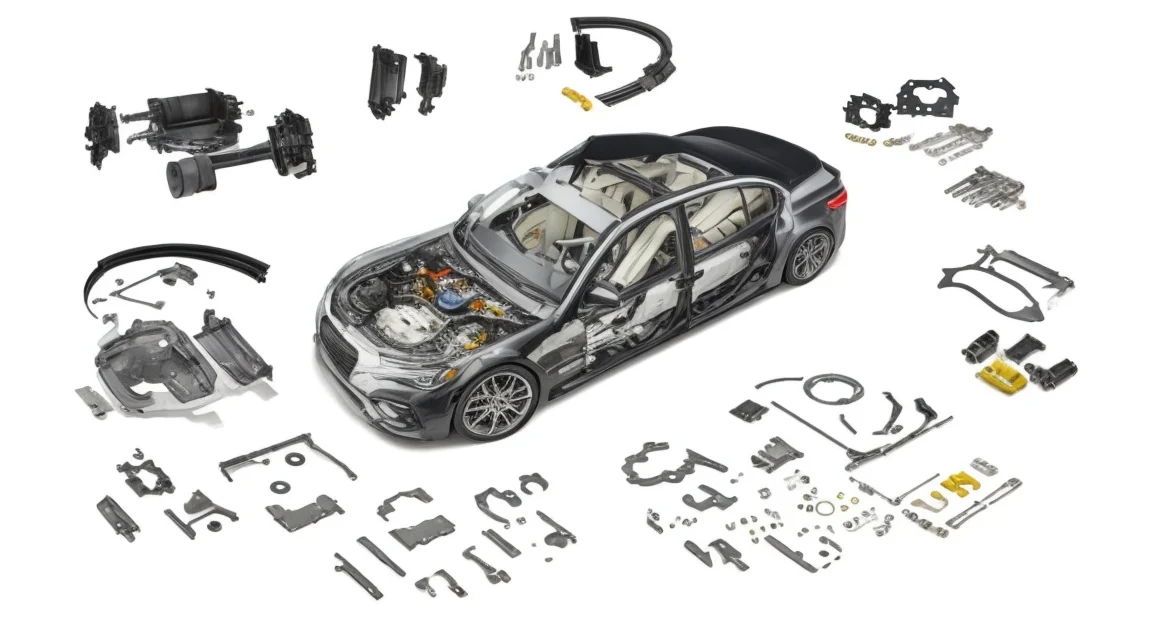
Polyethylene terephthalate (PET) is a widely used plastic across various industries due to its mechanical strength, load-bearing capability, and excellent recyclability. However, to achieve reliable and long-lasting bonding of PET, it is essential to select adhesives that meet the specific technical requirements of each application.
What is PET Plastic?
PET (Polyethylene terephthalate) is a thermoplastic polyester produced through the polycondensation of ethylene glycol and terephthalic acid (or its dimethyl ester). Its polymer structure consists of repeating –OC–(CH₂)₂–CO–C₆H₄–CO– units, resulting in a material that is strong, lightweight, and possesses excellent barrier properties.
Physical and Thermal Properties:
- Density: ~1.38 g/cm³.
- Tensile Strength: 60–75 MPa (higher when oriented into fibers or films).
- Elongation at Break: 50–100% or more, especially for biaxially oriented films.
- Glass Transition Temperature (Tg): ~70–80 °C.
- Melting Point: ~250–260 °C.
- Working Temperature Range: Unreinforced PET begins to lose stiffness around 70 °C; however, glass-fiber-reinforced or semi-crystalline PET can withstand up to ~115 °C depending on the grade.
- Moisture Absorption: Very low (<0.5% by weight), contributing to dimensional stability and excellent electrical insulation.
- Flame Resistance: PET is combustible but can be modified to meet UL 94 HB flammability standards, and some specialized formulations can be made self-extinguishing.
| Property | Value |
|---|---|
| Polymer Type | Thermoplastic polyester (from ethylene glycol + terephthalic acid) |
| Density | ~1.38 g/cm³ |
| Glass Transition (Tg) | ~67–81 °C |
| Melting Point | ~250–260 °C |
| Tensile Strength (Ultimate) | ~60–75 MPa |
| Tensile Yield Strength | ~50 MPa |
| Elongation at Break | ~50–100% (higher for oriented fibers/films) |
| Moisture Absorption | ~0.1% (24 h immersion) – very low |
| Thermal Stability | Loses strength above ~70 °C; short-term use up to ~115 °C if semi-crystalline |
| Chemical Resistance | Excellent against most acids, oils, and solvents; poor resistance to strong bases (alkaline hydrolysis) |
| Recyclability | Highly recyclable (Resin Identification Code #1); can be remelted and reprocessed with minimal property loss |
| Primary Applications | Bottles and food packaging; polyester fibers (textiles); films (e.g. Mylar in electronics); engineering components in automotive and appliances |
Key Properties of PET Plastic
Chemical Resistance:
As a polyester-based material, PET exhibits good resistance to a wide range of solvents, acids, and oils at room temperature. This is one of the key reasons why PET is widely used in food and beverage packaging applications. However, strong alkalis (high pH) can hydrolyze PET over time, especially at elevated temperatures (e.g., during exposure to cleaning agents).
Its combination of chemical stability, durability, and low gas permeability (to oxygen and CO₂) makes PET an ideal material for packaging applications.
Challenges in Bonding PET:
Due to its inert and highly stable nature, bonding PET often requires specialized adhesives or surface pretreatment to achieve strong and durable adhesion. PET has a surface energy of approximately 44 mJ/m²—which is higher than polyolefins like PP but lower than metals—so adhesives must be capable of wetting the surface effectively and forming strong bonds.
Adhesive Solutions for PET Bonding in the Automotive Industry
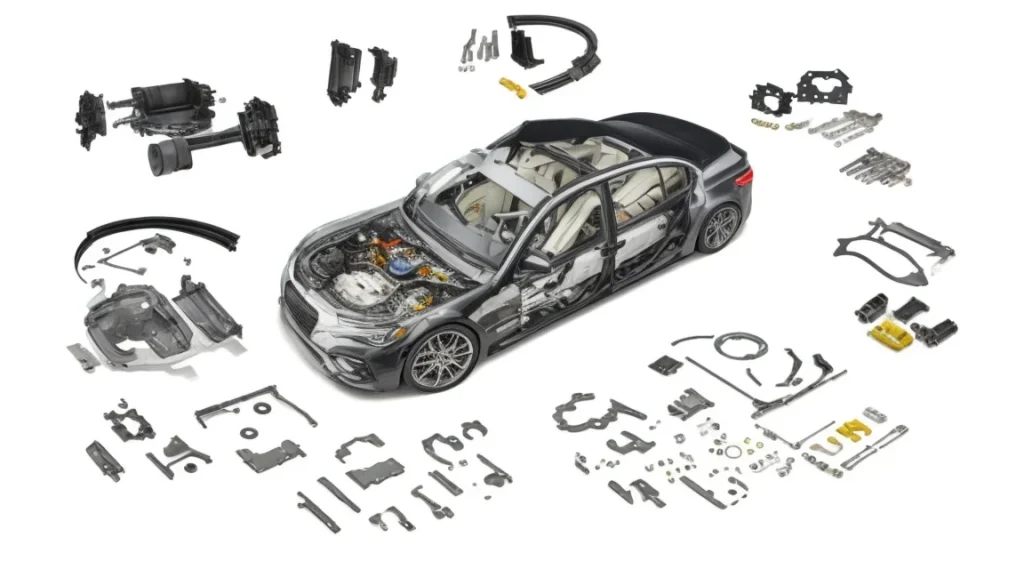
In the automotive industry, adhesives are increasingly used to bond plastics—including PET and PET-containing composites—to metals or other plastics. This shift away from mechanical fasteners and welding helps reduce vehicle weight and enhances design flexibility.
However, any adhesive used in automotive applications must withstand harsh operating conditions, including:
- Wide temperature fluctuations
- Strong vibrations and mechanical shock
- Exposure to fuels, lubricants, road salt, and UV radiation
For example, electronic components or under-the-hood parts may be exposed to temperatures ranging from –40 °C to over 150 °C. As such, thermal stability is a critical requirement. Adhesives used in automotive electronics often feature a high glass transition temperature (Tg) and low coefficient of thermal expansion (CTE) to handle thermal cycling, while also offering resistance to moisture, chemicals, and vibration. Some specialized automotive adhesives are also designed to meet flammability standards such as UL 94 V-0.
Another challenge is bonding low-surface-energy plastics. While PET has a moderate surface energy (~44 mJ/m²), many automotive plastics like polypropylene or polymer blends have even lower surface energies. Modern structural adhesives—especially two-component polyurethanes and acrylic adhesives—have been developed to bond these materials without requiring a primer, simplifying the manufacturing process.
A practical example is a two-part polyurethane adhesive that can reliably bond materials such as PP, PC/ABS, or PC/PET blends without surface pretreatment. These adhesives create strong yet elastic bonds (with elongation around 300%), effectively accommodating thermal expansion mismatches between plastic components and metal frames—an especially common challenge in automotive assemblies.
Suitable Adhesive Types
1. Structural Acrylic Adhesives
- Can achieve high bond strength on untreated PET surfaces.
- Fast curing; excellent resistance to oils, fuels, and various solvents.
- Commonly used for interior assembly or under-hood plastic parts where fast fixturing and durable bonds are required.
2. Cyanoacrylate Adhesives (“Instant” Adhesives)
- Provide ultra-fast bonding to PET but often require a primer for long-term durability.
- Suitable for small parts or quick repair applications.
- Limitations: brittle, weak at temperatures above 80 °C, and poor resistance to polar solvents such as glycol or brake fluid.
- Therefore, mostly used for non-structural or temporary bonds.
3. Two-Component Epoxy Adhesives
- Widely used for structural bonding, even between dissimilar materials.
- PET surfaces usually require pretreatment (e.g. plasma or flame treatment) for optimal adhesion.
- Offer very high bond strength and excellent chemical resistance.
- Capable of withstanding continuous temperatures of 120–150 °C, with some grades up to 200 °C.
- Toughened epoxy variants are used for bonding PET housings, sensors, or connectors in engine compartments exposed to vibration and thermal shock.
4. Polyurethane (PU) Adhesives
- Available in two-part, one-part moisture-cure, or reactive hot-melt forms.
- Provide a good balance between strength and flexibility.
- Good resistance to impact and vibration; typically withstand temperatures up to 100 °C.
- Ideal for bonding PET foam, acoustic materials, or PET fabrics in vehicle interiors.
- Common applications include headliner attachment, acoustic insulation, and fabric-to-frame bonding.
5. Silicone and MS Polymer (SMP) Adhesives
- Not suitable for high-load structural bonding.
- Ideal for bonding or sealing PET components exposed to high temperatures, such as headlamp assemblies or display screens.
- Silicone adhesives remain elastic from –60 °C to 250 °C and bond well to PET, glass, and metals.
- SMP adhesives (silyl-modified polymers) cure like silicones but are isocyanate-free; they can bond PET composite panels without surface pretreatment while maintaining PU-like flexibility.
Adhesive Classification by Properties and Key Applications
This content is for reference only. Please contact HITTA for tailored consultation based on your company’s specific application requirements and production processes.
| Adhesive Type & Example | Key Properties | Typical Automotive Uses |
|---|---|---|
| Two-Component Polyurethane (2K PU) | High elasticity (elongation ~300% – suitable for low-surface-energy plastics); strong, flexible bonds; primerless adhesion; cures at room temperature (faster with heat). | Bonding large exterior plastic parts (e.g., bumpers, spoilers, roof trims) made of PP, PC/PET blends. Accommodates thermal expansion and provides durable, weather-resistant joints. |
| Structural Acrylic Adhesive | High bond strength even on untreated PET; fast curing (within minutes); excellent resistance to solvents and fuels. | Used for bonding PET components in interiors or under the hood (e.g., PET to metal brackets, PET clusters in instrument panels). Ideal for fast, reliable bonding without surface treatment. |
| Two-Component Epoxy Adhesive | Rigid, chemically and thermally resistant; service temperature ~–50 to 150 °C (up to 200 °C for high-temp grades); high shear strength but typically rigid (toughened variants offer limited peel strength). | Used in high-stress areas: bonding PET to metal or composites (e.g., sensor housings, electrical connectors, or potting electronics on PET substrates). Suitable for harsh thermal and mechanical environments. |
| Silicone Adhesive / Sealant (High Temp) | Extremely high heat resistance (~250 °C continuous); UV stable, elastic, vibration dampening, excellent gap-filling; relatively lower mechanical strength. | Used for bonding or sealing PET parts exposed to heat or requiring flexibility: e.g., PET gaskets in headlamps, dust covers, display modules, or PET foam heat shields near the engine. |
| Cyanoacrylate (“Instant” Adhesive) | Instant fixturing (seconds); strong initial bond on small areas; brittle; temperature limit ~80 °C; poor resistance to polar solvents and moisture (primer needed for PET). | Quick bonding of small PET parts during assembly – e.g., temporarily attaching PET clips or emblems, bonding O-rings, cable ties. Typically used for non-structural, low-stress components where speed is critical. |
Note: In the automotive sector, surface preparation is critical when bonding PET and other plastics. If a structural adhesive is not specifically formulated for PET, manufacturers often apply surface treatment methods such as flame treatment or plasma activation to increase surface energy and improve adhesion.
In addition, adhesive selection should also take into account the need for thermal resistance that exceeds PET’s own heat limit—for example, certain acrylic or cyanoacrylate adhesives formulated for PET can tolerate temperatures beyond ~70 °C.
In practice, this means the PET part is likely to deform from heat before the adhesive bond fails, which actually provides an added safety margin under extreme operating conditions.
Adhesive Solutions for PET Plastic in the Electronics Industry
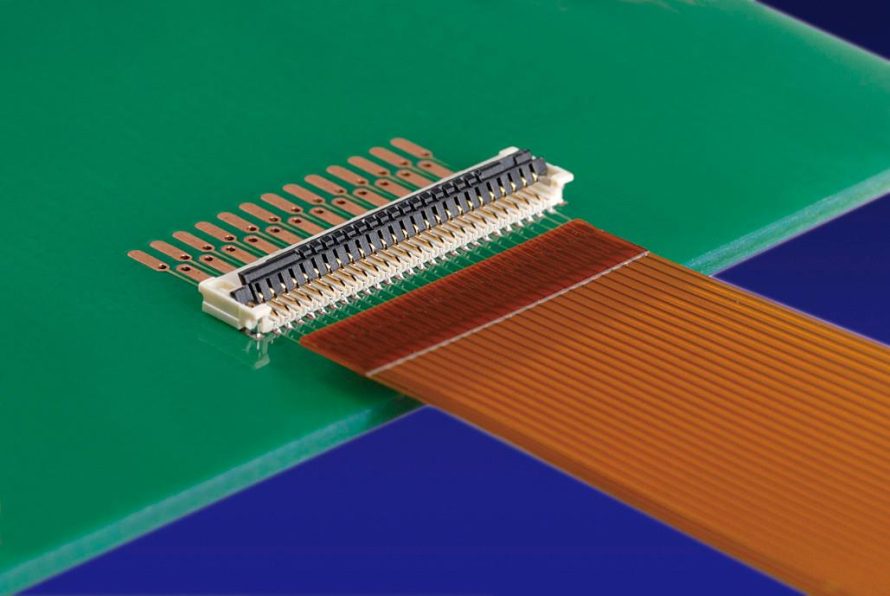
The electronics industry uses PET in various forms — from PET films in flexible printed circuits and display components to housing parts and internal modules. Adhesives play a vital role in electronics manufacturing, used for bonding, encapsulating, and assembling components involving thin PET substrates.
Technical Requirements
- Thermal stability: Electronic components typically operate in the 60–120 °C range.
- Moisture resistance: Essential to prevent malfunctions in humid environments.
- Low outgassing: Helps avoid contamination of sensitive parts.
- Electrical insulation: Most adhesives must be non-conductive unless otherwise required.
- Flame retardancy: Many applications must comply with UL 94 V-0 standards.
Recommended Adhesive Types
Epoxy and Polyurethane (PU) Adhesives
Epoxy adhesives (typically two-part or heat-curable) are widely used for bonding and potting electronic components. They offer strong adhesion to PET, especially when the surface is treated with plasma or abrasion, and provide rigidity with excellent environmental protection.
Electronics-grade epoxies are designed with high glass transition temperatures (Tg) and low coefficients of thermal expansion to withstand thermal cycling. Some formulations also contain thermally conductive fillers for heat dissipation in high-power components.
Applications:
- Bonding flexible PET circuits to rigid frames
- Potting PET-bodied connectors
- Dampening vibration and moisture ingress
PU adhesives are more flexible and suited for soft encapsulation needs. Though not as rigid, they absorb shock effectively and maintain decent adhesion.
Silicone Adhesives and Sealants
Silicone-based adhesives (including RTV and gel potting types) are key for applications requiring elasticity and thermal resistance. They adhere well to PET (primers may enhance bonding) and accommodate differential expansion between PET and dissimilar materials like metal or silicone.
Applications:
- Encapsulating sensors or display modules using PET
- Sealing PET touch panel edges or flat cable interfaces
- Providing cushioning and thermal resistance near heat sources
Specialized silicone grades are designed to be non-corrosive, low in volatile emissions, and compliant with UL V-0 fire safety standards.
UV/Light-Curable Acrylic Adhesives
These adhesives are ideal for high-speed electronics assembly. They remain fluid for easy positioning, then cure within seconds under UV or visible light.
Applications:
- Laminating optical PET films onto display surfaces
- Bonding PET-based diffusers in LED units
- Sealing display frames or control panels
Once cured, they leave dry, tack-free surfaces, which is essential for high-aesthetic products.
Optically Clear Adhesives (OCA)
These are highly transparent acrylic or silicone adhesives, available as liquid (LOCA) or film. They maintain clarity over time without yellowing and are used for bonding multi-layer display components.
Applications:
- Laminating PET-based touch sensors with outer glass layers
- Screen assembly for smartphones, tablets, and automotive displays
OCAs must match the optical index of adjoining materials to avoid image distortion and must handle mechanical stress from thermal expansion differences.
Double-Sided Adhesive Tapes (PSA)
These tapes consist of pressure-sensitive acrylic adhesive coated onto PET film. They provide instant tack and controlled thickness for lightweight bonding without liquid adhesives.
Applications:
- Attaching PET labels or insulation films
- Securing foam spacers, shields, or insulation pads in laptops and handheld devices
Standard PSA tapes operate up to ~100 °C, while high-performance grades can handle up to 150 °C with good humidity and thermal cycling resistance.
Adhesive Classification and Application Guide
This content is for reference only. For tailored consultation based on your specific process and technical requirements, please contact HITTA.
| Adhesive Types & Typical Examples | Key Properties | Common Applications in Electronics |
|---|---|---|
| Two-part Epoxy Adhesives & Potting Compounds (Electronics Grade) | High strength, rigid bonding with high Tg (typically >100 °C) and low CTE for long-term thermal stability. Excellent electrical insulation. Can be filled for thermal conductivity. Many grades are low outgassing and UL94 V-0 rated. | Bonding and potting PET-based electronic components: e.g. potting sensors on PET flexible circuits, attaching PET connector housings to PCBs, or sealing wires insulated with PET films. Also used to secure PET film capacitors and inductors in power modules. |
| Silicone Adhesives & Sealants (Electronics Grade) | Wide operating temperature range (~–60 to 200 °C), remains elastic and vibration-absorbing. Strong moisture resistance. Slow cure (several hours), but can be accelerated with heat. Electrically insulating (or conductive if formulated). Low outgassing – ideal for sensitive components. | Protection and sealing of PET-mounted components: e.g. potting LED modules with PET boards, bonding flexible PET circuits to rigid frames (stress-absorbing), or adhering PET display films to housings. Also used for conformal coating of PET circuits in harsh environments. |
| UV/Light-Curable Acrylic Adhesives | Cures within seconds under UV or visible light – ideal for high-speed assembly. Tunable flexibility/hardness; some grades are optically clear. Strong adhesion to plastics (PET, PC, ABS), metals, and glass. Solvent-free. | Fast assembly of PET parts in consumer electronics: e.g. bonding PET cover lenses to plastic frames, attaching PET sensors in watches/smartwatches, or assembling compact electronic modules in appliances. Also used in LCD/OLED screen manufacturing for precise bonding. |
| Optically Clear Adhesives (OCA) | Acrylic or silicone-based film/gel, high transparency and non-yellowing. Maintains adhesion under heat and humidity. Some grades allow repositioning before final bonding. Thickness typically ~50–300 μm. | Laminating PET display layers with glass or other optical stacks: e.g. bonding PET touch sensors to protective glass in smartphones or automotive displays. Ensures bubble-free bonding for high optical clarity and touch sensitivity. |
| Double-Sided Adhesive Tapes (PSA) with PET Carrier | Dry-bonding solution with pre-applied acrylic adhesive on PET film. Instant tack, medium heat resistance (~90–120 °C), strong peel strength. Newer grades offer ultra-thin profiles and die-cut precision. | Mounting lightweight parts and insulation layers: e.g. attaching PET EMI shielding films, foam layers, PET speaker diaphragms, or securing ribbon cables and wires in phones, TVs, or laptops. Ideal when liquid adhesives are unsuitable, ensuring clean, precise application. |
Adhesive Solutions for PET Plastics in Home Appliance Manufacturing
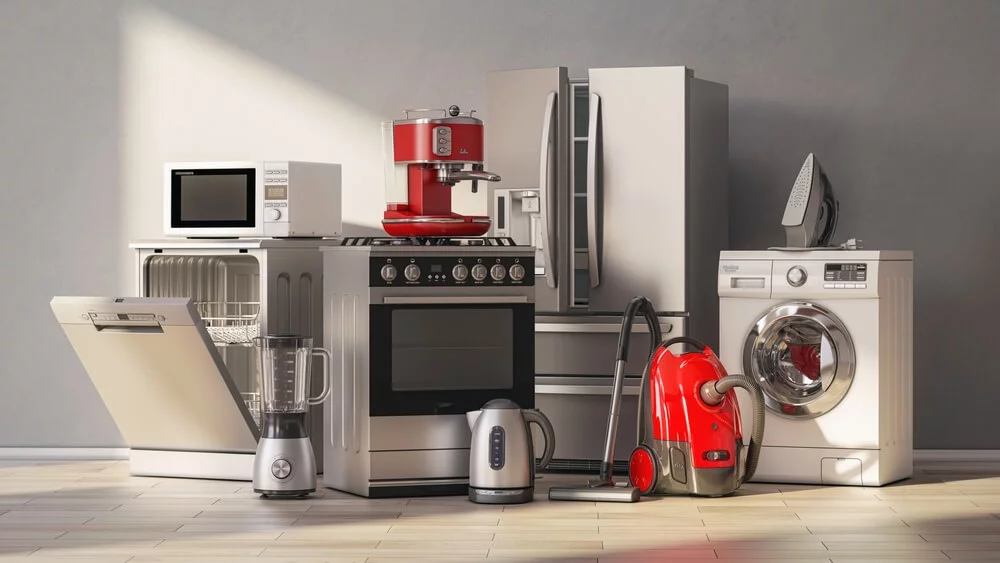
In the home appliance industry (including refrigerators, washing machines, ovens, microwaves, etc.), mechanical fastening and welding have traditionally been the main methods of assembly. However, adhesives are now widely used to bond metal-to-metal or plastic-to-plastic components in modern manufacturing processes.
Many components in home appliances are made from PET plastic or PET-based composites, such as:
- Liners and shelves inside refrigerators
- Washing machine or dishwasher tubs and pump components
- Control panels and decorative trims
- PET plastic covers and bezels
Key Technical Requirements:
- Moisture and chemical resistance: Adhesives must withstand water, detergents, and oils in kitchen and laundry environments.
- Thermal flexibility: Must tolerate a wide temperature range, from –20 °C (freezer compartments) to over 250 °C (oven zones).
- Elasticity and vibration absorption: To prevent bond failure under thermal shock, expansion, and vibration.
- Sealing capability: Can replace rubber gaskets or pre-formed foam seals, enhancing thermal insulation and energy efficiency.
- Aesthetic finish: Enables hidden bonding, eliminating visible rivets or screws, and contributing to seamless, modern designs.
Example: Bonding a glass cooktop to a metal housing for strong, leak-proof, and visually clean assembly.
Recommended Adhesive Types
1. Epoxy Adhesives:
Ideal for structural joints requiring high strength and resistance to heat and chemicals.
Applications: Bonding PET pumps to washing machine motors, air duct assemblies in dryers, or components inside microwaves and coffee machines.
Some formulations are food-safe, steam-resistant, and gap-filling (up to several millimeters)—suitable for molded plastic parts with large tolerances.
Primarily used where high rigidity is needed without elasticity.
2. Polyurethane (PU) & Silane-Modified Polymer (SMP) Adhesives:
One-component, moisture-curing systems that adhere well to PET, ABS, and PVC without primers.
Remain elastic after curing—ideal for bonding dissimilar materials with different thermal expansions (e.g., glass to PET or metal frames).
SMPs are solvent-free, isocyanate-free, and safer for workers and the environment.
Applications: Bonding plastic liners to metal refrigerator frames, fixing gaskets, or compensating for thermal expansion in foam-insulated panels.
3. Silicone Adhesives:
Indispensable for high-temperature and waterproof sealing applications.
Applications: Bonding ceramic glass cooktops, oven door glass, or sealing control panels.
Can withstand continuous temperatures of 200–300 °C—well above PET’s limits.
Some grades adhere strongly to PET and remain flexible post-cure.
Also suitable for in-place gasket formation, reducing the need for separate rubber seals.
4. Hot-Melt Adhesives:
Polyamide or reactive PU-based, melt during application and cure upon cooling.
Perfect for high-speed automated assembly lines.
Applications: Bonding PET foam insulation in refrigerators, securing wires, clips, and edge trims.
Temperature resistance typically from –40 °C to ~100 °C, with excellent plastic adhesion and fast processing times.
5. Specialized Adhesives (Butyl, UV-Curable, Cyanoacrylate):
- Butyl-based adhesives: Soft, tacky, and thermally conductive—used for mounting heat-exchange tubing to refrigerator cabinets for improved cooling efficiency.
- UV-curable adhesives: For decorative PET panels and control displays; cure within seconds under light.
- Cyanoacrylate (instant adhesives): Used for logos, buttons, and small parts; typically for quick fixes or temporary bonding before final assembly.
Adhesive Classification by Properties and Key Applications
| Adhesive Type & Typical Examples | Key Properties | Practical Applications in Home Appliances |
|---|---|---|
| Epoxy Adhesives (1K or 2K) | Rigid bonding with high mechanical strength; resistant to water, detergents, and heat. Many variants resist steam, boiling water, and aggressive cleaners. Some are food-safe certified. Cures at room temperature or can be heat-accelerated. | Structural bonding and sealing in humid/high-temp areas: e.g., bonding plastic pump housings or washing machine tubs (leak prevention), mounting PET plates or brackets inside dishwashers, or potting electrical connectors and temperature sensors in refrigerators. Also used to attach PET decorative panels to metal surfaces. |
| Polyurethane & SMP (Elastic Adhesives) | Elastic bonding that absorbs vibration and thermal expansion. Adheres well to most plastics, glass, and metals without primers. Maintains flexibility from –40 to ~100 °C. SMPs are isocyanate-free, low-VOC – safer for workers and the environment. | Bonds dissimilar materials while sealing: e.g., bonding oven glass doors to PET/metal frames (crack resistance), mounting PET control panels to washer/dryer chassis, or adhering PET freezer liners to outer cabinets. Provides insulation seal and withstands contraction in cold environments. |
| Silicone Adhesive (Heat-Resistant RTV Sealant) | Outstanding heat resistance (continuous 200 °C+, short-term up to 250–300 °C) while remaining flexible. Strong adhesion to glass, ceramics, metals, and many plastics. Water and mildew resistant – ideal for humid areas. Slow-curing, typically neutral or mildly acidic. | Waterproof and heat-resistant sealing: e.g., bonding stovetop glass to metal frame (preventing water ingress into circuits), bonding oven door glass, or forming heat-resistant gaskets for dryer doors or dishwasher lids. Also used for potting temperature sensors onto PET insulation near heat sources. |
| Hot Melt Adhesives (PUR or Polyamide) | Fast-setting, easy to apply: dispensed hot at 120–180 °C and solidifies on cooling. PUR type continues curing via moisture over 24h, increasing bond strength. Moderately flexible, tolerates cold/hot cycles (–40 to ~100 °C). Low VOC – suitable for automated lines. | High-speed assembly and insulation lamination: e.g., bonding PET foam or fiber to appliance housings (fridges, water heaters), panel bonding in freezers (sealing panel edges), or attaching trim, plastic fixtures to appliance bodies on production lines. |
| Cyanoacrylate Adhesives (Instant Adhesives) | Instant bonding of small parts with medium strength. Not durable under harsh conditions (poor heat and water resistance). Often used with accelerators or primers for better plastic adhesion. | Quick fixing of small components: e.g., bonding logos, labels, PET/Mylar decorative trims to device surfaces, securing cable clips or rubber pads inside units. Useful for rework or quick adjustments on assembly lines; not suitable for load-bearing or waterproof joints. |
In home appliance manufacturing, adhesives have proven highly effective in enhancing product performance and optimizing assembly processes. Compared to rivets or screws, adhesives create continuous bonds that not only secure components but also seal gaps, preventing the intrusion of water and air. This results in:
- Improved thermal insulation (by eliminating air leakage in insulated chambers)
- Noise reduction (as adhesive layers absorb vibration and resonance)
Selecting the right adhesive for each application requires balancing:
- Structural strength
- Flexibility
- Environmental resistance (temperature, humidity, chemicals, etc.)
For example, high-temperature silicone or epoxy adhesives are preferred in oven applications, while polyurethane-based adhesives are commonly used in refrigerators for flexibility at low temperatures.
Product design engineers often collaborate closely with adhesive suppliers to choose materials that meet regulatory standards, such as:
- Flame retardancy (UL standards)
- Food contact safety (NSF certification)
- Production requirements like fast fixture time or robotic dispensing compatibility.
Conclusion
To achieve strong and durable bonding with PET, it is essential to understand both the material’s characteristics and the specific requirements of each application. PET has moderate surface energy and limited heat resistance, which means:
- Either a specialized adhesive with strong direct adhesion (e.g., PET-specific acrylics) must be used,
- Or surface pretreatment (such as plasma treatment) is required to enhance adhesion.
Across the three main industries analyzed—automotive, electronics, and home appliances—PET is used in various forms, and adhesive selection reflects these differences:
- Automotive: PET bonding requires high strength, heat resistance, and chemical durability, suitable for harsh environments such as under-the-hood areas or structural components. Many modern adhesives can now bond plastics without primers, even on low-energy surfaces.
- Electronics: PET adhesives focus on precision, fast curing, and reliable performance under thermal and electrical stress. Examples include high-Tg epoxies, UV-cured adhesives for small components, or optically clear adhesives (OCA) for display assembly.
- Home appliances: PET adhesives must resist moisture, tolerate thermal cycling, and often serve dual purposes such as sealing (e.g., forming gaskets or insulating layers).
Across all sectors, leading adhesive manufacturers continue to develop advanced formulations optimized for PET and other engineering plastics—enabling stronger, lighter, and more reliable assemblies in vehicles, electronics, and consumer appliances.
By selecting adhesives that match the application’s thermal, chemical, and mechanical requirements, engineers can fully leverage PET’s advantages in today’s diverse manufacturing landscape.
Contact
Contact information
Hitta is a trusted supplier of a wide range of adhesive and bonding tape solutions from leading global brands. Backed by a team of experienced technical experts with hands-on knowledge across various industries, we offer not only premium products but also tailored consultation to optimize your existing processes—ensuring they meet specific requirements and project challenges.
If you are looking for a high-performance, durable, and reliable bonding solution, let Hitta be your partner—from consultation through to implementation.
Contact us today to discover the most suitable adhesive solution for your application.
✉️ Email: hittajsc@hitta.vn
☎️ Hotline: 0565.336.879





