In harsh industrial and maritime environments, choosing between sealants and technical tapes is not merely a matter of convenience—it is a critical engineering decision that directly affects structural integrity and product lifespan.
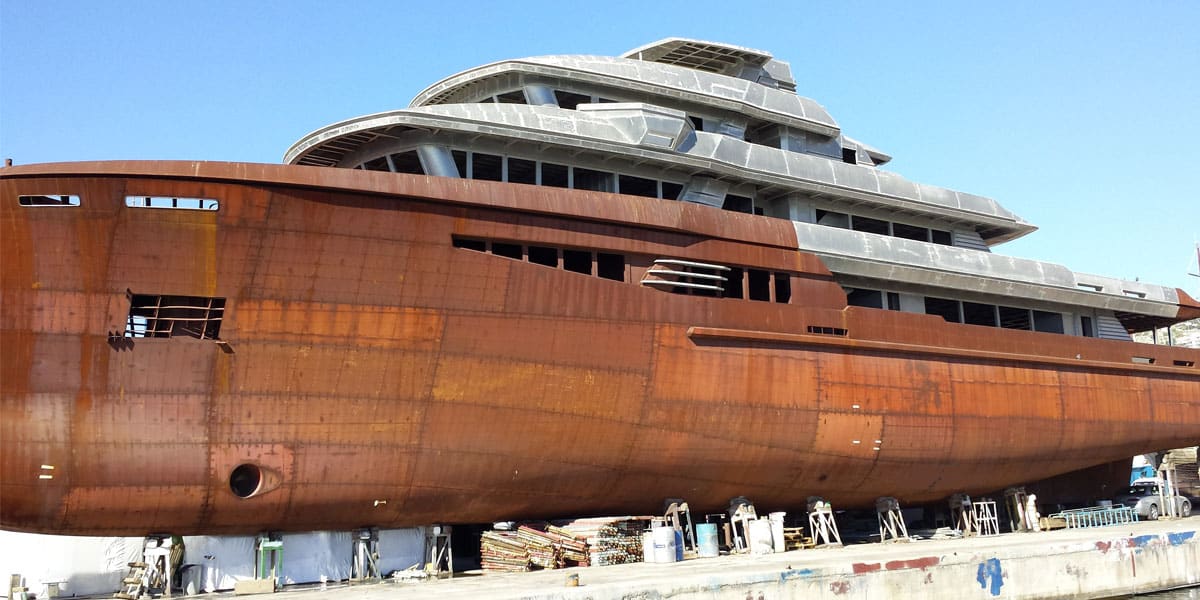
Sealants are liquid compounds (such as polyurethane, silicone, and hybrid formulations) designed to fill gaps and prevent the ingress of water, air, and contaminants. They function as a “liquid gasket,” capable of accommodating movement caused by thermal expansion and mechanical vibration.
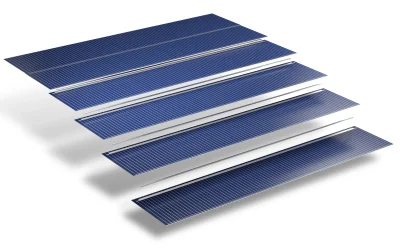
Technical tapes are viscoelastic acrylic foam tapes engineered to replace traditional mechanical fastening methods such as screws, rivets, and welding. They not only provide adhesion but also possess structural load-bearing capabilities.
When should you choose a Sealant?
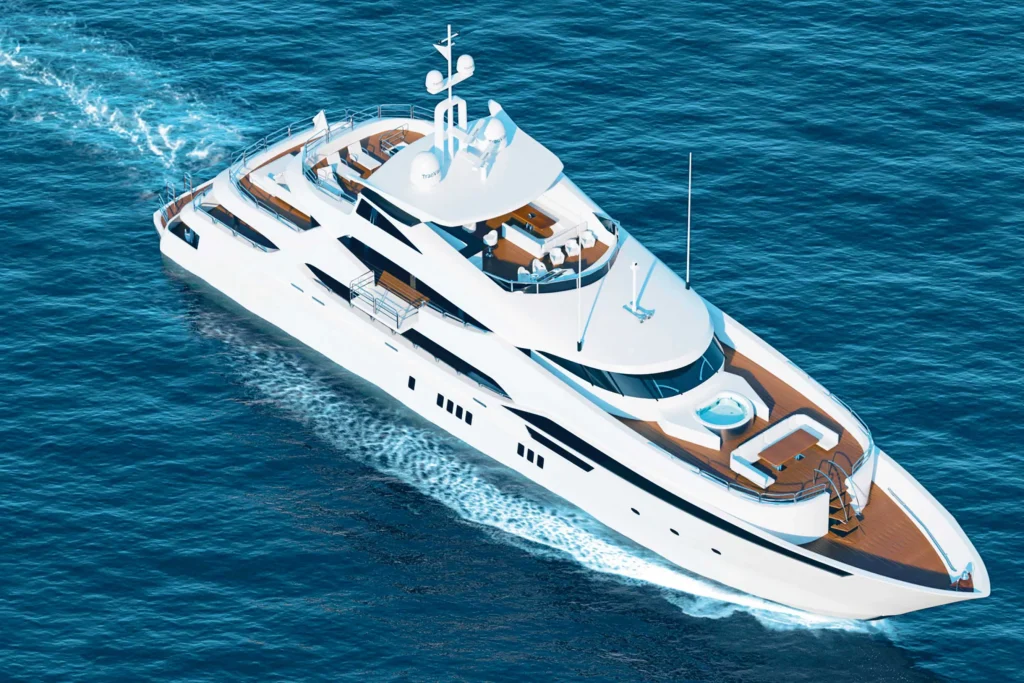
Sealants are the “king” when it comes to fluid management and filling irregular gaps.
Complex and variable joint geometries:
Liquid sealants excel at handling joints with varying gap sizes (e.g., from 1 mm to 5 mm) or complex 3D structures. They can flow into every crevice, ensuring a complete seal—something tapes often cannot achieve.
Submerged applications and hydrostatic pressure:
For areas frequently exposed to water, such as thru-hull fittings or deck bases, polyurethane sealants are the gold standard. They form permanent chemical bonds capable of withstanding extremely high water pressure without delamination.
Need for adjustability during assembly:
Sealants offer an “open time,” allowing technicians to adjust component positioning after application. This is critical in large or complex assemblies where precision cannot be achieved instantly.
Typical application areas:
Below the waterline and hull joints:
For constantly submerged areas like hull-to-deck joints or thru-hull fittings, sealants are the preferred solution. These applications demand high hydrostatic resistance and permanent bonding to ensure zero leakage.
Teak decking systems:
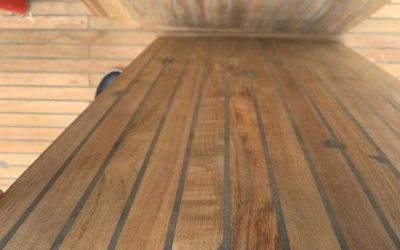
Teak decks require materials with excellent resistance to oil, fuel, and UV exposure. Sealants perform exceptionally well here, accommodating the wood’s expansion and contraction due to moisture changes without failure.
Large and variable gaps:
When assembly tolerances are wide or gaps range from 3 mm to over 10 mm, liquid sealants have a clear advantage. They can fully fill complex 3D voids, achieving a level of sealing that tapes struggle to match.
Electrical insulation and galvanic corrosion prevention:
At interfaces between dissimilar metals (e.g., stainless steel fittings mounted on aluminum masts), silicone sealants act as insulating gaskets, effectively preventing galvanic corrosion.
Full solution: Marine Sealants for Shipbuilding Applications
When should technical adhesive tape be used?
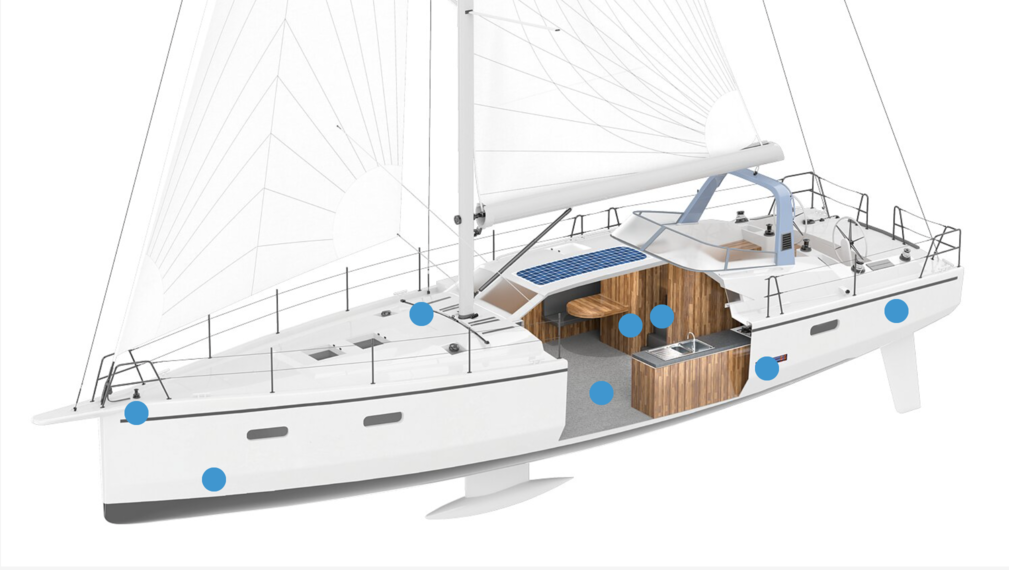
Technical adhesive tapes deliver breakthroughs in production speed and aesthetics.
Immediate bond strength: Unlike liquid adhesives that require hours to days to cure, adhesive tapes provide instant adhesion upon contact. This enables continuous production flow, allowing components to move to the next stage immediately without the need for jigs or clamps.
Stress distribution and vibration damping: Acrylic foam tapes exhibit viscoelastic properties, distributing both dynamic and static loads evenly across the entire bonded surface rather than concentrating stress at discrete points like screws or rivets. In high-vibration environments (such as engine compartments), the tape acts as a damping layer, preventing crack propagation and reducing noise.
Bonding dissimilar and thin materials: Adhesive tapes enable the joining of materials with different coefficients of thermal expansion (e.g., plastic to aluminum) by accommodating movement through internal deformation without compromising the bond. Additionally, since no drilling is required, tapes preserve surface aesthetics and prevent galvanic corrosion at metal interfaces.
Typical applications:
Panel-to-frame bonding: In the manufacturing of specialty vehicles or marine interiors, acrylic foam tapes are used to replace screws and rivets when bonding panels to structural frames. Their key advantage is uniform stress distribution across the entire bonding area, minimizing stress concentrations at drilled points and reducing material fatigue and surface damage.
Interior assembly, mirrors, and decorative panels: Technical adhesive tapes are ideal for applications requiring high aesthetics, such as mounting mirrors, decorative laminates, or control panels. They create a “hidden bond line,” avoiding the mess of liquid adhesives while providing instant adhesion, enabling uninterrupted assembly without fixturing.
Vibration and noise reduction points: In areas near engine rooms or ship cabins, adhesive tapes function as damping elements. The viscoelastic foam core absorbs high-frequency vibrations, reducing noise and preventing loosening of interior components over time.
Sealing cargo hatches and emergency repairs: For dry cargo hatches requiring immediate protection, mastic tapes (such as MarMac) provide an instant moisture barrier without cure time. Additionally, self-fusing silicone tapes are an optimal solution for wrapping leaking pipes in emergency situations.
Full solution: Adhesive Tape Solutions for Shipbuilding & Marine Applications
Comparison Table for Decision-Making
The choice between sealants and adhesive tapes depends on joint geometry and production requirements. If you need to fill large gaps and ensure permanent waterproofing under submerged conditions, sealants are the preferred option. If speed, aesthetics, and vibration resistance on flat surfaces are your priorities, technical adhesive tapes are the ideal solution. In many modern designs, engineers even combine both to maximize the advantages of each.
Comparison Criteria
| Criteria | Sealant (Liquid Adhesive) | Technical Adhesive Tape |
|---|---|---|
| Gap filling | Excellent (up to 10 mm or more) | Limited (typically < 2.3 mm) |
| Processing time | Requires curing time | Instant adhesion |
| Aesthetics | May be messy, visible bond lines | Clean, hidden bond line |
| Below waterline | Optimal solution | Not recommended for long-term submersion |
| Removability | Difficult (especially PU-based) | Easier (e.g., Butyl-based) |
Application-Based Selection Guide
| Location / Requirement | Optimal Solution | Technical Rationale |
|---|---|---|
| Submerged areas | Polyurethane sealant | Withstands water pressure, provides permanent bonding |
| Flat surfaces, panel bonding | Technical adhesive tape (VHB) | Distributes stress, instant adhesion |
| Large gaps (> 3 mm) | Liquid sealant | Flexible gap-filling capability |
| Interiors, mirrors, trims | Technical adhesive tape | Clean finish, high aesthetics, no clamping required |
| Teak decking | Polysulfide sealant | Resistant to chemicals, oils, and movement |
| Thin material bonding | Technical adhesive tape | Prevents surface deformation from drilling or welding |
Contact for Consultation
Hitta is currently a provider of a wide range of adhesive and assembly tape solutions from leading global brands. With a highly experienced technical team across various application fields, we not only supply products but also deliver optimized solutions tailored to your specific processes and challenges.
If you are looking for an efficient, durable, and reliable bonding solution — let HITTA accompany you from consultation to implementation.
Contact Hitta today for the most suitable solution.
☎️ Hotline: 0565.336.879
✉️ Email: hittajsc@hitta.vn