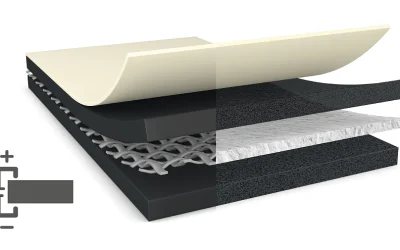
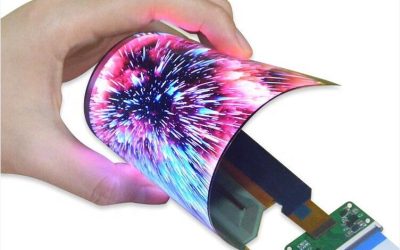
The global transition of payment and identification infrastructure from magnetic stripe technology to integrated circuit (IC) platforms represents not only a major advancement in electronics, but also a profound transformation in materials science. At the core of this evolution is the development of high-performance adhesive tape and film solutions, specifically engineered to bond and secure IC modules onto card bodies with high precision and reliability.
This article provides a comprehensive and systematic analysis of adhesive tape solutions for smart card chip bonding, with a focused emphasis on solid-state film/tape technologies. These advanced materials offer a superior alternative to conventional liquid adhesives, delivering enhanced technical performance, long-term reliability, and optimized process efficiency in high-volume manufacturing environments.
Contact for Consultation
Hitta is a trusted provider of a wide range of adhesive and assembly tape solutions from leading global manufacturers. Backed by a technically experienced team with hands-on expertise across diverse industrial applications, we go beyond product supply to deliver tailored solutions that optimize your existing processes and address specific operational challenges.
If you are looking for a bonding solution that is efficient, durable, and reliable — let HITTA support you from consultation through implementation.
Contact Hitta today to find the most suitable solution for your application.
☎️ Hotline: 0565.336.879
✉️ Email: hittajsc@hitta.vn
What Is Smart Card Chip Bonding Tape?
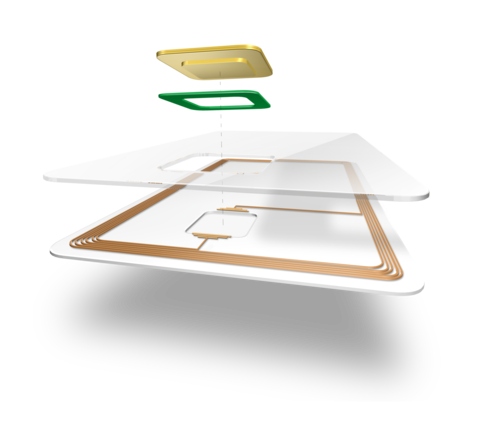
In this context, chip bonding tape is not merely a mechanical attachment layer, but rather a multifunctional “functional interface” that integrates multiple tightly controlled chemical and physical mechanisms.
Chemical mechanisms and bonding activation:
Most structural adhesive films are based on thermosetting or modified thermoplastic polymer systems, typically engineered in a “B-stage” (partially cured) condition. At this stage, the material exhibits little to no tack at room temperature, enabling precise handling and placement in automated production lines. Upon activation by heat and/or pressure during the module bonding process, the curing reactions complete, forming a robust cross-linked network that delivers high adhesion strength and long-term stability.
Interfacial material optimization:
A key technical challenge lies in ensuring compatibility across dissimilar substrates, including silicon (chip), metal (leadframe), and polymer card bodies (typically PVC, PET, or PC). Chip bonding tapes are formulated with specific functional groups to enhance surface energy and improve adhesion to each material type. This minimizes the risk of delamination throughout the card’s lifecycle, even under mechanical stress, temperature fluctuations, and humidity exposure.
Thermo-mechanical properties and reliability:
Beyond adhesion, the material must meet stringent mechanical requirements such as tensile strength, toughness, and stress absorption capability. In real-world use, smart cards are frequently subjected to bending, torsion, and minor impacts. The adhesive layer therefore acts as an intermediate buffer, redistributing stress and protecting the chip from cracking or failure. Additionally, the coefficient of thermal expansion (CTE) must be carefully matched to reduce internal stress caused by temperature variations.
Electrical conductivity and functional properties:
For certain applications, such as dual-interface cards or modules requiring direct electrical connection to an antenna, the adhesive may incorporate anisotropic conductive particles. These particles enable electrical conduction in the vertical (Z-axis) direction while maintaining insulation in the horizontal plane, ensuring precise interconnection without short circuits. Furthermore, some adhesive systems are engineered with optimized dielectric properties to avoid interference with RF performance in contactless cards.
Environmental stability and lifetime performance:
Finally, environmental resistance is a critical requirement. Chip bonding tapes must maintain performance under harsh conditions, including high humidity, thermal cycling, UV exposure, and contact with mild chemicals. Reliability validation typically includes accelerated aging tests, thermal shock testing, and delamination assessments.
In summary, chip bonding tape in smart cards is far more than a simple adhesive material; it is a high-performance engineering component, designed as a multifunctional interface to ensure performance, reliability, and manufacturability in modern high-volume production systems.
Key Smart Card Chip Bonding Tape Technologies
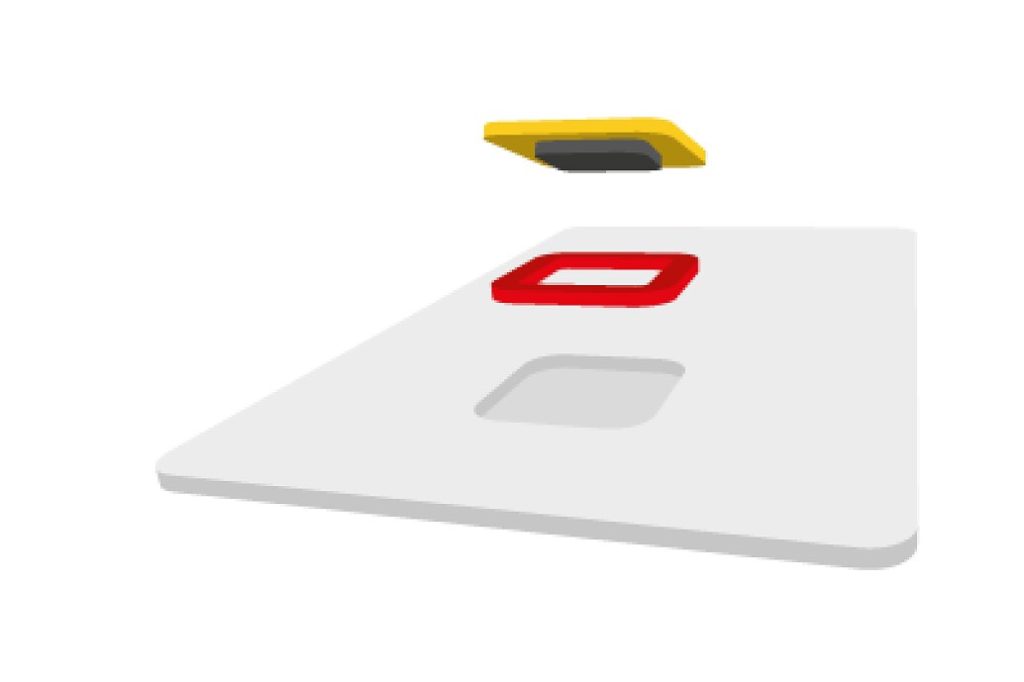
Heat-Activated Film (HAF)
In practical manufacturing, HAF is not merely an adhesive layer; it also functions as a stress-absorbing interlayer between materials with different coefficients of thermal expansion (such as silicon chips, metals, and card polymers). This is particularly critical under repeated thermal cycling, where it helps reduce the risk of cracking or delamination.
In addition, HAF contributes to:
- Maintaining precise module positioning during the lamination process.
- Preventing moisture and contaminants from penetrating the bonding interface.
- Ensuring surface flatness and overall mechanical integrity of the finished card.
Common technical issues with HAF (and root causes)
Weak bonding / delamination:
Caused by insufficient activation temperature, uneven pressure distribution, or contaminated surfaces.
Edge overflow:
Occurs when temperature is too high or pressure exceeds optimal levels, particularly in thermoplastic HAF systems.
Voids:
Result from trapped air during bonding, often related to process speed or suboptimal material viscosity.
Chip misalignment:
Occurs when the adhesive has not sufficiently set before the end of the bonding cycle, or due to inadequate mechanical control.
HAF technology trends
Next-generation HAF materials are being optimized in the following directions:
- Lower activation temperatures to support heat-sensitive components and reduce energy consumption.
- Shorter bonding cycles to meet high-throughput manufacturing demands.
- Enhanced environmental resistance, especially for high-humidity conditions.
- Improved mechanical performance, balancing stiffness and stress absorption.
Beyond basic parameters such as thickness, temperature, and pressure, HAF performance is also influenced by several critical process factors:
Dwell time:
The duration of heat and pressure application must be sufficient to allow optimal flow (for thermoplastics) or complete curing (for thermosets).
Thermal distribution:
Heat must be evenly distributed across the module surface to prevent non-uniform bonding.
Surface cleanliness:
Any contamination, dust, or oil on the chip or card surface can significantly reduce adhesion performance.
Surface roughness and surface energy:
High surface energy materials (e.g., metals) generally exhibit better adhesion than polymers; therefore, surface treatments such as plasma or corona may be required to enhance bonding performance.
Thermoplastic vs. Thermoset HAF
| Criteria | Thermoplastic HAF | Thermoset HAF |
|---|---|---|
| Bonding mechanism | Melting and solidification | Chemical cross-linking |
| Reversibility | Can soften upon reheating | Irreversible after curing |
| Thermal resistance | Moderate | Very high |
| Environmental stability | Lower | Excellent (moisture, heat, chemicals) |
| Flexibility | High | Lower but more stable |
| Applications | Standard cards | High-durability, long-lifecycle cards |
Anisotropic Conductive Film (ACF)
ACF is a specialized solution for applications requiring both mechanical bonding and precise electrical interconnection—particularly in dual-interface cards or antenna-integrated designs. Its structure consists of a polymer adhesive matrix embedded with microscale conductive particles.
The defining characteristic of ACF is its directional conductivity. Under heat and pressure, conductive particles are compressed between contact surfaces (e.g., chip pads and antenna circuits), forming vertical (Z-axis) conductive pathways while maintaining insulation in the horizontal (X-Y) direction. This enables high-density interconnections without short circuits.
In terms of materials, ACF typically uses thermosetting epoxy or acrylic matrices to ensure strong adhesion after curing. Conductive particles may consist of metals (such as nickel or gold-coated polymer spheres) or composite materials, with tightly controlled size and distribution to ensure electrical reliability.
Key advantages of ACF:
- Combines mechanical and electrical functionality in a single material layer.
- High precision in fine-pitch interconnections.
- Reduces assembly steps compared to traditional soldering methods.
However, ACF requires stricter process control, particularly in temperature, pressure, and bonding time, to ensure consistent and reliable electrical contact across all connection points.
Pressure-Sensitive Adhesive (PSA)
PSA represents another adhesive technology category, operating based on instantaneous adhesion under applied pressure without the need for thermal activation. It is typically used in auxiliary processes or in card designs that cannot tolerate high temperatures.
Fundamentally, PSA systems are viscoelastic polymers that “wet” the substrate surface upon contact, forming bonds through van der Waals forces. Common chemistries include acrylics, synthetic rubbers, or silicones, depending on environmental resistance and material compatibility requirements.
In smart card manufacturing, PSA serves several roles:
- Temporary positioning of modules prior to HAF bonding.
- Bonding auxiliary layers in multilayer card structures.
- Applications requiring low-temperature or heat-free processing.
The advantages of PSA include process simplicity, no need for complex heating equipment, and high processing speed. However, compared to HAF and ACF, PSA generally exhibits lower thermal resistance and long-term stability, making it less suitable as a primary bonding solution for high-reliability chip attachment.
Technical Comparison of Adhesive Technologies
| Criteria | HAF (Thermoplastic / Thermoset) | ACF | PSA |
|---|---|---|---|
| Activation mechanism | Heat + pressure | Heat + pressure | Pressure |
| Primary function | Mechanical bonding | Mechanical + electrical bonding | Temporary / auxiliary bonding |
| Thermal resistance | Moderate to very high | High | Low to moderate |
| Long-term stability | Very high (especially thermoset) | High | Lower |
| Process complexity | Moderate | High | Low |
| Main applications | Chip attachment | Chip-to-antenna connection | Positioning, auxiliary layers |
HAF, ACF, and PSA are not competing technologies but complementary solutions within the smart card manufacturing ecosystem. Among them, HAF—particularly thermoset systems—remains the core solution for chip bonding due to its high reliability and compatibility with mass production. ACF is indispensable for applications requiring precise electrical interconnections, while PSA enhances process flexibility and supports auxiliary functions.
A thorough understanding of material properties, bonding mechanisms, and process conditions for each adhesive type is essential to ensure performance, durability, and product consistency throughout the entire lifecycle.
Chip Bonding Tape Processing and Lamination Workflow

The integration of integrated circuits (ICs) into card bodies using adhesive tapes is a high-speed, automated process that requires strict control over both mechanical and thermal parameters.
1. Cavity Preparation (Milling)
The precision of cavity milling on the card body is a critical foundation for successful adhesive bonding. The cavity must be machined to a depth that allows the chip module to sit flush with, or slightly recessed below, the card surface. Any deviation in depth or surface roughness can lead to uneven adhesive distribution and result in premature delamination.
For dual-interface cards, the milling process must also expose the antenna contact pads. These exposed areas are then cleaned and properly prepared to ensure reliable bonding with anisotropic conductive film (ACF).
2. Thermocompression Bonding
Adhesive bonding is carried out through a thermocompression process, where a heated bonding head applies controlled pressure onto the module. For standard HAF materials, pre-lamination of the adhesive film onto the module tape is typically performed at temperatures around 50°C to 60°C.
The final embedding step requires significantly higher temperatures, typically in the range of 180°C to 200°C, applied over a very short duration of approximately 0.5 to 1.5 seconds. Since common card body materials such as PVC have a relatively low softening temperature (around 60°C), continuous heating would cause deformation.
To address this, localized pulsed heating is employed. In industrial practice, the process typically involves 2 to 4 short heating cycles (0.5–0.7 seconds each), interleaved with cooling phases. This approach delivers sufficient thermal energy to activate curing (for thermoset HAF) without exceeding the thermal limits of the polymer card body.
3. Reel-to-Reel (R2R) Automation and Tape-Automated Bonding (TAB)
In high-volume manufacturing, cards are processed through reel-to-reel (R2R) production lines, where both the card bodies and the module tapes are continuously fed and handled in a fully automated manner. Such systems enable extremely high throughput, supporting large-scale production requirements.
Tape-Automated Bonding (TAB) is a specialized technique in which bare semiconductor dies are directly mounted onto flexible polyimide film tapes. This method enables simultaneous interconnection of all input/output terminals, significantly improving assembly efficiency.
TAB technology allows for thinner and lighter module structures while eliminating the need for traditional metal leadframes, making it particularly suitable for advanced, compact smart card designs.
Substrate Compatibility with Adhesive Tapes
Adhesion performance is highly dependent on the surface energy and chemical composition of the card body materials.
1. PVC and ABS: Traditional Standards
PVC remains the most widely used material for bank cards and loyalty cards due to its low cost and ease of processing. HAF systems based on nitrile-phenolic chemistry provide excellent adhesion to PVC substrates. However, PVC has relatively poor thermal resistance and limited environmental durability.
ABS is often blended with PVC to enhance impact resistance and improve thermal stability.
2. Polycarbonate (PC): The Choice for High-Security Cards
Polycarbonate is the preferred material for secure documents such as national ID cards and electronic passports, due to its exceptional mechanical strength, long service life (typically over 10 years), and ability to withstand high temperatures (exceeding 120°C).
Bonding IC modules onto PC requires high-performance adhesive systems specifically formulated to withstand elevated lamination temperatures while delivering maximum peel strength and long-term reliability.
3. Adhesive Solutions for Eco-Materials
Driven by environmental regulations, the card manufacturing industry is increasingly shifting toward sustainable materials, introducing new challenges for adhesive technologies:
Polylactic Acid (PLA):
Although biodegradable, PLA has poor thermal resistance and tends to deform at temperatures above 60°C. Chip bonding on PLA requires low-temperature activation adhesives (typically in the range of 70°C to 120°C) to prevent substrate damage.
PET and PETG:
These polyester-based materials are more environmentally friendly and tougher than PVC, but their relatively low surface energy makes adhesion more challenging. Specialized adhesive systems, such as reactive polyurethane-based films, are developed to provide post-cure flexibility and prevent brittle failure at the interface.
Recycled Plastics (rPVC) and Ocean Plastics:
Recycled materials often contain impurities that negatively impact adhesion performance. To address this, adhesive formulations are engineered with high tolerance to contaminants, enabling effective cross-linking and reliable bonding even on heterogeneous or degraded polymer surfaces.
4. Chip Bonding for Metal Cards
Metal cards (typically made from stainless steel or titanium) are rapidly gaining popularity in the premium credit card segment. Bonding onto metal substrates presents fundamentally different challenges compared to plastics.
To prevent delamination, adhesive systems used in these applications are specifically designed for metal-to-metal or metal-to-polymer bonding. These materials are engineered to achieve high peel strength (often exceeding 20 N/cm), even under mechanical stress such as bending or flexing.
Adhesive Tape Reliability Testing Standards
To ensure consistent performance throughout the service life of smart cards, chip bonding adhesives must pass a series of rigorous mechanical and environmental tests. These requirements are defined by international standards such as ISO/IEC 7810 and ISO/IEC 10373-1, serving as key benchmarks for evaluating the reliability of the entire bonding system.
1. Adhesion and Peel Strength Testing (Peel Strength Test)
According to ISO/IEC 7810, the chip module must not detach from the card body under normal usage conditions. In laboratory environments, adhesion strength is evaluated using 90° or 180° peel tests.
The test procedure involves cutting a strip approximately 10 mm wide across the bonded area, followed by peeling at a constant speed (typically around 300 mm/min) using a tensile testing machine. For high-end cards or metal cards, peel strength values are typically required to exceed 20 N/cm.
The results of this test directly reflect the bonding quality between the adhesive, the chip module, and the substrate, and serve as a critical indicator of resistance to delamination during real-world use.
2. Dynamic Bending and Torsion Testing (Dynamic Bending & Torsion)
Under normal usage conditions, smart cards are frequently subjected to bending and torsional stresses when stored in wallets or handled manually. According to ISO/IEC 10373-1, cards must withstand between 1,000 and 4,000 deformation cycles without functional failure.
Importantly, the most common failure mode in this test is not card fracture, but degradation of the adhesive layer. As the material becomes more brittle over time, it can lead to failure of electrical interconnections between the chip and the antenna, particularly in dual-interface cards.
Therefore, an effective structural adhesive must not only provide strong bonding but also possess stress absorption and redistribution capabilities. The adhesive layer acts as a compliant buffer, mitigating the effects of mismatched coefficients of thermal expansion among silicon, metals, and polymers.
3. Contact Resistance
For bonding systems utilizing anisotropic conductive film (ACF), contact resistance is a critical parameter that directly affects signal transmission performance.
The conductive particles within the ACF structure must maintain low and stable resistance throughout the product lifecycle, even under mechanical and environmental stress. Typically, vertical (Z-axis) resistance is controlled at very low levels (e.g., ≤ 200 mΩ over a contact area of approximately 0.25 mm²), ensuring fast and reliable data transmission between the chip and the reader.
Any increase in resistance over time may result in degraded performance or complete connection failure.
4. Environmental and Chemical Resistance
During use, smart cards are exposed to various environmental factors, including UV radiation, high humidity, temperature fluctuations, and common chemicals such as sweat, oils, cosmetics, and mild solvents.
As a result, chip bonding adhesives must be engineered for high resistance to aging and chemical degradation. Material formulations are typically enhanced with UV stabilizers and antioxidants to prevent mechanical degradation, discoloration, or loss of adhesion over time.
In addition, compliance with regulations such as REACH and RoHS is mandatory, ensuring not only material durability but also adherence to health, safety, and environmental standards in industrial manufacturing.