Imagine a world where vehicle interiors and the cabin experience are the two most important factors in differentiating car models. In this world, partners of a car brand no longer wait for the next production start, but for the next operating system update; OEM CEOs introduce human-machine interface (HMI) systems as standalone products, drawing as much attention and anticipation as new car models; and car magazines discuss comfort levels rather than acceleration and horsepower. This world is gradually taking shape in the automotive industry, and it will transform the way OEMs manufacture and market vehicles.
To assess the growing importance of automotive interiors, Hitta reviewed McKinsey’s research, which compiled insights from eight different sources. These sources include an analysis of over 50 current and concept vehicle interiors, roundtable discussions and in-depth interviews with more than 60 leaders from 25 top companies, various consumer surveys, and expert panel discussions. We also analyzed mobility trends by customer segment and applied our knowledge from working with automotive companies on vehicle interiors, connectivity, HMI, and customer experience.
Cars Are No Longer Just Mechanical
Cars Are No Longer Just Mechanical
Just 50 years ago, vehicle interiors were primarily analog and manual. Windows were rolled down, and seats were adjusted by hand. Mirrors were simply polished glass reflecting what was behind. Entertainment options were limited to AM/FM radios and maybe a cassette player. Analog gauges displayed speed, fuel levels, and engine temperature (although the first digital dashboards appeared in the 1980s, they quickly disappeared from designs within a decade). Summer trips were hot, winter trips were cold, and the experience could be uncomfortable and boring.
Today, modern infotainment systems, LCD screens, Bluetooth® connectivity, heated seats and steering wheels, heads-up displays, satellite navigation, luxury comforts, and automatic everything have become the new trend. However, back then, these features seemed as distant as space travel and teleportation.
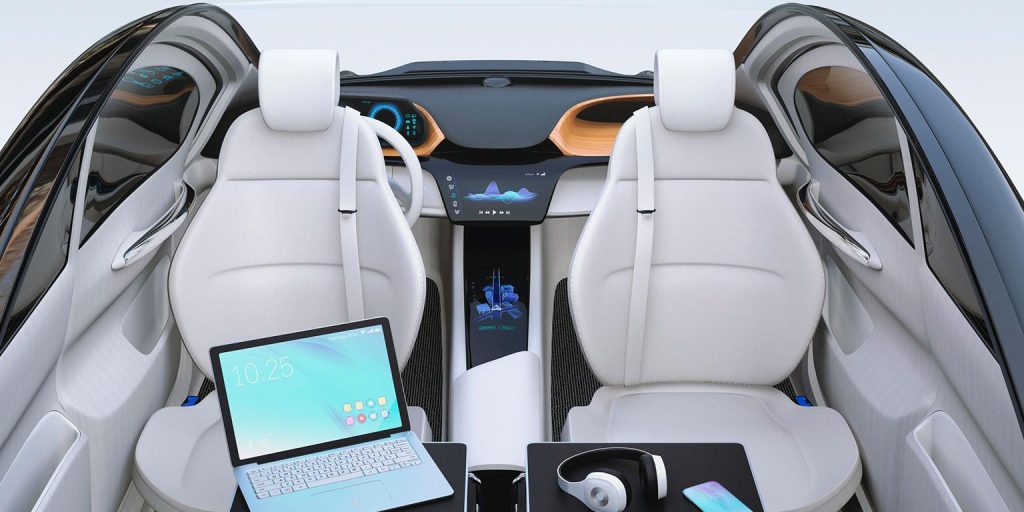
The future is already here. Modern cars have changed significantly compared to those from the past and will continue to evolve in the years to come. Automakers have realized that luxurious, electrified interiors—even in mid-range cars—will be crucial differentiators in an increasingly crowded automotive market.
Very soon, the cabin experience is expected to take the spotlight, overshadowing traditional automotive elements such as engine performance, exterior design, and powertrains. Major trends like ACES (Automation, Connectivity, Electrification, Shared Services) will change the structure of vehicles and allow passengers to enjoy new experiences throughout their journey.
ACES: A Transformative Trend in Transportation
ACES stands for Autonomous, Connected, Electric, and Shared, representing a rapidly growing trend in the transportation industry that promises to transform how people move in the future. Each element of ACES is defined as follows:
- Autonomous: Self-driving vehicles equipped with advanced technology that allows them to move without human intervention. These vehicles use sensors, cameras, and artificial intelligence to detect their surroundings and make decisions while driving.
- Connected: Vehicles that are connected to each other (V2V – Vehicle-to-Vehicle), to infrastructure (V2I – Vehicle-to-Infrastructure), and to networks (V2X – Vehicle-to-Everything), sharing data to enhance safety, efficiency, and convenience during travel.
- Electric: The shift from internal combustion engines to electric motors, reducing emissions and promoting environmental protection. Electric vehicles are set to become the dominant trend in the future to minimize pollution.
- Shared: The concept of shared mobility, where a vehicle can be used by multiple people rather than each person owning a separate vehicle. This helps reduce traffic congestion, minimizes resource usage, and optimizes costs.
Overall, the ACES trend is significantly changing the automotive and transportation industries, leading towards a smarter, more efficient, and sustainable mobility system.
New Design Challenges
Automotive designers and engineers are working hard to develop interiors that align with these trends. As they push the limits of technology, solutions must address several key design challenges:
- Design and Assembly: Engineers need cost-effective, lightweight, durable solutions that are easy to assemble on production lines.
- Durability: Solutions must perform effectively throughout the vehicle’s lifecycle. According to the U.S. Department of Transportation, the average lifespan of passenger cars in the U.S. is currently 12.1 years, up from 8.9 years in 2000.
- Vision and Sensor Management: Modern vehicle systems rely on various vision technologies, including radar, lidar, VTX, and touchscreens. These technologies must function effectively in diverse environments, with varying light conditions and exposure to extreme temperatures, chemicals/fuels, road salt, and other contaminants.
Modern Automotive Interiors Require Adhesive Tapes
Modern Automotive Interiors Require Adhesive Tapes
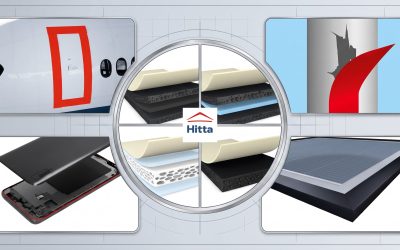
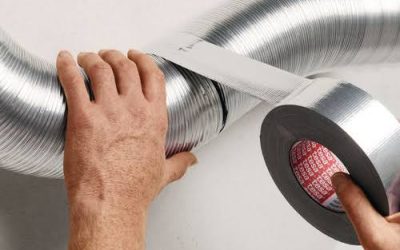
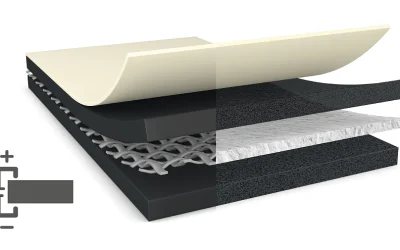
An increasing number of companies are turning to PSA (Pressure-Sensitive Adhesive) tapes, particularly technical adhesive tapes, which address all the challenges in designing and assembling modern automotive interiors.
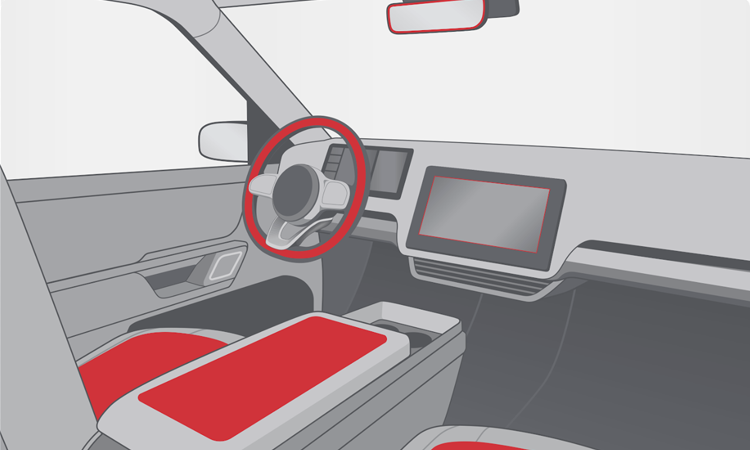
Adhesive tapes are now used in various interior applications, including:
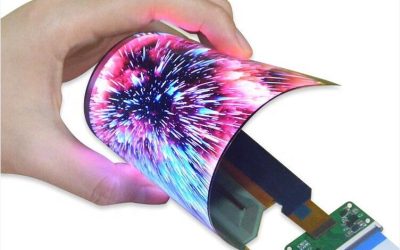
- Installing electronic mirrors and displays.
- Attaching PTC heaters to warm sensitive electronic components.
- Mounting sensors within seats and steering wheels.
- Bonding wire harnesses to interior surfaces with increasingly diverse materials.
Tapes are preferred over other solutions because:
- They are much lighter and can replace bulky mechanical fasteners.
- They are easy to apply and often repositionable.
- They are durable and can be engineered to resist environmental factors.
- When combined with specific materials, tapes can help reduce glare.
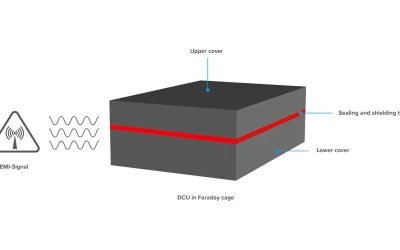
- Technical adhesive tapes can also enhance the durability of electronics by sealing and filling gaps.
- They can be designed to effectively reduce vibrations and noise.
Opportunities for OEM/EMS/Converters
Opportunities for OEM/EMS/Converters
Talking about the future is also talking about what’s “yet to come.” But the truth is, technology is advancing faster than we can imagine. Automotive interiors have undergone profound changes:
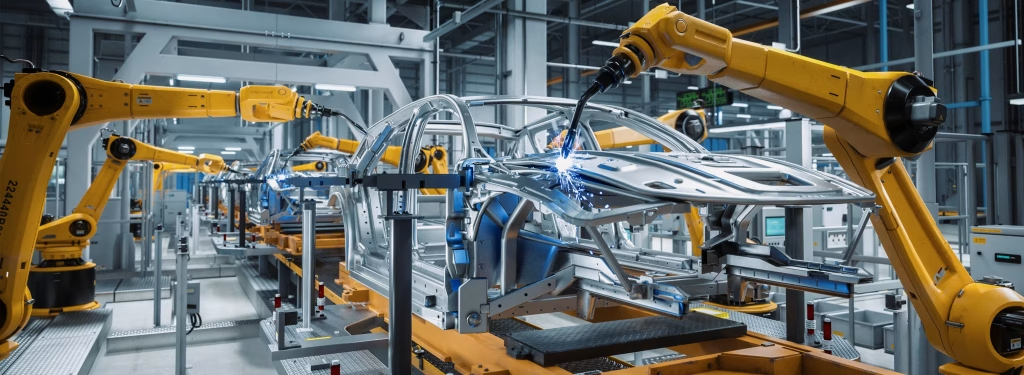
The development of material science and HMI technology, along with the ACES trend, will require OEM/EMS/Converters to provide services like multi-layer material bonding, multi-layer composites, laminating, die-cutting, and more.
Environmental requirements demand lighter vehicles for lower emissions, meaning bulky mechanical solutions will surely be replaced.
Aesthetic expectations are rising, even for mainstream car models, making designs more complex and challenging to connect components, which creates a significant demand for the application of technical adhesive tapes in designs that are not only visually appealing but also aerodynamically efficient.
The trend toward automation and large-scale production is undeniable, requiring processes to integrate automated or semi-automated systems, a need that is perfectly suited for adhesive tapes.
Hitta is eager to collaborate with OEM/EMS/Converters in the automotive industry. This is a journey full of opportunities. Adhesive solutions from the BOW TAPE brand, with products specifically designed for the automotive and electronics industries, have been proven effective. We are confident that with over 5 years of industry experience, we can meet the specific and high-level requirements of each business.
Hitta specializes in providing adhesives and tapes for both industrial and commercial sectors. Contact us for the most effective solutions at the lowest cost:
- ☎️ Hotline: 0565.336.879
- ✉️ Email: hittajsc@hitta.vn